Introduction
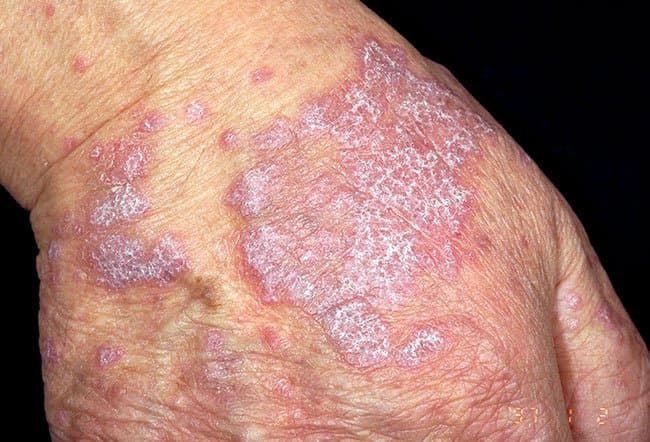
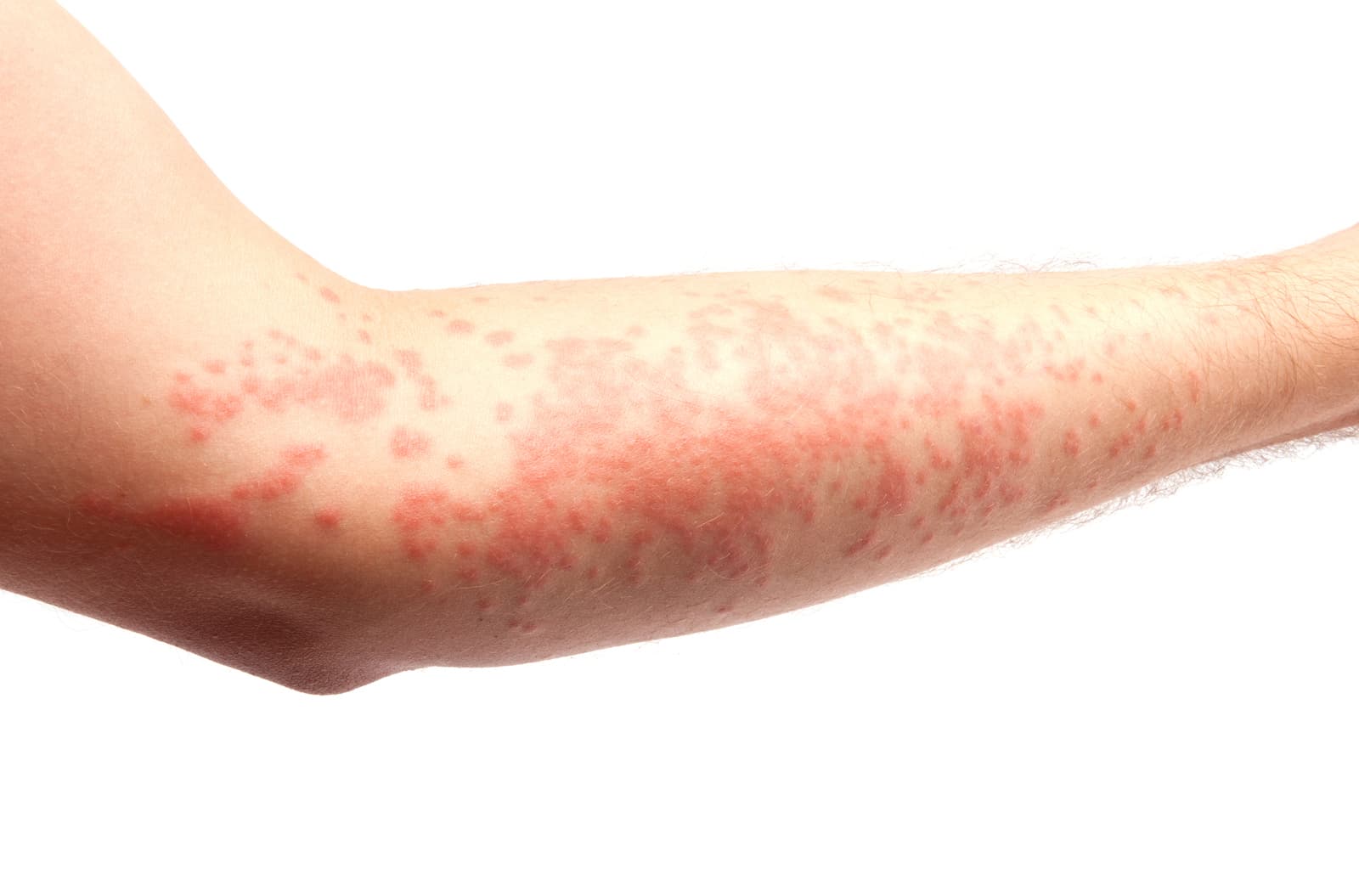
Contact dermatitis, also known as eczema, is one of the most common inflammatory skin diseases that can affect both adults and children. This condition manifests as skin redness, itching, scaling, or a rash in areas where the skin interacted directly with an irritating or allergenic substance. Although symptoms can seriously disrupt daily activities, when the trigger is properly identified and assessed, this condition can often be effectively managed through treatment and appropriate care.
In this article, we will discuss what contact dermatitis is, its causes and symptoms, how and when to seek medical attention, and the treatment and prevention methods that help prevent flares of this condition.
What is it?
Contact dermatitis is an inflammatory reaction of the skin that arises due to direct contact with a substance that:
- Irritates the skin (irritant contact dermatitis) – due to physical, chemical, or mechanical effects the skin barrier can be damaged;
- Triggers an allergic reaction (allergic contact dermatitis) – the substance is recognized as an allergen, activating the immune system.
Both of these types can occur simultaneously, especially when contact with the substance is frequent or prolonged. The most common locations of the rash are the hands, face, eyelids, neck, and lips (called contact cheilitis), but rashes can occur anywhere on the body.
It is important to note that contact dermatitis is not contagious or hereditary.
Causes and risk factors
Contact dermatitis is caused by various everyday and industrial factors. An essential aspect is clearly recognizing the pathogenic mechanism: whether it is irritation or allergy.
Irritant contact dermatitis
- Causes: frequent contact with water, detergents, cleaning agents, solvents, and other substances that draw moisture from the skin and damage the protective layer.
- Mechanism: these factors impair the skin barrier, deplete moisture and lipids, cause microfissures, and lead to inflammation.
Allergic contact dermatitis
- Causes: nickel, chromium, cobalt, fragrances, preservatives, plant resins, latex, some cosmetics, hair dyes, adhesives, and paints.
- Mechanism: an immune response that typically appears 12–48 hours after exposure, causing inflammation at the contact site.
General risk factors
- Occupation: healthcare workers, beauty professionals, cleaners, mechanics, construction workers, agricultural workers.
- Skin condition: dry skin, atopic dermatitis, a naturally weaker skin barrier.
- Environmental conditions: low humidity, strong wind, temperature fluctuations, friction.
- Habits: frequent and vigorous handwashing, use of harsh cleansers.
Symptoms
Symptoms of contact dermatitis can range from mild to severe, depending on the cause and skin sensitivity:
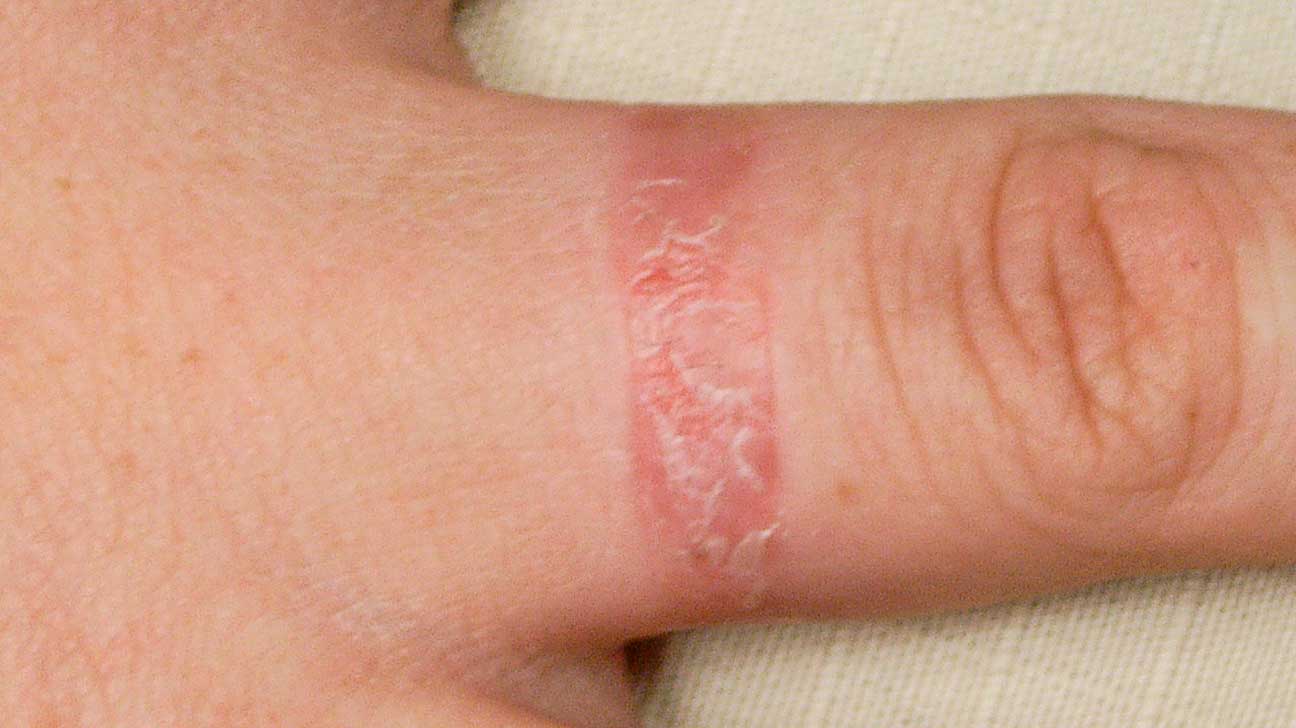
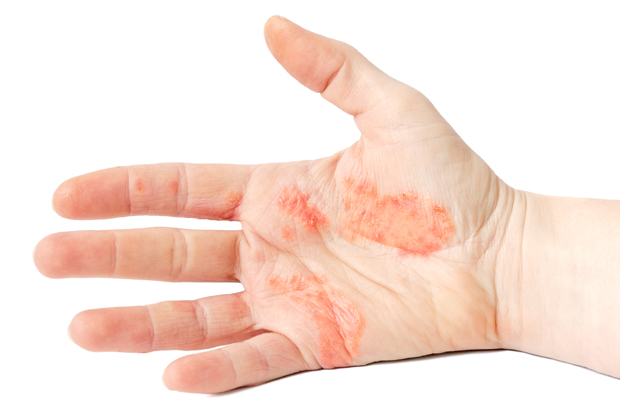
- Redness and swelling in the area where contact with the irritant or allergen occurred;
- Itching, a burning sensation, especially in allergic forms;
- Scaling, flaking, skin dryness;
- Vesicles that may ooze and form crusts during the acute phase;
- Fissures, painful cracks, often on the hands and fingers;
- Skin thickening and lichenification with prolonged inflammation;
- Nodules due to persistent scratching.
Rashes most commonly appear on the hands, face, eyelids, neck, and other areas where the skin directly contacted the offending substance.
When to see a doctor?
- If the rash does not improve within 1–2 weeks despite appropriate self-care.
- If the rash is spreading, painful, purulent, or causing fever.
- If the face, eyelids, lips, or genital areas, or large areas of the body are affected.
- If contact dermatitis may be related to occupational conditions.
- If rashes recur frequently or usual care is insufficient.
- If you experience shortness of breath or severe swelling of the face or lips – urgent care is necessary.
Diagnosis
The diagnosis of contact dermatitis is often made through a thorough analysis of the patient’s medical history and a physical examination. The dermatologist will assess:
- The location of the rash and its relationship to commonly used potential irritants or allergens.
- The timing of symptom onset after contact with the substance.
- The condition of the skin barrier and any concomitant skin diseases.
Patch testing can help identify specific allergens if an allergic form is suspected. For this purpose, specially prepared “patches” are applied to the skin and checked after 48–96 hours.
ARTICLE_GIF
Differential diagnosis may be necessary alongside other skin conditions such as fungal infections, urticaria, or atopic eczema. The doctor may order additional tests if needed.
Treatment
Treatment of contact dermatitis begins with removing provoking factors and restoring the skin barrier. The main components of treatment include:
- Avoid contact with substances that may cause the rash. If allergens are unclear, discontinue the use of new or suspicious products.
- Use emollients 2–3 times a day and after each washing. This helps restore the skin barrier and prevents dryness.
- Protect your hands with appropriate gloves, especially when performing tasks that may irritate the skin.
- Avoid hot water; use gentle cleansers.
- In acute forms, cool compresses can be used to reduce itching.
Physician-prescribed treatment may include anti-inflammatory therapies tailored to the location and severity of the rash. Do not use strong agents on your own, as this may worsen the skin condition.
In cases of occupational dermatitis, it may be recommended to review working conditions, adjust hygiene habits, and use employer-provided protection.
Care and prevention
Considering daily habits, long-term control is very important. Here are some ways to reduce the risk of relapses:
- First aid during a flare consists of stopping contact with the irritant and implementing appropriate skincare measures.
- Hand hygiene: use gentle cleansers; maintain your hands in good condition with emollients.
- Gloves: use them when doing laundry or working in the household with chemical agents.
- Cosmetics: choose products without fragrances and harsh additives.
- Clothing: avoid contact with allergenic materials.
- Environment: maintain optimal air humidity and avoid temperature extremes.
- Knowledge of allergens: recognize and avoid substances that can trigger a reaction.
It is worth noting that contact dermatitis, while unpleasant, can often be effectively controlled by identifying and eliminating provoking factors.
Frequently asked questions
- Can contact dermatitis “spread” across the body?
The rash usually remains limited to the area of direct contact, but allergic forms may spread slightly beyond the affected zone. - What is the difference between allergic and irritant contact dermatitis?
The allergic form triggers an immune response with a delayed onset of symptoms, while the irritant form often causes a faster reaction due to the direct effects of the irritant on the skin. - Can this condition resolve on its own?
With successful avoidance of the trigger and appropriate care, dermatitis can settle within a few weeks. - Is contact dermatitis related to diet?
Because contact occurs on the skin surface, food is rarely the cause; however, some food allergens can trigger episodic dermatitis in sensitive individuals. - Can I use “natural” remedies?
Be cautious—natural ingredients can also be allergens. Discuss with your doctor which products are safest.
Conclusions
Contact dermatitis is a common yet manageable skin problem. Coping with this condition is primarily about recognizing and avoiding provoking factors, maintaining consistent skincare, and consulting a doctor when needed for the most appropriate treatment plan.
If the rash does not improve within 1–2 weeks or recurs frequently, we recommend consulting the dermatologists at our iDerma clinic. Early consultations allow for a more accurate diagnosis and individualized treatment, both in person and remotely, which helps ensure optimal skin health and quality of life.