Introduction
Lichen planus is one of the more common inflammatory diseases of the skin and mucous membranes, which can manifest in various ways—from itchy, purple-colored rashes on the skin to painful erosions in the mouth or genital area. Although the disease is often not life-threatening, it can significantly affect well-being, sleep, eating, intimacy, and sometimes the appearance of hair and nails. By properly recognizing the symptoms and starting treatment in a timely manner, many people manage to achieve condition control, reduce the frequency of flare-ups, and improve daily life.
What is it?
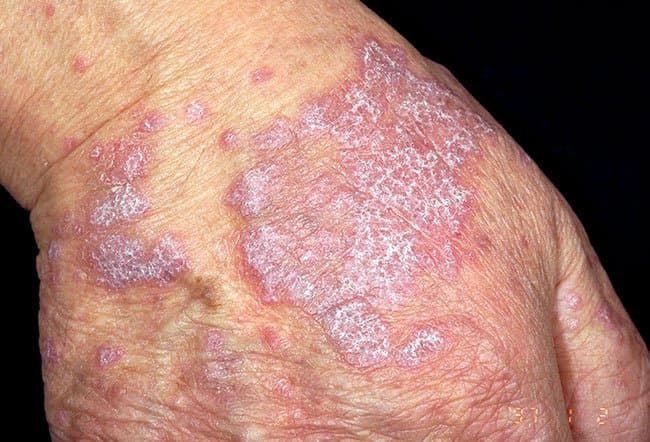
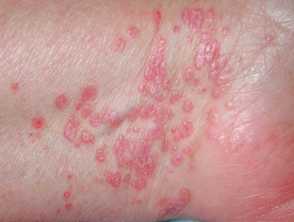
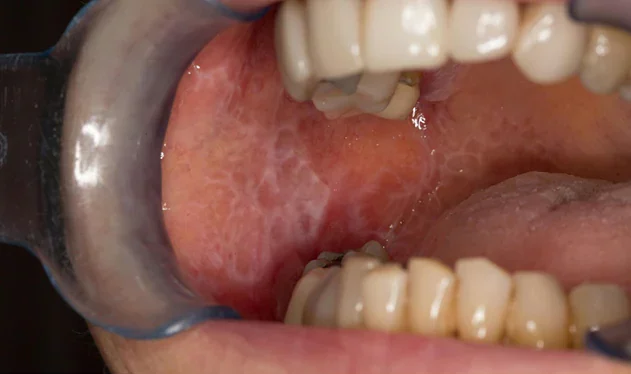
Lichen planus (Latin: lichen planus) is an immune-mediated inflammatory disease affecting the skin, mucous membranes, nails, and hair follicles. The typical rash consists of small, flat, purple-tinged, itchy papules that may coalesce into plaques. On mucous membranes, a common white, lace-like pattern known as the Wickham striae is often observed. The disease can present in a single area (e.g., only in the mouth) or in combined forms.
Several clinical variants are distinguished:
- Cutaneous form – classic itchy papules and plaques, commonly found on the wrists, forearms, and ankles.
- Mucosal form – most often in the oral mucosa or genital area; can be asymptomatic or painfully erosive.
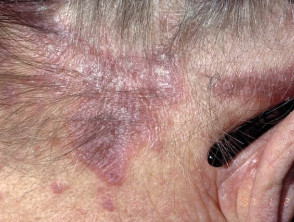
- Follicular (hair) form – can lead to scarring alopecia, making early recognition particularly important.
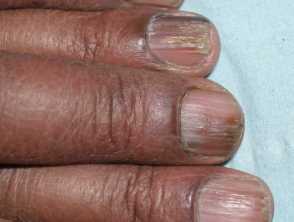
- Nail form – causes thinning, ridging, brittleness, or grooves in the nails, less commonly nail loss.
The disease is characterized by the Koebner phenomenon – the appearance of new rash elements in healthy skin areas after mechanical irritation (friction, scratching, tattoos, procedures).
Causes and Risk Factors
The exact cause of lichen planus is unknown, but it is considered an immune-mediated reaction where the body directs an inflammatory response against the superficial layers of skin or mucosal cells. Important possible factors and associations include:
- Infections – in some cases, a connection with viral infections (especially hepatitis) is observed, less commonly with other inflammatory processes.
- Contact irritants and allergens – dental filling materials, oral hygiene products, perfumes, metals, or other contact irritants can cause "lichenoid" reactions similar to lichen planus, especially in the mouth.
- Drug-induced lichenoid reactions – some drug reactions can mimic lichen planus (determined during a detailed history).
- Autoimmune diseases – more common among people with other autoimmune conditions (e.g., thyroid disorders).
- Stress and psycho-emotional burden – can contribute to flare-ups or prolong the course of the rash.
- Genetic factors – clear inheritance is not established, but a certain predisposition is possible.
Lichen planus occurs in about 0.25–1% of the population, more commonly between the ages of 30–60, but can also occur in children. Men and women are affected similarly.
Symptoms
The classic cutaneous form is often described using the "6 P" rule (from English):
- Planar – flat-topped
- Polygonal – polygonal, angular
- Pruritic – itchy
- Purple – purple/violet color
- Papule – papules
- Plaque – plaques (when papules merge)
Common locations: wrists (especially flexor surfaces), forearms, ankles, legs, sacrum, torso. Rashes can be symmetrical, often very itchy, and after the inflammation subsides, they may leave post-inflammatory hyperpigmentation, especially on darker skin types.
Mucous membranes. In the oral cavity, a common white, lace-like Wickham striae is seen on the buccal mucosa, tongue, or gums. Sometimes red, painful erosions or ulcers appear, which can interfere with eating, speaking, and oral hygiene. In the genital area, lesions may itch, burn, crack; in women, they can be particularly painful and affect intimate life.
Nails. Characteristic longitudinal ridges, ridging, brittleness, thinning, sometimes partial nail loss. As the process progresses, recovery may take time, so early intervention is important.
Hair. The follicular form (e.g., on the scalp) can lead to scarring alopecia. If itchy or sensitive areas of the scalp, thinning hair, or redness occur, it is recommended not to delay consultation.
Mucosal Lesions
Lesions of the oral and genital mucosa are diagnosed in a significant number of cases. For some people, the oral form occurs without skin rashes and is detected only during dental or preventive examinations. Erosive (ulcerative) forms are painful, can bleed, and interfere with nutrition and hygiene. In the genital area, the mucosa can be easily irritated, so gentle care and avoiding irritants are especially important.
Very rarely, especially with long-term, erosive mucosal forms, a slightly increased risk of malignant changes is observed. Therefore, regular check-ups are recommended, especially if there are painful, hard-to-heal lesions.
ARTICLE_GIF
When to See a Doctor?
- If itchy, purple skin rashes appear that were not present before.
- If there are white patterns, painful erosions, cracks, or persistent ulcers in the mouth or genital area.
- If you notice nail thinning, brittleness, ridges, or partial nail loss.
- If hair on the scalp starts thinning along with redness, itching, sensitivity.
- If the rash spreads, is very itchy, disrupts sleep or daily activities.
Early consultation helps prevent prolonged inflammation, scarring, hair follicle damage, and mucosal complications.
Diagnosis
The diagnosis is usually made based on the medical history, clinical signs, and examination. In typical cases, additional tests may not be necessary. If the rash is atypical, widespread, or unclear, a skin or mucosal biopsy is performed for histological examination. Histology confirms the characteristic association with the basement membrane and "lichenoid" tissue inflammation.
Depending on the clinic, the doctor may recommend dermatoscopy, general blood tests, testing for associated conditions (e.g., viral hepatitis), or differentiating from other diseases (psoriasis, fungal infections, other autoimmune dermatoses). In cases of mucosal forms, periodic examinations are important to assess the long-term course and rule out rare complications.
Our clinic's dermatologists help accurately diagnose, assess disease activity and affected areas, and select an individual treatment and care plan. We provide consultations both in-person and remotely – this allows for quicker diagnosis clarification and initiation of the most appropriate, safe treatment.
Treatment
Treatment is always selected individually, considering the affected area (skin, mouth, genital mucosa, nails, hair), intensity, duration, and severity of itching and pain. The main goals are to reduce inflammation, alleviate symptoms, prevent scarring, and improve quality of life.
- Topical treatment – usually the first choice for rash sites or mucous membranes. Anti-inflammatory and immune-modulating agents are used, sometimes protective, soothing gels, barrier-restoring creams.
- Systemic treatment – prescribed for widespread or resistant cases, intense itching, hair follicle or nail damage. The goal is to suppress the overly active immune response and control inflammation.
- Light therapy (phototherapy) – in certain cases, helps reduce rash and itching. The course is selected according to skin type and lesion characteristics.
- Pain and oral mucosa care – for erosive forms, measures are recommended to reduce sensitivity, protect the mucosa, and adjust nutrition to avoid provoking irritants.
The prognosis is often favorable: for many patients, skin rashes **gradually disappear within 1–2 years**, although some may experience recurrences. Mucosal, nail, or hair forms tend to last longer and may require consistent, long-term monitoring. After resolution, temporary darkening often remains, which fades over time.
During treatment, regular contact with the doctor is important – this allows for plan adjustments, monitoring dynamics, and quick response to flare-ups.
Care and Prevention
While there is no single measure that can completely protect against lichen planus, proper daily care helps reduce symptoms and the frequency of flare-ups:
- Moisturizing – regularly use barrier-restoring creams, especially after washing.
- Gentle washing – choose fragrance-free, non-irritating products; avoid hot water and rough scrubbing.
- Avoiding irritants – protect the skin from constant friction, pressure; adjust clothing or work habits if necessary.
- Oral hygiene – gentle cleaning, soft brush, regular dental visits; avoid spicy, acidic, very hot foods, alcohol, and smoking.
- Stress management – sleep, physical activity, breathing exercises, psychological support if needed. Emotional comfort can reduce the risk of flare-ups.
- Sun and UV – limit the risk of sunburn; if phototherapy is applied, follow the doctor's instructions.
- Review of medications and products – if rashes started after a new product or medication, be sure to inform the doctor.
Frequently Asked Questions
- Is lichen planus contagious?
No. It is an immune-mediated disease that is not contracted from others and is not transmitted through household contact. - How long does this disease last?
Skin rashes often subside within 1–2 years, but flare-ups may occur in the future. Mucosal, hair, and nail forms can last longer and require continuous care. - Do rashes leave scars or spots?
The skin form usually does not leave scars, but temporary darkening (post-inflammatory hyperpigmentation) may remain, which gradually fades. In cases of hair follicle damage, scarring alopecia is possible, making early intervention important. - Can oral or genital lesions become malignant?
This is rare, but a slightly increased risk of malignancy is noted in long-term, erosive mucosal forms. Regular check-ups and consistent treatment are recommended. - Is it possible to completely avoid lichen planus?
There are no exact preventive measures. However, avoiding irritants, managing stress, meticulous oral hygiene, and nurturing the skin barrier help reduce flare-ups. - Is this disease associated with other conditions?
Sometimes associations with certain infections or autoimmune diseases are identified. After evaluating the clinic, the doctor may recommend additional tests.
Conclusions
Lichen planus is a non-malignant but often troublesome inflammatory dermatosis that can affect the skin, mucous membranes, nails, and hair follicles. By timely recognizing symptoms, conducting accurate diagnostics, and applying an individualized treatment and care plan, very good condition control and quality of life improvement are achieved in most cases. If you notice the described signs or have doubts about the diagnosis, it is worth consulting – iDerma clinic dermatologists are ready to help both in-person and remotely, to find the safest and most effective solution for you as soon as possible.