Introduction
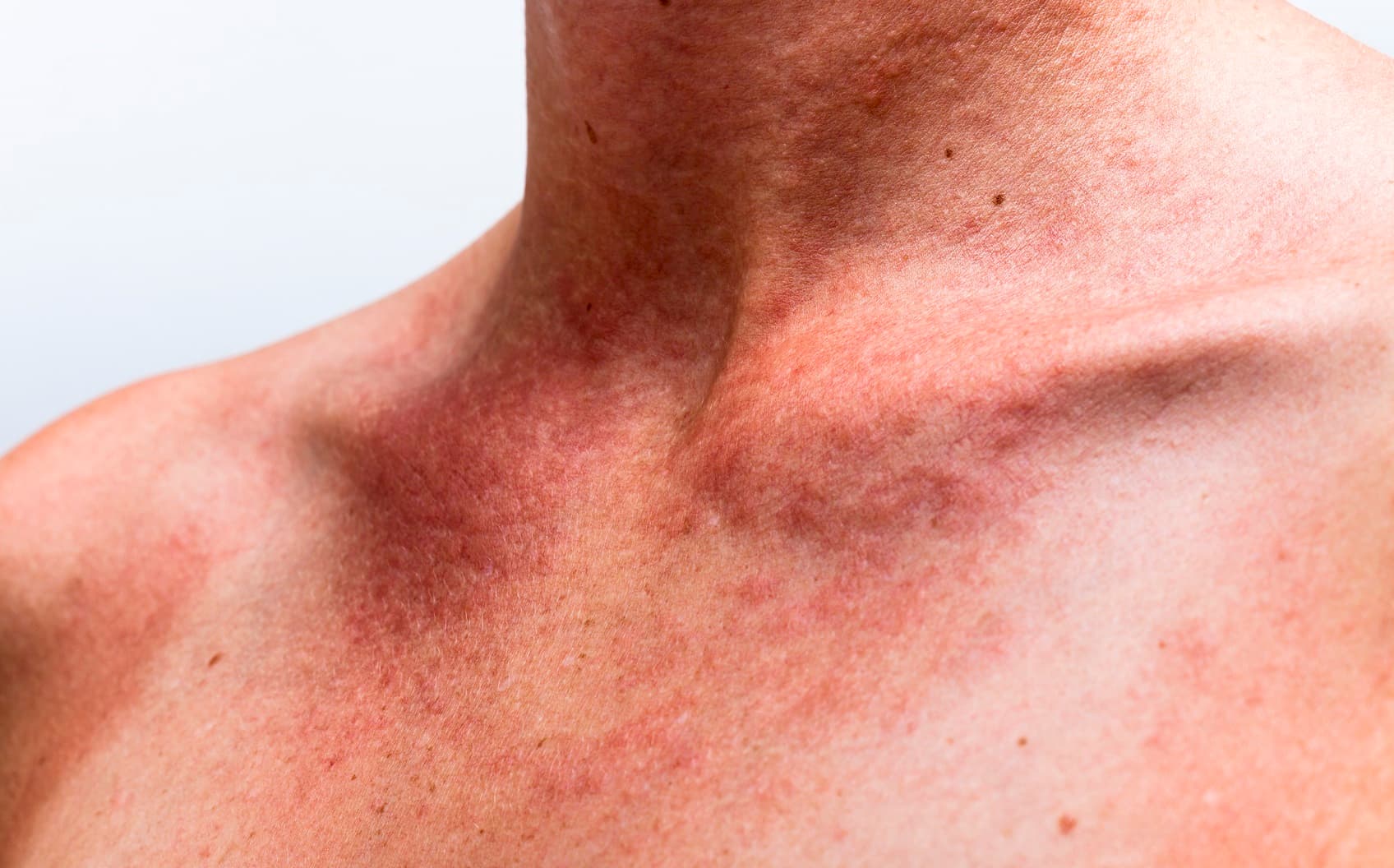
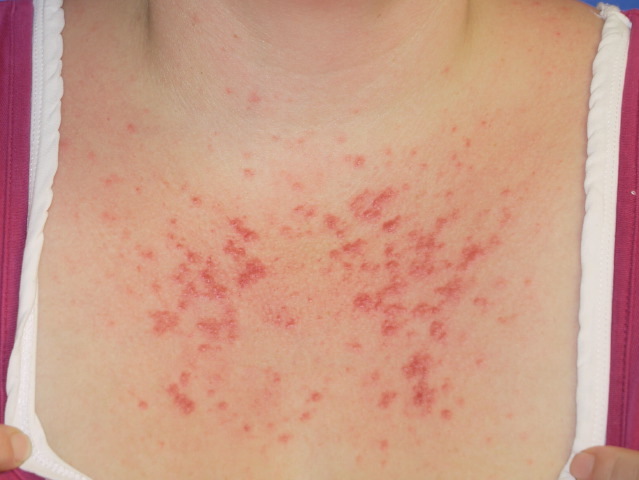
Polymorphic light eruption, also known as sun allergy, is a fairly common skin reaction to ultraviolet (UV) sunlight. This condition usually presents as itchy, pink or skin-colored rashes in areas directly exposed to sunlight. Typically, this rash appears within a few hours or days after sun exposure and is most noticeable during the warmer months – spring and summer.
What is it?
Polymorphic light eruption is a specific skin reaction caused by UV rays from the sun. Although not exactly an allergy, this condition is known as "sun allergy" because its symptoms are similar to other allergic reactions. It most commonly occurs in people who are sensitive to sun exposure, and this sensitivity is often related to genetics or immune system activity.
Causes and Risk Factors
The cause of polymorphic light eruption is related to sensitivity to UV rays from the sun. The main risk factors include:
- Light skin color.
- Frequent and intense sun exposure.
- Genetic predisposition.
- Reduced skin tolerance to light due to other medical conditions.
Symptoms
After sun exposure, affected areas of the skin may develop:
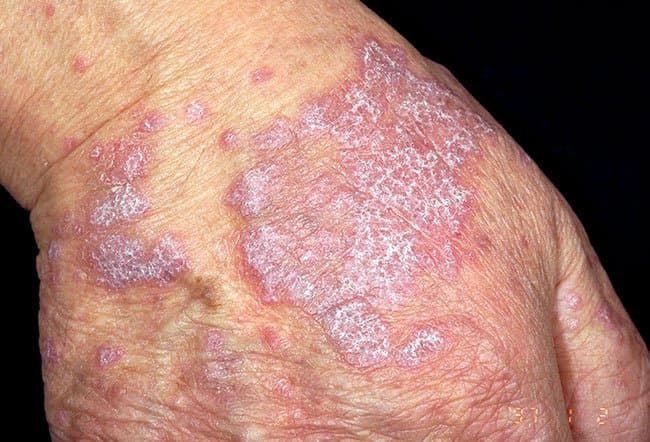
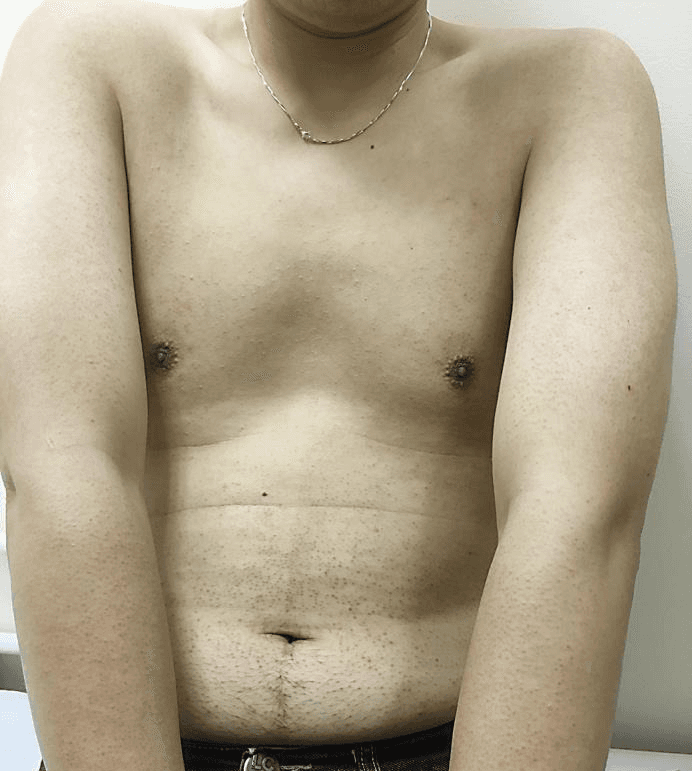
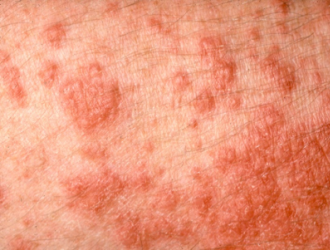
- Severely itchy, small pink or skin-colored papular rashes.
- Less commonly, plaques and blisters.
- Skin redness and swelling.
ARTICLE_GIF
These symptoms usually resolve on their own within a few days when further sun exposure is avoided.
When to See a Doctor?
If you suspect you have polymorphic light eruption or notice that symptoms do not resolve over time or even worsen, you should consult a doctor. Dermatologists at our clinic can help determine the correct diagnosis and select an individually tailored treatment plan. Consultations are available both in-person at the clinic and remotely.
Diagnosis
The condition is usually diagnosed based on the patient's history and clinical symptoms. The characteristic seasonality and itchy rashes in sun-exposed areas of the skin indicate this condition. Typically, additional tests are not necessary, but a dermatologist may recommend phototesting to confirm the diagnosis accurately.
Treatment
Treatment generally involves managing symptoms and reducing inflammation:
- Corticosteroid creams effectively reduce inflammation and itching and are prescribed for a 5-7 day course.
- In severe cases, oral corticosteroids may be prescribed.
- Avoid direct sun exposure and use protective measures.
If you are unsure of your diagnosis or treatment is not alleviating symptoms, we recommend consulting iDerma specialists, who can help determine the best way to manage this condition.
Care and Prevention
To reduce the risk of developing symptoms of polymorphic light eruption, it is important to take preventive measures:
- Wear clothing that covers the skin on very sunny days.
- Use protective creams with SPF 50, even on cloudy days.
- Prophylactic phototherapy, which increases skin tolerance to light. It is recommended to start early in spring or winter, conducting 2–3 sessions per week over a 4–6 week period each year.
Frequently Asked Questions
- Can polymorphic light eruption disappear completely? It usually resolves on its own after a few days without sun exposure. However, some people may experience persistent symptoms due to continuous sun exposure.
- Is this condition dangerous? Despite the discomfort and itching, polymorphic light eruption is not a life-threatening condition, but it can be very unpleasant and interfere with daily life.
- What are the natural treatment options? In addition to doctor-prescribed medications, soothing remedies such as aloe vera gel, which reduces itching and irritation, may be beneficial.
Conclusions
Polymorphic light eruption is a common and usually mild skin condition caused by UV rays from the sun. Proper sun protection and preventive measures can help control symptoms and reduce the occurrence of the condition. If symptoms do not resolve or appear unexpectedly, it is important to consult a dermatologist for an accurate diagnosis and treatment.