Introduction
Dyshidrotic eczema, also known as dyshidrotic dermatitis or dyshidrosis, is a chronic, recurrent inflammatory skin condition that most commonly affects the hands and feet. It is characterized by small, itchy blisters under the skin that can burst, become painfully scaly, and crack. Although this condition is not contagious, it can significantly impact daily well-being, work, and sleep, especially if flare-ups occur frequently.
Dyshidrosis can affect anyone, but it is more common in individuals with an atopic tendency, as well as those working in wet conditions or frequently in contact with irritants. Understanding what this condition is, what triggers it, and how to manage it is a crucial step towards a better quality of life.
What is it?
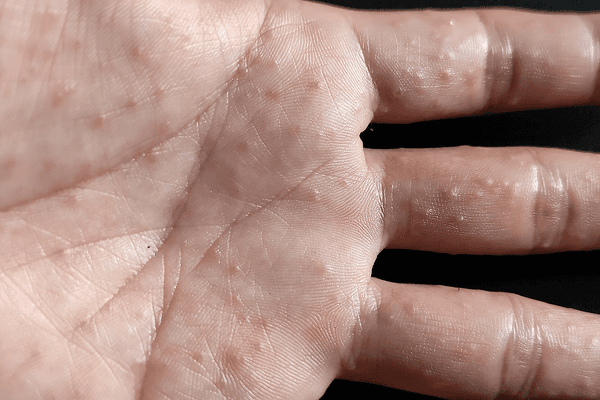
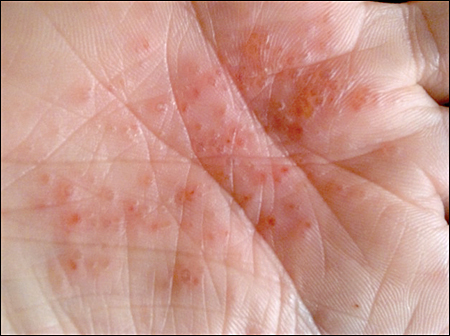
Dyshidrotic eczema is an inflammatory skin disorder characterized by small, deep-seated blisters, most commonly found on the palms, sides of the fingers, and soles. The blisters usually contain clear fluid, are intensely itchy, and can burn. The flare-up phase typically lasts 2–3 weeks: blisters burst, the skin peels, thickens, and painful cracks form. Some people experience cyclical flare-ups, for example, in spring-summer or during periods of intense stress.
Although the name "dyshidrosis" has historically been associated with sweat glands, the cause of this condition is not a disease of the sweat glands themselves. However, increased sweating or a humid environment can be important triggering factors, exacerbating symptoms and hindering skin healing.
Causes and Risk Factors
The exact cause of dyshidrotic dermatitis is not fully understood, but scientific evidence suggests that several related factors contribute:
- Atopic tendency – individuals with or who have had atopic dermatitis, allergic rhinitis, or asthma are more likely to experience dyshidrosis.
- Contact allergens – especially metals (e.g., nickel or cobalt found in some alloys) that hands or feet come into daily contact with. Long-term or repeated contact can lead to sensitivity development.
- Irritants and wet conditions – frequent hand washing, cleaners, solvents, waterproof gloves, closed non-breathable footwear, intense sports, or work in heat.
- Increased sweating – not a cause in itself, but can trigger or worsen the rash, especially in summer or during intense work.
- Stress – emotional tension can activate inflammatory processes and trigger flare-ups.
- Skin infections or "reflected" reactions – sometimes blistering on the palms or soles can be an immune response to a fungal infection of the feet or another inflammatory focus in the body.
- Seasonal factors – some people notice flare-ups during heat or high humidity.
- Occupational factors – "wet work," food industry, healthcare, metalworking, beauty services – areas where the risk is higher.
It is important to note that usually more than one triggering factor affects an individual. Therefore, effective treatment often includes identifying and correcting the causes.
Symptoms
The symptoms of dyshidrotic dermatitis can be very distressing, especially during active flare-ups:
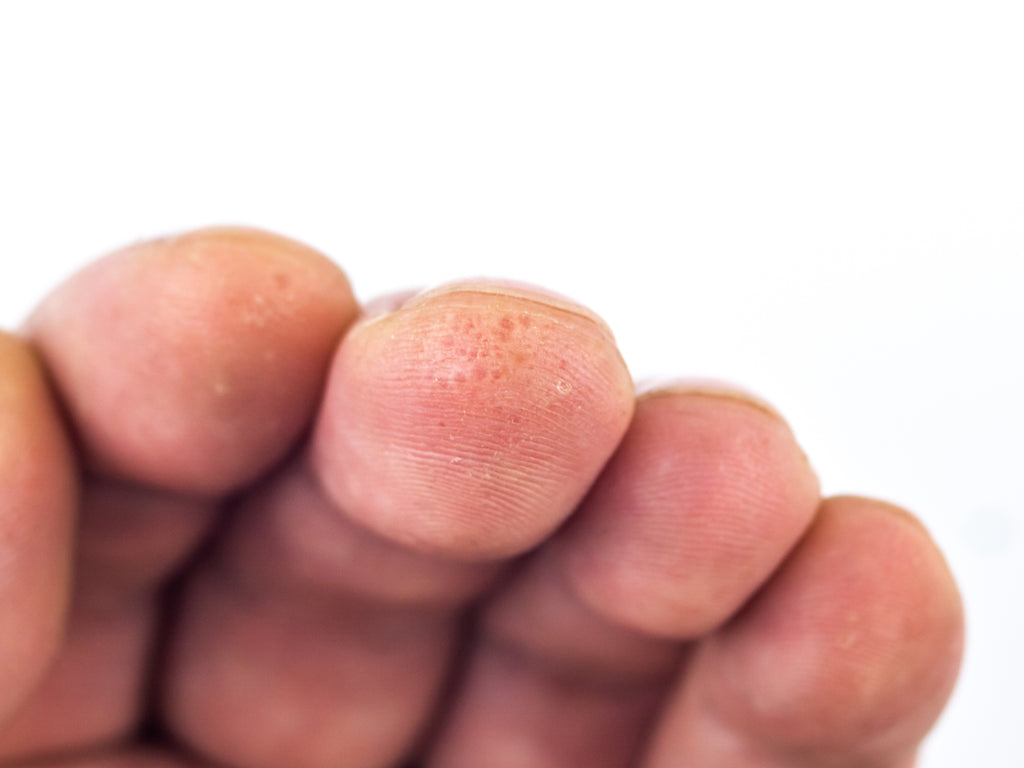
- Small blisters (often resembling "tapioca pearls") on the palms, sides of the fingers, or soles.
- Intense itching and burning, often worsening in the evening or at night.
- Redness, thickening, peeling of the skin after blisters burst.
- Painful cracks that can bleed and interfere with work, sports, or even sleep.
- Signs of secondary infection – pus, pain, warmth, spreading redness, unpleasant odor.
Cyclicality is often characteristic: symptoms intensify, then subside, the skin heals, but after some time, they recur. Sometimes a specific event triggers a flare-up – prolonged work with gloves, a new cosmetic product, extended time in closed footwear, or experienced stress.
When to See a Doctor?
Consult a dermatologist if:
- blistering rashes recur, do not resolve, or become more frequent;
- itching, pain, or cracks interfere with daily life, work, or sleep;
- you suspect an allergy (e.g., when wearing jewelry or working with metals, chemicals);
- you suspect an infection (pus, spreading redness, fever);
- self-help measures are ineffective or you are unsure which measures to choose;
- you are pregnant, breastfeeding, or have other chronic conditions and need to coordinate a safe treatment plan.
iDerma clinic dermatologists help accurately diagnose, assess the severity of the condition, and select an individual, safe treatment and care plan. Consultations are available both in-person and remotely, allowing for quick access to specialist assistance and recommendations.
Diagnosis
Dyshidrotic eczema is most often recognized by its characteristic clinical appearance and course. However, to rule out other conditions and identify triggers, additional tests may be performed:
- Patch testing for allergens – helps identify contact allergens (e.g., metals) that may trigger or sustain inflammation.
- Microscopy or cultures of skin scrapings – necessary if a fungal infection or secondary bacterial infection is suspected.
- Differential diagnosis – important to distinguish from foot or hand fungus, scabies, blistering infections, or other inflammatory skin diseases.
- Skin biopsy – rarely performed when the diagnosis is unclear or another blistering dermatosis is suspected.
If a connection with occupational factors is observed, work conditions adjustments and protective measures are discussed. iDerma dermatologists, if necessary, collaborate with allergists, family doctors, and occupational medicine specialists to identify causes as accurately as possible and ensure effective treatment.
Treatment
The goal of treatment is to quickly reduce inflammation and itching, restore the skin barrier, prevent flare-ups and complications. A combined, staged strategy is often applied:
- Managing triggering factors – minimizing "wet work," reducing contact with irritants, using protective measures if needed. Choose hypoallergenic, fragrance-free household and skincare products.
- Restoring the skin barrier – regular use of richer emollients several times a day and after each hand wash. Thicker, occlusive-textured products are suitable for very dry, cracked areas.
- Reducing itching – cool compresses, gentle lotions, conscious avoidance of scratching, keeping nails short. Evening skincare rituals and stress reduction can aid sleep.
- Local inflammation management – doctor-prescribed anti-inflammatory ointments or creams used as directed. Important rule: short and targeted use during flare-ups, protecting healthy skin.
- Wet wrap technique – short-term wet wraps may be applied to soothe the skin and enhance the effectiveness of topical treatments.
- Treating secondary infections – if signs of infection appear, the doctor prescribes appropriate measures and adjusts care.
- Phototherapy – prolonged or frequently recurring symptoms may be recommended for light therapy courses.
- Complex or resistant cases – sometimes broader planning is required: systemic measures, solutions to reduce sweating, or physiotherapy procedures. Such decisions are always individualized and applied under specialist supervision.
At iDerma clinic, we create individual treatment and prevention plans, considering your skin condition, lifestyle, work, and potential allergens. Consultations are conducted both in the clinic and remotely, allowing for quick adaptation of effective and safe tactics to specific situations.
ARTICLE_GIF
Care and Prevention
Although dyshidrotic eczema tends to recur, proper daily care significantly reduces the frequency and intensity of flare-ups. We recommend:
- "Two-layer" gloves: when performing wet work, wear thin cotton gloves, and over them – waterproof ones; after finishing work, immediately remove the gloves, dry your hands, and apply an emollient.
- Smart hand washing: choose gentle, fragrance-free cleansers; avoid very hot water; after washing – gently pat dry (do not rub) and moisturize immediately.
- Skin moisturizing: use richer emollients several times a day, especially after contact with water. Apply during flare-ups and between them.
- Footwear and socks: choose breathable footwear, cotton, or other sweat-absorbing socks; change footwear frequently and allow it to dry.
- Protection at work: if contact with irritants or moisture is unavoidable at work, discuss protective measures and work organization (breaks to dry hands and apply emollient) with your employer.
- Stress management: regular sleep, physical activity, balanced diet, relaxation techniques – all help reduce the risk of flare-ups.
- Cosmetics and household: avoid products with fragrances, dyes, alcohol; test new products on a small skin area.
- Metal contacts: if you suspect metal sensitivity, limit direct contact, choose hypoallergenic jewelry, protective film on the back of the watch, or similar measures.
- Fungal infection control: promptly treat fungal infections of the feet or nails – they can trigger rashes on the palms/soles.
- Individual solutions for sweating: in case of excessive sweating, discuss suitable measures or procedures with a dermatologist to reduce moisture in the palms and soles.
For some people, dietary adjustments related to products containing certain metals are discussed, but scientific evidence on the effectiveness of this tactic is limited. Decisions are always recommended to be made together with a doctor, considering the individual situation.
Conclusions
Dyshidrotic eczema is a common but manageable skin condition. Although it can recur and be bothersome, most patients can significantly reduce symptoms if triggering factors are consistently eliminated, the skin barrier is restored, and individually tailored treatment is applied. Timely consultation with specialists, accurate assessment of the condition's causes and risks, and the implementation of a targeted care plan noticeably improve quality of life.
If you suspect dyshidrotic dermatitis or wish to manage recurring flare-ups more effectively, consult with iDerma dermatologists – consultations are available both in-person and remotely, and treatment is tailored to your individual needs.