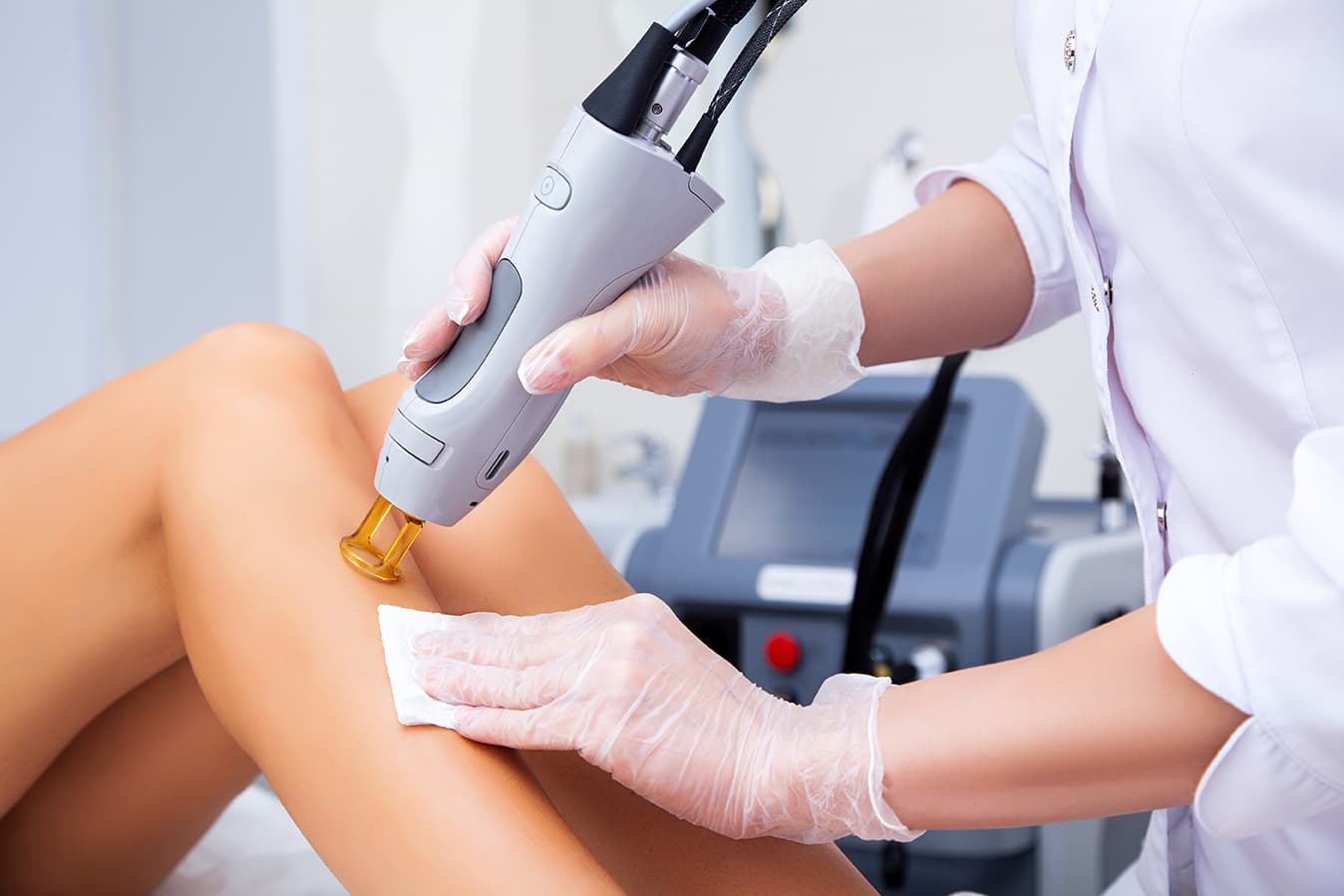
Laser Surgery – A Modern Approach to Skin Treatment
Laser surgery is a medical technique that uses a focused laser beam instead of a scalpel to cut or remove tissue. It employs high-intensity light waves with specific wavelengths to achieve targeted effects with minimal damage to surrounding skin.
Most Common Lasers Used in Dermatology
-
Carbon dioxide (CO₂) laser
-
Intense pulsed light (IPL) laser
-
Alexandrite laser
-
Diode laser
-
Erbium:YAG laser
-
Neodymium:YAG laser
-
Pulsed dye laser (PDL)
Applications of Lasers in Dermatology
Lasers are widely used for:
-
Removal of various skin growths, scars, vascular lesions, hair, and tattoos
-
Skin resurfacing and rejuvenation
Laser Types and Their Benefits
CO₂ Laser
Known for its high precision, the CO₂ laser removes thin layers of skin without damaging surrounding tissue. It is commonly used to treat scars, wrinkles, and warts with minimal side effects.
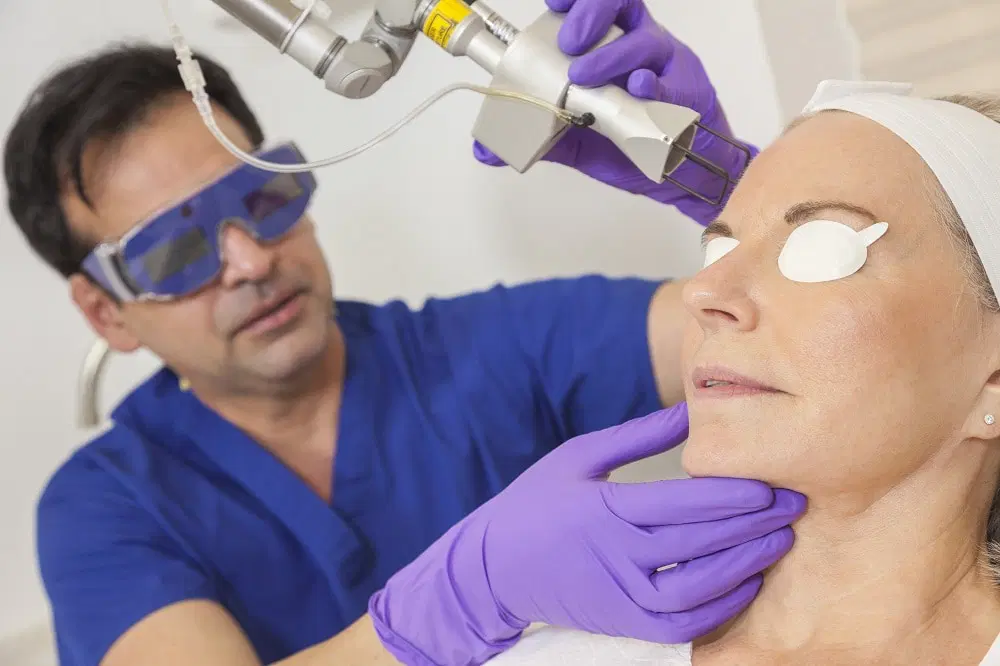
IPL Laser
Intense pulsed light emits broad-spectrum light that targets red and brown pigments in the skin. It is mainly used to reduce pigmentation spots and dilated blood vessels.
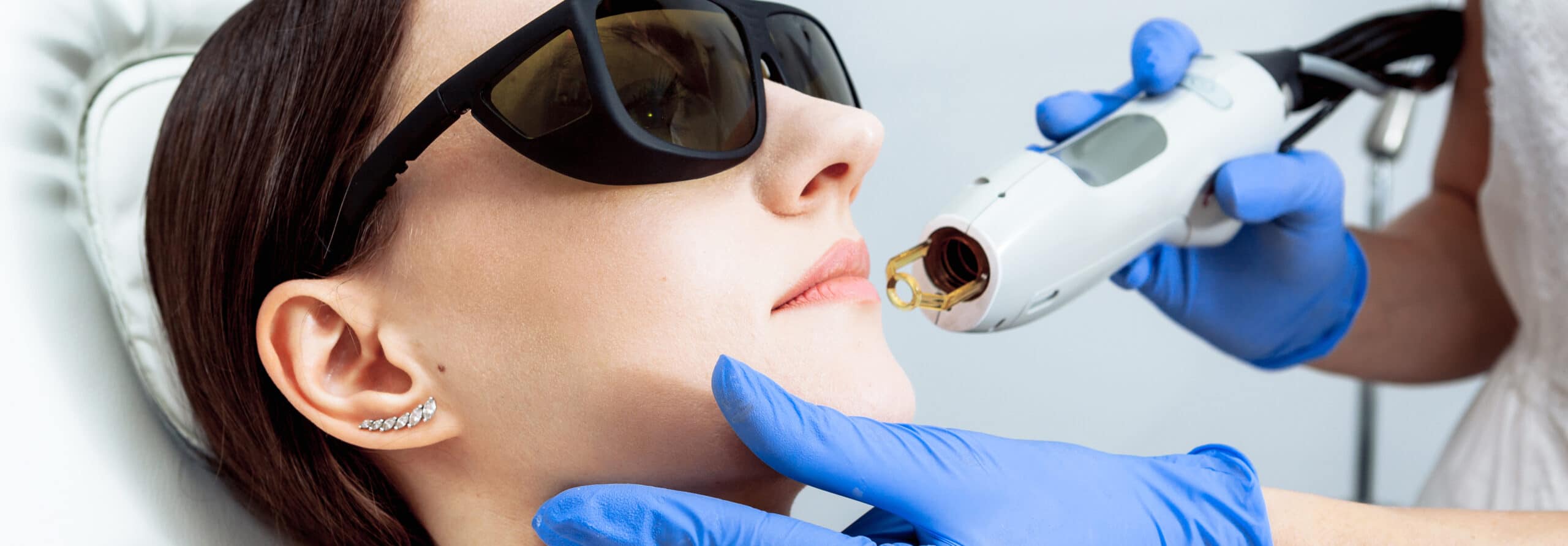
Alexandrite Laser
Also called the “red laser,” it effectively treats vascular conditions but is most often used for hair and tattoo removal.
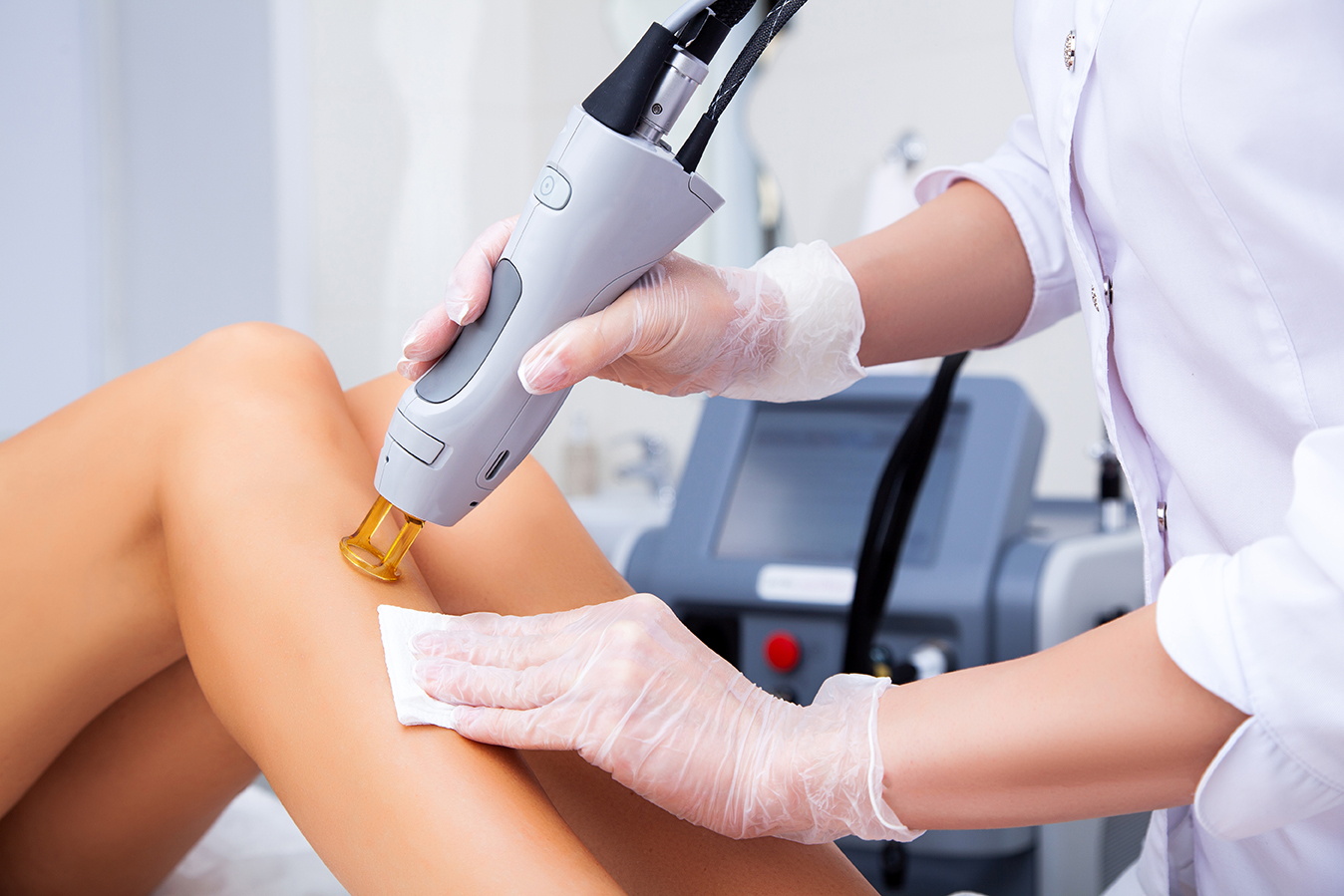
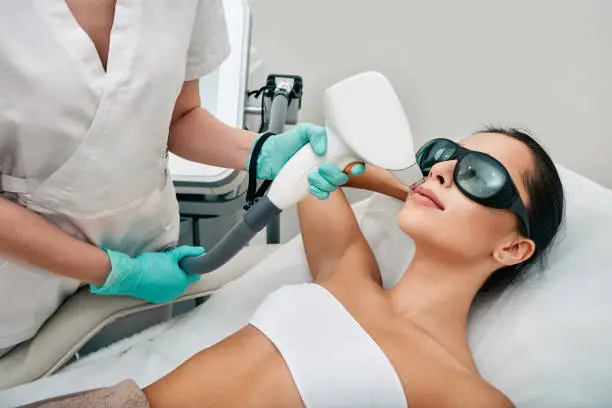
Diode Laser
Emitting an 810 nm wavelength, this laser is ideal for long-lasting hair removal. It destroys the hair follicle and stimulates collagen production, improving skin tone and elasticity.
ARTICLE_GIF
Erbium:YAG Laser
This laser emits a 2940 nm wavelength, which is highly absorbed by water in the skin, making it perfect for skin resurfacing. It removes damaged surface layers to promote regeneration and can treat scars, stretch marks, and fine wrinkles. It offers minimal side effects and a shorter recovery period.
Neodymium:YAG Laser
With a wavelength of 1064 nm, this laser penetrates deep into the skin, treating:
-
Enlarged blood vessels
-
Hair removal (suitable for darker skin types)
-
Wrinkles and skin rejuvenation via collagen stimulation
-
Scar and stretch mark reduction
-
Pigmentation and nail fungus treatment
-
Removal of benign skin lesions (warts, fibromas, etc.)
Advantages: deep penetration without damaging surrounding tissue, high precision, and low risk of pigmentation changes.
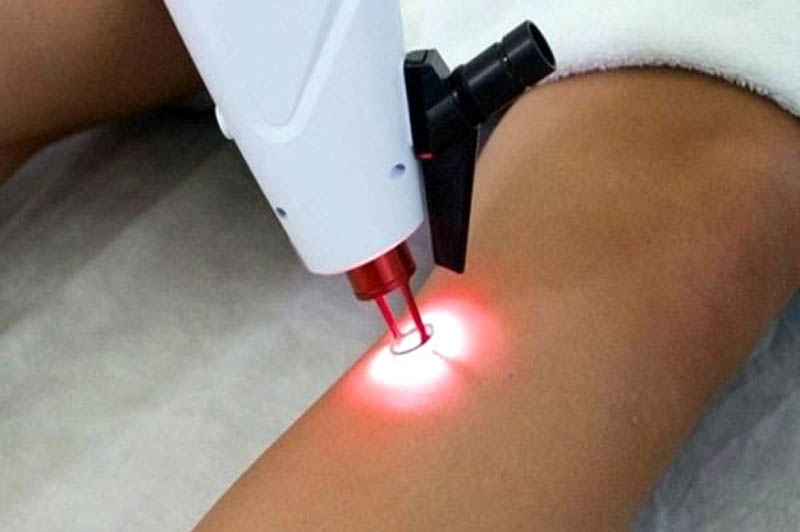
Pulsed Dye Laser (PDL)
Emitting yellow light (585–595 nm), the PDL targets red pigments effectively. It’s best suited for treating dilated or inflamed blood vessels, rosacea, acne scars, psoriasis patches, and for skin rejuvenation.
Skin Care After Laser Procedures
Proper post-procedure care is essential for recovery and long-term results:
-
Avoid direct sunlight and use SPF protection
-
Protect skin from irritants (heat, cold, chemicals)
-
Keep skin well hydrated and drink enough fluids
-
Follow your dermatologist’s recommendations carefully