Introduction
Atopic dermatitis (also known as atopic eczema) is a chronic, relapsing inflammatory skin condition characterized by intense itching, skin dryness, and recurrent flare-ups. It usually begins in infancy or early childhood but can persist into adulthood. Although the condition is not contagious, it can significantly impact daily life by disrupting sleep, work, studies, activities, and emotional well-being.
It is estimated that up to one-fifth of children experience atopic dermatitis at some point during childhood. For some, symptoms gradually diminish with age, but in other cases, the condition may recur throughout life, alternating between periods of remission and flare-ups triggered by various factors.
What is it?
Atopic dermatitis is a condition where impaired skin barrier function and immune system sensitivity cause the skin to become dry, sensitive, prone to redness, and itchy. Itching prompts scratching, which further damages the skin, creating an "itch-scratch" cycle.
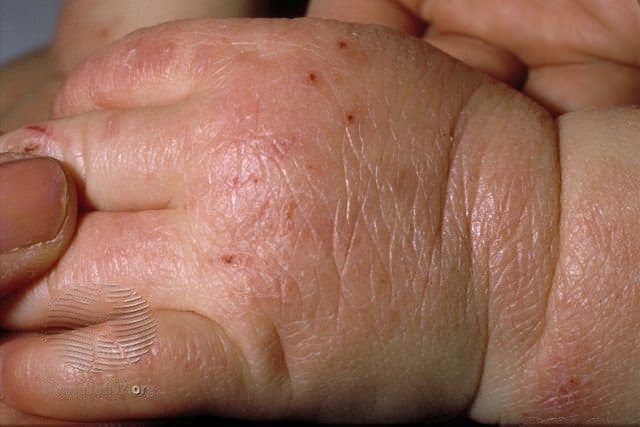
Atopic dermatitis is often associated with other atopic conditions (asthma, allergic rhinitis) and can vary by age: infants more commonly have affected cheeks and outer body surfaces, older children have affected flexural areas of the arms and legs, and adults may have affected face, neck, hands, and upper chest.
Causes and Risk Factors
The origin of atopic dermatitis is multifactorial. The most important roles are played by genetics, environment, and immune system function.
- Genetic predisposition. If there is a family history of atopy (atopic dermatitis, asthma, allergic rhinitis), the risk of developing the condition is higher. Some individuals have genetic variations associated with a deficiency in structural skin proteins, making the barrier more "permeable."
- Environmental factors. Dry air, sudden temperature changes, sweat, rough or woolen clothing, harsh detergents, fragrant cosmetics, dust, dust mites, pet dander, or pollen can trigger or exacerbate flare-ups.
- Microbiome and infections. Damaged skin is more easily colonized by microorganisms, which can promote inflammation and sometimes lead to secondary skin infections.
- Immune system characteristics. A more sensitive immune system perceives common irritants as "threats," leading to more active inflammation in the skin.
- Lifestyle and psycho-emotional causes. Stress, lack of sleep, intense physical activity in heat, improper skin care, frequent contact with irritants at work (e.g., cleaning, hairdressing, food industry) increase the likelihood of flare-ups.
- Diet. Especially in early childhood, certain foods may provoke symptoms in some patients, but targeted and safe dietary restrictions should only be implemented after confirmation by specialists.
Symptoms
The signs and intensity of atopic dermatitis can vary. The most common symptoms include:
- Itching – often most intense at night, disrupting sleep and well-being.
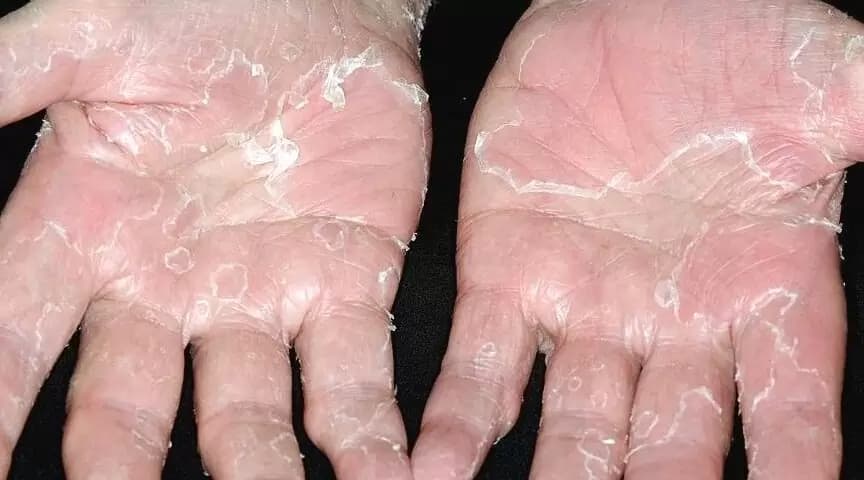
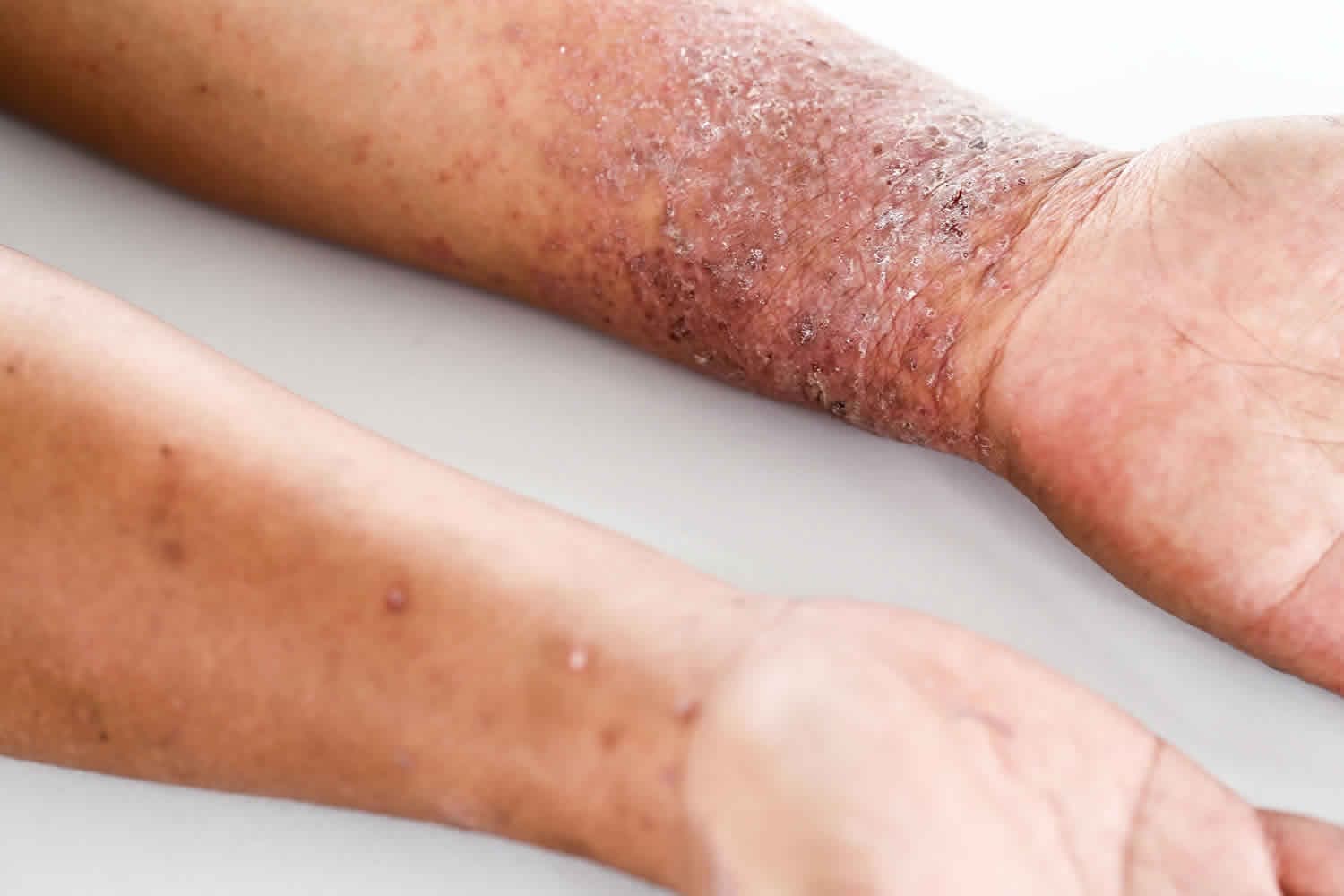
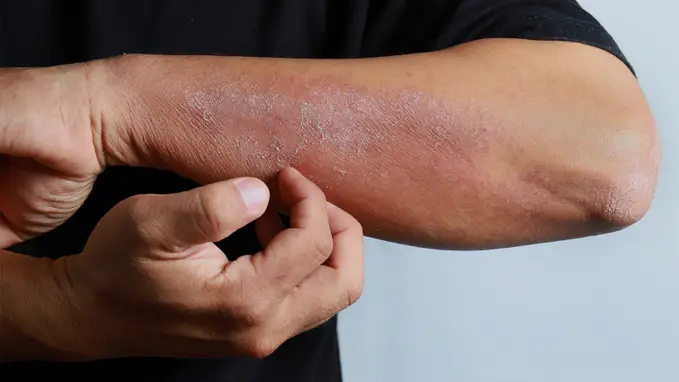
- Dryness and roughness – the skin flakes and may crack.
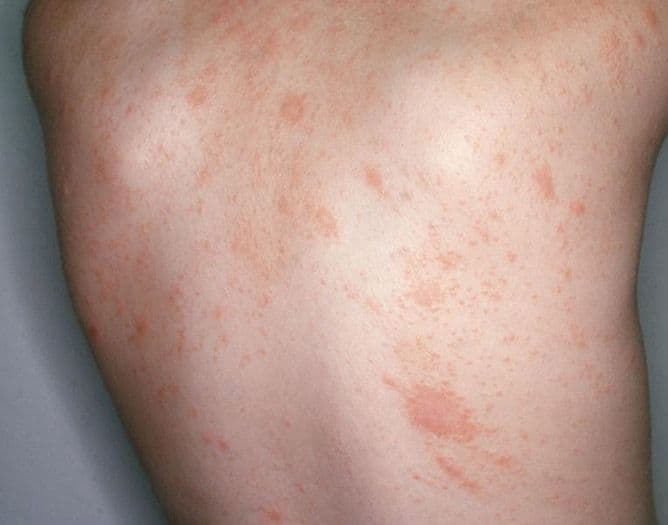
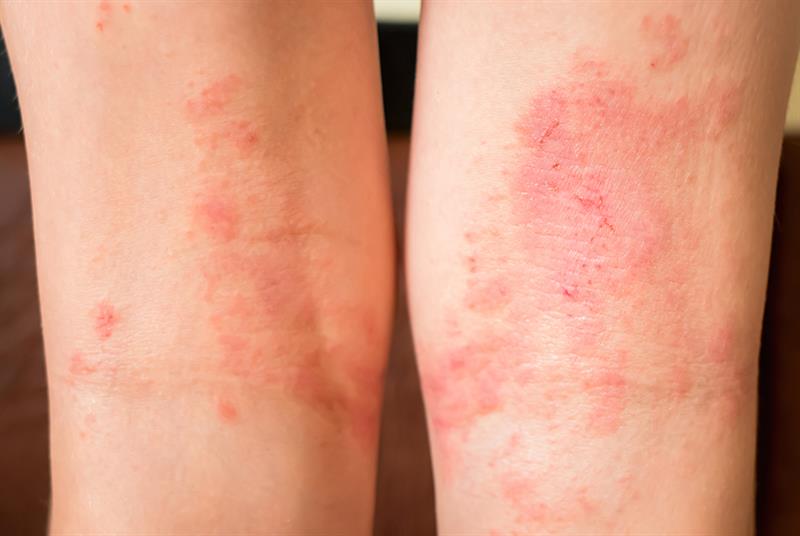
- Redness, rash, irritation – active inflammation sites appear during flare-ups.
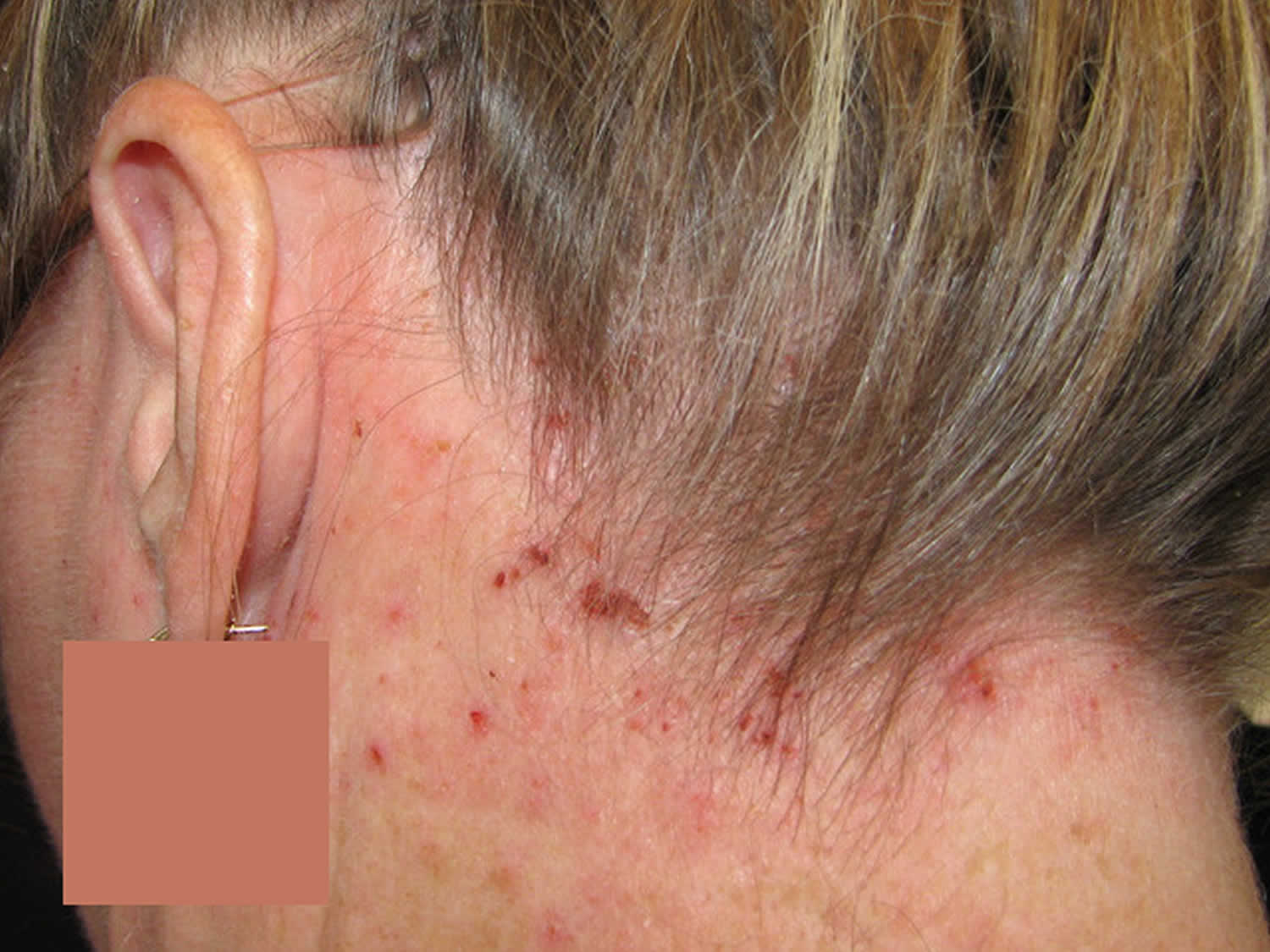
- Oozing, crusting – in cases of more severe flare-ups or when infection is present.
- Skin thickening and more pronounced skin lines (lichenification) – when itching and scratching persist for a long time.
Typical localization depends on age: infants – cheeks, forehead, scalp, trunk; children – elbow bends, knee pits, wrists, ankles; adults – face (especially eyelids), neck, hands, upper chest. Lesions may also occur in other areas.
When to See a Doctor?
Professional consultation is important if:
- Itching is severe, disrupting sleep, concentration, and daily activities.
- The skin appears infected (intense redness, pain, oozing, yellow crusts, unpleasant odor), and fever occurs.
- Rashes spread rapidly or recur immediately after stopping treatment.
- Over-the-counter, usual remedies do not help, or the situation continues to worsen.
- You suspect that specific irritants or foods are provoking flare-ups and need a substantiated plan to verify this.
It is especially important to seek medical advice when rashes appear in infants or very young children, as well as during pregnancy or breastfeeding – a doctor will help select the safest, individually tailored treatments.
Diagnosis
Atopic dermatitis is usually diagnosed based on medical history, symptoms, and skin examination. A specialist evaluates the nature and extent of lesions, the intensity of itching, the frequency of flare-ups, and changes in quality of life. Additional tests, such as allergy tests or identification of contact irritants, may be performed to rule out other conditions (contact dermatitis, seborrheic dermatitis, psoriasis, scabies, etc.).
Patient practice is also valuable – keeping a calendar of flare-up days, new care products, or dietary changes to help trace factors that may provoke symptoms.
Our clinic's dermatologists at iDerma help accurately diagnose, assess the severity of the condition, and develop an individualized care and treatment plan. We offer consultations both in person and remotely, allowing for quick discussion of symptoms and effective adjustment of treatments.
ARTICLE_GIF
Treatment
The management of atopic dermatitis involves a consistent, multi-step plan. The goal is to restore the skin barrier, reduce inflammation, manage itching, and experience fewer flare-ups.
- Daily skin care. Regular moisturizing is essential. Choose fragrance-free, gentle, richer consistency products, and apply them several times a day and always after bathing. Moisturizer should be applied within 3–5 minutes after bathing to "lock in" moisture.
- Gentle washing. Bathe in lukewarm water for 5–10 minutes, use gentle cleansers, and avoid harsh scrubbing. Pat the skin dry gently and immediately apply moisturizer.
- Topical inflammation management. During flare-ups, a doctor may prescribe topical anti-inflammatory treatments – use them precisely as recommended. Later, in certain "problematic" areas, proactive care may be applied – treatments are used less frequently to prolong remissions.
- "Wet wrap" technique. When the skin is extremely dry or very itchy, temporary moisturizing and covering methods can be applied to retain moisture and soothe the skin.
- Itch control. Cooling compresses, frequent moisturizing, nail trimming, cotton gloves for sleeping, breathable clothing, and stress management help reduce scratching. It is important to maintain sleep hygiene – a consistent schedule, a cooler, humidified room.
- Infection prevention. If painful redness, oozing, yellow crusts, or a bad odor are noticed, medical attention is necessary. A doctor will select appropriate local or systemic treatment for infection if needed.
- Phototherapy and other specialist-applied measures. For moderate to severe conditions with frequent flare-ups, light therapy or other methods may be recommended, discussed individually with a dermatologist.
- Adapting work and sports. If symptoms are irritated by frequent hand washing or chemicals, wear protective gloves and use gentle, fragrance-free products. When exercising, choose breathable fabrics, shower after workouts, and immediately moisturize the skin.
If you feel unable to manage symptoms or need a broader treatment plan, iDerma dermatologist consultation in person or online helps quickly clarify the diagnosis, assess the severity of the condition, and develop a safe, personalized treatment and care plan.
Care and Prevention
Daily habits are the greatest allies in experiencing fewer flare-ups:
- Nurturing the skin barrier. Moisturize the skin 1–2 times a day and always after bathing. Apply to "healthy" areas as well – this helps prevent new rashes.
- Avoiding irritants. Choose fragrance-free hygiene and laundry products, use an extra rinse cycle. Avoid wool and rough fabrics, opt for cotton or other soft, breathable fibers.
- Environmental control. Maintain 40–60% humidity in the home, ventilate rooms, and regularly clean dust. Use a humidifier during the cold season.
- Temperature and sweat management. Overheating and sweat can irritate the skin – layer clothing, shower after activity, and moisturize the skin.
- Pool and sun. After swimming in chlorinated water, rinse with fresh water and immediately apply moisturizer. Sun exposure should be moderate, use sun protection suitable for sensitive skin.
- Diet. Unfounded, broad dietary restrictions can be harmful. If you suspect a specific product, discuss it with a doctor – a structured elimination and reintroduction strategy under specialist supervision is valuable.
- Stress reduction and sleep. Regular rest, breathing or relaxation exercises, and supportive attitudes from loved ones help reduce the frequency and intensity of flare-ups.
Frequently Asked Questions
- Is atopic dermatitis contagious?
No. It is a condition determined by internal body characteristics and does not spread through contact. - Do children "outgrow" atopic dermatitis?
For some children, symptoms diminish with age, but for others, the condition recurs into adulthood. Proper care helps control symptoms at any age. - How often should one bathe?
Short, lukewarm water baths are usually recommended daily or every other day, after which a moisturizer is always applied. The most important things are gentle cleansers and "locking" the skin with moisturizer. - Can diet have an impact?
For some people, certain products can provoke flare-ups, especially in childhood. However, arbitrary broad restrictions are not recommended – a safe plan is developed and supervised by a specialist. - Which products moisturize best?
Choose fragrance-free, sensitive skin-friendly, richer-textured products. Apply regularly, not only during flare-ups but also during periods of calm skin. - What to do if itching is severe at night?
Maintain a cooler bedroom temperature, briefly cool itchy areas, apply moisturizer, wear thin cotton gloves, and trim nails. If you still cannot sleep peacefully, consult a dermatologist for additional solutions.
Conclusions
Atopic dermatitis is a chronic but manageable condition. Consistent skin moisturizing, gentle daily care habits, irritant control, and individually tailored treatment help reduce itching, prolong calm periods, and improve quality of life. Monitor your skin, recognize factors that provoke flare-ups, and seek specialist advice if needed – the sooner an appropriate plan is implemented, the better the long-term results.