Atopic Dermatitis in Young Children
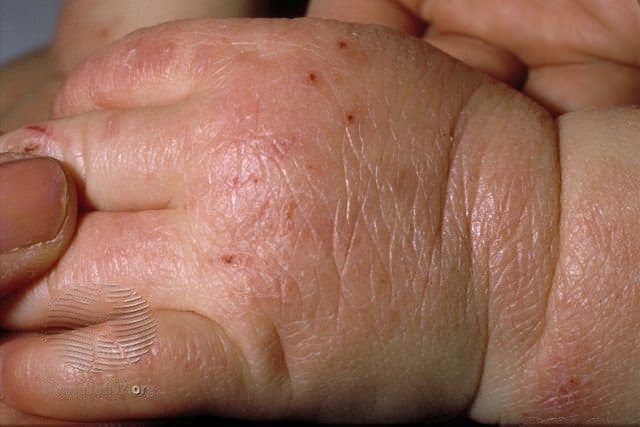
Atopic dermatitis (atopic eczema) is a chronic, recurrent inflammatory skin condition that typically begins in infancy and early childhood. It manifests as dry, sensitive, itchy skin and rashes that can significantly disrupt a child's sleep, feeding, and daily well-being. By recognizing symptoms early and applying appropriate care, most flare-ups can be successfully managed, and many children experience an improvement in their condition as they grow older.
What is it?
Atopic dermatitis is a condition characterized by a disrupted skin barrier and hyperreactivity of the immune system. The protective layer of the skin loses some of its ability to retain moisture and defend against external irritants, resulting in dry, easily irritated, and inflammation-prone skin. These changes lead to intense itching, rashes, skin flaking, and sometimes oozing.
Globally, atopic dermatitis affects 5–20% of children. For some, symptoms diminish or disappear over time, but sensitive skin and a tendency for irritation may persist. The key is to understand your child's skin needs and maintain consistent care.
Causes and Risk Factors
There is no single clear cause – it often involves a combination of genetics, skin barrier characteristics, and environmental factors. Common risk factors include:
- Heredity. If there is a family history of atopy (atopic dermatitis, allergic rhinitis, bronchial asthma), the child's risk is higher.
- Skin barrier characteristics. Naturally drier, thinner skin that retains moisture poorly is more easily irritated and inflamed.
- Environmental allergens. Household dust and dust mites, pollen, animal dander, certain foods, or contact allergens (e.g., metals, fragrances, dyes) can trigger flare-ups in sensitive children.
- Irritants and micro-irritants. Wool and coarse fabrics, synthetic fibers, harsh detergents, scented cleansers, inappropriate skin cleansers, even mist or sand can worsen the condition.
- Climate and environment. Dry indoor air, frequent overheating or sweating, sudden temperature changes, intense heating in winter.
- Infections. Bacteria and viruses more easily multiply on the skin, which can complicate the course and intensify rashes.
- Psycho-emotional stress. Anxiety, lack of sleep, and emotional tension can sometimes trigger flare-ups – a calm routine is important for both the child and parents.
Symptoms
Symptoms of atopic dermatitis can vary according to the child's age and disease activity:
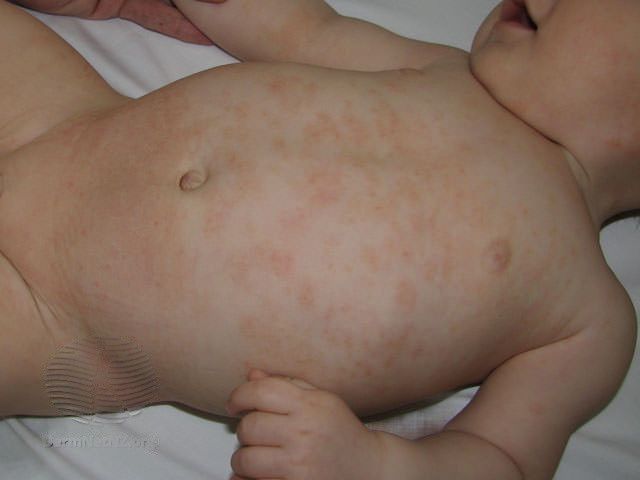
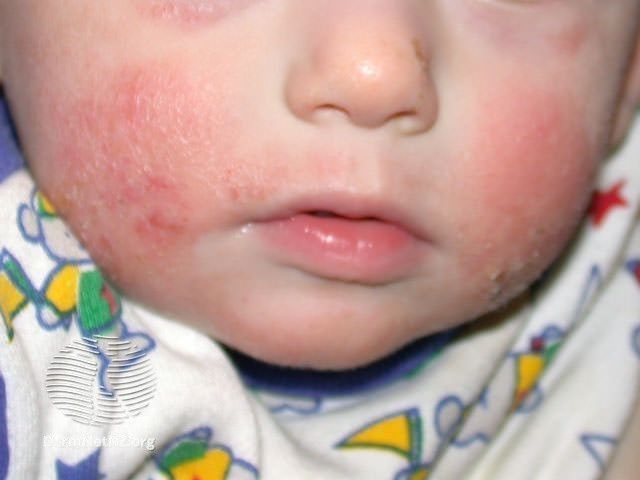
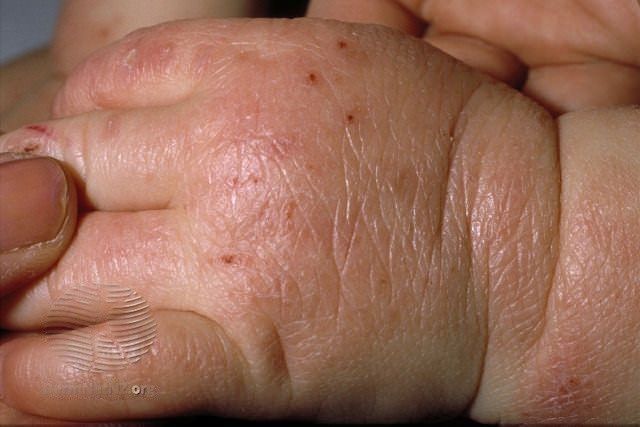
- Infants (from ~3–6 months). Red, rough, sometimes oozing rashes usually appear on the cheeks, forehead, scalp, neck, chest. Rashes may spread to the extensor surfaces of the limbs. Itching disrupts sleep, and the infant may be irritable.
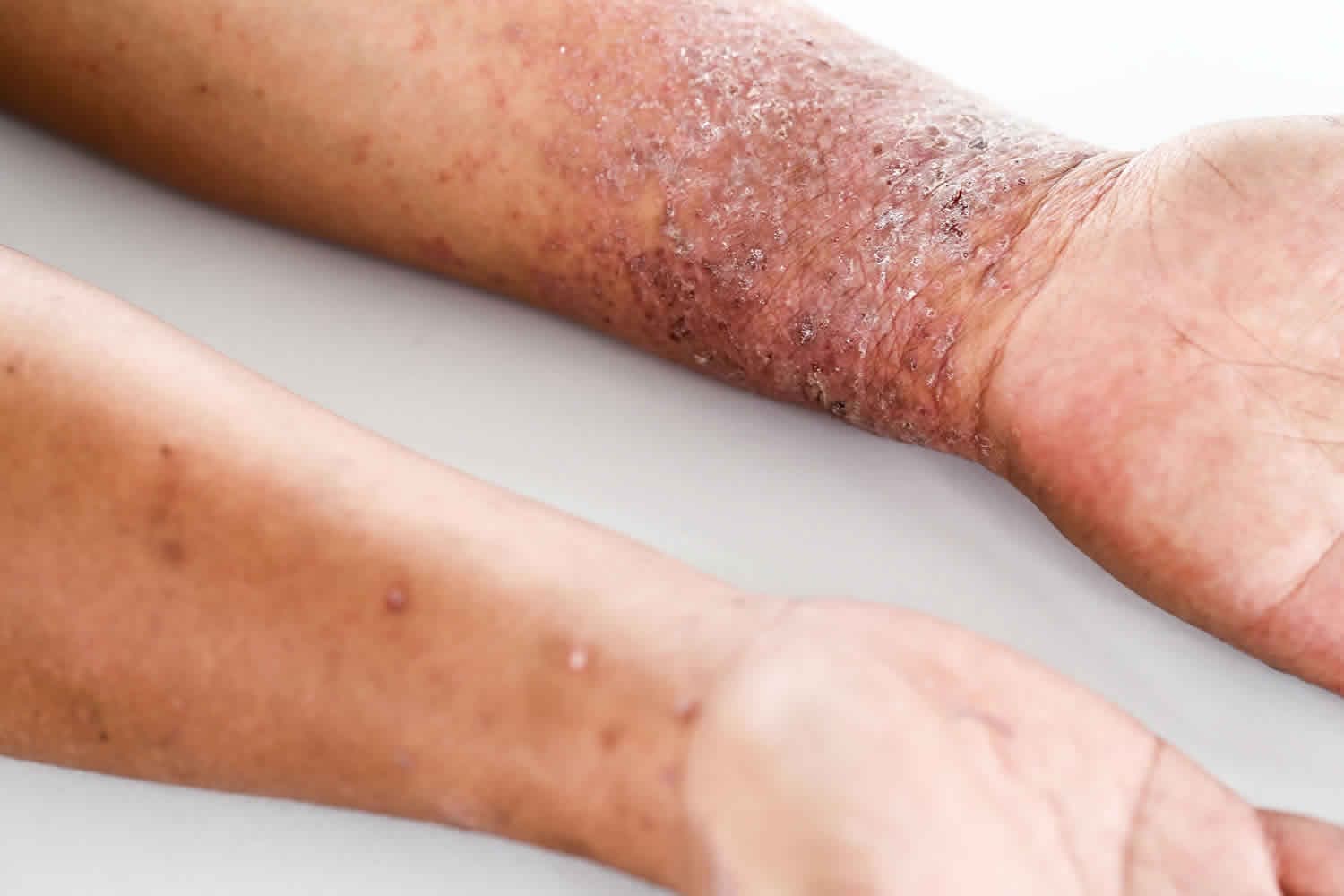
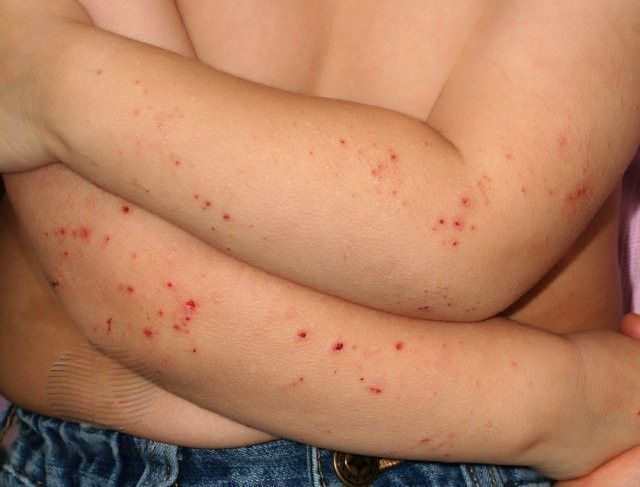
- Young children. Rashes often move to the flexural areas – the inner surfaces of the elbows and the backs of the knees, as well as the wrists and ankles. The skin becomes dry, rough, may crack; scratching causes scabs.
- Flare-ups. The skin becomes bright red, hot, and may ooze. Severe itching leads to scratching, causing skin damage and increasing the risk of infections.
- Chronic course. The skin becomes thickened (lichenification), with a pronounced skin pattern, usually in the flexural areas. There may be flaking, small cracks.
If you notice pustules, yellow crusts, piercing pain, fever, or sudden spread of rashes – these may be signs of infection and require urgent evaluation.
When to See a Doctor?
Consult a doctor if:
- Symptoms (itching, redness, oozing) interfere with sleep, feeding, or play.
- Despite meticulous daily care, rashes recur or spread.
- You suspect an infection (pus, yellow crusts, pain, fever).
- Possible allergens or flare-up triggers are unclear.
- You need help creating a safe, age-appropriate care and treatment plan.
Our clinic's dermatologists help accurately assess skin condition, establish a diagnosis, determine disease severity, and develop an individualized, age-appropriate treatment and care plan. Consultations are available both in-person and remotely online, allowing you to receive help conveniently and quickly.
Diagnosis
Atopic dermatitis is usually diagnosed based on clinical examination and a detailed history (when symptoms began, what provokes them, what helps, how the skin is cared for, family history). Specific laboratory tests are not always necessary.
If needed, the following may be performed:
- Allergy assessment. Skin prick tests or other allergy tests may be considered if there is a clear history of food or environmental allergens. However, routine testing of all children is not recommended – tests are performed purposefully.
- Blood tests. General inflammation or sensitivity markers can help assess the overall situation, but are not always necessary.
- Skin biopsy. Rarely – when there is doubt about the diagnosis or to rule out other skin diseases.
Refining the diagnosis helps avoid unnecessary restrictions (such as unnecessary diets) and select truly effective measures. Our iDerma dermatologists will conduct targeted tests if needed and recommend a clear, practical action plan.
Treatment
Treatment of atopic dermatitis is always individualized and involves several components: daily skin care, management of flare-ups, control of irritants, and prevention of infections. The goal is to restore the skin barrier, reduce itching, frequency, and intensity of flare-ups, and return restful sleep and well-being to the child.
- Daily skin care. Short (5–10 min), lukewarm baths or washes using gentle, sensitive skin-friendly products. The key is to generously apply moisturizers and emollients within 3–5 minutes after bathing to "lock in" moisture. Moisturizing is repeated several times a day, especially in flexural areas and where the skin is driest.
- Reducing irritants. Choose soft, breathable (preferably cotton) clothing, layer to prevent overheating. Use gentle, fragrance-free detergents for washing, with an additional rinse cycle. Avoid direct contact with wool and coarse fabrics on the skin.
- Itch control. Cool compresses, carefully maintained nails (short, rounded), bedtime rituals, and distraction techniques help break the "itch-scratch-inflammation" cycle. For very severe itching, a doctor may prescribe additional measures – self-treatment is not advisable.
- Managing flare-ups. During flare-ups, doctor-prescribed topical anti-inflammatory agents are often needed. They are used exactly as directed – in the appropriate body area, for the right duration and frequency, and once the skin calms, maintenance care is resumed. Proactive treatment (rare, preventive application to areas prone to recurrence) can reduce the number of relapses.
- Wet-wrap technique. May be recommended for short courses during flare-ups – it helps intensely moisturize the skin, reduce itching and inflammation. Performed according to specialist instructions.
- Infection control. If bacterial or viral infection is present, treatment is medically adjusted to reduce inflammation and pain and restore skin integrity.
- Phototherapy. For older children, with frequent flare-ups or insufficient response to standard measures, light therapy may be considered – a supervised and dosed procedure performed in a medical facility.
- Managing severe cases. When the disease significantly disrupts quality of life and local measures are insufficient, a specialist may consider advanced treatment methods. Such decisions are always made individually, assessing risks and benefits.
Consultation with a dermatologist in-person or online helps quickly refine the diagnosis, create a safe, child-tailored treatment and care plan, and provide practical advice for the home environment.
ARTICLE_GIF
Care and Prevention
Consistency is key. Even when the skin appears "good," it remains more sensitive, so daily care and prevention are essential.
- Moisturize the skin daily. Apply emollients in the morning and evening, and as needed during the day. Pay special attention to flexures, hands, and areas that dry quickly.
- Sensible bathing. Avoid hot water and long baths. Choose gentle, sensitive skin-friendly hygiene products without strong fragrances.
- Clothing and microclimate. Cotton, loose-fitting clothes, layering to prevent overheating. Maintain a comfortable temperature indoors and consider humidifying the air if it's dry.
- Nails and sleep. Regularly trim nails, and at night, if needed, use thin cotton gloves (especially for infants) to reduce scratching damage. Create soothing bedtime rituals.
- Sensible diet. Strict elimination diets are not recommended without clear indications and medical evaluation. If you suspect a connection with a specific food, consult a specialist for targeted testing to avoid unnecessary restrictions.
- Avoid irritants. Avoid direct contact with wool, scented detergents, and harsh cleaners. For outdoor play, choose soft, non-irritating materials.
- Monitor the "flare-up map." Record what triggers flare-ups for your child (season, temperature, sweating, certain clothing, dust) and adjust the routine accordingly.
Frequently Asked Questions
- Is atopic dermatitis contagious? No. It is a non-contagious skin condition related to skin barrier characteristics and individual immune system "reactivity."
- Will my child "outgrow" this condition? For some children, symptoms diminish or disappear during adolescence. However, more sensitive skin may persist, so basic care is important for longer.
- Should specific foods be avoided? Only if there is a clear connection (e.g., recurrent flare-ups after a specific product). Blindly restricting diet is not advisable – it can harm the child's nutritional balance. Always consult a doctor about diet.
- How often should a child with eczema be bathed? Short, lukewarm daily or every other day baths with gentle products and mandatory skin moisturizing immediately after are usually recommended.
- What to do if the child keeps scratching at night? Maintain a consistent evening routine, moisturize the skin before bed, keep the bedroom temperature cooler, trim nails. If it doesn't help – consult a dermatologist for additional measures.
- Can vaccinations be given with atopic dermatitis? In most cases – yes, as it is a non-contagious condition, but during flare-ups or other conditions, always consult the child's doctor.
Conclusions
Atopic dermatitis is a common skin condition in young children that can be successfully managed by understanding its nature and applying daily, consistent care. Regular skin moisturizing, control of irritants, appropriate clothing, and sleep hygiene, and, if necessary, doctor-prescribed measures help alleviate symptoms and reduce the frequency of flare-ups. If in doubt, especially with severe itching or suspected infection, do not hesitate to consult a dermatologist – this quickly achieves a safe and effective result and returns a calm daily life to the child.