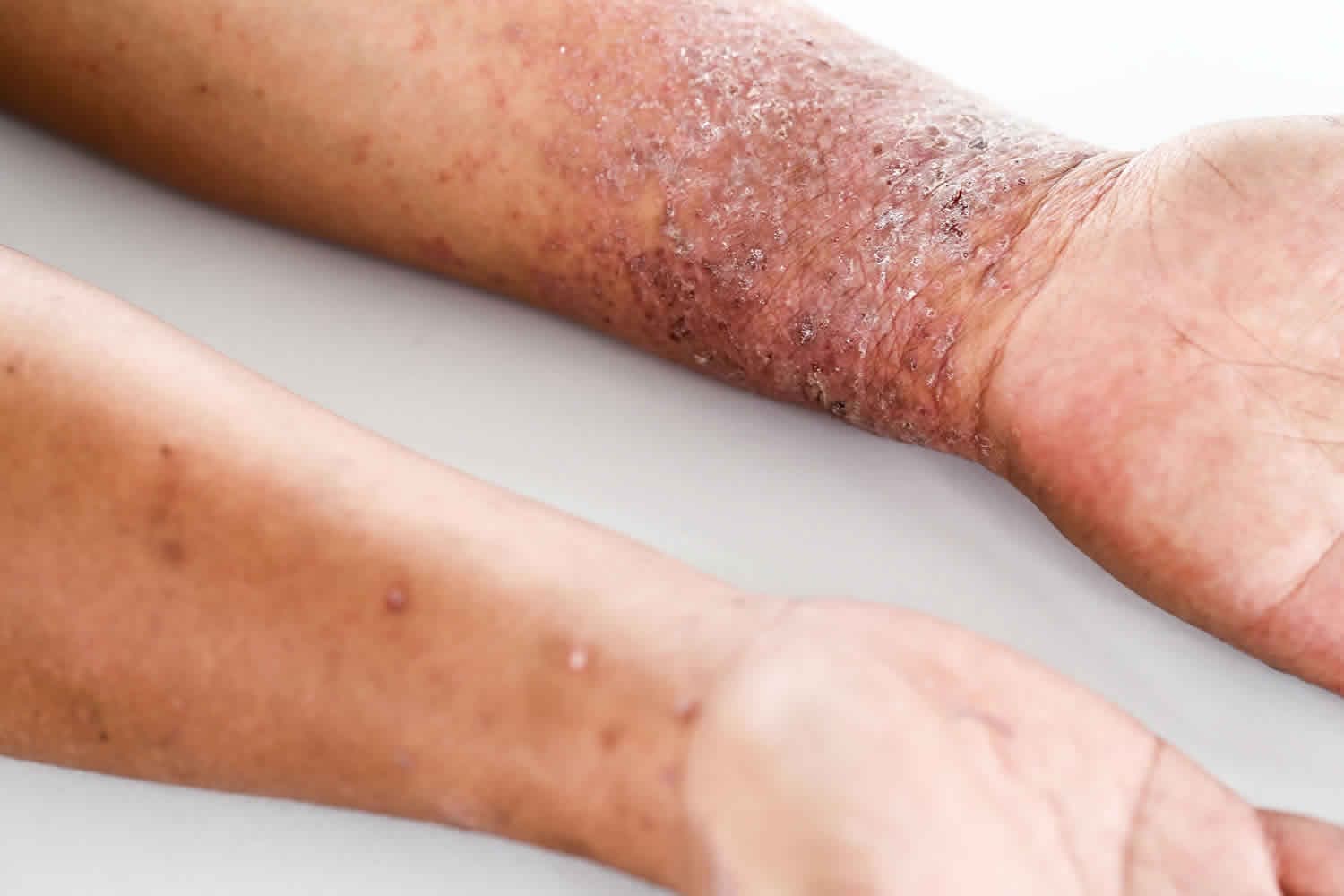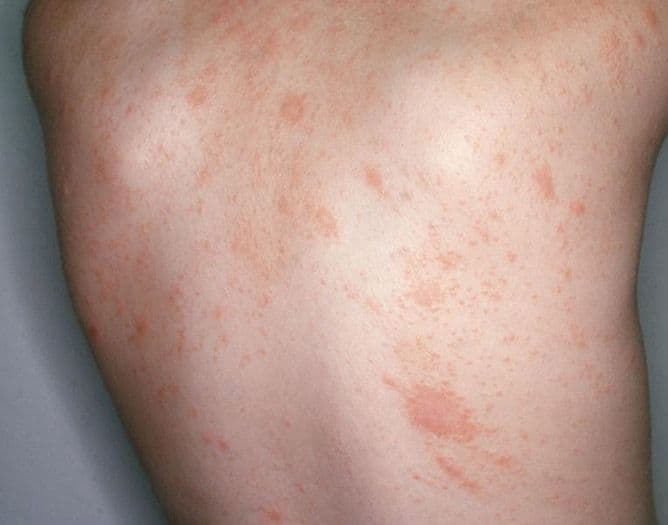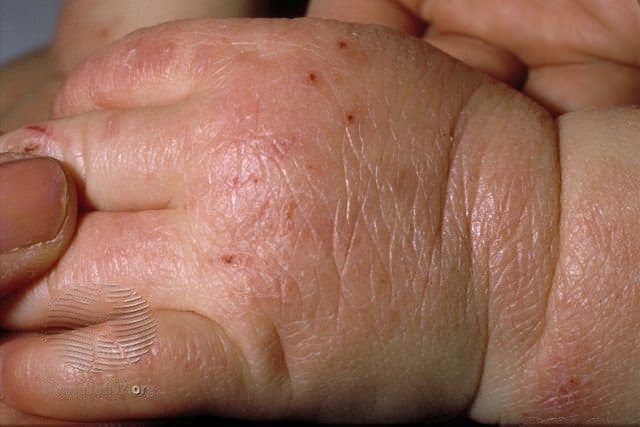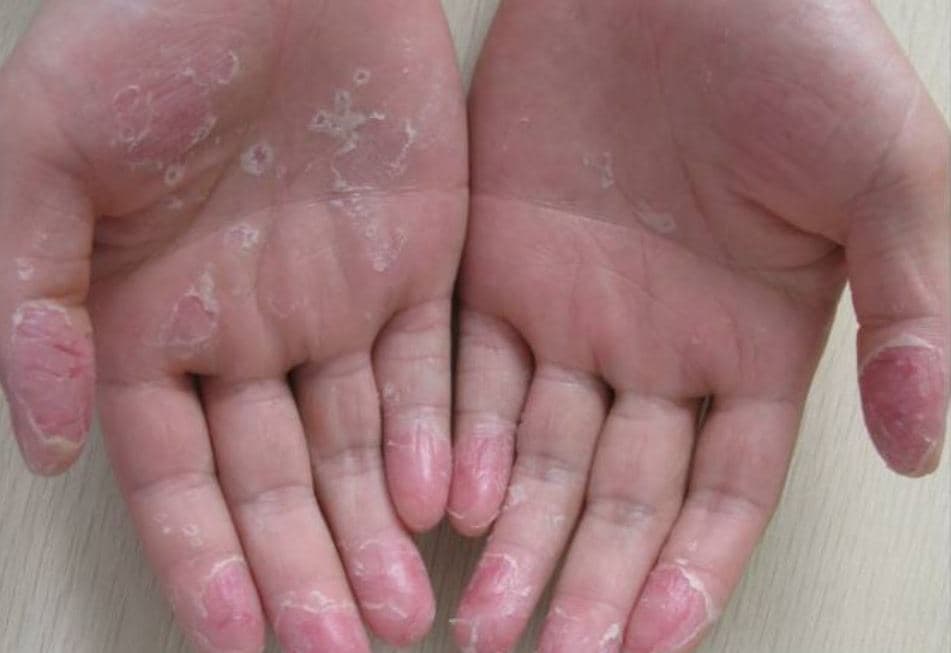
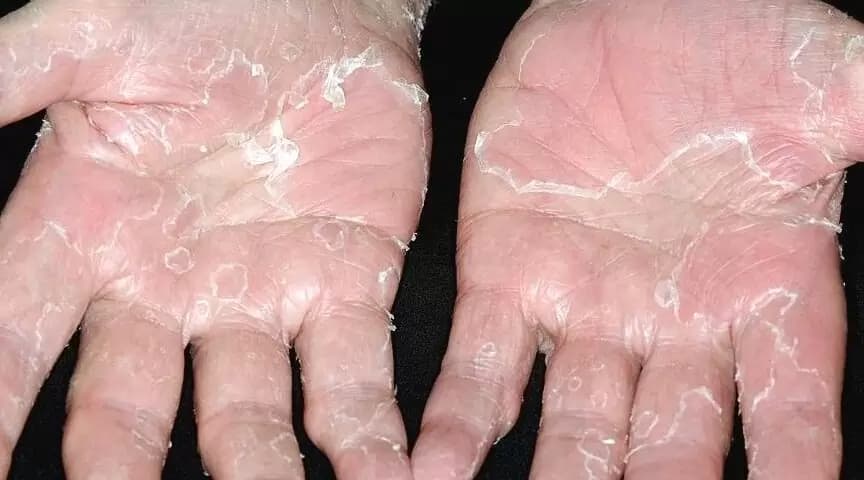
Peeling Skin Syndrome (PSS) is a rare genetic disorder characterized by continuous or recurrent skin peeling. Although not life-threatening in most cases, it can cause considerable discomfort and impact the quality of life.
What is Peeling Skin Syndrome?
Peeling Skin Syndrome is a non-contagious inherited condition that:
-
Usually appears at birth or within the first year of life
-
Persists throughout a person’s lifetime
-
Is extremely rare, with only a few dozen cases reported worldwide
-
Affects both males and females equally
-
Is caused by gene mutations that disrupt the normal skin cell formation and shedding process
Symptoms and Signs
The severity of symptoms can vary between individuals, but the most common features include:
-
Persistent skin peeling and flaking, especially after bathing
-
Painless peeling, usually without itching or burning
-
Very dry skin
-
Thickened or hardened skin resembling fish scales
-
Possible redness or mild inflammation in affected areas
Triggers that can worsen symptoms:
-
Sunburn
-
Heavy sweating
-
Friction or mechanical irritation
-
Hot water or frequent bathing
-
Certain soaps or skincare products
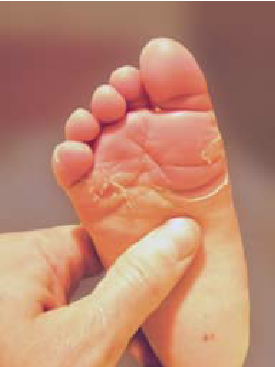
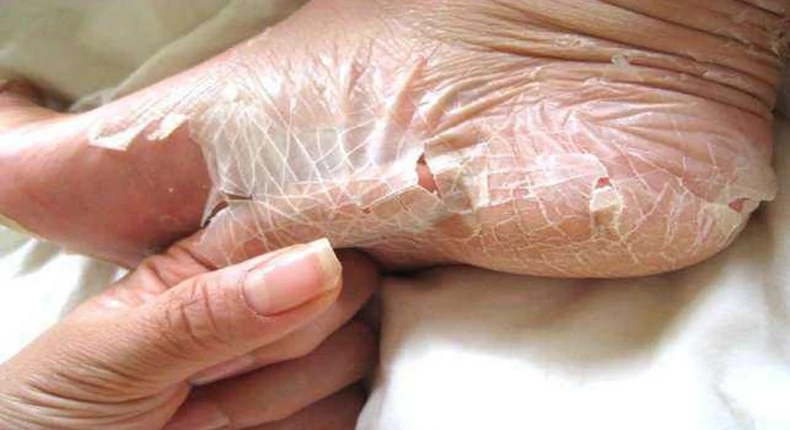
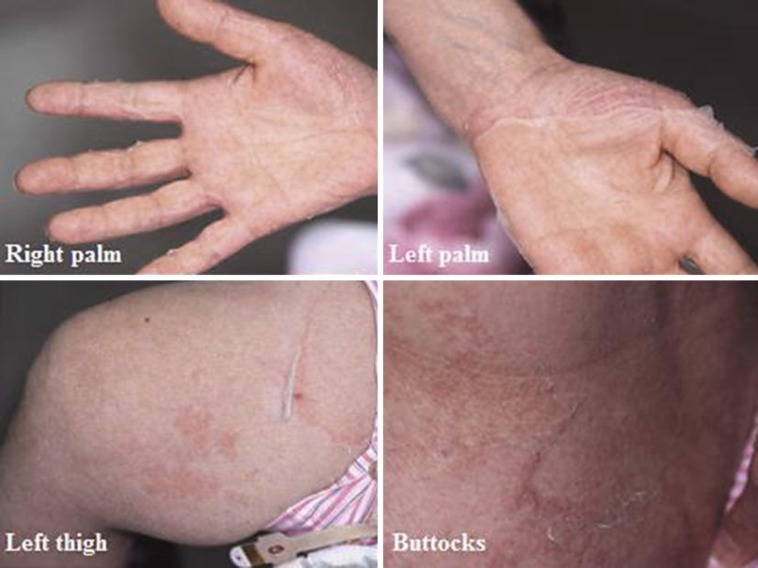
Types of Peeling Skin Syndrome
Localized form:
-
Affects mainly the hands and feet
-
Tends to be milder and more manageable
-
Some individuals may go undiagnosed due to mild symptoms
Generalized (widespread) form:
-
Skin changes cover large areas of the body
-
Can appear shortly after birth
-
May be accompanied by:
-
Immune system deficiencies
-
Metabolic abnormalities
-
Increased risk of infections
-
Other Associated Features
-
Short stature or delayed growth
-
Delayed or disrupted puberty
-
Thin hair roots or hair thinning
-
Sensitivity to heat
When to See a Doctor
Consult a dermatologist if you notice:
-
Ongoing unexplained skin peeling that doesn’t improve with moisturizers
-
Peeling that started in early childhood and persists
-
Family history of similar skin issues
-
Widespread or intense peeling
-
Peeling accompanied by other health symptoms
Diagnosis
Diagnosing PSS can be challenging due to its rarity.
Key diagnostic steps include:
-
Comprehensive patient history and physical examination
-
Skin biopsy – a small skin sample is analyzed under a microscope
-
Genetic testing to identify specific gene mutations
-
Blood tests to assess overall health and immune function
-
Urine tests to rule out other metabolic conditions
It’s essential to differentiate PSS from other skin disorders, such as:
-
Atopic dermatitis
-
Contact dermatitis
-
Psoriasis
-
Types of ichthyosis
-
Fungal skin infections
Treatment and Management
While there is currently no cure for Peeling Skin Syndrome, symptom management is key to improving comfort and skin function.
Key care strategies include:
Skin hydration:
-
Use of rich, moisturizing creams or lotions 3–4 times a day
-
Emollients that restore the skin barrier
-
Apply products immediately after bathing, while skin is still damp
Gentle skincare routine:
-
Avoid hot baths or showers – use lukewarm water
-
Limit bath time
-
Use mild, fragrance-free cleansers or hypoallergenic products
-
Pat skin dry gently with a towel – avoid rubbing
Skin protection:
-
Use broad-spectrum SPF sunscreen outdoors
-
Avoid friction and tight clothing
-
Choose soft, breathable clothing
-
Maintain a cool environment to reduce sweating
Medical care and supportive therapy:
-
Use of topical treatments to improve skin texture and reduce flaking
-
Barrier-supportive creams
-
Anti-inflammatory products for redness or irritation
-
Antihistamines may be suggested for itching
-
Appropriate care during secondary skin infections
Additional support:
-
Genetic counseling for families
-
Psychological support, especially for adolescents
-
Ongoing medical monitoring in severe cases
Living with Peeling Skin Syndrome
Everyday care tips:
-
Clothing: Choose natural, breathable fabrics like cotton or linen; avoid synthetics
-
Environment: Maintain optimal indoor humidity (40–60%)
-
Nutrition: Stay hydrated; eat foods rich in omega-3 fatty acids
-
Exercise: Choose activities that minimize skin friction
-
Monitoring: Schedule regular check-ups with a dermatologist
Prognosis
Outlook depends on the type and severity:
-
Localized form: Generally good, with proper skincare
-
Generalized form: Requires more intensive care, especially in infancy
-
Symptoms may stabilize or slightly improve with age
Frequently Asked Questions (FAQ)
Is Peeling Skin Syndrome contagious?
No, it is a genetic condition and cannot be spread from person to person.
Can the condition be inherited?
Yes, it is inherited in an autosomal recessive pattern – both parents must be carriers of the gene mutation.
Will it go away over time?
The condition is chronic and lifelong, but symptoms can be effectively managed with proper care.
Is a special diet required?
No strict diet is needed, but a balanced, hydrating diet with healthy fats can help support skin health.
Conclusion
Peeling Skin Syndrome is a rare but manageable condition. While there is no definitive cure, consistent skincare, medical supervision, and early diagnosis can significantly improve life quality. If you or your child shows persistent peeling skin symptoms, don’t hesitate to consult a dermatologist for a personalized care plan.