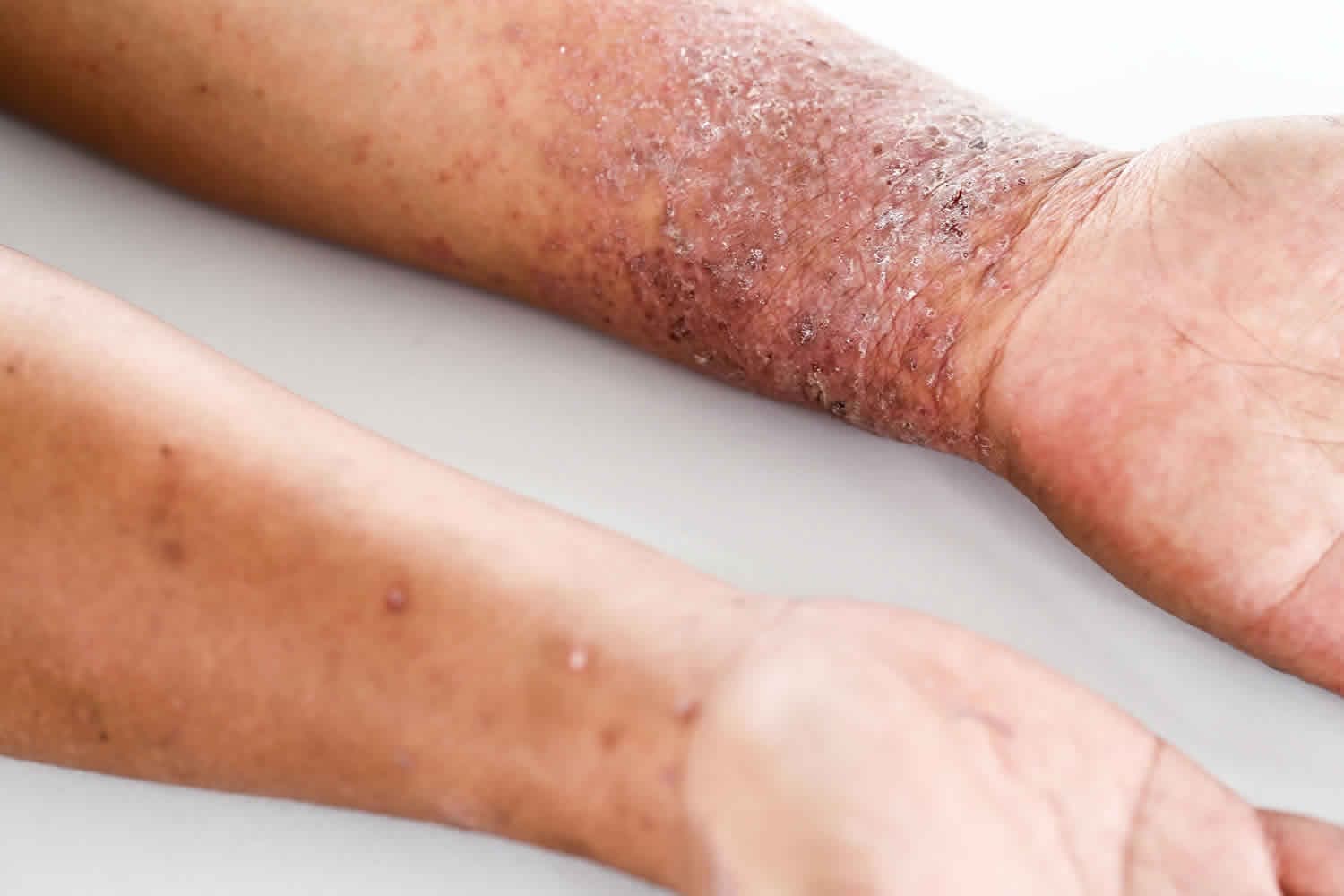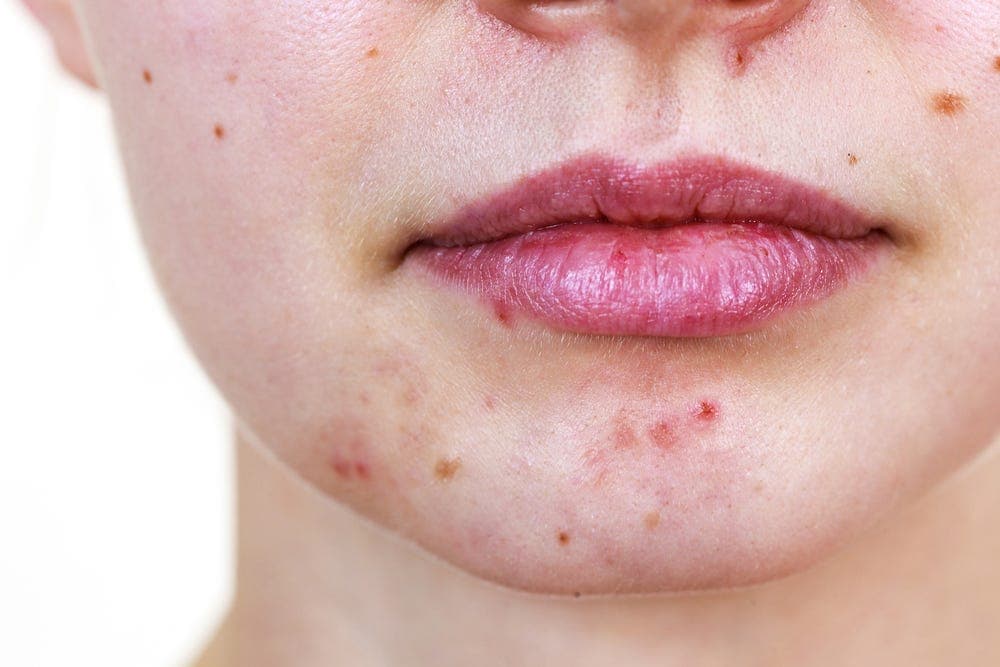
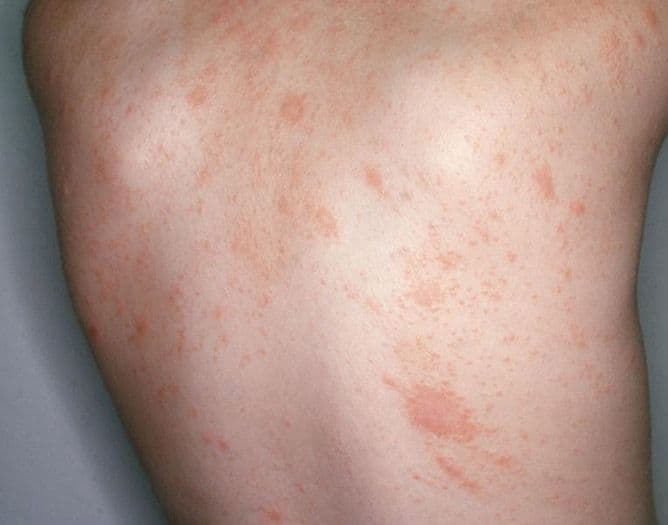
Pityriasis rosea is an acute, self-limiting skin condition that typically manifests as itchy, scaly rashes on the chest, trunk, and arms. The condition is not dangerous to health and is not contagious.
It most commonly affects children and young adults between 10 and 35 years of age, slightly more frequently in women. Although the condition usually resolves on its own in most cases, it's important to recognize the symptoms and properly care for the skin to avoid discomfort.
What Causes Pityriasis Rosea?
The exact cause of this skin condition often remains unknown, but possible factors include:
- Recent viral respiratory infections
- Reactivation of human herpesvirus type 7 (HHV-7)
- Weakened immune system
- Stress, seasonal factors
Symptoms
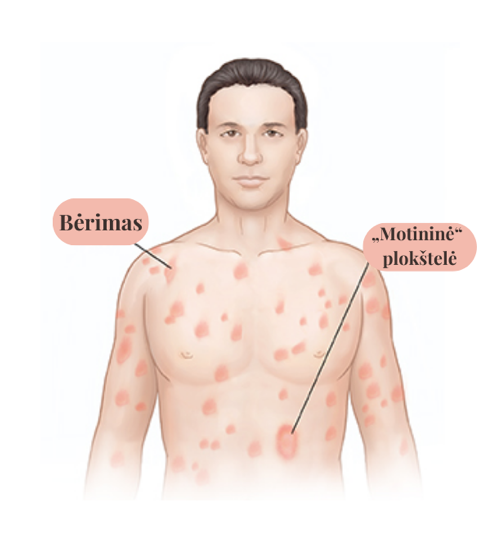
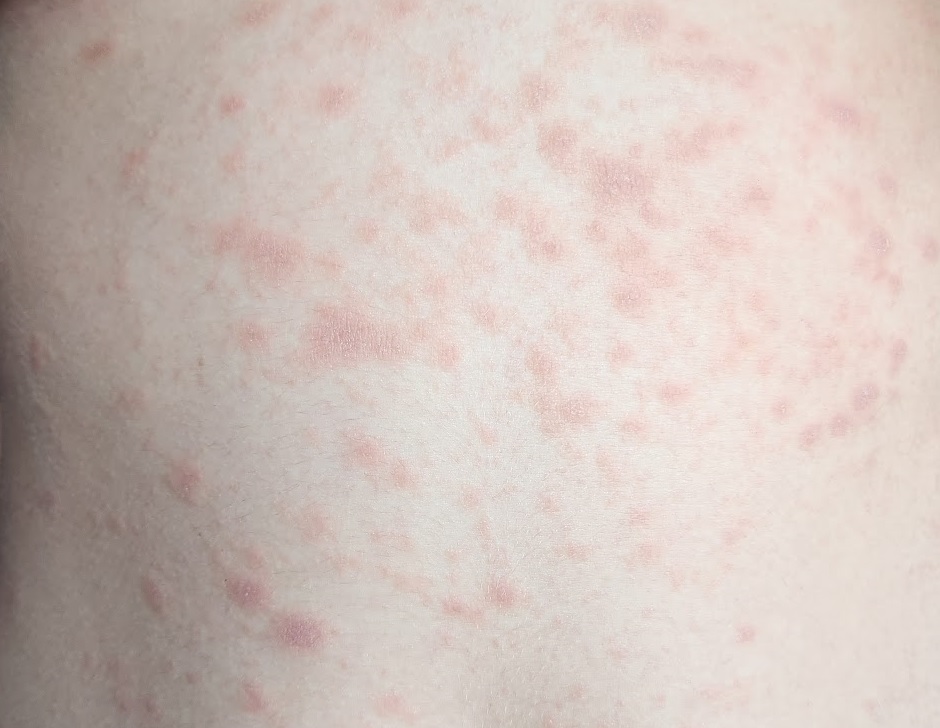
- The first sign is typically the so-called "herald patch" – a 2–5 cm diameter oval, pinkish or orange, scaly rash on the chest, neck, or back area.
- After several days or weeks, multiple small rashes appear, distributed along skin lines (in a "Christmas tree" pattern).
- Scaling is central, with thin, white scales (resembling cigarette paper).
- Itching is usually mild, but can be intense for some people.
- The face is usually unaffected, especially in adults.
- In children, rashes may appear in atypical locations: scalp, face, armpits, or groin.
- More severe course is possible in people with dry skin or atopic dermatitis.
When to See a Doctor?
- If the rashes are atypical or spreading
- If itching is very severe
- If there are suspicions of other skin conditions (e.g., fungal infections)
Diagnosis
- Diagnosis is usually made based on clinical appearance and medical history.
- In cases of uncertainty, a skin test for fungus may be performed.
- Blood tests are usually not necessary.
Treatment Options
- The condition usually resolves on its own within 4–8 weeks.
- Recommended:
- Gentle skin care, emollients 2–3 times daily
- Avoid irritating factors: hot showers, sweating, scrubs, fragrant soaps
- For more severe itching:
- Topical soothing ointments are prescribed
- Phototherapy (UVB rays) may be helpful
- In rare, more severe cases:
- Treatment with oral medications or antiviral therapy
Care and Prevention
- Use moisturizing creams and lotions
- Choose skin-friendly cosmetics
- Avoid skin irritants: wool clothing, synthetic fabrics
- Strengthen immunity – healthy diet, adequate rest
Frequently Asked Questions (FAQ)
Is pityriasis rosea contagious? No, it is a non-contagious condition.
How long does pityriasis rosea last? On average 4–8 weeks, in rare cases – longer.
Can it leave scars? Usually not. The rashes disappear without scars, but it's important not to rub or scratch them.
Does pityriasis rosea need to be treated with antibiotics? No, this is a viral condition – antibiotics are not necessary.
Conclusion
Pityriasis rosea is a common but mild skin condition that resolves on its own. Proper skin care and discomfort management help to better endure the course of the disease. If there are atypical symptoms or doubts – it's worth consulting with a dermatologist.