Shingles
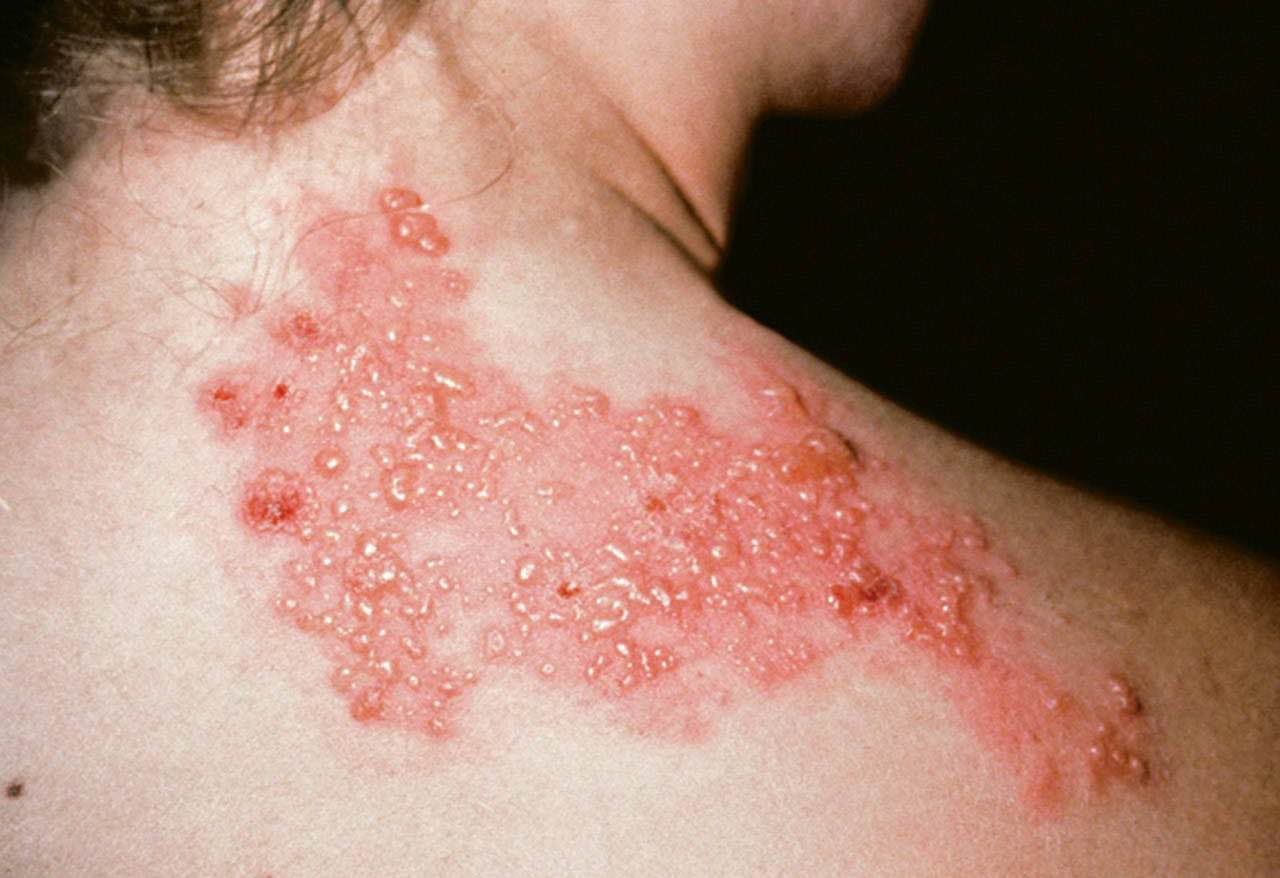
Shingles (Latin: Herpes zoster, English: shingles) is an infection related to the Varicella zoster virus, characterized by a painful, blistering rash along the path of one or more nerves. The disease usually begins on one side of the body – in the trunk, chest, back, face, or neck area – and is accompanied by burning pain, tingling, and sensitivity to touch. Although shingles often resolves on its own within a few weeks, it can cause long-term complications for some people, so it is important to recognize the symptoms early and seek help.
This condition is not just a "rash" – it is an inflammation of the nerve roots, which explains the intense, often worsening pain. Timely treatment helps alleviate symptoms, shorten the duration of the disease, and reduce the risk of postherpetic neuralgia – long-lasting nerve pain.
What is it?
Shingles is a secondary form of Varicella zoster virus infection. The first infection is chickenpox. After having chickenpox, the virus "hides" in the nerve ganglia and can remain dormant for many years. When immunity weakens or due to other factors, the virus reactivates, migrates along the nerve to the skin, and causes a typical blistering rash with burning pain.
Unlike common lip or genital herpes, shingles usually affects one dermatome (the skin area innervated by a specific nerve root), so the rash and pain are usually unilateral and arranged in a "belt" pattern.
Causes and Risk Factors
Factors that may trigger the reactivation of the virus include:
- Age: individuals over 50 are more frequently affected; the risk increases with each decade.
- Weakened immune system: chronic diseases, cancer, post-transplant period, autoimmune disorders, prolonged stress, lack of sleep, or significant fatigue.
- Immunosuppressive factors: conditions or treatments that weaken the body's response to infections.
- HIV infection: due to immune system damage, shingles occurs more frequently and can be more severe.
- Contact with the virus: direct contact with fresh blisters can transmit the virus to a person without immunity; in such cases, they usually develop chickenpox, not shingles.
Shingles is not a result of poor personal hygiene or "catching a cold" – it is an interaction between immunity and a previously encountered virus.
Symptoms
Symptoms develop in stages and can vary:
- Prodromal period: 1–5 days before the rash, burning, tingling, sensitivity, or pain occurs in a specific skin area; fatigue, fever, headache, muscle aches, and increased skin sensitivity may occur.
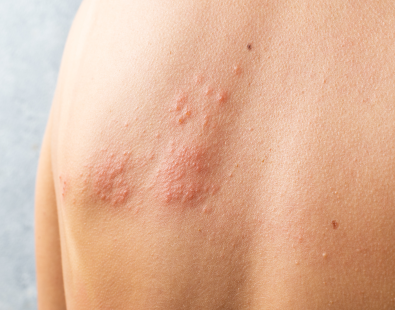
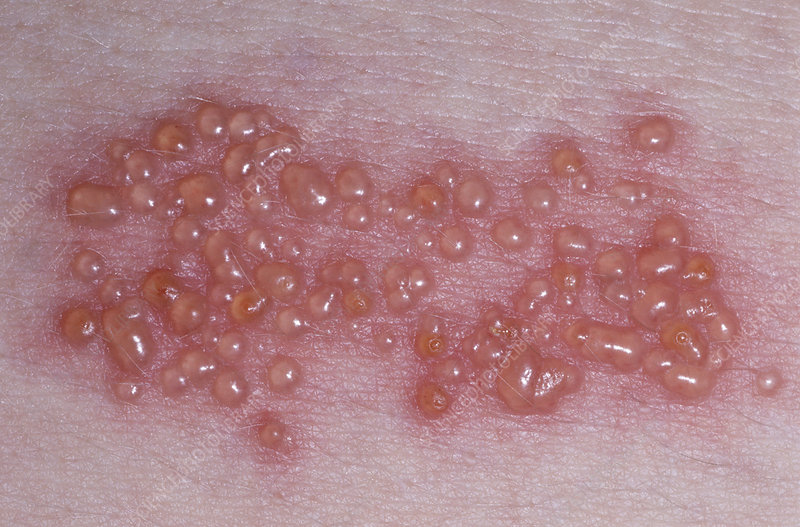
- Rash: pink spots and papules appear, quickly turning into blisters with clear fluid. The blisters group together and form a band along the path of a nerve, usually on one side of the body. Over time, the blisters dry and form scabs.
- Pain: ranging from aching to intensely burning or stabbing; often worsens at night, when touching the skin, or wearing tight clothing.
- Other signs: itching, skin tightness, sometimes swelling. Severe cases may lead to blister rupture or secondary bacterial infection.
Affected areas:
- Chest and trunk area – the most common location.
- Face and eyes: if the trigeminal nerve branch is affected (especially the eye area), there is a risk of eye damage – urgent medical consultation is necessary.
- Ears and facial nerve: in rare cases, facial muscle weakness, hearing, or balance disorders may occur.
Complications: the most common is postherpetic neuralgia, where pain in the skin and beneath it persists for months or even longer after the rash disappears. Scarring, pigmentation changes, secondary bacterial infection, eye damage (vision impairment), and, in rare cases, nervous system complications are also possible.
When to See a Doctor?
Do not delay and seek help if:
- you experience sudden burning pain or see a blister-defined rash in a band pattern;
- the rash is on the face, eyes, or ear area, or is spreading;
- you have conditions that weaken immunity (chronic diseases, cancer therapy, etc.);
- you are pregnant or nursing a newborn;
- you have a fever, feel severe weakness, or the rash area is heavily pus-filled.
Early diagnosis and treatment (preferably within the first 72 hours of rash or pain onset) can reduce the intensity of symptoms and the risk of complications. Our clinic's dermatologists will help accurately diagnose, assess severity, and select an individual treatment and care plan. Consultations are available both in-person and remotely.
Diagnosis
Shingles is usually recognized by its characteristic symptoms and clinical presentation – a unilateral painful blistering rash in a dermatome. Laboratory tests are used if the signs are atypical, the rash is unclear, or it is important to precisely confirm the cause (e.g., face or eye area involvement, immunosuppression).
- Polymerase chain reaction (PCR) from blister content – the most sensitive and rapid method.
- Direct immunofluorescence – detection of the virus antigen from a sample of the affected area.
- Virological tests – virus cultivation in cell culture (useful in rare cases).
- Serological tests – detection of specific antibodies; more informative retrospectively or for differential diagnosis.
If necessary, overall health status and comorbidities are also assessed, and general blood or other additional tests are performed. Dermatologist consultation in-person or online helps quickly clarify the diagnosis and prepare a safe, effective treatment plan, especially when the rash is atypical or localized on the face.
ARTICLE_GIF
Treatment
The goals of treatment are to relieve pain, shorten the duration of the rash, help the skin heal faster, and reduce the risk of complications, especially postherpetic neuralgia.
- Antiviral treatment: provides the greatest benefit when started within the first 72 hours of symptom onset, but is also applied later if the rash is still forming, is in the face or eye area, or the patient is in a risk group. Specific prescription medications and doses are selected by the doctor.
- Pain management: local or systemic analgesia methods, neuromodulatory measures for nerve pain, physiotherapy, or other supportive techniques – selected individually. Poorly controlled pain not only worsens well-being but also increases the likelihood of postherpetic neuralgia.
- Skin care: gentle cleansers, cool (not cold) compresses, emollients, protective non-sterile dressings on blisters to reduce friction and infection risk. Avoid blister puncturing and intense rubbing.
- Prevention of secondary infection: keep affected areas clean and dry, do not scratch or pick at the rash, change dressings more frequently.
- Rest and general strengthening: adequate sleep, fluid intake, balanced nutrition, and stress reduction help the immune system more effectively manage the infection.
If the rash or pain involves the eye area, urgent specialist examination is required – eye damage can threaten vision. In cases of pregnancy or significant immunosuppression, the treatment plan is tailored individually, often under the supervision of multiple specialists. iDerma dermatologists will assess the complexity of the situation and develop a safe, personalized treatment and monitoring plan for you.
Care and Prevention
By following a few simple rules, you can speed up healing and reduce the risk of virus transmission to others:
- Hygiene and skin protection: keep the rash covered, dry, and clean; wear loose, breathable clothing.
- Limit contacts: until the blisters are crusted over, avoid close contact with pregnant women, newborns, people without immunity to chickenpox, and individuals with weakened immunity.
- Fluids and nutrition: drink plenty of fluids, choose a balanced, easily digestible diet.
- Stress management: light physical activity, breathing exercises, regular sleep help the immune system's response.
- Avoid trauma: do not burst blisters, do not pick scabs, do not use irritating cosmetics on affected skin.
Vaccination against shingles reduces the risk of the disease and the likelihood of postherpetic neuralgia and usually mitigates the course of the disease if it does occur. Vaccination is recommended for individuals over 50 years old and may also be considered for younger individuals at higher risk. Consult with your doctor for the most suitable vaccination plan for you. If symptoms do not resolve or worsen, or if there are doubts about the diagnosis, we invite you to contact iDerma specialists – we offer consultations both in-person and remotely.
Frequently Asked Questions
- Is shingles contagious? Direct contact with the content of fresh blisters can infect a person who has not had chickenpox or has not been vaccinated – they usually develop chickenpox. Until the blisters are dry and crusted over, keep the rash covered and avoid contact with vulnerable individuals.
- How long does the disease last? The rash usually dries within 7–10 days and completely heals within 2–4 weeks. Pain may last longer, especially in older age.
- When can I return to work? When the rash is covered and the blisters are crusted over, and you feel better. If the job requires close contact with vulnerable individuals (pregnant women, newborns, immunosuppressed), consult with your doctor before returning.
- Can shingles recur? Yes, although it usually occurs only once. The likelihood of recurrence is higher if immunity is weakened. Vaccination reduces the risk of recurrence.
- Are tests always necessary? In typical cases – no. Tests are performed if the rash is atypical, involves the face/eyes, is severe, or if laboratory confirmation is important to you.
- How can I reduce the risk of postherpetic neuralgia? Timely treatment, proper pain management, and skin care reduce the likelihood of long-term pain; vaccination is recommended for those over 50 years old.
Conclusions
Shingles is a viral infection affecting the nerves and skin, which can cause significant pain and discomfort. Although it usually resolves within a few weeks, timely treatment and responsible care help shorten the course of the disease and reduce the risk of complications, especially postherpetic neuralgia. If you experience the first symptoms – burning pain or a blistering rash in a band pattern – do not hesitate to consult. iDerma dermatologists help accurately diagnose, assess the severity of the disease, and develop an individual, safe, and effective treatment and prevention plan, and if necessary, provide remote consultations.