Introduction
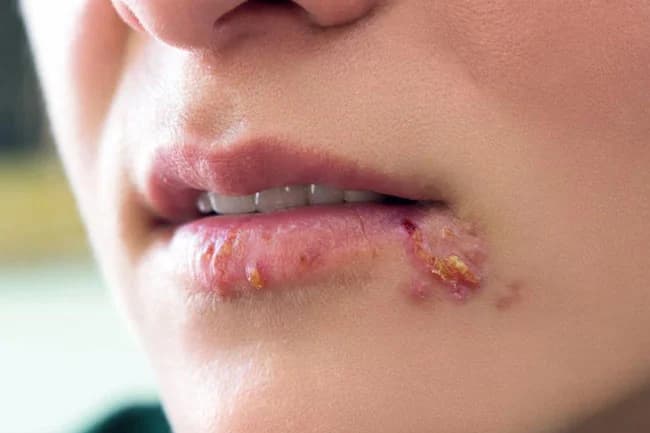
Herpesvirus infection, more commonly known as herpes, is a highly prevalent skin and mucous membrane infection that causes temporary but bothersome rashes and discomfort. It is caused by the Herpes simplex virus (HSV), which has two types: HSV-1 and HSV-2. Although herpes is often associated with "cold sores" on the lips, the infection can also occur in the genital area, on fingers, the face, around the eyes, or other locations. For some individuals, the rashes recur because once the virus enters the body, it remains there latently and can reactivate under certain conditions.
The good news is that in most cases, herpes episodes are mild and resolve on their own, while proper care and treatment can shorten the duration of flare-ups, reduce symptoms, and decrease the frequency of recurrences.
What is it?
Herpes simplex viruses are DNA viruses classified into two types:
- HSV-1 – most commonly causes oral, lip, and facial herpes ("cold sores"), but can also infect the genital area, especially through oral-genital contact.
- HSV-2 – more often associated with genital herpes, although it can rarely occur in the oral area.
The infection typically occurs in two phases: during the initial infection (primary infection), more pronounced symptoms may appear, and later the virus "hides" in nerve ganglia. During triggering factors, it reactivates and causes recurrent episodes. A large portion of adults worldwide are carriers of HSV – it is estimated that about half of people have antibodies to HSV-1 or HSV-2, often without knowing it.
The virus is contagious through direct skin or mucous membrane contact, especially when in contact with blisters or their contents. However, infection can also occur when there are no obvious rashes due to so-called asymptomatic viral shedding.
Causes and Risk Factors
HSV spreads through close contact via saliva or genital secretions. Infection can occur through kissing, sharing utensils, engaging in oral-genital contact, or having sexual intercourse without barrier protection. Factors that often provoke viral activation and recurrence of rashes include:
- Weakened immune system (concurrent illnesses, treatment, lack of sleep)
- Stress and fatigue
- Hormonal fluctuations (e.g., menstruation)
- Skin or mucous membrane injuries (abrasions, scratches, procedures)
- UV rays (sun, tanning beds), wind, cold
- Intense sports circumstances (contact sports – "herpes gladiatorum")
Symptoms
After contact with an infected person, the first signs usually appear within 3–7 days. During the primary infection, symptoms may be more pronounced, while recurrences are milder and shorter.
Before the rashes (prodrome), there is often a sensation of:
- Tingling, tightness, or itching
- Itching and burning
- Pain or tenderness
- Mild fever, general malaise (especially during the first infection)
- Enlarged, painful lymph nodes nearby
After 12–24 hours, rashes appear:
- Redness and swelling
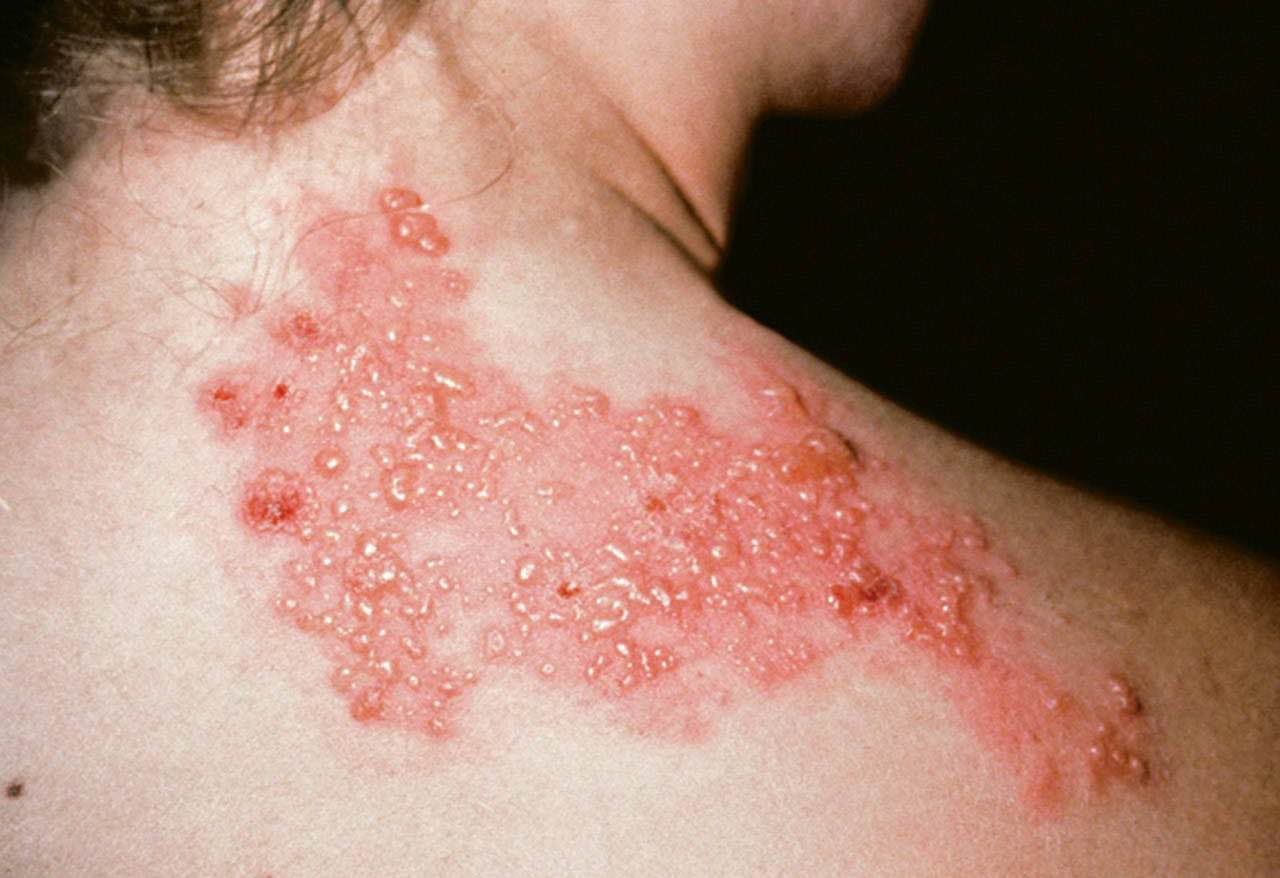
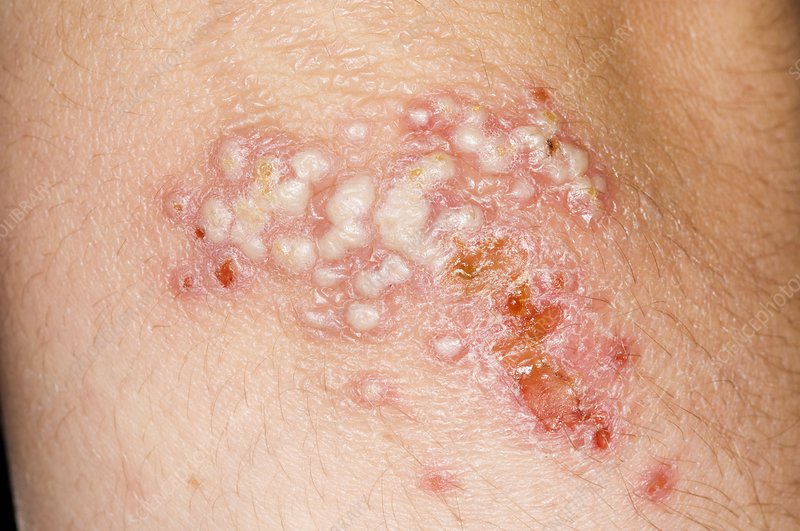
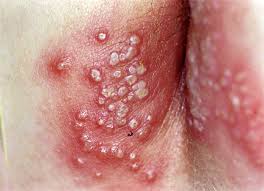
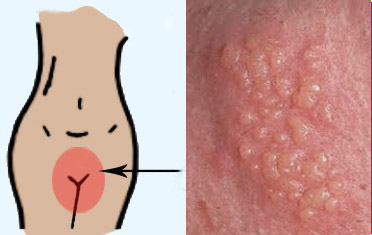
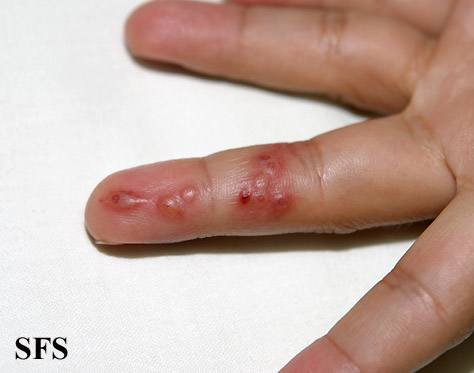
- Small, clustered blisters with clear or cloudy fluid
- Later – painful ulcers (erosions)
- Finally – scabs that fall off, usually without leaving scars
Typically, lesions heal within 1–3 weeks (sometimes up to 4–6 weeks), with the most painful phase lasting a few days. Oral herpes is often accompanied by pain when eating or speaking, while genital herpes can cause burning during urination and discomfort during sexual intercourse.
Where can it occur? Most commonly on the lips and in the genital area. However, other locations are possible: on fingers (herpetic whitlow), on cheeks and chin, on thighs or buttocks. If the virus enters the eyes, herpetic keratitis may develop – an urgent condition that can impair vision.
Contagious period: is greatest from the onset of prodrome until scabs form and complete healing of sores. However, the virus can also be transmitted without obvious signs (asymptomatic shedding).
When to See a Doctor?
- If rashes recur frequently, are very painful, or do not heal for a long time
- If the infection first appears in the genital area
- If there are eye symptoms (pain, redness, light sensitivity, blurred vision)
- If you have a weakened immune system or are undergoing immunosuppressive treatment
- If rashes are widespread, very painful, or appear on eczema-affected skin (possible eczema herpeticum)
- If you are pregnant and suspect herpes (especially in the late stages of pregnancy)
- If herpes recurs after cosmetic or dermatological procedures (e.g., laser, peels) – prophylaxis may be needed
Diagnosis
Diagnosis is often made based on typical clinical appearance and history (prodrome, grouped blisters, painful erosions). In cases of uncertainty or significant consequences (e.g., pregnancy, eye involvement), laboratory tests are performed:
- PCR test – the most sensitive and reliable method, performed from an active blister or ulcer sample (detects HSV DNA)
- Serological tests (antibodies) – IgG helps assess past contact with the virus; IgM interpretation is limited, not always reliable
- Viral culture – less sensitive but used in some cases
- Cytological examination – rarely used today due to lower sensitivity
- Skin biopsy – required in exceptional, unclear cases
Differential diagnosis includes aphthous ulcers, bacterial infections, fungal skin diseases, other blistering dermatoses, and varicella-zoster virus manifestations.
Our clinic's dermatologists help accurately diagnose, assess the severity of the infection, and develop an individualized treatment and care plan. Consultations are available both in person and online, allowing for quick clarification of the situation and initiation of appropriate treatment.
ARTICLE_GIF
Treatment
Although it is currently impossible to completely eliminate the virus from the body, treatment significantly reduces symptoms, shortens the duration of flare-ups, and can reduce recurrences.
- Episodic treatment – starts as soon as prodrome (tingling, burning) is felt or the first blister is noticed. The earlier it starts, the greater the likelihood of a shorter and milder episode.
- Maintenance (prophylactic) treatment – considered if episodes recur frequently, are severe, or significantly disrupt quality of life; also when it is necessary to reduce the risk of transmission to a partner.
- Local care – gentle washing, drying of lesions, emollients around affected areas to maintain the skin barrier, cold compresses for a short time. Avoid rubbing, pressing, or puncturing blisters.
- Pain and discomfort control – pain relievers are used if needed, soothing lotions or creams may help locally. If rashes are in the genital area, choose loose, breathable cotton clothing.
- Hygiene – gently clean affected areas, avoid using aggressive antiseptics; however, it is important to prevent secondary bacterial infection by maintaining cleanliness and not touching rashes with unwashed hands.
If there are eye symptoms, do not self-treat – an urgent doctor's examination is necessary. During pregnancy, the treatment plan is selected individually, balancing safety and effectiveness.
Care and Prevention
To reduce the frequency of recurrences and protect loved ones, daily measures are important:
- Avoid known triggers – ensure rest, manage stress with physical activity, breathing, or relaxation practices
- Skin barrier care – regularly moisturize the skin with emollients; use protective balms for lips
- Sun protection – UV rays often trigger lip herpes; use head coverings, choose lip balms and creams with SPF
- Barrier protection – condoms and oral protection reduce but do not completely eliminate the risk of transmission; avoid close contact during an active episode and for several days after complete healing
- Do not infect yourself and others – do not pick at blisters, do not touch eyes with unwashed hands, do not share lip balms, cups, cigarettes, toothbrushes, or towels
- Open conversations with your partner – discuss the diagnosis, plan protection, consider testing for other STIs if there are risk factors
- Sports – during active herpes, avoid contact sports (e.g., wrestling) until complete healing
- Procedures – before planned cosmetic or dermatological procedures in the facial area, inform the specialist about the tendency to herpes; prophylaxis may be considered
- Pregnancy and newborns – consult with a doctor about the risk of transmission during childbirth; if blisters are on the breasts, temporarily stop breastfeeding with the affected breast, maintain hand hygiene
Frequently Asked Questions
- Can herpes be cured permanently?
Currently – no. The virus remains latent in the body, but properly selected treatment and care allow for symptom control and reduced recurrences. - How does HSV spread – can you get infected without obvious rashes?
Yes. The greatest risk is during active blisters, but asymptomatic viral shedding is possible, so transmission can occur without visible signs. - How long am I contagious?
Usually – from the onset of prodrome to complete healing of sores. However, transmission is possible between episodes due to asymptomatic viral shedding. - Is herpes dangerous to the eyes?
Yes. Herpetic eye involvement can cause vision impairments. If there is eye pain, redness, or vision changes, it is necessary to urgently see a doctor. - Does herpes affect pregnancy?
The risk to the newborn is greatest if the first genital herpes occurs in late pregnancy. Involvement of an obstetrician and dermatologist is necessary, along with an individual plan. - Can I attend work or school?
Yes, if you feel well enough and maintain hygiene. Avoid close contact and sharing of common items during an active episode; resume contact sports only after complete healing.
Conclusions
Herpesvirus infection is a common condition that affects many during their lifetime. Although the virus cannot be eliminated, targeted treatment and responsible care help quickly alleviate symptoms, shorten flare-ups, and reduce their frequency. The most important thing is to recognize the first signs, start treatment as early as possible, protect the skin barrier, and avoid triggering factors. If rashes recur or cause concern, consult specialists: the earlier an individual plan is prepared, the better the results and lower the risk of transmission to loved ones.