Introduction
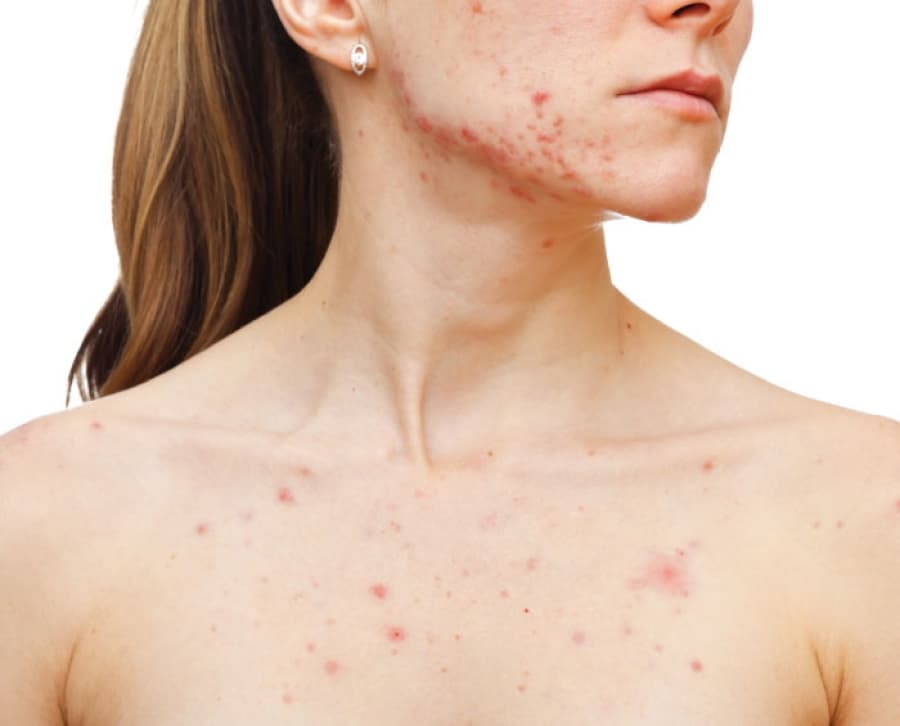
Acne (common acne, Lat. acne vulgaris) is one of the most common chronic inflammatory skin diseases, characterized by various types of lesions, most commonly affecting the face, neck, chest, and back. Although acne is often associated with adolescence, it can affect people of any age, including adults and even older individuals.
Acne affects not only the skin – it can impact emotional well-being, self-confidence, and social relationships. Timely and consistent treatment helps reduce inflammation, prevent scarring, hyperpigmentation, and improve quality of life. This article aims to help better understand the causes, symptoms, diagnostic and treatment principles of acne, as well as practical daily care tips.
What is it?
Acne is an inflammatory disease of the hair follicles and sebaceous glands. Key factors include increased sebum production, follicular blockage, an abundance of certain skin microorganisms, and inflammation triggered by the immune system. The severity of the disease ranges from mild comedonal forms to exacerbations with painful nodules and cysts.
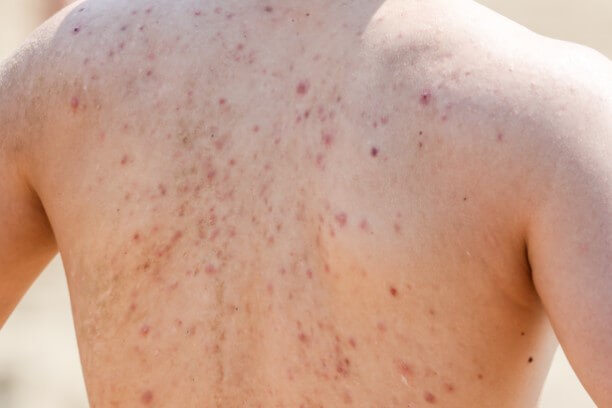
Acne is most commonly localized in areas rich in sebaceous glands: the face (especially the T-zone and cheeks), neck, upper back, chest, and sometimes on the shoulders or arms.
Main forms of acne:
- Comedonal acne – characterized by open (blackheads) and closed (white papules) comedones.
- Papulopustular acne – inflammatory papules and pustules (pimples) appear, with the skin around the lesions being red and sensitive.
- Nodulocystic / conglobate acne – a more severe form with deeper painful nodules, cysts, prone to scarring.
Causes and Risk Factors
Acne is caused by the interaction of several factors. The main components of pathogenesis are:
- Increased sebum secretion – usually due to hormonal fluctuations, especially the influence of androgens.
- Follicular hyperkeratosis – accumulation of keratinized cells narrows the follicular opening and forms comedones.
- Changes in skin microbiome – an increase in certain bacteria (e.g., Cutibacterium acnes) and their interaction with the immune system can promote inflammation.
- Immune system response – inflammatory mediators cause redness, swelling, sensitivity, and pain.
The risk of developing acne or worsening the course of the disease is increased by:
- Heredity – if close family members have had acne, the likelihood is higher.
- Hormonal factors – adolescence, cycle fluctuations, certain endocrine conditions, pregnancy, or postpartum period.
- Stress and lack of sleep – can alter inflammatory processes in the skin and sebum production.
- Dietary habits – for some people, a diet high in fast carbohydrates can have an impact; the principle of overall balance and moderation is important.
- Inappropriate cosmetics and skin care – comedogenic, very oily, skin-irritating products, aggressive exfoliation.
- Physical irritants – friction, pressure (helmets, tight bands, masks), humid environment, excessive sweating.
- Environmental pollution, smoking – can promote oxidative processes in the skin.
- Certain medications and supplements – in some cases, can provoke acne-like eruptions.
Symptoms
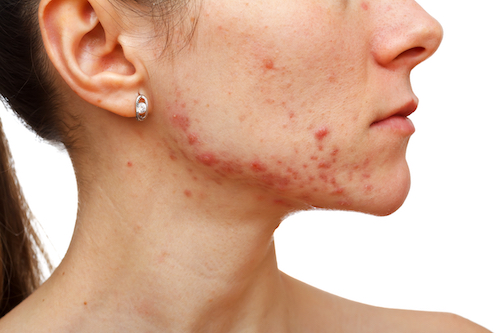
Acne symptoms vary by form and severity. Most commonly observed are:
- Comedones – closed (white, dome-shaped papules) and open (blackheads).
- Papules and pustules – red, painful, sometimes with visible purulent content.
- Nodules and cysts – deeper, painful lesions, more likely to leave scars.
- Skin redness, sensitivity, soreness, especially during active inflammation.
- Post-acne conditions – post-inflammatory hyperpigmentation (darker spots), redness, scars (depressed, raised, or mixed).
For some patients, acne occurs in waves: exacerbations alternate with improvements. Despite its prevalence, it is not a sign of "dirty skin" – it is often related to biological processes in the skin that require medical attention.
When to See a Doctor?
It is worth consulting a dermatologist if:
- self-care and over-the-counter remedies do not provide clear improvement over several months,
- painful nodules, cysts, scars, or dark spots appear,
- eruptions spread to large areas of skin or interfere with daily life,
- acne suddenly occurs in adulthood, especially with other symptoms of hormonal imbalance,
- it is suspected that eruptions may have been caused by medications or supplements,
- a child has acne and a safe, age-appropriate plan is needed,
- acne is accompanied by significant emotional discomfort.
Our clinic's dermatologists help accurately diagnose, assess severity, and select an individualized treatment and care plan. Consultations can be provided both in-person and online – convenient for quickly starting targeted treatment.
Diagnosis
Acne diagnosis is usually made during a clinical examination – assessing the type of lesions, distribution, inflammation activity, and the nature of scars and pigment changes. Special laboratory tests are generally not required to confirm acne. If signs of hormonal imbalance or other concurrent conditions are suspected, the doctor may recommend additional tests (e.g., endocrine system evaluation) or consultations.
It is important to differentiate acne from other similar conditions: rosacea, perioral dermatitis, folliculitis, milia, hidradenitis, or drug-induced eruptions. The impact of the disease on quality of life is also assessed, as this determines the goals and intensity of treatment. Initial skin condition is often photographed to facilitate progress monitoring.
Our iDerma dermatologists thoroughly assess skin type, sensitivity, lesion dynamics during the consultation, and together with you, create an individualized treatment and care plan. If desired, part of the visits can be conducted remotely, and procedures can be performed at the clinic.
ARTICLE_GIF
Treatment
The main goals of acne treatment are to reduce existing lesions, prevent new ones from forming, control inflammation, and protect against scarring and hyperpigmentation. Treatment is selected individually, considering the type of acne, severity, skin type, concurrent diseases, lifestyle, and patient expectations.
Treatment principles and stages:
- Daily skin care – gentle but regular cleansing (usually twice a day), non-comedogenic moisturizers, non-aggressive, skin barrier-preserving products. Excessive exfoliation or frequent washing can irritate the skin and worsen the condition.
- Topical treatments – selected based on the type of lesions: keratolytic and pore-opening agents for comedones, anti-inflammatory, antibacterial, sebum-normalizing agents for inflammatory lesions. Multiple approaches are often combined to achieve a synergistic effect.
- Systemic treatment – used for moderate to severe acne or when topical treatments are insufficient. Agents affecting inflammation, sebum production, or microbial activity may be prescribed. In some cases, hormonal regulation treatment is considered if there is hormonal imbalance.
- Procedural therapies – chemical peels, light therapies (e.g., LED), photodynamic therapy, certain laser procedures, professional comedone removal. These procedures help control lesions faster, even out skin texture, and reduce post-acne hyperpigmentation.
- Scar and hyperpigmentation correction – once active inflammation is controlled, scar treatment can be planned: fractional laser procedures, microneedling techniques, deep or superficial chemical peels, subcision, filling methods. Post-acne spots are reduced by photoprotection and skin-lightening, renewal-promoting procedures.
How long does treatment last? Significant improvement is usually observed after 6–12 weeks of consistent adherence to the plan. Acne tends to recur, so once results are achieved, a maintenance regimen and regular dermatologist consultations are important. If severe irritation or unwanted sensations occur during treatment, the plan is adjusted.
At iDerma clinic, we apply a step-by-step, evidence-based approach and, if necessary, combine medical and procedural treatment. A dermatologist consultation in-person or online helps quickly refine the diagnosis and select the most suitable, safe treatment plan and daily care products.
Care and Prevention
- Cleansing – wash your face 1–2 times a day with warm (not hot) water, choose gentle, non-irritating products.
- Moisturizing – even oily or combination skin needs non-comedogenic moisturizers to restore the barrier and reduce irritation.
- Sun protection – use broad-spectrum photoprotection daily (SPF 30 or higher). This reduces post-acne hyperpigmentation and protects against scar prominence.
- Cosmetics – choose products labeled "non-comedogenic," avoid oily, highly occlusive products; thoroughly but gently remove makeup in the evening.
- Do not squeeze lesions – mechanical pressure increases the risk of infection, scarring, and spots.
- After exercise – wash areas affected by sweat, change damp clothes to avoid friction and clogged pores.
- Hair and accessory influence – avoid hair styling oils that may contact the skin; regularly change pillowcases; carefully wear headgear, masks, and other friction-causing accessories.
- Diet and lifestyle – a balanced diet, adequate sleep, stress management can contribute to better skin condition. If you notice certain products provoke breakouts, it is worth monitoring and adjusting habits.
- Consistency – follow the dermatologist's plan and do not rush to change products every few days. The skin needs time to adapt.
Frequently Asked Questions
- Is adult acne different from teenage acne?
Often yes. In adults, acne is often inflammatory, localized in the lower part of the face, may be more prone to prolonged spots (hyperpigmentation), and recur in waves. Treatment is selected individually, considering age, skin type, hormonal fluctuations, and lifestyle. - Does diet really affect acne?
The relationship is individual. For some people, a diet high in fast carbohydrates or processed foods can provoke breakouts. The most important is a balanced, varied diet, adequate water intake, and observing what suits your body. - Does the sun help cure acne?
Short-term improvement can be misleading. UV rays irritate the skin, promote photoaging, and increase the risk of hyperpigmentation, so daily photoprotection is essential even when treating acne. - Can I squeeze pimples?
Not recommended. It increases the risk of infection, scarring, and pigmented spots. If comedones need to be removed, it should be done by a specialist under sterile conditions. - How long does it take to see results?
Usually, the first noticeable changes are seen after 6–12 weeks of consistent adherence to the plan. Treatment is evaluated in the long term, and once goals are achieved, we move to maintenance care. - Can acne be completely cured?
Acne tends to recur, but it can be well-controlled. Proper, individually tailored treatment and care help achieve long-term remissions and reduce the risk of scarring.
Conclusions
Acne is a common and treatable skin condition, but it requires patience, consistency, and an individualized approach. Understanding the basic mechanisms of the disease and following a professionally developed plan can effectively reduce inflammation, prevent scarring, and improve skin appearance and well-being. If acne is a concern, don't face the problem alone – modern dermatology offers safe and effective solutions tailored for both teenagers and adults.