Introduction
Androgenic hair loss (also known as androgenic alopecia or androgenetic baldness) is the most common form of chronic hair thinning, affecting both men and women. It is a non-contagious but progressive condition that significantly impacts hair density and appearance. It is estimated that more than half of men and a significant portion of women experience this disorder during their lifetime, with the frequency increasing with age.
Changes in hair often affect emotional well-being: confidence decreases, social anxiety arises, and there is a desire to avoid mirrors or photos. The good news is that modern dermatology offers evidence-based diagnostic and treatment solutions that can slow the process, stabilize the condition, and often improve hair density.
What is it?
Androgenic hair loss is a genetic, hormone-induced sensitivity of hair follicles to androgens (especially dihydrotestosterone), which over time leads to follicular miniaturization. This means that each new hair becomes thinner, shorter, and lighter, and the active growth phase (anagen) of the hair shortens. Initially, the hair appears "thinned," and later visible bald areas appear.
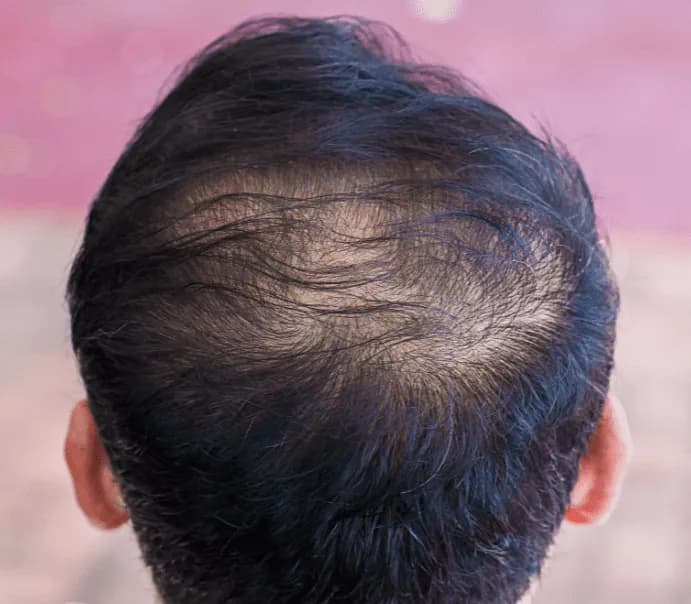
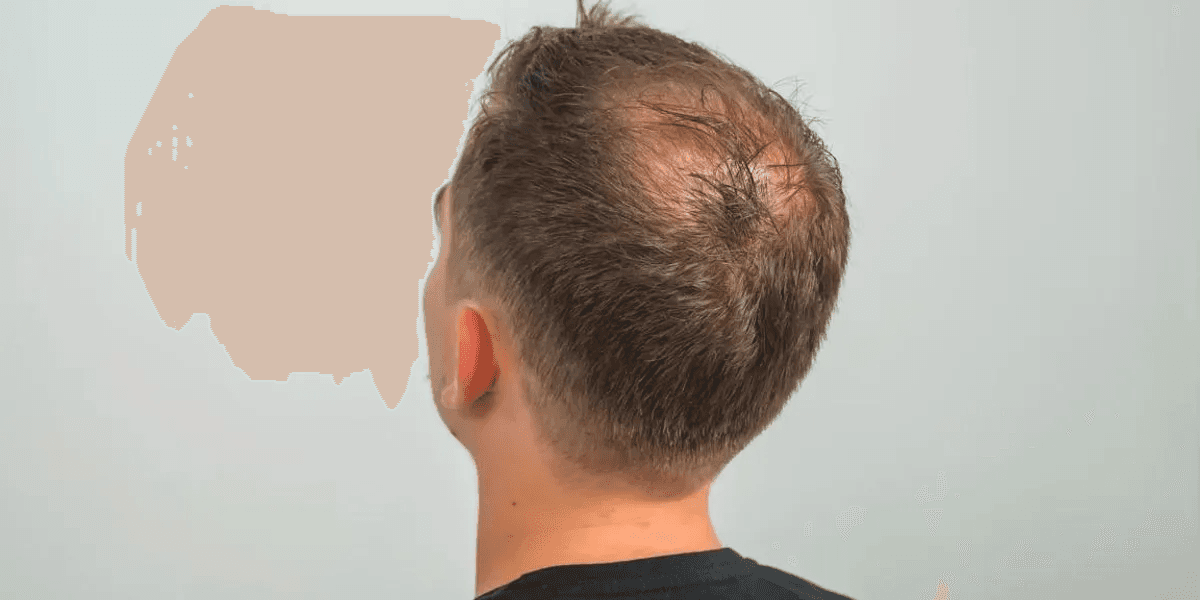
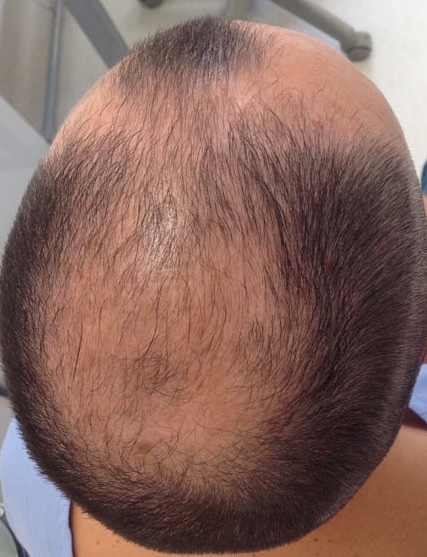
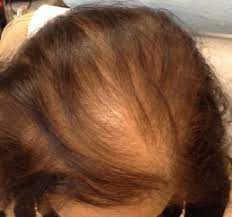
Typical changes in men include hair thinning in the temple area, forming "corners," and/or thinning at the crown. Over time, these areas may merge. Women are more likely to experience diffuse thinning at the crown, especially along the parting, but the frontal hairline usually remains stable. In women, thinning is often described as a "Christmas tree" pattern, where the parting visually widens from the forehead towards the crown.
Dermatologists assess the extent of baldness using standardized scales (e.g., Hamilton–Norwood for men, Ludwig–Savin for women). This helps evaluate the severity of the condition, compare progression over time, and plan individual treatment.
Causes and Risk Factors
Androgenic hair loss is influenced by several factors, but the most important are genetic predisposition and the effect of androgens on hair follicles.
- Genetics: The predisposition is inherited from both parents' families. If there are cases of early or severe hair loss in the family, the likelihood of experiencing similar changes is higher.
- Hormones: Sensitivity of follicles to androgens varies. Even with "normal" hormone levels, more sensitive follicles miniaturize faster.
- Age: With age, the sensitivity of hair follicles increases, and the active growth phase of the hair shortens.
- Gender: Men more often and earlier notice changes, while women's hair thinning often progresses more slowly.
- Ethnic origin: More common among Caucasians, but occurs in all ethnic groups.
- Physiological conditions and health: Fluctuations after childbirth, menopause, polycystic ovary syndrome, or other disorders affecting hormone balance can highlight genetic predisposition. Overall health is also important (iron deficiency, thyroid disorders can mimic or exacerbate thinning).
- Lifestyle and care: Although they do not solely cause androgenic alopecia, additional damage to the scalp can result from very tight hairstyles, aggressive chemical procedures, frequent hot styling, improper diet, or chronic stress.
Symptoms
The signs of androgenic alopecia vary by gender and rate of progression.
In men:
- Chronic, imperceptibly progressing thinning of the temples (forming "corners") and crown areas.
- Later, open bald patches may merge into a larger area.
- Decrease in hair diameter (hair becomes "fluffy," harder to give volume).
- Usually begins in the 20s–30s, but later onset cases are possible.
In women:
- Diffuse thinning at the crown, especially widening parting ("Christmas tree" or "mountain" shape).
- The frontal hairline usually remains, but hair along the parting becomes sparser and thinner.
- With changes in hair texture, the hairstyle loses volume, making it difficult to hide the scalp.
- Progression is often slow; changes are noticeable after pregnancy, during perimenopause or menopause.
In some cases, mild itching or sensitivity is felt due to concurrent seborrheic dermatitis of the scalp, but androgenic alopecia itself usually does not cause pain or scarring.
When to See a Doctor?
Consult a dermatologist if:
- You notice significant hair thinning or bald "islands";
- You see clear progression over several months or lose an unusually large amount of hair daily;
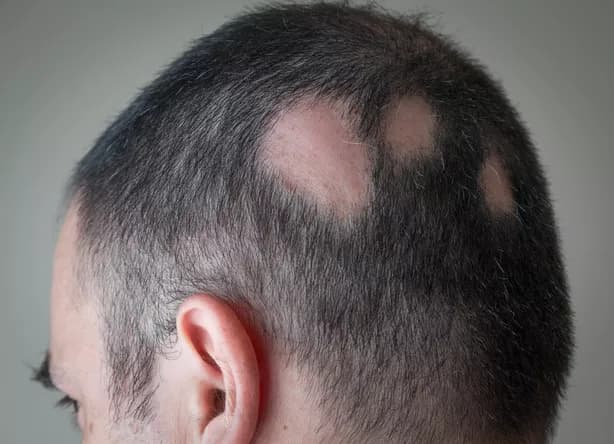
- Hair loss occurred suddenly, forming clearly defined bald spots – this may be another condition;
- The scalp is painful, red, flaky, has scars, or signs of inflammation;
- The condition causes significant emotional discomfort, and you want to know how to stabilize it.
Early intervention often leads to better outcomes, as more follicles can still be "kept active" and miniaturization slowed.
Diagnosis
The diagnosis is usually made based on a dermatologist's examination, medical history, and the pattern of hair thinning. The thinning area, symmetry, variation in hair diameter, and scalp condition are assessed. If necessary, trichoscopy is performed – using a dermatoscope to evaluate hair follicles, hair diameter variation, yellow dots, vascular patterns, and other characteristic signs.
Additional tests may be useful to rule out other causes or concurrent conditions:
- "Pull" or "wash" tests (to assess the intensity of shedding);
- Photographic documentation (to track progress);
- Laboratory tests if iron deficiency, thyroid dysfunction, or other endocrine causes are suspected;
- In rare cases – scalp biopsy when scarring alopecia is suspected or the diagnosis is unclear.
Our iDerma clinic dermatologists help accurately diagnose, assess the stage of the condition, and develop an individual, safe treatment and long-term care plan. We offer consultations both in the clinic and remotely – conveniently and confidentially.
Treatment
Treatment of androgenic alopecia is continuous and individualized. The goals are to stop or slow progression, stimulate follicle activity, and maintain hair density. A comprehensive approach is often applied, combining several measures.
1) Topical treatments and scalp care
Treatment usually starts with local measures aimed at prolonging the hair growth phase, improving the scalp microenvironment, and stimulating the activity of "dormant" follicles. These may include tonics, serums, lotions that need to be used regularly and for a long time. Optimizing scalp condition (controlling seborrheic dermatitis, gentle shampoos, proper hygiene) increases the effectiveness of topical treatments. Temporary irritation or redness is possible, so medical supervision and a proper regimen are important.
2) Systemic therapies
In some cases, systemic measures aimed at modulating the hormonal mechanism are prescribed. They are more suitable for moderate to severe cases or when local therapy is insufficiently effective. Such therapies are not suitable for self-selection – a dermatologist's assessment, contraindication check, and regular monitoring are necessary. Some systemic measures may be unsuitable during pregnancy or breastfeeding.
3) Procedural methods
Procedures complement home treatment and can enhance results:
- Plasmolifting (platelet-rich plasma injections) – the patient's blood plasma with growth factors is injected into the scalp to activate follicles.
- Microneedling therapy – fine needles create microchannels, promoting tissue regeneration and absorption of topical treatments.
- Low-intensity laser therapy – a non-invasive method that can support follicle metabolism and reduce miniaturization.
- Mesotherapy – microinjections into the scalp with individually selected mixtures to improve follicle nutrition and circulation.
4) Surgical treatment (hair transplantation)
If hair thinning is advanced and the donor area is sufficiently dense, transplantation can be considered. Modern techniques (e.g., FUE or FUT) are used, where hair follicles are transferred to thinning areas. It is important to understand that transplantation is usually combined with long-term care and conservative treatment to maintain the result.
ARTICLE_GIF
What to expect? Hair grows in cycles, so the results of any treatment are evaluated after 3–6 months, with maximum effect seen in 9–12 months. Often the first positive sign is stabilization (less shedding), followed by a change in density. It is important to continue treatment, as stopping it usually results in the resumption of follicular miniaturization.
Care and Prevention
It is impossible to completely "avoid" androgenic alopecia if there is a genetic predisposition, but proper daily care and lifestyle can help stabilize the condition and maintain results.
- Gentle scalp hygiene: Choose shampoos that do not disrupt the skin barrier, avoid overly aggressive products. If seborrhea is present – treat it, as inflammation can worsen thinning.
- Avoid mechanical stress: Tight hairstyles, constant wearing of tight clips or bands, prolonged heat (straightening, curling) weaken the hair.
- Nutrition and supplements: A balanced diet, adequate protein, iron, zinc, and vitamins support follicle function. If deficiencies are suspected – consult a doctor for tests.
- Stress management and sleep: Long-term stress can trigger telogen effluvium, which further highlights androgenic thinning.
- Photo protection: Excessive sun exposure can irritate the scalp; use hats, avoid sunburns.
- Regular dermatologist check-ups: Periodically assessing progress, adjusting the treatment plan if necessary, to ensure results are optimal and safe.
What doesn't work? Quick "miracle" solutions, short "detox" programs, or random products without a diagnosis. Androgenic alopecia is chronic, so only a consistent, evidence-based plan is effective.
Frequently Asked Questions
- Does androgenic hair loss mean I will definitely go completely bald?
No. In most cases, the process can be slowed and stabilized. The earlier treatment is started, the more follicles can be preserved. - How long does it take to see results?
The first signs are often seen after 3–4 months (less shedding), changes in density – within 6–12 months. Evaluation should be done with photos and trichoscopy. - Does hair cosmetics (shampoos, sprays) cause androgenic shedding?
No, cosmetics themselves do not cause androgenic alopecia. However, aggressive or unsuitable products can irritate the scalp and worsen hair quality. Choose gentle products suitable for your skin type. - Can diet stop androgenic shedding?
Diet does not turn off the genetic mechanism, but correcting deficiencies (e.g., iron, protein) helps optimize follicle function and improve overall response to treatment. - Can this condition be treated during pregnancy or breastfeeding?
Some measures are not suitable during this time. Always consult a dermatologist – a safe, appropriate plan for the period will be selected, focusing on gentle care and maintenance measures. - Is hair transplantation suitable for everyone?
No. It is considered when there is a sufficient donor area and stabilized condition. Even after transplantation, long-term care is needed to maintain the result.
Conclusions
Androgenic hair loss is a common, genetically determined, and hormone-influenced form of hair thinning, manifesting in different patterns in men and women. Although it is impossible to completely "turn off" the genetic mechanism, early diagnosis, consistent, evidence-based treatment, and proper daily care allow for slowing progression, enhancing follicle activity, and improving hair density. If you notice the first signs or are concerned about your hair condition, do not delay: a timely initiated individual plan provides the best chances to preserve hair and well-being.