Introduction
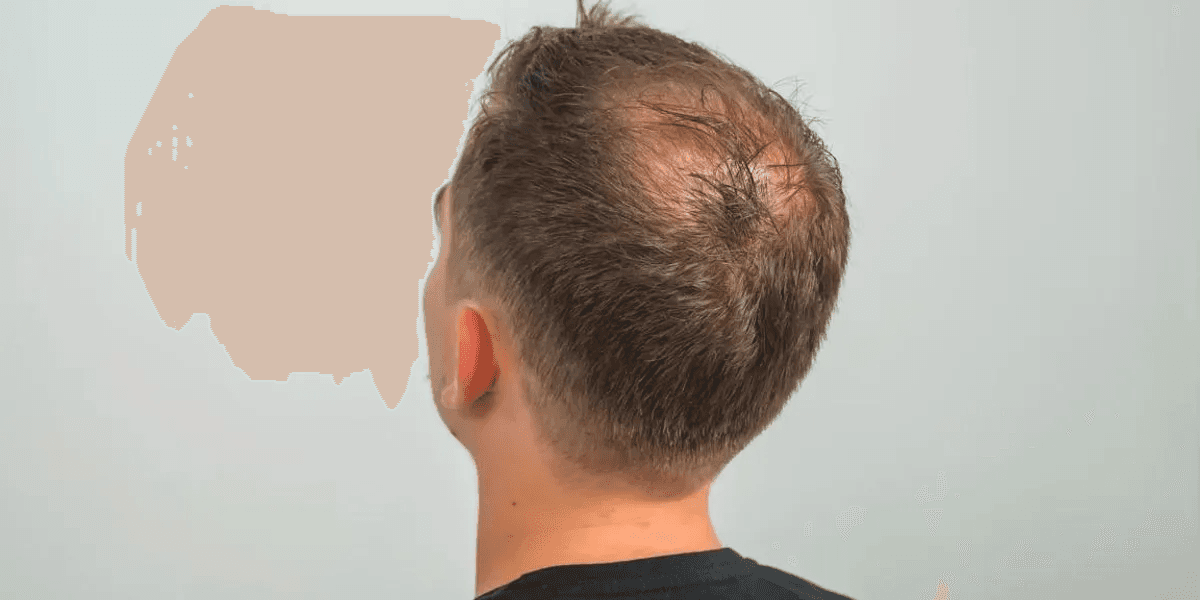
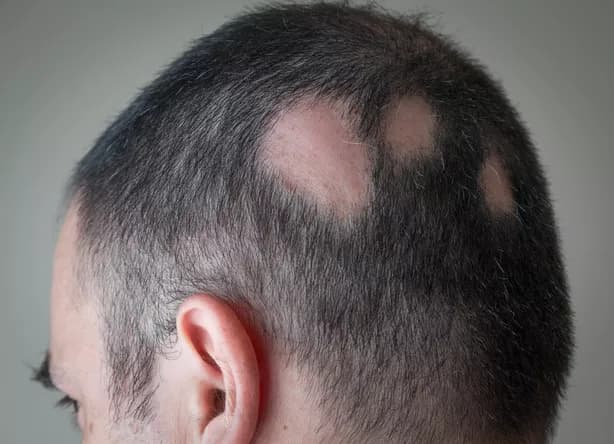
Alopecia areata is an autoimmune hair loss condition where the immune system mistakenly attacks healthy hair follicles. It most commonly presents as a sudden, well-defined bald patch on the scalp, but hair loss can also affect the beard, eyebrows, eyelashes, or other hairy areas of the body. The condition can occur at any age—affecting both children and adults—and can manifest with varying severity. Although alopecia areata is not life-threatening and does not cause scarring, it often has a significant emotional and social impact, making timely assistance and a clear action plan particularly important.
What is it?
Alopecia areata is a non-infectious, non-contagious condition based on an autoimmune mechanism. The immune system begins to recognize hair follicle cells as a threat and temporarily disrupts their function, especially during the hair growth (anagen) phase. As a result, hair becomes brittle and falls out. The follicles remain viable, so many patients can experience hair regrowth, but the condition is characterized by an unpredictable course: exacerbations and improvements are possible.
Several types of manifestations are distinguished:
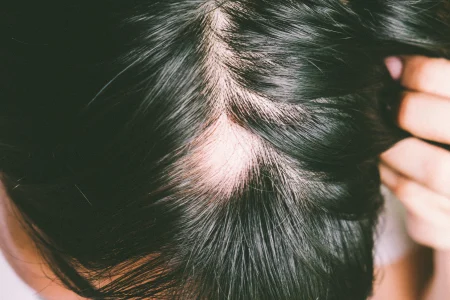
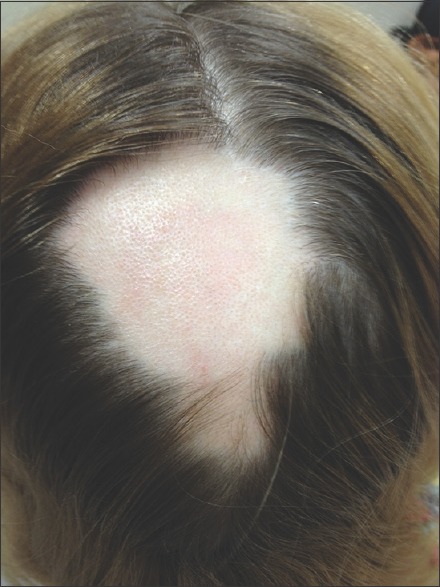
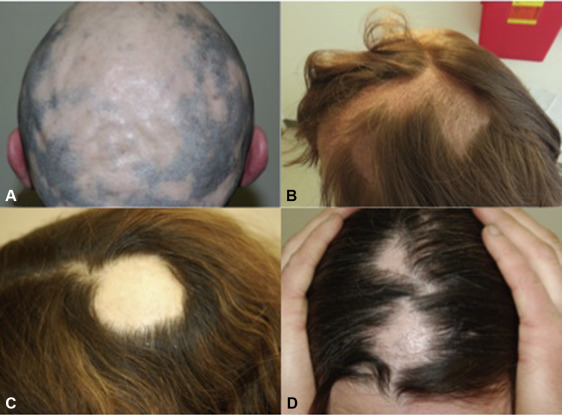
- Localized (focal) form – one or several round bald patches up to a few centimeters in diameter.
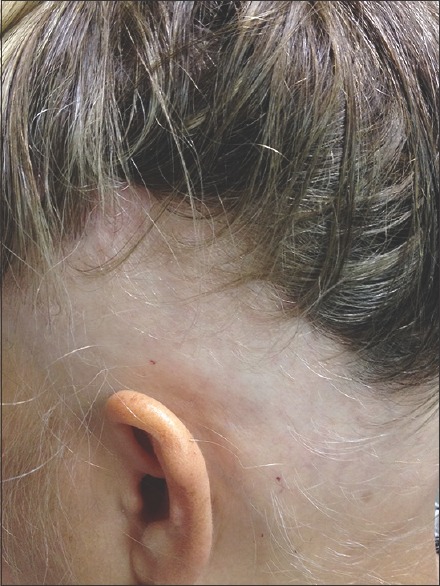
- Ophiasis type – hair loss in a band along the occipital and temporal areas, often prolonged and more persistent.
- Diffuse type – uniform thinning across the entire scalp without well-defined patches.
- Alopecia totalis – complete loss of all scalp hair.
- Alopecia universalis – nearly complete loss of all body hair.
Causes and Risk Factors
There is no single specific cause—it's a multifactorial condition involving genetics, immunology, and environmental factors:
- Genetic predisposition – if there are family members with alopecia areata or other autoimmune diseases, the risk of developing the condition increases.
- Autoimmune disorders – more commonly associated with autoimmune thyroid diseases, vitiligo, and certain rheumatic and dermatological conditions.
- Atopy – people with atopic dermatitis, allergic rhinitis, or asthma are more frequently diagnosed with alopecia areata.
- Stress – although stress is not a direct cause, it can act as a trigger for exacerbating the condition.
- Environmental and lifestyle factors – lack of sleep, intense physical or emotional shocks, and nutritional imbalances can influence the course of the disease.
Alopecia areata can occur in both children and adults. Early onset of the disease (in childhood) is sometimes associated with a higher likelihood of recurrence or a more widespread form, but each case is individual.
Symptoms
The signs of alopecia areata can be pronounced or very subtle. The most common symptoms include:
- Sudden appearance of round bald patches, most commonly on the scalp. The skin in these areas is smooth, without scaling or scarring.
- "Exclamation mark" hairs at the edges of the bald patch—short hairs that taper towards the root.
- Itching, tightness, or tingling sensation in the affected area before hair starts to fall out.
- Thinning or loss of eyebrows and eyelashes, bald patches in the beard area.
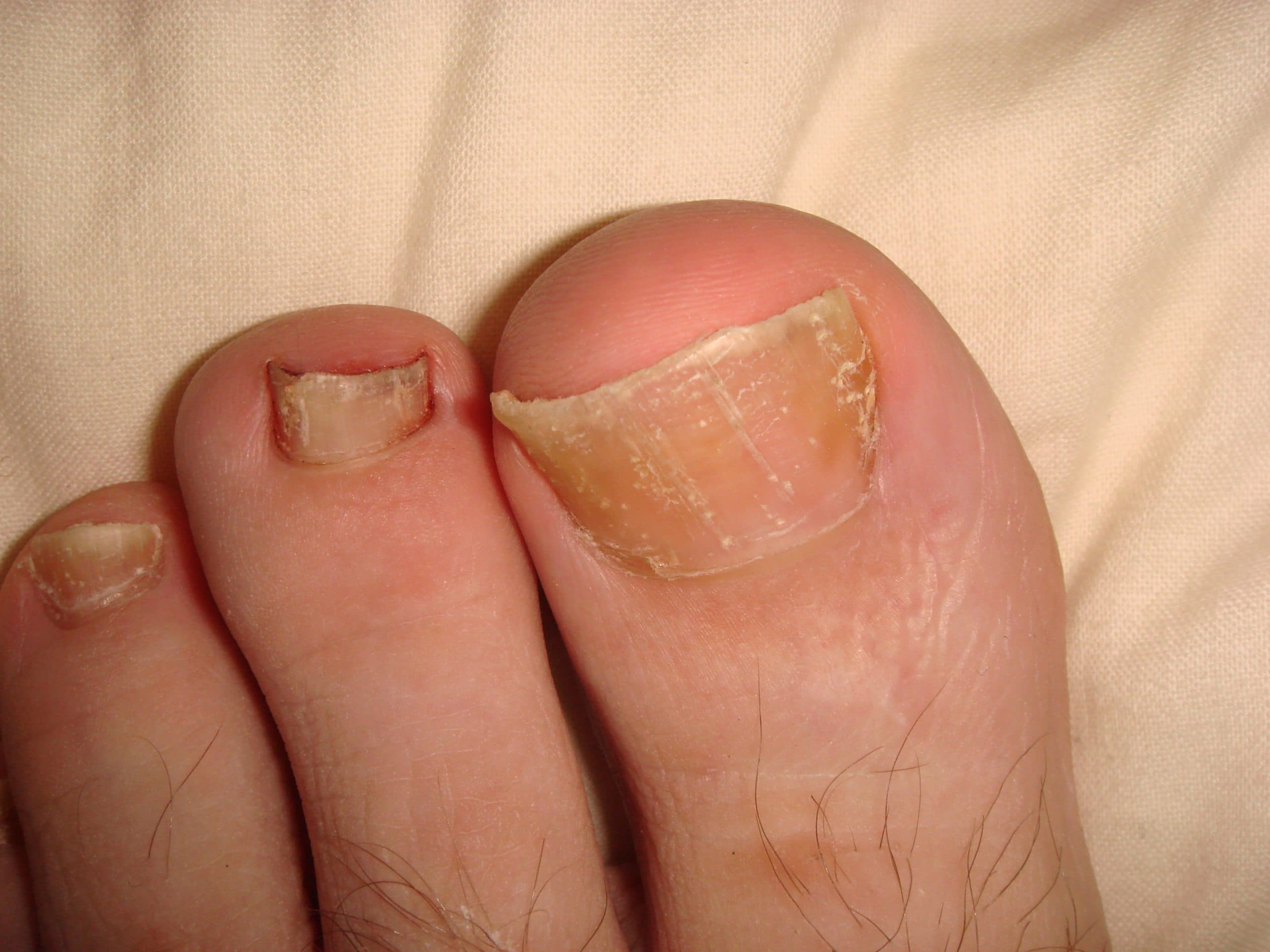
- Nail changes (10–40% of cases): small pitting, ridges, roughness, or brittleness of the nail plate.
As hair regrows, the initial hairs are often light or whitish due to temporary pigment deficiency—this is normal. Later, the hair usually regains its usual color and structure.
When to See a Doctor?
Consult a dermatologist if:
- You notice a new or rapidly enlarging bald patch.
- Hair falls out in clumps, eyebrows or eyelashes are thinning.
- There is pain, redness, scaling, or crusting (this may indicate another condition, such as an infection or scarring alopecia).
- You notice nail changes along with hair loss.
- You are a child or adolescent—early consultation is particularly important.
Early specialist examination helps clearly distinguish alopecia areata from other causes of hair loss and prepare an effective, safe treatment plan.
Diagnosis
The diagnosis is usually made during clinical evaluation, based on characteristic signs and examination. If needed, additional tests are performed:
- Trichoscopy – examination of hair follicles and scalp with a dermatoscope. Characteristic images may include "yellow dots," black dots, signs of dystrophic hair.
- Hair pull test – a strand of hair is gently pulled; if more hair than usual comes out easily, the test is considered positive.
- Skin biopsy – rarely, when the diagnosis is unclear or other conditions are suspected; helps confirm autoimmune follicle damage.
- Blood tests and endocrine evaluations – depending on the clinical situation, thyroid function indicators, iron stores, and other autoimmune process markers may be assessed. Tests are selected individually.
- Severity assessment – for example, using a scalp hair loss assessment scale; this helps monitor changes over time.
Our clinic's dermatologists help accurately diagnose, assess severity, and select an individual treatment and care plan. iDerma consultations are available both in-person and remotely, ensuring you receive the necessary assistance conveniently and quickly.
ARTICLE_GIF
Treatment
The treatment of alopecia areata is chosen based on the extent of the disease, duration, patient's age, comorbidities, and lifestyle. The goal is to halt the immune inflammation, promote hair regrowth, and reduce the risk of recurrence. Although the disease is not completely curable, a well-structured plan allows for good aesthetic and quality of life outcomes.
- Observation (active waiting) – small, recent patches often regrow spontaneously. In such cases, observation and gentle care may be chosen, especially for children.
- Topical treatment – anti-inflammatory agents are often prescribed. Their aim is to suppress the local autoimmune reaction and create conditions for the hair to return to the growth phase.
- Injectable local treatment – for some patients, procedures are performed within the lesion boundaries to reduce inflammation. This is a common tactic for small, well-defined patches.
- Contact immunotherapy – a specialist performs long-term treatment, inducing a mild, controlled skin reaction to reprogram the immune response. Used in widespread or persistent cases.
- Light therapy (phototherapy) – in certain cases, it is used to reduce inflammation and stimulate regrowth.
- Systemic therapies – in cases of extensive or rapidly progressing hair loss, treatment may be expanded to include systemic measures. The decision is made together with the doctor, evaluating the benefit-risk ratio.
- Psychological support and camouflage – hair loss can significantly affect well-being. Psychological consultations, support groups, modern camouflage tools, hairstyle adjustments, wigs, or partial hair solutions can be helpful. For eyebrows, cosmetic products or permanent makeup may be considered after consulting a specialist.
During treatment, it is important to regularly assess progress. The first regrowing hairs may be thinner or lighter—this does not mean the treatment is ineffective. Therapeutic plan adjustments are made based on results and tolerance. It is not recommended to try strong remedies independently—this can worsen the condition or cause unnecessary skin irritation.
Care and Prevention
Although we cannot completely prevent alopecia areata, targeted care helps manage the course and improve hair condition:
- Regular visits to the dermatologist – accurate monitoring of the disease course, timely adjustments, and a long-term plan depend on this.
- Gentle hair and scalp care – choose gentle cleansers, avoid aggressive combing, high-temperature styling, chemical procedures, and tightly pulled hairstyles.
- Skin protection – bald areas are more sensitive to sun and cold. Use head coverings and sun protection for the scalp.
- Lifestyle – a balanced diet, adequate sleep, and stress management techniques (breathing exercises, physical activity) are beneficial for overall body condition.
- Management of comorbidities – thyroid, skin, or other autoimmune conditions should be diagnosed and treated promptly.
- Awareness and emotional support – knowledge about the condition and community support help cope with daily challenges more easily.
Frequently Asked Questions
- Is alopecia areata contagious?
No. It is an autoimmune, non-contagious condition—you cannot "catch" it. - Will the hair regrow?
Many patients experience at least partial regrowth. Some people's hair regrows completely, while others experience recurrences. The course is very individual. - How long does treatment take and when to expect results?
Initial signs may appear within weeks or months, but the full result may take longer. The duration of treatment depends on the size, duration, and individual response of the patches. - Can diet and lifestyle have an impact?
A balanced diet, adequate sleep, and stress management positively affect overall well-being and can help the body recover better, although this alone is often not enough to control the disease. - Do hats, helmets, or frequent hair washing cause this condition?
No. Alopecia areata is not related to wearing hats or the frequency of hair washing. Only gentle care and skin protection are important. - Is the loss of eyebrows and eyelashes reversible?
Often yes, but regrowth may take time. Visiting a dermatologist helps select safe remedies and cosmetic solutions during the transitional period.
Conclusions
Alopecia areata is a common but variably manifesting autoimmune condition that can cause both small patches and widespread hair loss. Although the disease is not life-threatening, it significantly affects well-being and self-confidence. Timely diagnosis, an individual treatment plan, and consistent care allow for symptom management, hair regrowth, and improved quality of life. Each case is unique, so close collaboration with a dermatologist and regular monitoring of the condition is the most reliable path to a stable result.