Introduction
Nail psoriasis is a chronic autoimmune disease associated with psoriasis, primarily affecting the nails of the hands and feet. This condition can be not only uncomfortable but also significantly impact quality of life. It is important to recognize the symptoms and know the treatment options to alleviate the condition.
What is it?
Nail psoriasis is a form of psoriasis where the immune system mistakenly attacks healthy skin cells, causing inflammation and abnormal cell growth. It can occur at any age, although it is more common after the age of 40, and more frequently among men.
Causes and Risk Factors
Genetic factors play a crucial role in the development of nail psoriasis. Individuals with a family history of psoriasis are at higher risk. More than 50 percent of individuals with skin psoriasis also experience nail problems. Many sufferers also experience psoriatic arthritis.
- Genetics – family history of psoriasis.
- Immune response disorders.
- Sometimes severe stress or skin trauma can trigger the condition.
Symptoms
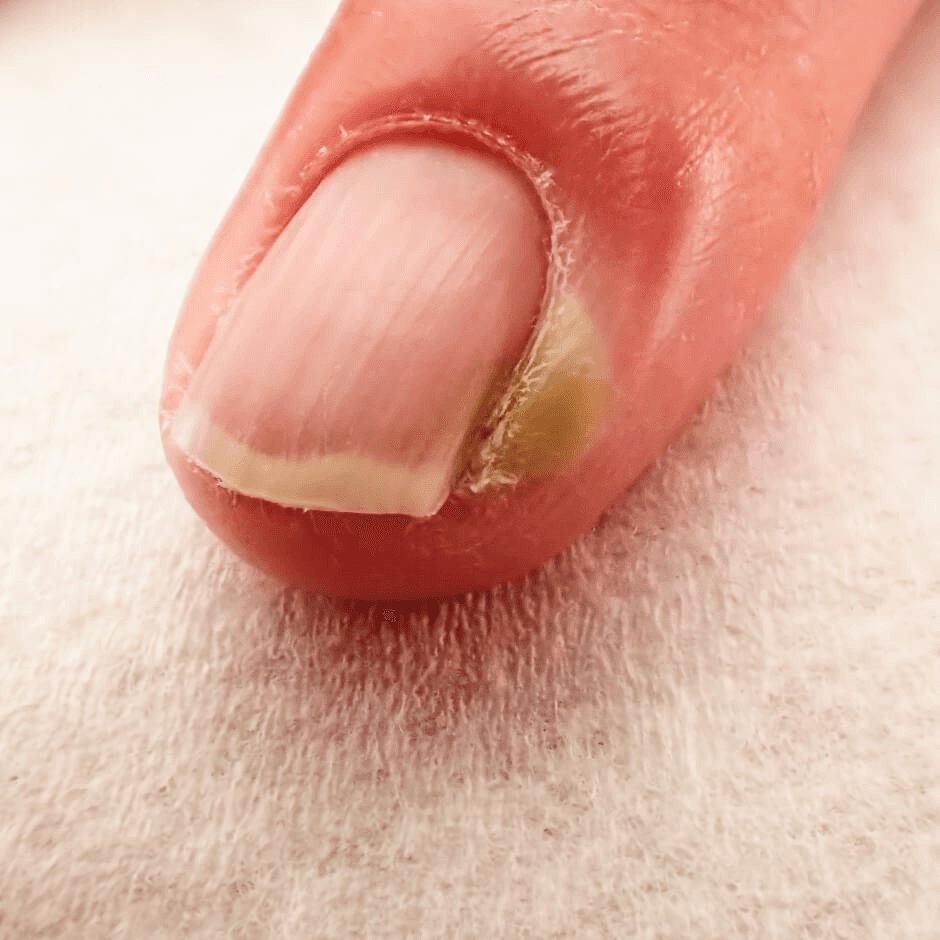
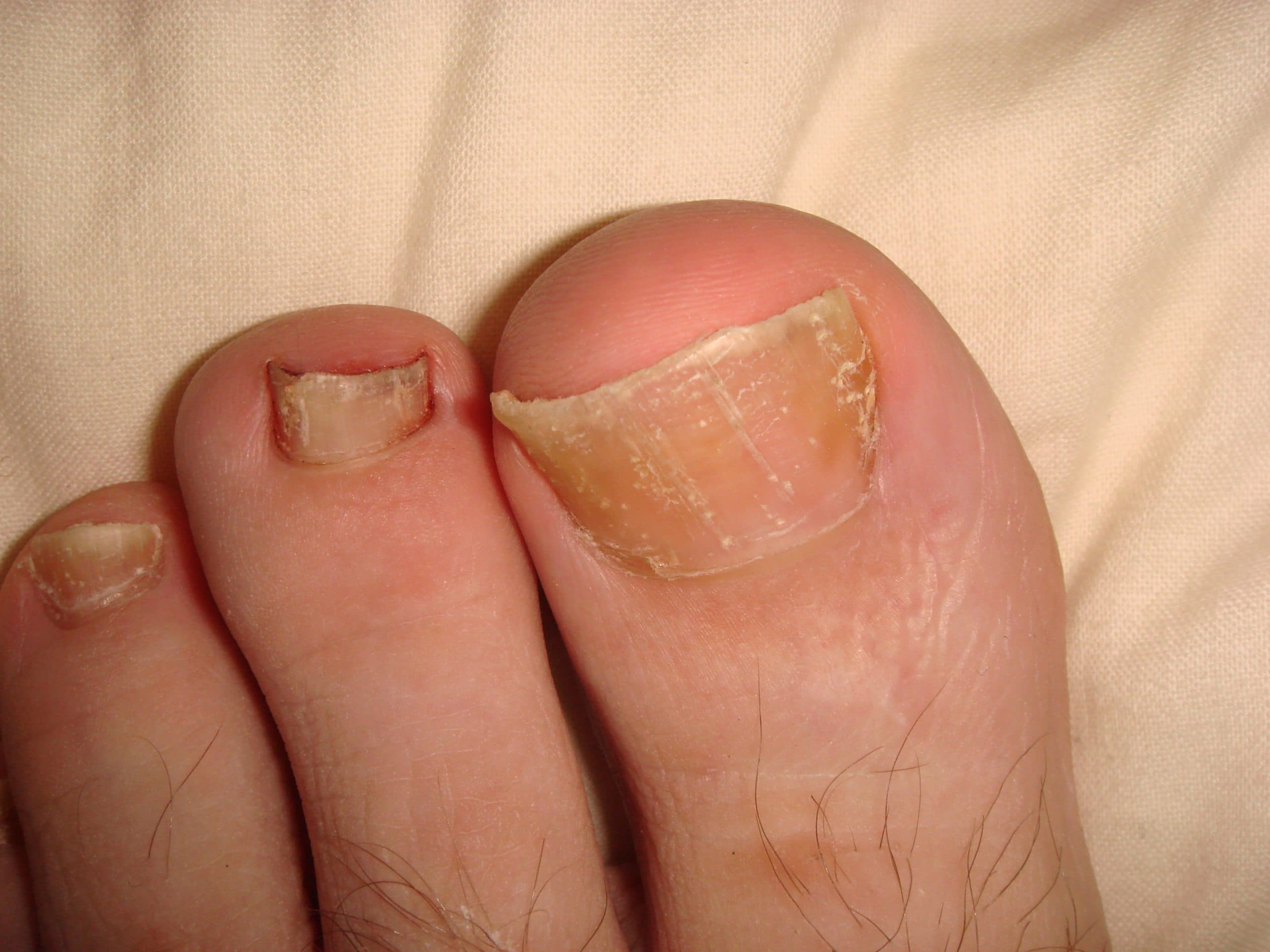
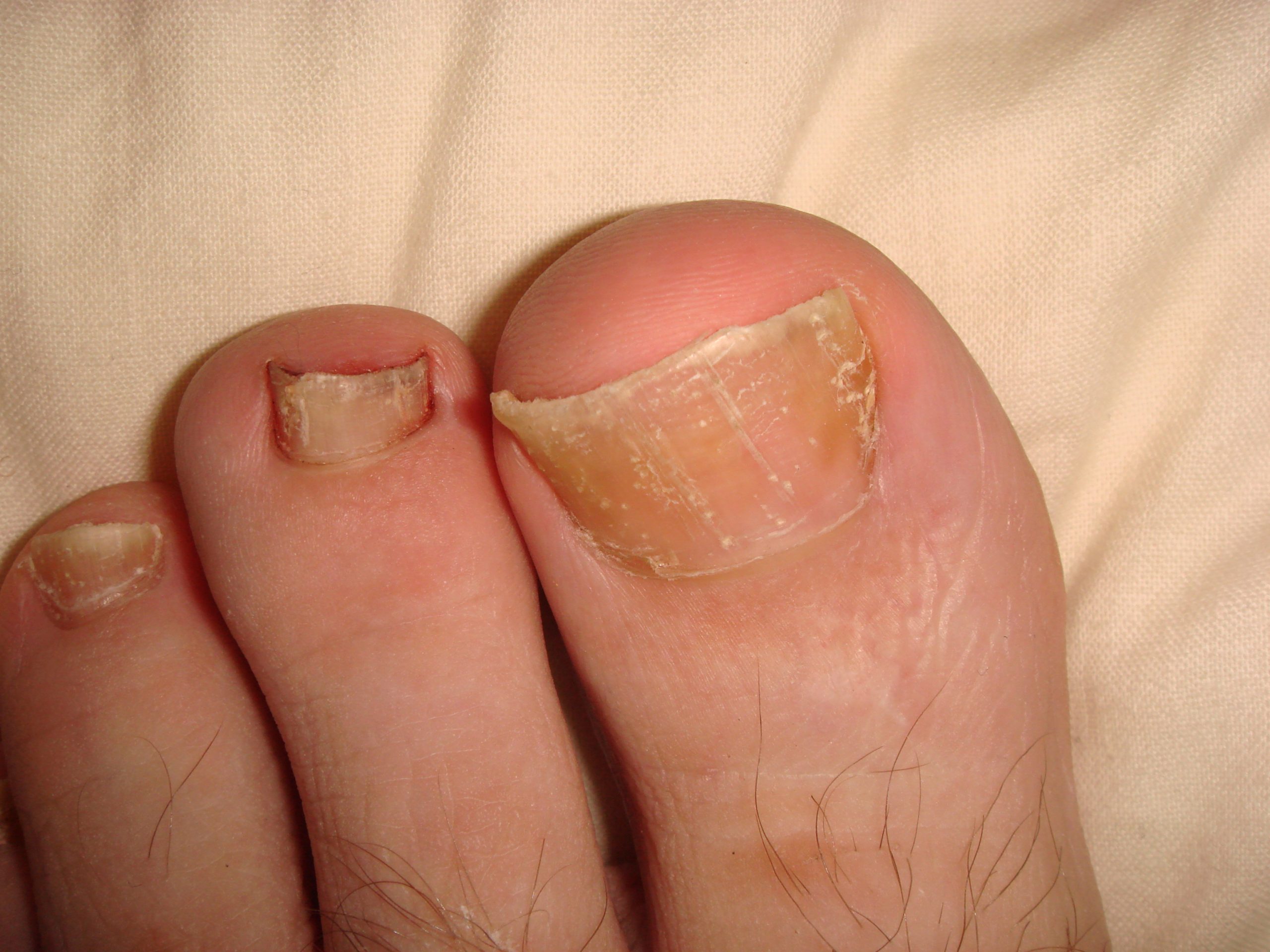
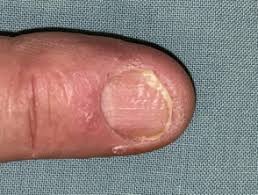
The symptoms of nail psoriasis can range from mild cosmetic issues to more severe cases causing pain and discomfort. The most common symptoms include:
- Spots under the nails (known as oil spots) – yellow, red, pink, or brown.
- Pitting and horizontal lines on the nail plate.
- Brittle, crumbling, or splitting nails.
- Thickening of the nail due to keratin buildup under the nails.
- A feeling of tightness, soreness, and general discomfort.
When to See a Doctor?
If you notice the symptoms mentioned above, it is recommended to consult a dermatologist for a thorough examination and accurate diagnosis. The dermatologists at our clinic can help accurately diagnose, assess the severity of the condition, and select an individualized treatment and care plan. Consultations are available both in-person and online.
Diagnosis
To diagnose nail psoriasis, a patient interview and clinical examination are usually sufficient. Sometimes additional tests, such as tests for fungal infections (KOH test), are necessary, especially if there is suspicion that an infection has contributed to the symptoms.
Treatment
Treatment requires an individualized approach, considering the severity of the symptoms. General recommendations include nail care – keeping them short and avoiding trauma. Treatment strategies include:
- Topical treatments applied directly to the affected skin.
- Systemic methods aimed at reducing overall inflammation.
- Light therapy and specialized procedures tailored to the specific nail condition.
- Innovative treatment strategies for more severe cases.
Combining several therapies achieves the best results, but it is important to do so under a doctor's supervision.
ARTICLE_GIF
Care and Prevention
To improve nail health and prevent complications, it is important to properly care for the nails and adhere to the required care guidelines:
- Regularly trim nails and care for the surrounding skin.
- Avoid aggressive cleaning and trauma.
- Use moisturizing products that help improve skin condition.
- If possible, avoid stress, which can worsen psoriasis symptoms.
Conclusions
Nail psoriasis is a complex condition that causes both physical and emotional discomfort. It is important to seek specialist help in a timely manner to select the best treatment plan and help reduce symptoms and improve quality of life. The dermatologists at our clinic are ready to assist and consult on the most appropriate treatment solutions, considering individual needs and the complexity of the condition.