Introduction
Psoriasis, also known as plaque psoriasis, is a common chronic inflammatory skin disease characterized by recurring rashes, scaling, and skin redness. Although it is not contagious, this condition can significantly impact daily life, emotional well-being, and social activities. Psoriasis can be diagnosed at any age, but it more commonly manifests in young and middle-aged individuals. With proper care and treatment, most people can manage symptoms and lead a fulfilling life.
What is it?
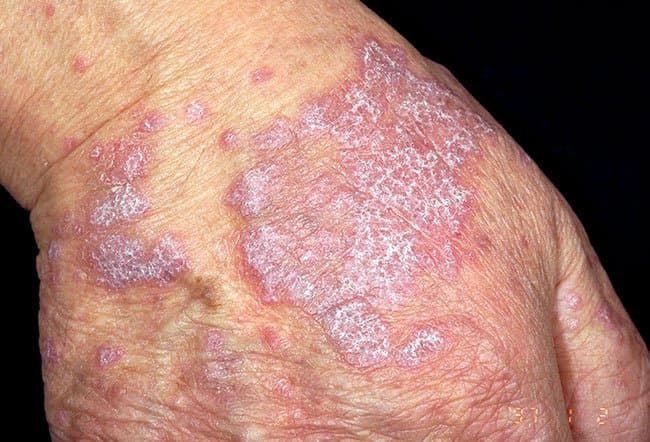
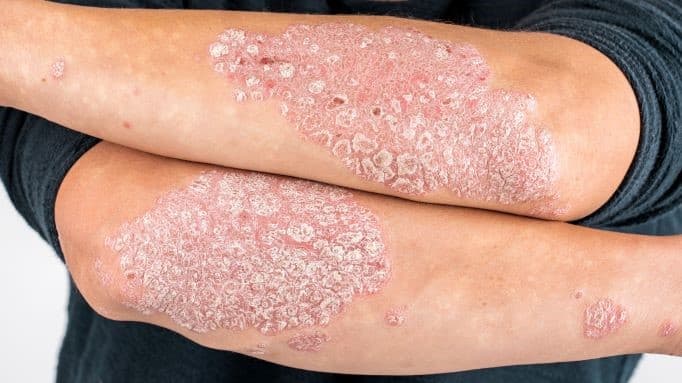
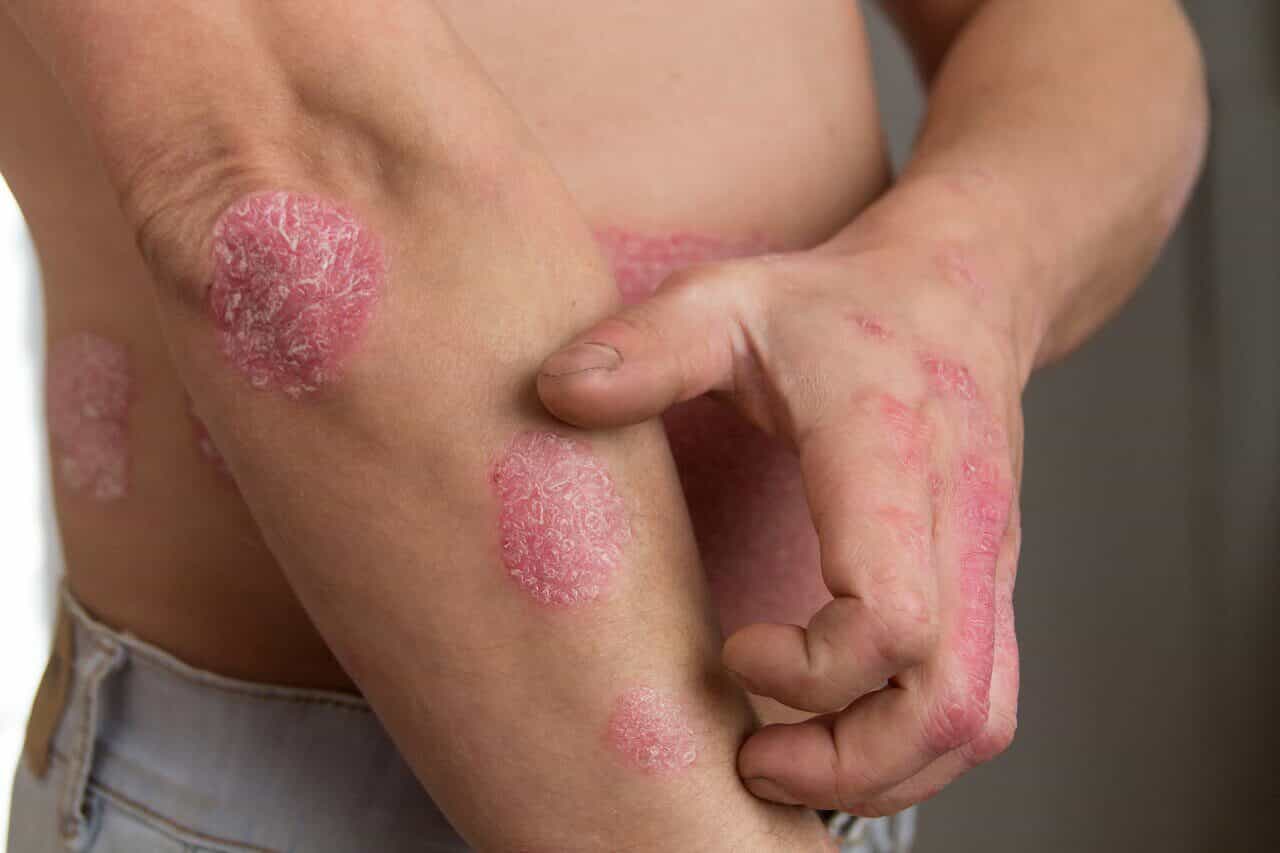
Psoriasis causes a faster proliferation of epidermal cells (keratinocytes) and inflammation, resulting in well-defined, red, raised plaques covered with silvery-white scales on the skin. The most common areas are the elbows, knees, scalp, and sacrum, but rashes can appear anywhere on the body, including the palms, soles, skin folds, and genital area. For some individuals, symptoms worsen in winter, while sunny summers bring relief.
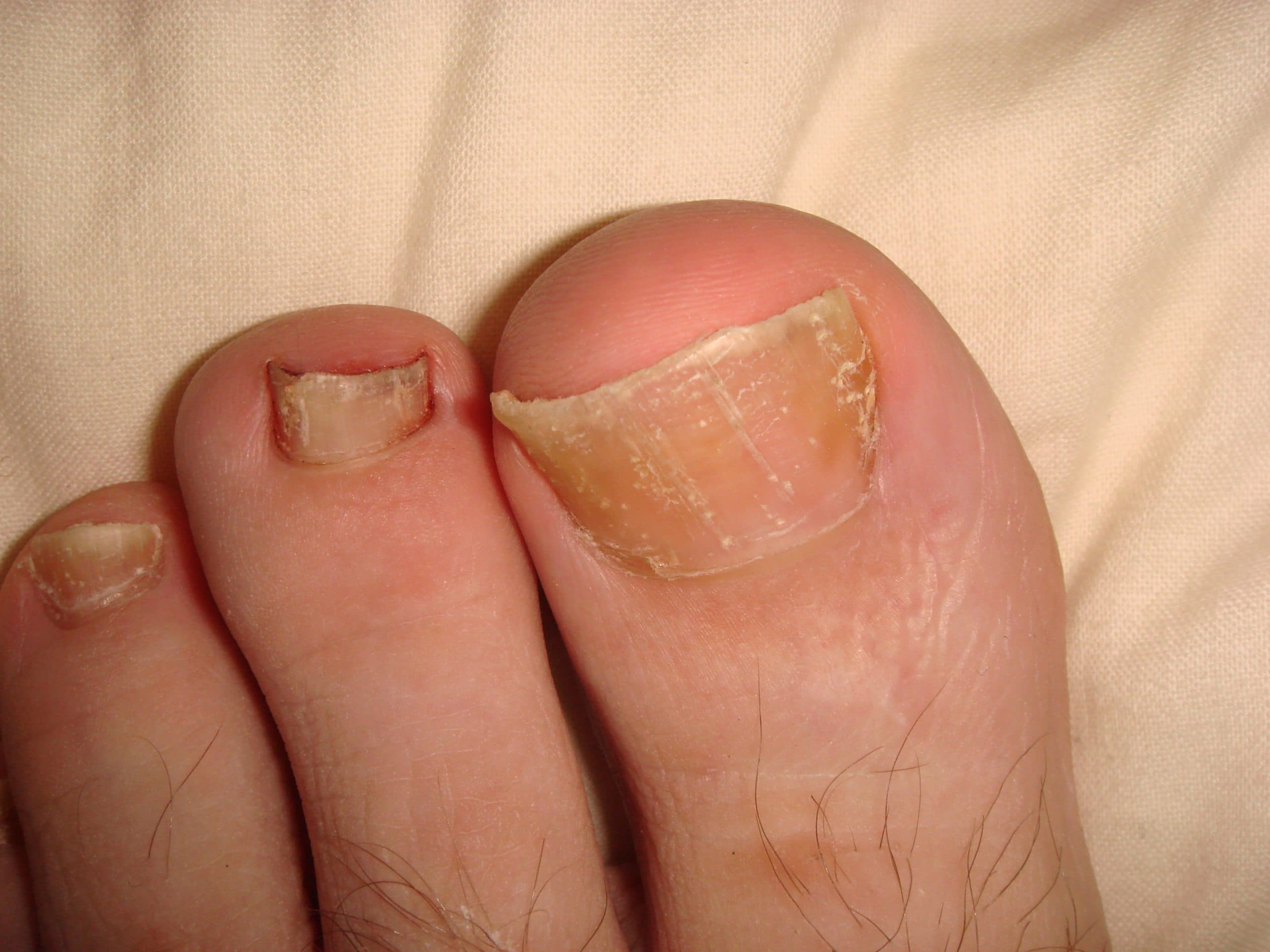
Psoriasis can affect more than just the skin—nails may become thickened, prone to layering, and develop pits or color changes. Additionally, about one-third of patients may develop psoriatic arthritis, characterized by joint pain, swelling, and morning stiffness. Due to its chronic nature and appearance changes, psoriasis is often associated with anxiety, depression, and decreased self-esteem.
Causes and Risk Factors
Psoriasis is multifactorial, influenced by genetics, immune system peculiarities, and environmental factors.
- Genetic predisposition: If one parent has psoriasis, the risk increases; having multiple affected family members further elevates the risk.
- Immune system: Activated immune processes stimulate skin cell renewal and inflammation.
- Triggering factors: Stress, skin injuries (scratches, friction, tattoos—known as the Koebner phenomenon), infections (especially upper respiratory), smoking, alcohol, cold and dry climates, hormonal fluctuations, certain medications. Sleep, obesity, and metabolic disorders may also play a role.
Traditionally, two types of the disease are distinguished: Type I often begins before age 40, is more common in families, and can be more severe; Type II usually appears later and is often milder.
Symptoms
- Skin lesions: Clearly defined, pink or red plaques covered with scales; may itch, sometimes hurt or crack.
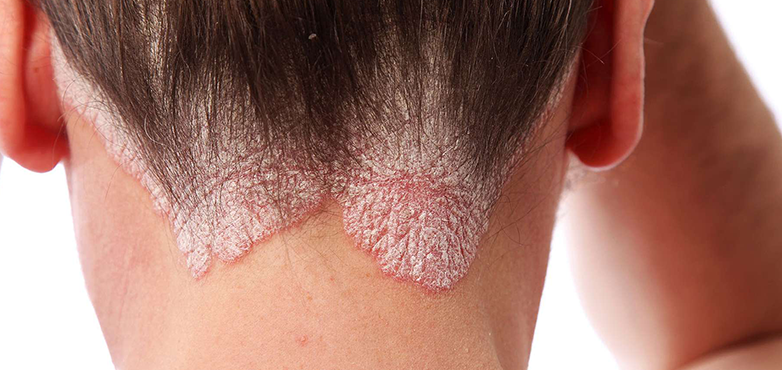
- Scalp: Heavy scaling, dryness, itching; flakes are often large and adherent.
- Nails: Pitting, thickening, brittleness, color changes, nail detachment from the bed.
- Joints: Pain, swelling, morning stiffness, especially in finger joints, back, heels.
- General signs: Alternating flare-ups and remissions; sometimes discomfort, sleep disturbances, emotional tension.
Classification of Psoriasis
- Plaque psoriasis: The most common form; typical scaly plaques on cylindrical surfaces and the scalp.
- Guttate psoriasis: Small, drop-shaped rashes, often following infections; more common in children and young adults.
- Pustular psoriasis: Pustules on red skin, can be localized (e.g., palms, soles) or widespread.
- Inverse psoriasis: Smoother, less scaly, red areas in armpits, groin, under breasts.
- Erythrodermic psoriasis: Covers a large skin area, causing redness, chills, general malaise; this is an urgent condition.
- Nail psoriasis: Changes in nail appearance and structure.
- Psoriatic arthritis: Affects both skin and joints.
ARTICLE_GIF
When to See a Doctor?
- If rashes spread rapidly, itch severely or hurt, disrupting sleep and daily life.
- If you experience joint pain, swelling, morning stiffness, or back pain.
- If there are nail changes or you suspect a fungal infection—a differential diagnosis is needed.
- If you experience fever, severe weakness, suspicion of erythroderma or widespread pustular form.
- If self-care measures do not help or symptoms return immediately after stopping treatment.
- In cases of pregnancy, breastfeeding, or planned pregnancy—for a safe treatment plan.
Diagnosis
Psoriasis is usually diagnosed during a clinical examination, assessing the appearance and distribution of rashes. The characteristic Auspitz triad phenomenon: scraping off scales reveals a thin shiny film, and damaging it causes pinpoint bleeding. If in doubt, a skin biopsy is performed—a small tissue sample for microscopic evaluation. Sometimes dermoscopy is used to differentiate psoriasis from other dermatoses.
The severity of the disease is assessed based on the affected body surface area, spread, and impact of symptoms on quality of life. Special indices may be used to monitor treatment effectiveness, and comorbidities are evaluated: blood pressure, lipids, glucose metabolism, body mass index.
For identifying psoriatic arthritis, questions about joint pain, stiffness, nail changes, and family predisposition are important. If necessary, blood tests, ultrasound, or radiological examinations are performed.
Our clinic's dermatologists help accurately diagnose, assess the severity, and develop an individual treatment and care plan. Consultations are available both in-person and online, allowing you to receive help quickly and conveniently.
Treatment
Although psoriasis is chronic and prone to recurrence, modern methods allow effective symptom control and prolonged remission periods. The treatment plan is chosen individually, considering the extent, form, comorbidities, lifestyle, and patient expectations.
- Skin care and topical treatment: Regular use of emollients, restoring the skin barrier, and gentle softening of scales. Anti-inflammatory preparations are prescribed for plaques and flare-up sites as needed. Special products are used for the scalp to facilitate scale separation and relieve itching.
- Phototherapy: Controlled therapeutic UV radiation in clinical settings. It is especially suitable for widespread rashes or when topical methods are insufficient. The course consists of several weeks of procedures with gradually dosed light.
- Systemic treatments: Used in moderate to severe cases, as well as in psoriatic arthritis or significant quality of life impairment. They affect the immune system and inflammation. Treatment requires medical supervision and regular laboratory monitoring.
- Biological therapy and targeted treatments: Prescribed when other methods are ineffective or contraindicated. These are modern, targeted therapy methods that help achieve long-term disease control.
- Holistic approach: Weight correction, stress management, sleep hygiene, recognition, and assistance for depression and anxiety. Often needed as much as medicinal treatment to improve skin condition and quality of life.
Dermatologist consultation in-person or online helps quickly clarify the diagnosis, assess risk factors, choose safe and effective treatment, and create a long-term care plan. If joint pain is present, a rheumatologist consultation may be suggested.
Care and Prevention
Psoriasis tends to flare up in waves, so consistent care is needed even during remission.
- Daily habits: Use gentle cleansers, cool or lukewarm showers, and apply emollients to dry areas. Avoid vigorous rubbing, harsh sponges.
- Scalp care: Choose products that gently separate scales and reduce itching; wash hair regularly with non-irritating formulas.
- Sun and skin: Moderate sun exposure may relieve symptoms for some, but don't forget sun protection—burns can trigger flare-ups.
- Lifestyle: Quit smoking and alcohol, engage in regular physical activity, and maintain a balanced, heart-healthy diet. Weight loss, if overweight, helps reduce systemic inflammation and improve treatment outcomes.
- Stress management: Mindfulness practices, breathing exercises, psychological support. Stress is one of the most common flare-up triggers.
- Infection prevention: Treat respiratory infections promptly, take care of oral health, as infections can trigger new rashes in some patients.
- Nail protection: Keep nails short, avoid aggressive manicure techniques, wear gloves for household tasks.
Regular visits to a dermatologist help adjust the plan according to seasonality, life changes, and disease dynamics. Our clinic specialists work with you to achieve long-term control and well-being—both in-person and remotely.
Frequently Asked Questions
- Is psoriasis contagious?
No. Psoriasis does not spread through skin contact, pools, handshakes, or shared items. - Can diet help?
A balanced diet following anti-inflammatory principles, weight control, and limiting alcohol can alleviate symptoms and improve overall well-being. It's worth discussing individual recommendations with a specialist. - Does the sun help?
Moderate sun exposure relieves symptoms for some people, but sunburn protection is essential. Controlled phototherapy in a clinic is more commonly used for treatment purposes. - How is psoriasis different from eczema?
Psoriasis often presents with sharply defined, scaly plaques on elbows, knees, and scalp; eczema tends to itch more, weep, and affect skin folds and hands more. A doctor makes the final diagnosis. - Can psoriatic rashes leave scars?
Usually not, but constant scratching or infections can cause skin discoloration or small scars. Proper care and treatment reduce this risk. - Can psoriatic arthritis damage joints?
Yes, if untreated, it can cause structural changes in the joints. If you experience pain or morning stiffness, see a specialist as soon as possible.
Conclusions
Psoriasis is a chronic inflammatory disease reflecting overall health, manifesting not only with skin rashes but also with possible nail and joint changes. Although it is not completely curable, modern individualized treatment and consistent care ensure long-term disease control and good quality of life. The earlier the diagnosis is made and targeted treatment is started, the better the results. If you notice symptoms characteristic of psoriasis, consult a dermatologist—together with a specialist, you will find the safest and most effective way to live without the bothersome flare-ups of the disease.