Common Nail Changes
Nail changes are a common and easily noticeable problem that can have various causes—from mechanical injuries and environmental irritants to systemic diseases. Understanding and recognizing these changes can be very important to ensure proper nail health care and treatment.
What is it?
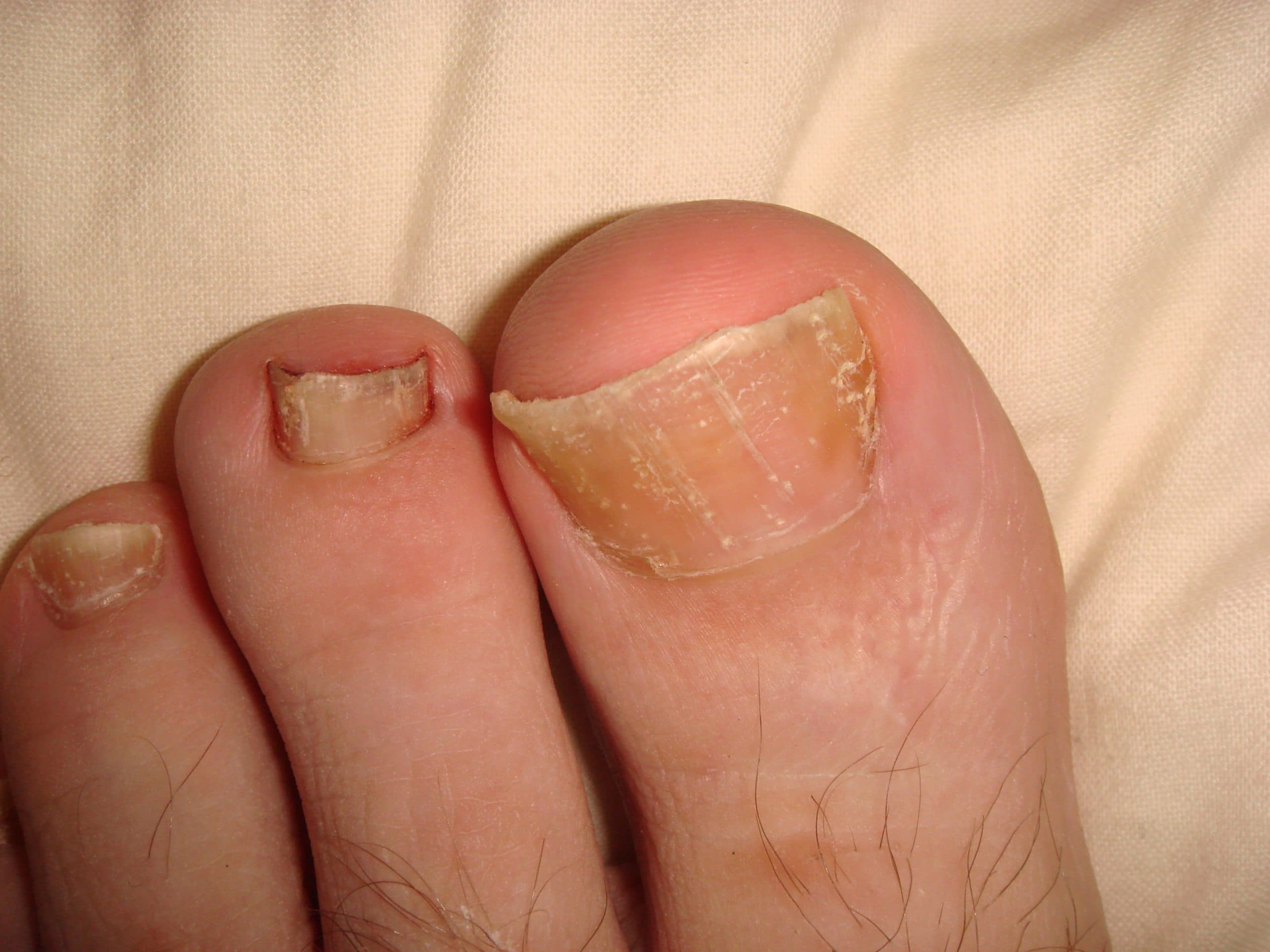
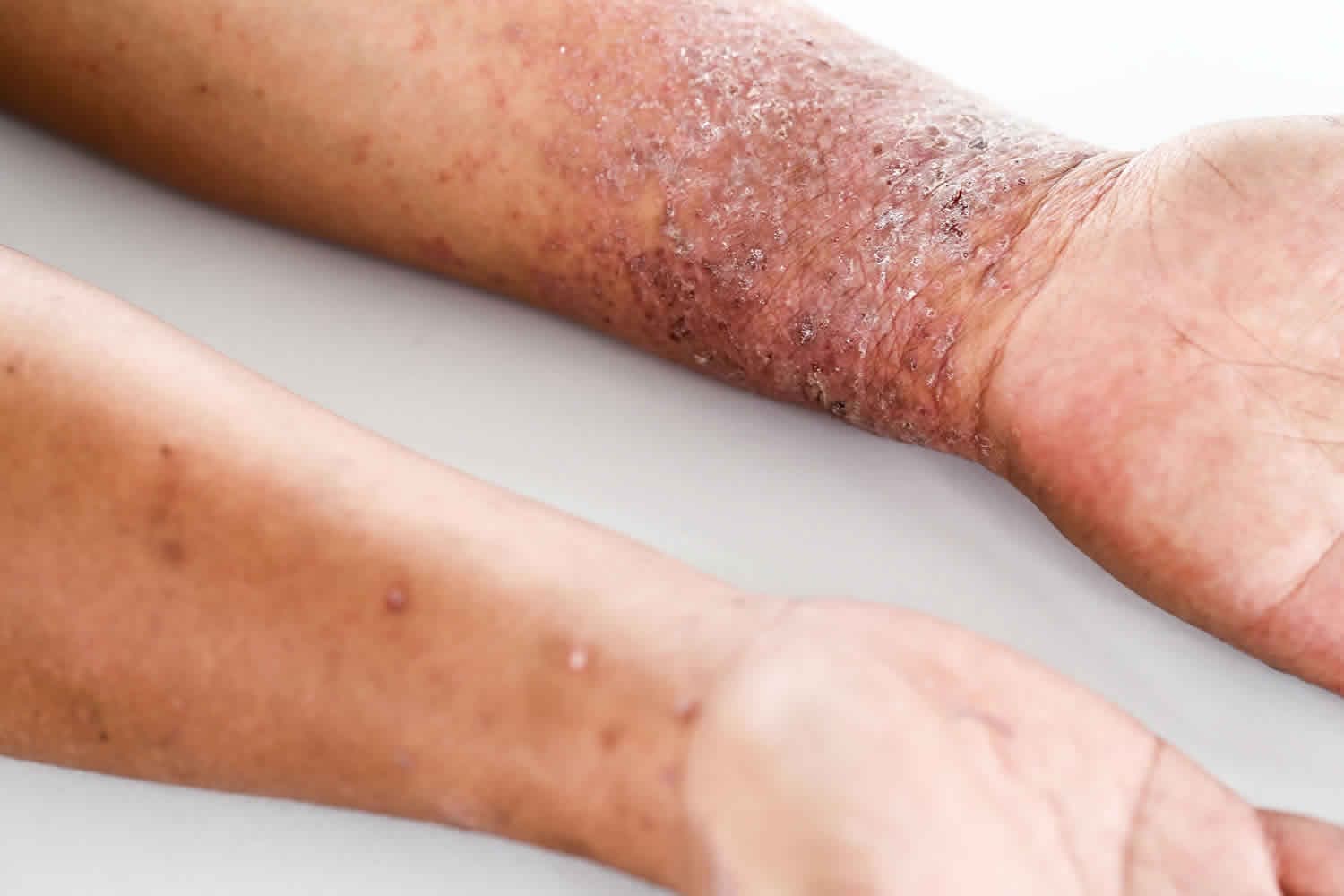
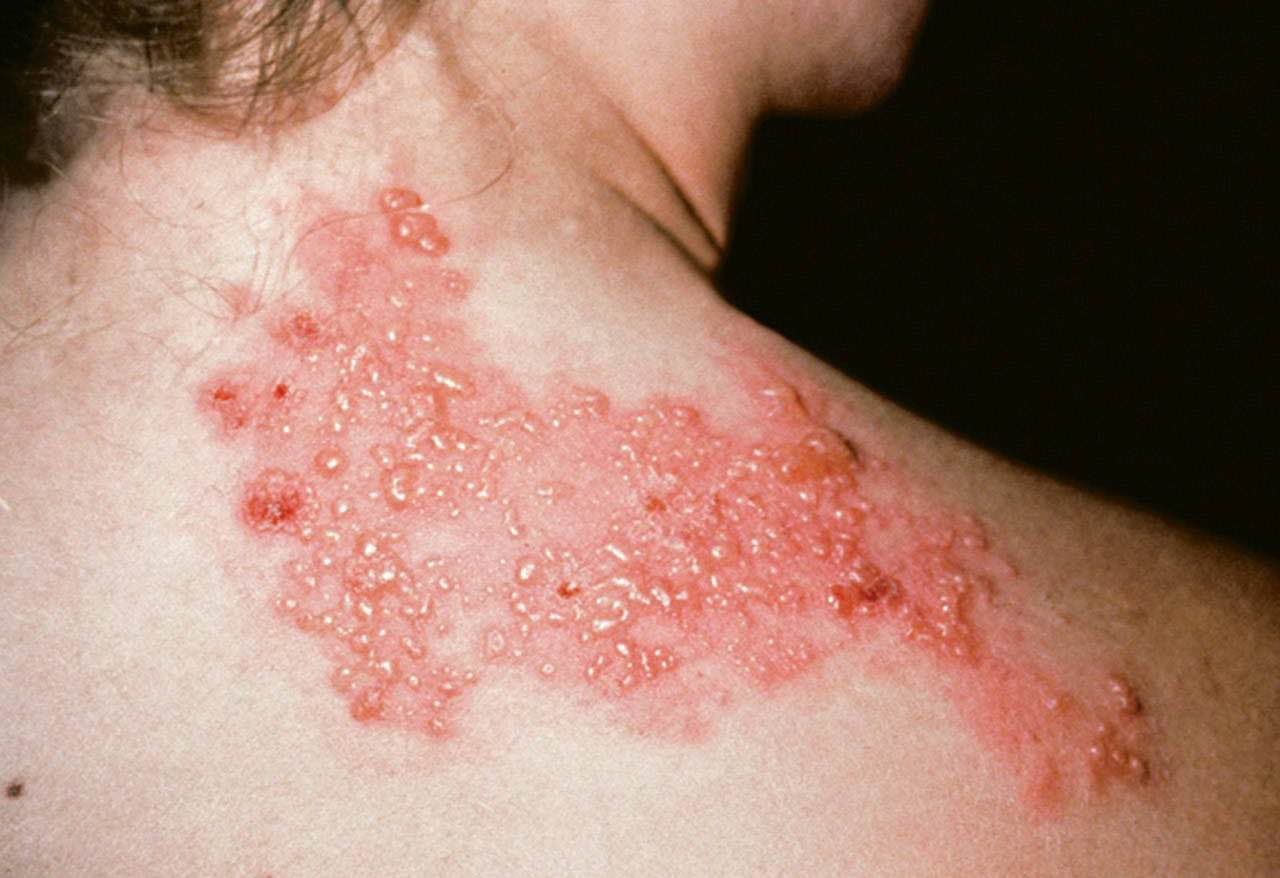
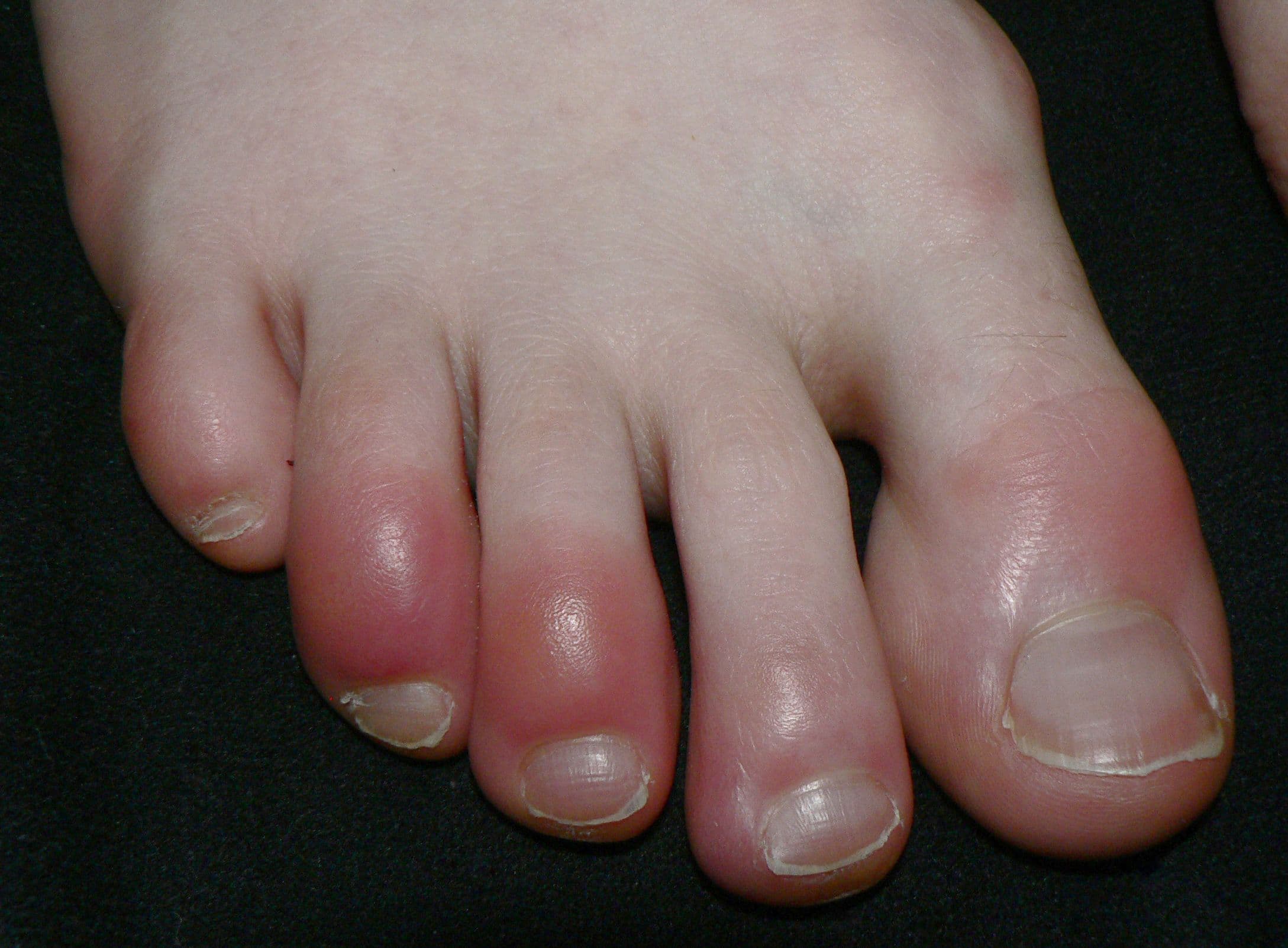
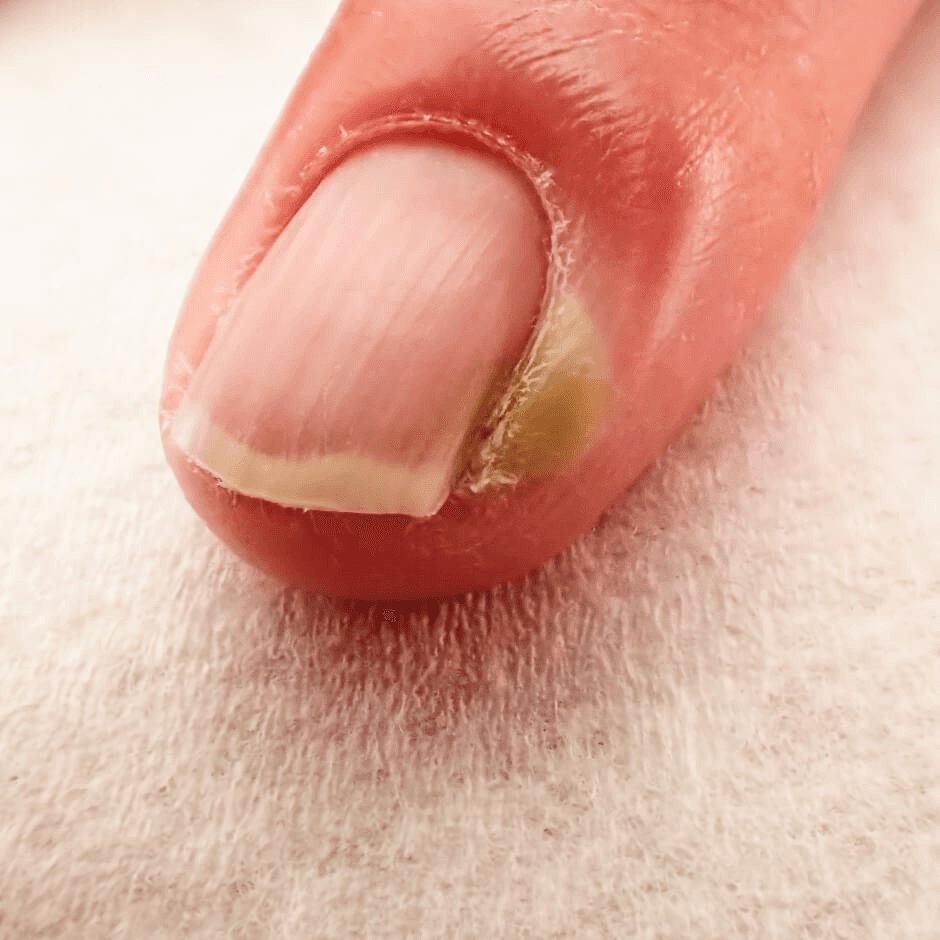
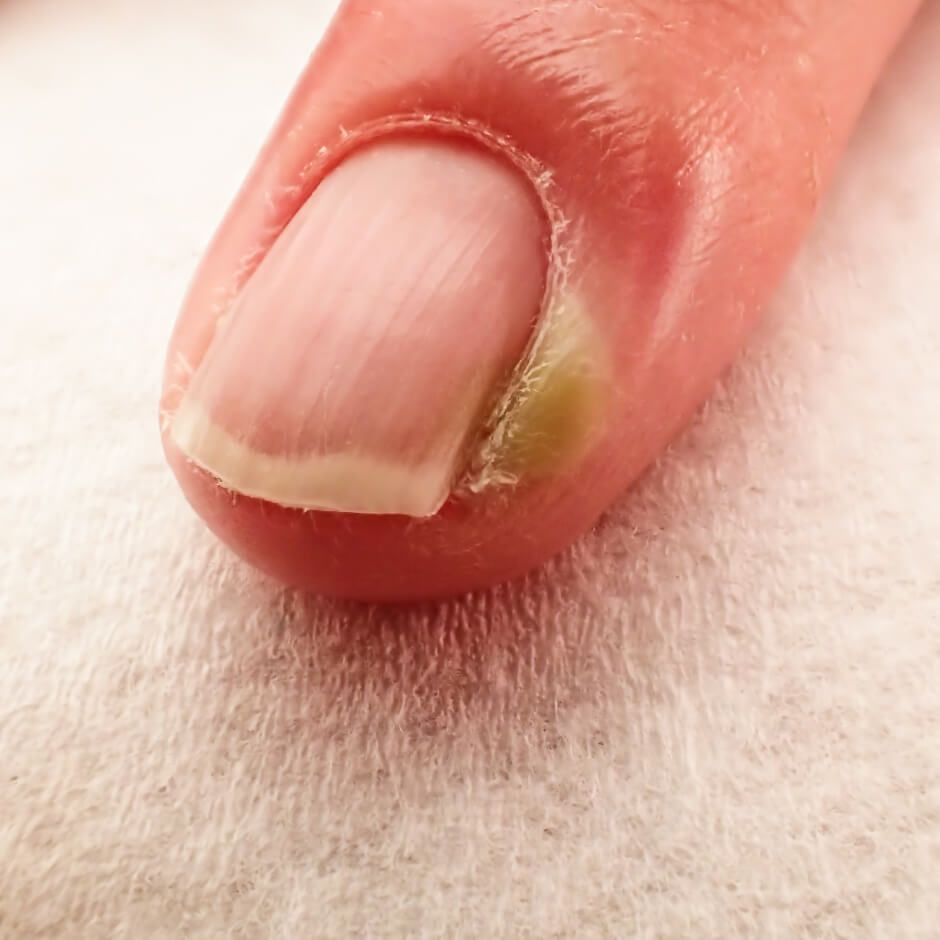
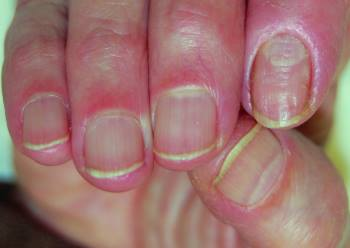
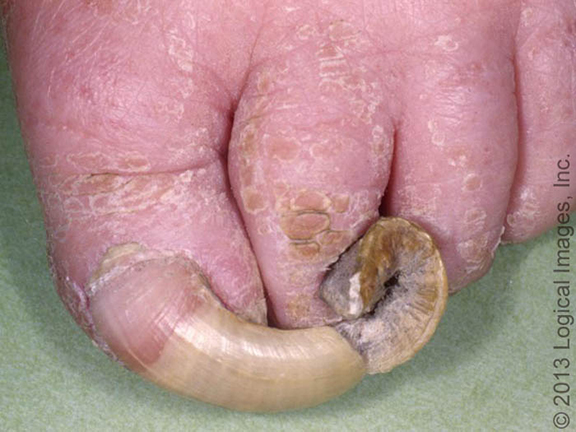
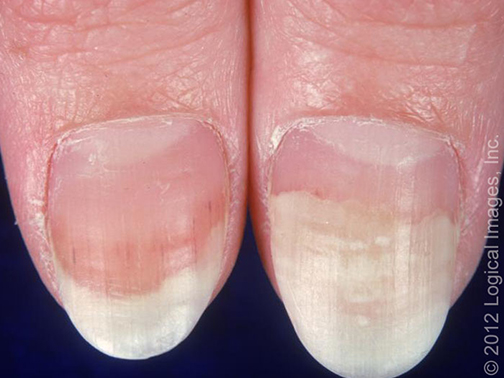
Nail changes can manifest in various forms, including structural and color changes. The most common types of nail changes include those caused by psoriasis, onycholysis, paronychia, onychogryphosis, ingrown nails, onychomycosis, and onychoschizia. Each type of nail change has distinct characteristics and can be an indication of various dermatological or systemic conditions.
Causes and Risk Factors
Nail changes can occur due to different factors:
- Microtraumas: Mechanical nail damage often causes changes.
- Environmental Factors: A moist environment and chemical irritants can damage nails.
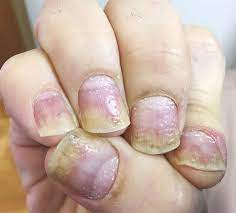
- Systemic Diseases: Diseases such as psoriasis, lichen planus, or diabetes often affect nail health.
- Fungal Infections: Fungal infections can change the color and shape of nails.
- Hygiene Habits: Poor hand and nail care can lead to ingrown nails and other problems.
Symptoms
The most common symptoms of nail changes can include:
- Nail brittleness
- Deformation or indentation of the nail plate
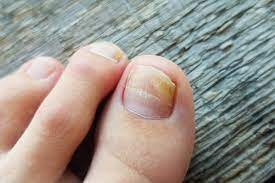
- Change in nail color to yellow, brown, or white
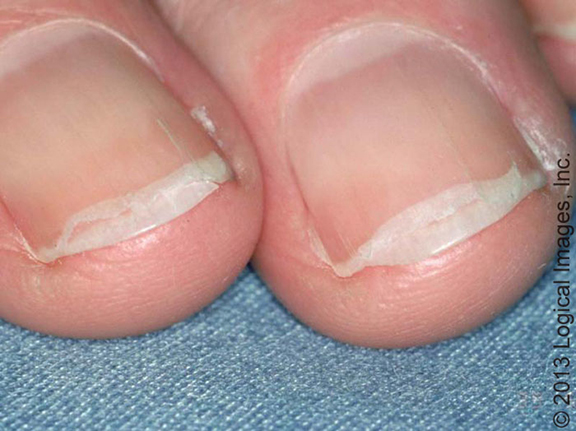
- Separation of the nail from the base (onycholysis)
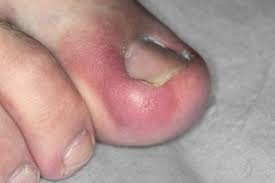
- The skin around the nail may become inflamed or swollen (paronychia)
- Thickened and deformed nails, characteristic of onychogryphosis
When to See a Doctor?
If you notice nail changes that cannot be explained by mechanical factors, or if signs of inflammation or infection appear, it is necessary to consult a doctor. Our clinic's dermatologists help accurately diagnose, assess the severity, and select an individual treatment and care plan. Consultations are available both in person and online.
ARTICLE_GIF
Diagnosis
Diagnosing nail changes often requires only a patient interview and visual assessment of the nails and surrounding tissues. In some cases, additional laboratory tests may be performed, such as for detecting fungal infections or checking for systemic diseases.
Treatment
The treatment plan depends on the type of nail change identified and the underlying cause. Depending on the situation, treatment may be conservative (e.g., preventive measures, cosmetic nail care products) or surgical. In some cases, medications may be prescribed, but it is important to avoid mechanical irritation and a moist environment.
Care and Prevention
Several general measures can help prevent nail changes:
- Regular and properly performed nail hygiene
- Avoiding injuries and irritants
- Choosing comfortable, not too tight footwear
- Using moisturizing creams to keep the skin around the nails healthy
Frequently Asked Questions
- What symptoms can a fungal nail infection cause? Change in nail color, thickening, deformation; usually painless.
- How to deal with an ingrown nail? It is important to avoid tight footwear, cut nails straight, and consult a specialist in time.
- Is surgical intervention necessary for onychogryphosis? It depends on the severity; a surgical procedure may be required.
- How is onycholysis treated? Avoid irritants, maintain hygiene, and consult a specialist if complications arise.
- When is it time to see a doctor? If signs of infection or unexplained changes appear.
Conclusions
Nail changes are an important sign indicating possible issues not only with nail health but also with overall health. Regular nail care, monitoring symptoms, and early consultation with a specialist can help prevent more serious problems. If you notice any suspicious changes in your nails and surrounding skin, consider consulting with iDerma clinic dermatologists who can help accurately diagnose and select an appropriate treatment plan.