Foot Fungus: What It Is and How to Treat It
Foot fungus (Latin: tinea pedis) is one of the most common fungal skin infections, affecting the spaces between the toes, soles, and edges of the feet. Approximately one in four people encounter this issue at least once in their lifetime. Although the condition is not life-threatening, it can be unpleasant, causing itching, pain, flaking, and is prone to recurrence if not properly treated and prevented.
The good news is that modern dermatology allows for effective management of foot fungus. The key is to recognize the symptoms in time, properly care for foot hygiene, and adhere to an individually tailored treatment plan. In this article, we explain how to distinguish foot fungus from other conditions, when to see a doctor, and how to treat it safely and effectively.
What Is It?
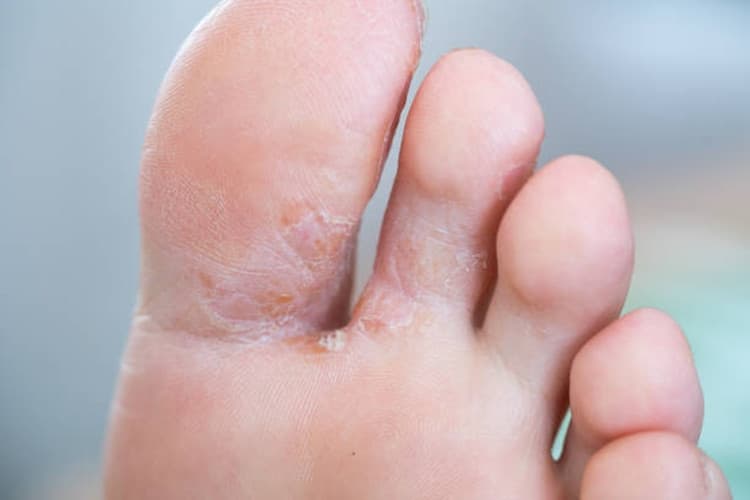
Foot fungus is a skin infection caused by dermatophytes—fungi that thrive in warm, moist, and enclosed environments. The spaces between the toes and the skin of the soles are most commonly affected, but the infection can spread to the sides, dorsal surfaces of the feet, and even the nails.
There are several clinical forms:
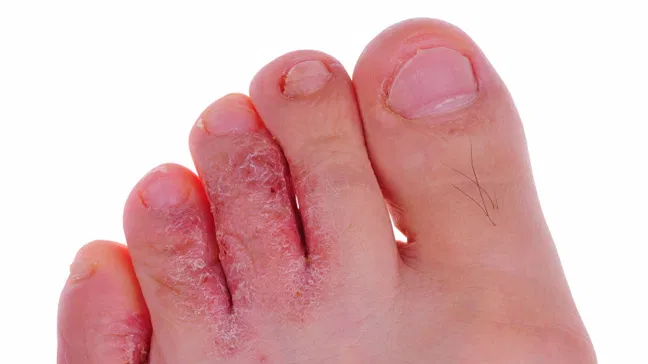
- Interdigital form. The most common. The skin between the toes becomes macerated (softened), red, cracked, with an unpleasant odor and itching or burning sensation.
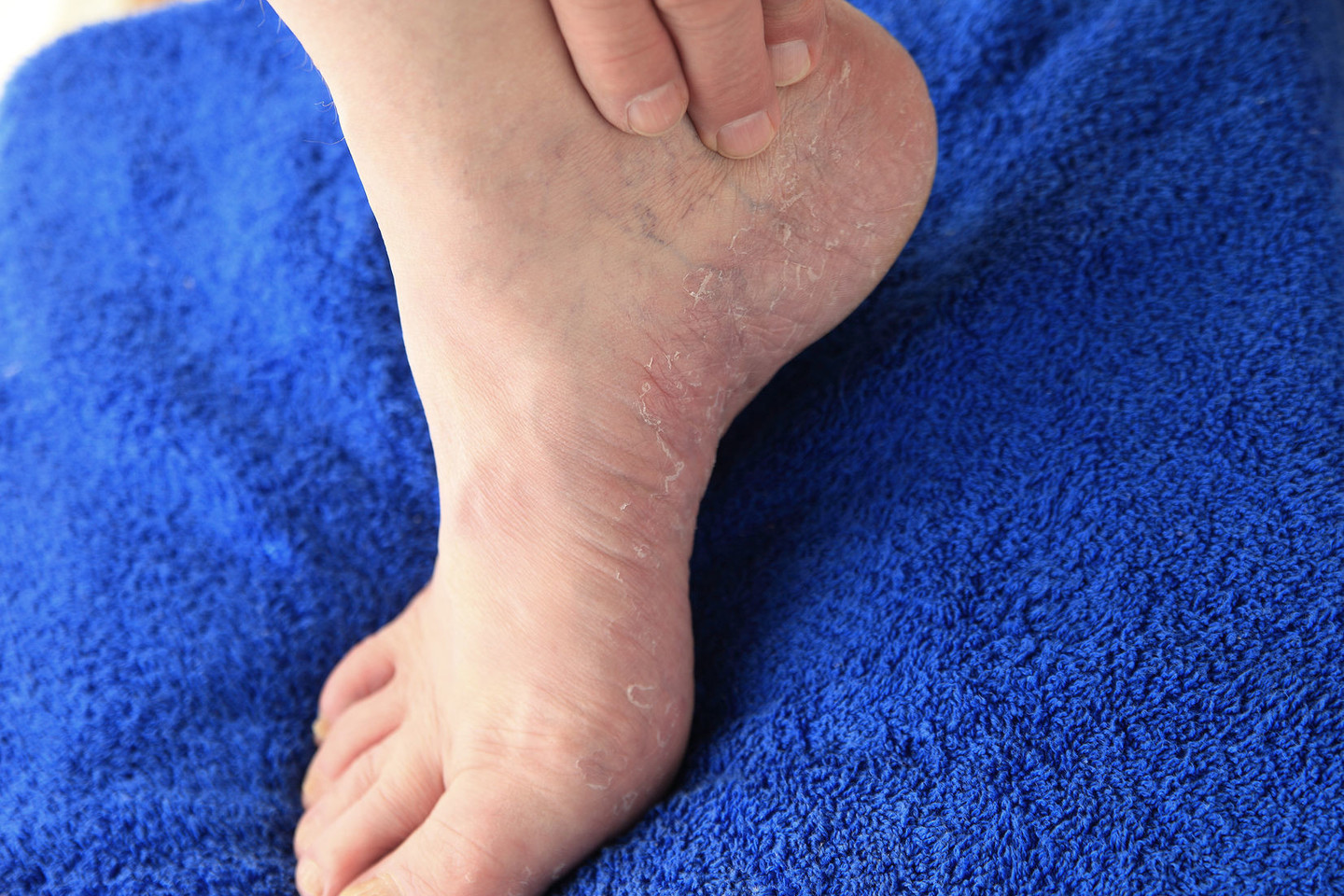
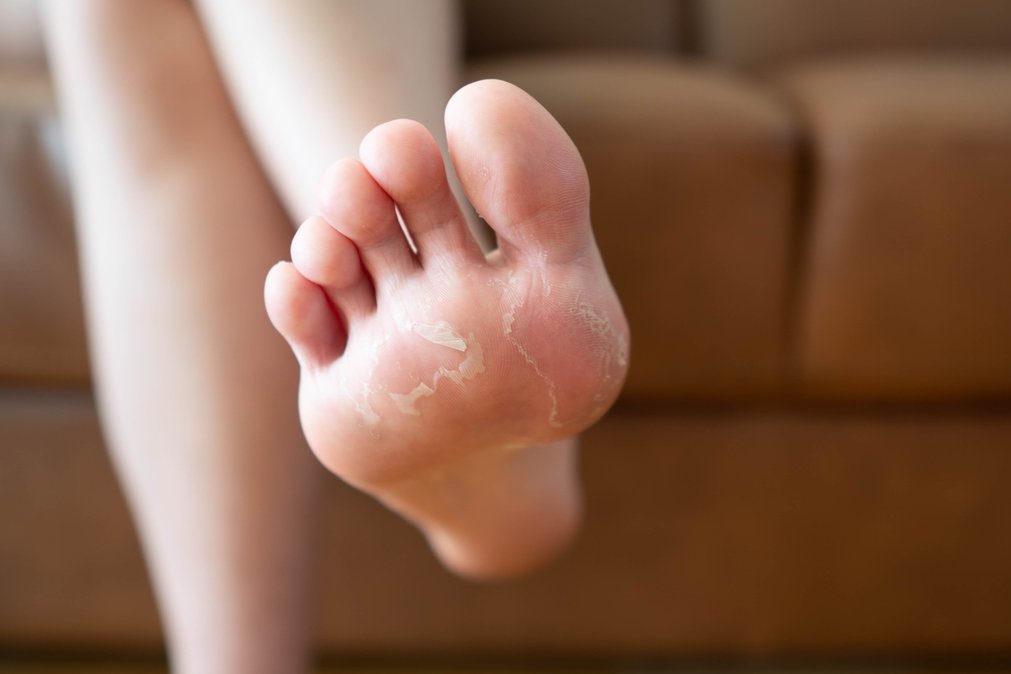
- Sole (moccasin) form. Characterized by dry, thick, flaky skin on the soles and edges of the feet. Often affects both feet, and the process can be chronic.
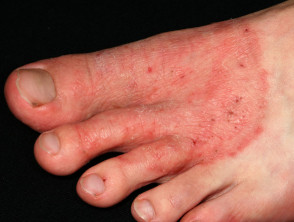
- Vesicular form. Itchy blisters appear on the arch or sides of the feet, which burst and form erosions or crusts.
This infection is contagious—it spreads through direct contact with infected skin or surfaces, as well as through footwear, socks, shower floors, and mats.
Causes and Risk Factors
Foot fungus is most commonly caused by dermatophytes (e.g., Trichophyton species), which particularly thrive in:
- moist and warm environments (sweaty feet, closed shoes),
- frequenting gyms, swimming pools, saunas, communal showers,
- using shared slippers, mats, towels, or footwear.
Risk is increased by:
- Increased foot sweating (hyperhidrosis) and inadequate ventilation (tight, non-breathable footwear, synthetic socks).
- Microtraumas (abrasions, cracks, calluses), providing entry points for infection.
- Weakened skin barrier function (dryness, eczema, atopic skin).
- Diabetes, sensory disturbances, or poor circulation, complicating healing and increasing the risk of complications.
- Weakened immunity or prolonged stress.
- Family members with foot or nail fungus—a potential source of infection at home.
- Nail fungus—nails can become a constant reservoir of infection, leading to recurrent foot fungus.
It's important to know: foot fungus does not necessarily indicate poor hygiene. Even with diligent foot care, the infection can occur due to environmental conditions, sweating, or the use of shared spaces.
Symptoms
Symptoms depend on the form and can range from mild flaking to painful cracks or blisters. The most common signs include:
- Between the toes: redness, flaking, whitish maceration, cracks, burning sensation, unpleasant odor.
- On the soles and edges of the feet: dryness, scaling, thickened skin, cracks, sometimes itching or aching when walking.
- Blisters: itchy or painful, when burst—oozing erosions and crusts.
- Bilateral and chronic nature: often affects both feet, symptoms tend to recur.
Possible complications: secondary bacterial infection (severe redness, pain, swelling, pus, fever), painful cracks, nail damage, and recurrences if risk factors are not addressed.
When to See a Doctor?
Consult a specialist if:
- it's the first time and you're unsure of the diagnosis;
- symptoms persist for more than 2–4 weeks despite care;
- the infection recurs or spreads to the nails;
- you have diabetes, impaired circulation, or sensory disturbances in the feet;
- you notice severe pain, swelling, pus, or fever (possible signs of bacterial infection);
- you are pregnant, breastfeeding, or have other health conditions—treatment must be very safe and individually tailored.
Early consultation with a dermatologist helps prevent complications and allows for a quicker return to daily activities.
Diagnosis
The diagnosis is usually made based on the characteristic appearance and history (duration of symptoms, environmental factors, previous episodes). If the appearance is atypical or the infection recurs, tests are applied:
- Microscopic examination. A sample of skin flakes is taken from the edge of an active lesion. Fungal structures are sought under a microscope. The result is obtained the same day.
- Culture. The sample is cultured in a special medium, allowing for more precise identification of the pathogen. The result is provided after a few weeks. Resistance tests for dermatophytes are rarely needed.
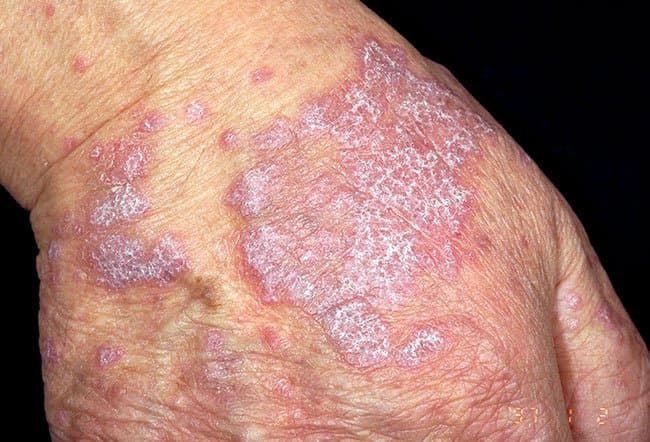
- Differential diagnosis. Foot fungus can be confused with eczema, psoriasis, contact dermatitis, or bacterial skin diseases. Tests help differentiate these conditions.
Our clinic's dermatologists help accurately diagnose, assess severity, and select an individual treatment and care plan. Consultations are offered both in-person and online—convenient when a quick response or continuous care is needed.
ARTICLE_GIF
Treatment
The treatment strategy depends on the form of the infection, its spread, duration, comorbidities, and recurrent episodes.
- Topical treatment. For mild or moderate forms, topical antifungal agents (creams, gels, lotions, or sprays) are usually sufficient. It is important to use them consistently—typically for 2–4 weeks, and to continue for another 1–2 weeks after symptoms disappear to reduce the risk of recurrence.
- Extensive, recurrent, or vesicular form. When a larger area of the soles is affected, there are blisters, the skin is very thickened, or the infection constantly recurs, systemic treatment prescribed by a doctor may be necessary. The need and duration are determined by a dermatologist.
- Nail involvement. If nails are affected, treating only the skin of the feet may not be enough—the nail infection becomes a constant source of infection. In such cases, a comprehensive plan is developed, including nail care.
- Barrier restoration and symptom control. For dry, flaky skin, emollients (moisturizers) are suitable, helping to reduce scaling and cracks. If there is severe itching or irritation, a dermatologist may recommend additional measures to relieve symptoms.
- Sweating management. For excessive foot sweating, it is useful to apply products that dry and reduce moisture (e.g., special foot powder products), and choose well-ventilated footwear and socks.
- Footwear and environmental hygiene. It is important to disinfect footwear, regularly wash socks, and change shower or sports mats—otherwise, the infection may constantly return.
How to use topical agents correctly?
- Wash your feet with warm water and a mild cleanser before application, and dry them well—especially between the toes.
- Apply a thin layer, covering 1–2 cm of healthy skin around the lesion.
- Allow the product to absorb, avoid occlusion (do not cover with airtight bandages unless directed by a doctor).
- Adhere to the prescribed duration—stopping treatment too early may lead to recurrence of the infection.
Care and Prevention
Proper daily care is key to success in treating and preventing recurrences:
- Daily hygiene. Wash your feet and then dry them thoroughly, especially between the toes. Avoid leaving moisture in shoes or on the skin.
- Socks and footwear. Choose breathable materials (e.g., cotton or other moisture-wicking materials), change socks daily or even several times a day if you sweat. Rotate footwear—wear the same pair every other day to allow them to dry.
- Public spaces. Wear slippers in pools, saunas, and communal showers. Avoid walking barefoot in gyms.
- Personal items. Do not use shared towels, mats, nail clippers, or files. Wash towels and socks at a higher temperature.
- Skin barrier. Regularly moisturize foot skin to reduce the risk of cracks and microtraumas.
- Nails. Keep nails neatly trimmed, do not use shared manicure tools. If you suspect nail fungus, consult a specialist—this helps prevent constant recurrences.
- Environmental care. Disinfect the inside of footwear, sports mats, shower cabins, and bathtubs, especially if there are infected individuals at home.
By following these principles, you will not only achieve treatment results faster but also significantly reduce the risk of recurrence.
Frequently Asked Questions
- Is foot fungus contagious?
Yes. It spreads through direct contact with infected skin or through contaminated surfaces, footwear, socks. Therefore, personal hygiene and caution in public places are important. - Can foot fungus spread to the nails?
It can. Without treatment or with inadequate treatment, the infection often spreads to the nails. Treatment then usually takes longer, and the risk of recurrence increases. - How long does treatment take?
Treatment of mild forms usually lasts 2–4 weeks, but in chronic or extensive cases, longer and combined treatment may be required. It is important to continue treatment even after symptoms disappear. - Does foot fungus go away on its own?
Usually not. Without treatment, the infection can persist, recur, spread to the nails, or cause complications. - Why does foot fungus keep recurring?
Reasons include unresolved risk factors (sweating, closed footwear), inadequate treatment course, improper footwear and environmental hygiene, or untreated nail fungus. - Are home remedies effective?
There is insufficient scientific evidence on the effectiveness of home remedies. The safest and most effective approach is to follow a treatment and care plan prepared by a dermatologist.
Conclusions
Foot fungus is a very common but controllable skin infection. Timely recognition of symptoms, consistent treatment, and proper foot hygiene allow for quick improvement and reduced risk of recurrence. Remember, the most accurate diagnosis and best treatment plan are selected by a specialist who evaluates the individual situation. If you are unsure about symptoms or treatment does not yield the expected result, seek help—professional assistance helps safely and effectively return to a normal life rhythm.