Introduction
Candidiasis, commonly referred to as thrush or yeast infection, is a common yet often underestimated health issue that can affect the skin, mucous membranes, and nails. The most frequent cause is the yeast Candida albicans, although other Candida species can also lead to infection. Normally, these microorganisms coexist with us on the skin, in the mouth, and in the intestinal mucosa without causing any symptoms. However, under certain circumstances, they can multiply rapidly and cause unpleasant, sometimes prolonged ailments. In this article, we will discuss how to recognize candidiasis, why it sometimes "flares up," how to diagnose, treat, and—most importantly—prevent recurrences.
What is it?
Candidiasis is an opportunistic infection caused by yeast fungi. It can manifest in various parts of the body: skin folds (groin, armpits, under the breasts), between the fingers, around the nails and on the nails, in the oral cavity (thrush), at the corners of the lips, and less commonly in the genital area. The clinical presentation depends on the location, but a common feature is red, irritated, itchy skin or mucosa that tends to become moist, peel, and sometimes be painful.
In small amounts, Candida fungi are normal inhabitants of the human microbiota. When the balance between these microorganisms and the immune system is disrupted, the fungi gain an advantage and begin to multiply. Such a shift in balance is often associated with a moist and warm environment, damage to the skin barrier, metabolic and hormonal changes, or weakened immunity.
Causes and Risk Factors
Candidiasis is more likely to occur when conditions favor fungal growth or when the body's natural defense mechanisms are weakened. The most common risk factors include:
- Moist, warm environment and friction: prolonged skin wetness, occlusive (non-breathable) clothing, inadequate drying of the skin after bathing, excessive sweating, sports activities without timely clothing changes.
- Damage to the skin barrier: minor cracks, maceration (skin "soaking"), skin diseases causing damage in folds or between fingers.
- Weakened immune system: chronic diseases, cancer treatment courses, immunosuppression, older age or very young age (infants).
- Hormonal and metabolic changes: pregnancy, diabetes (especially when glucose levels are poorly controlled), endocrine disorders, obesity (larger skin folds—more moisture and friction).
- Microbiota imbalance: prolonged or frequent use of broad-spectrum antibiotics can weaken the "protection" of the normal bacterial flora, allowing Candida to overgrow.
- Specific local conditions: oral prostheses, improperly maintained dental prostheses, frequent consumption of sugary drinks, habits of wearing wet sports clothes, rubber or tight slippers in pools.
- Medications affecting locally: inhaled medications containing glucocorticoids (if the mouth is not rinsed afterward), as well as local preparations that irritate the mucosa.
Symptoms
The symptoms of candidiasis depend on the affected area, but the following signs are common:
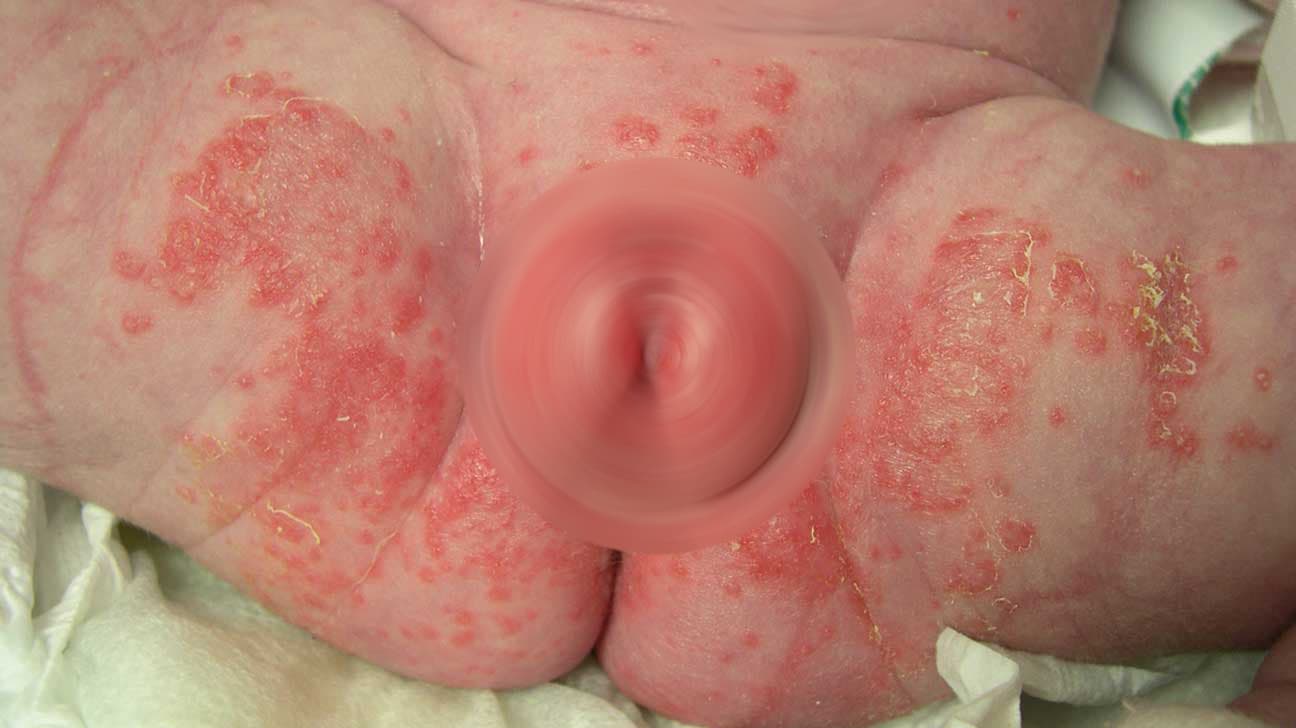
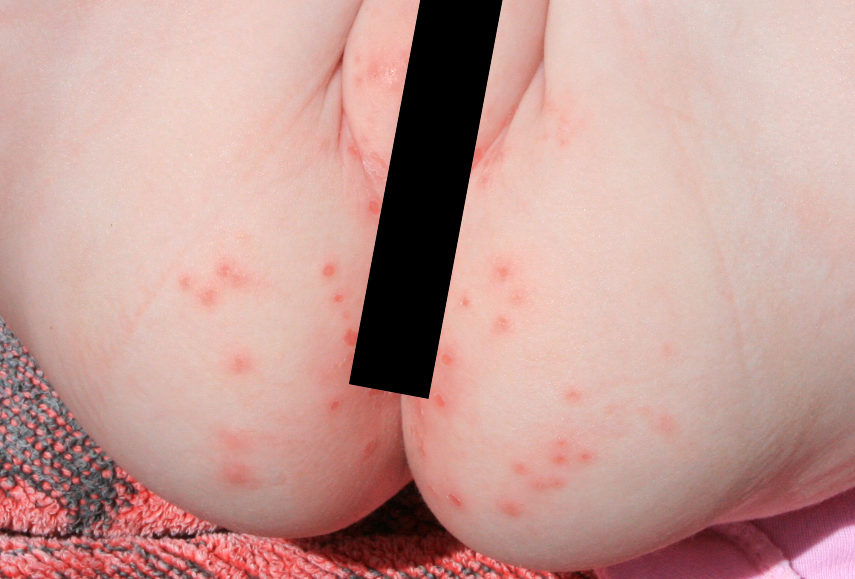
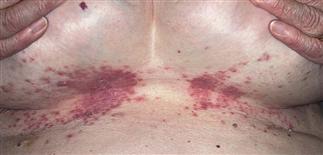
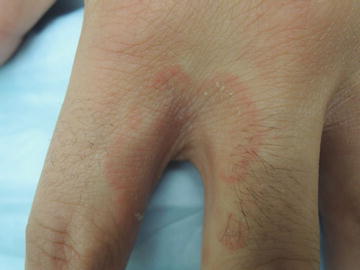
- Skin (intertriginous) candidiasis: red, eventually moist, shiny, scaly patches in skin folds; itching, burning; small "satellite" papules or pustules around the main lesion; may have an unpleasant odor. Common areas include the groin, armpits, under the breasts, buttock folds, and between fingers.
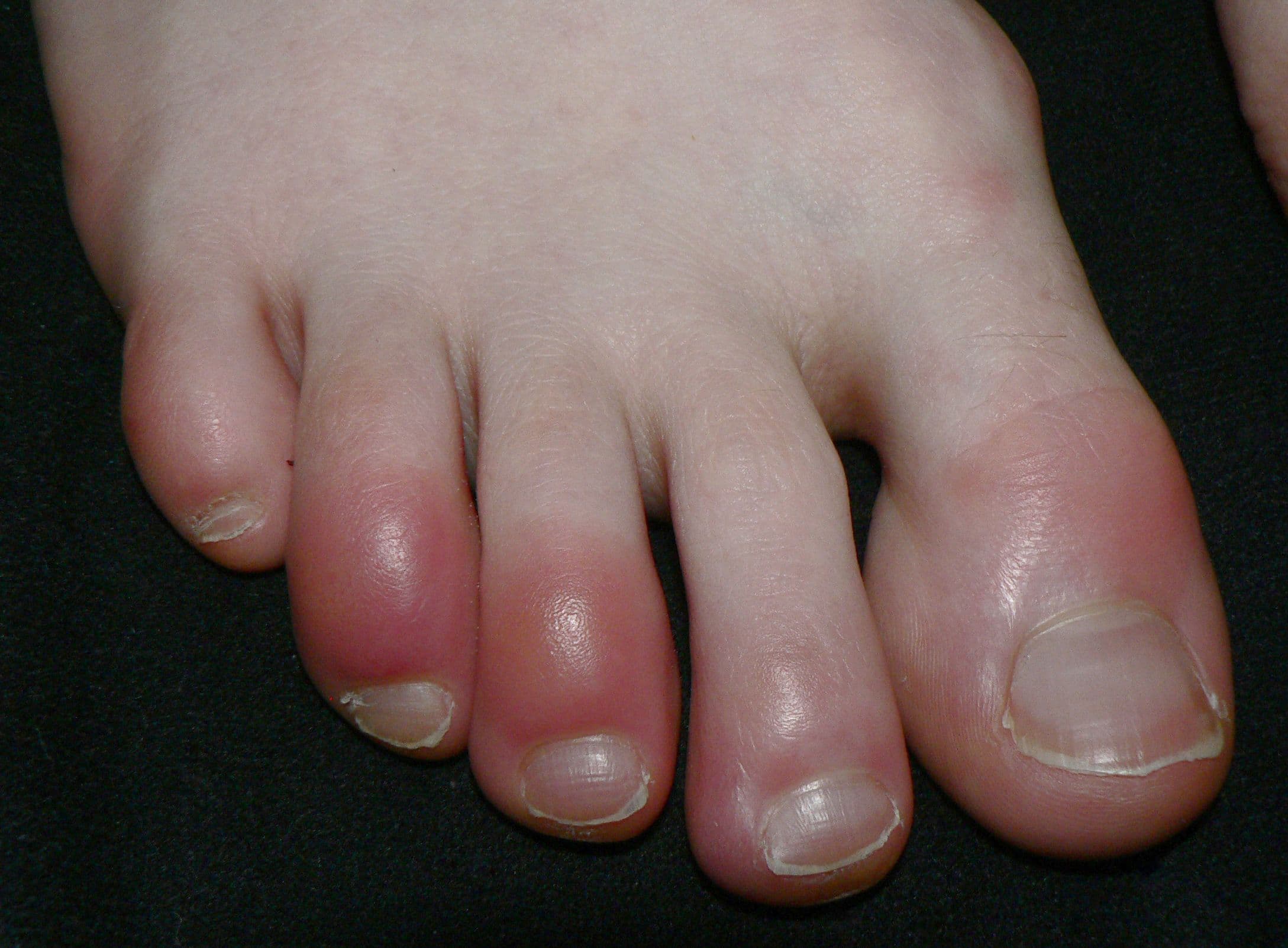
- Interdigital involvement: the skin is softened, whitish, painful, may crack and become moist; most commonly occurs between the toes, especially when wearing tight, non-breathable shoes.
- Nail and nail fold (paronychia) candidiasis: red, swollen, painful nail fold, sometimes with a small amount of discharge; the nail may become uneven, thickened, discolored, brittle.
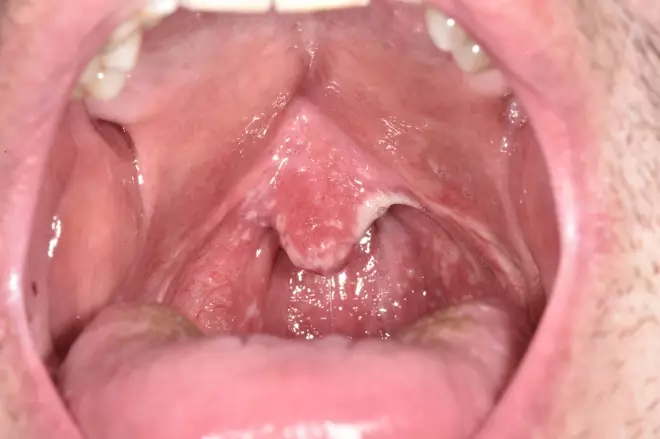
- Oral thrush (oral candidiasis): white, cheese-like plaques on the tongue, inner cheeks, palate, or throat; under the plaques—red, sometimes bleeding mucosa; pain, burning, sensitivity when swallowing, taste changes; in infants—restlessness during feeding.
- Angular cheilitis: red, moist, cracked corners of the lips, sometimes painful.
- Genital area symptoms: itching, redness, burning, discomfort; in women—whitish, cottage cheese-like discharge; in men—redness and irritation of the glans. These symptoms require careful differentiation as they may coincide with other conditions.
Candidiasis often causes unpleasant discomfort, disrupts sleep, physical activity, or daily activities. Timely initiation of treatment usually quickly reduces symptoms and stops the spread of the infection.
When to See a Doctor?
Consult a doctor if:
- symptoms do not improve or worsen within a few days of self-care measures (maintaining dryness, avoiding irritants);
- the lesion is very painful, extensive, frequently recurs, or occurs in multiple locations;
- fever, purulent discharge, or severe skin redness spreading beyond the lesion appear;
- you are pregnant, have a chronic illness (e.g., diabetes), or are taking immunosuppressive medications;
- you suspect oral thrush in an infant or an older person wearing dental prostheses; also, if feeding, swallowing, or speaking becomes painful.
Diagnosis
Often, a diagnosis of candidiasis can be made through examination and a thorough history. A dermatologist assesses the lesion's location, appearance, associated factors (sweating, clothing characteristics, control of other diseases), and recurrence frequency. With typical clinical presentation, treatment can be prescribed immediately.
When confirmation is needed or another diagnosis is suspected, tests are performed:
- Microscopic examination: a sample of scrapings, scales, or plaques is taken from the affected area; microscopy helps visualize yeast elements and differentiate from other skin diseases.
- Culture: allows identification of the specific Candida species and, if necessary, assessment of treatment sensitivity.
- Laboratory blood tests: blood glucose levels, inflammation markers, or other parameters may be evaluated if concomitant risk factors are suspected.
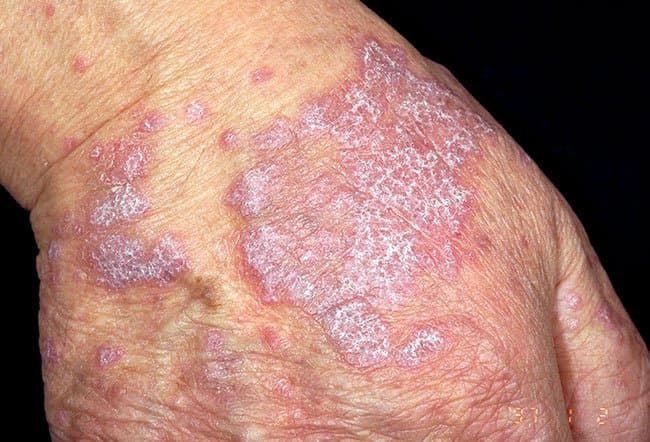
Sometimes it is necessary to differentiate candidiasis from fungal infections caused by dermatophytes, bacterial intertrigo, seborrheic dermatitis, psoriasis, eczema, or contact dermatitis. Accurate diagnosis helps select targeted and effective treatment.
Our clinic's dermatologists help accurately diagnose, assess the severity of the disease, and develop an individualized treatment and care plan. We offer consultations both in-person and remotely—especially convenient when lesions recur or long-term prevention needs to be discussed.
ARTICLE_GIF
Treatment
The goals of treatment are to alleviate symptoms, stop fungal proliferation, restore the barrier function of the skin or mucosa, and eliminate risk factors that promote recurrences. The strategy depends on the location and severity:
- Topical treatment: in most cases, first-choice agents are topical antifungal preparations (creams, ointments, solutions) applied directly to the affected area as directed by a doctor. It is important to complete the course even after symptoms subside to reduce the risk of recurrence.
- Systemic (oral) treatment: prescribed if lesions are widespread, frequently recur, do not respond to topical treatment, or affect hard-to-reach areas (e.g., nails). The need for systemic treatment is determined by a doctor.
- Symptom control and barrier protection: by limiting moisture and friction, using barrier protection products, and gentle skin-restoring agents, the skin recovers faster and irritation decreases.
- Additional measures for oral thrush: thorough oral hygiene, dental prosthesis care (removal at night, cleaning, disinfection), responding to irritants (e.g., reducing sugary drink consumption). After using inhaled medications, it is recommended to rinse the mouth with water.
- Nail and nail fold involvement: it is important to avoid constant hand soaking, work with gloves, and regularly and gently care for nails. Sometimes a longer treatment course and patience are required until the nail grows back healthy.
If candidiasis recurs, it is necessary to identify and correct the causes: improve glycemic control, review hygiene and clothing habits, and treat concomitant skin lesions (e.g., cracks at the corners of the lips). A dermatologist consultation in person or online helps quickly clarify the diagnosis and select the most appropriate, safe treatment plan.
Care and Prevention
Preventing recurrences is as important as treatment itself. These measures help reduce the risk of infection recurrence:
- Control moisture: gently but thoroughly dry skin folds and between fingers after bathing; use absorbent wipes if necessary. Avoid prolonged skin soaking.
- Choose "breathable" clothing: natural fiber clothes and underwear, looser cuts, quick-drying fabrics for sports; footwear should be well-ventilated.
- Change clothes after sweating: change clothes and socks as soon as possible during workouts or active days.
- Take care of foot hygiene: wash and dry feet daily, paying special attention to between the toes; do not share towels, mats, or footwear.
- Oral hygiene: brush teeth, use dental floss, care for dental prostheses; rinse the mouth with water after using inhaled medications.
- Diabetes control: maintain stable blood glucose levels—poor control creates ideal conditions for Candida to multiply.
- Weight and dietary habits: weight reduction helps decrease skin fold friction and moisture; a balanced diet with sufficient fiber is beneficial for overall skin and immune health.
- For infants and seniors: change diapers more frequently, allow the skin to "breathe," choose gentle, non-irritating care products; regularly clean and, if necessary, sterilize pacifiers and bottle nipples.
- Be cautious with self-treatment: improperly chosen products can mask symptoms or irritate the skin; if in doubt, consult a doctor.
Frequently Asked Questions
- Is candidiasis contagious? Candidiasis is not considered a classic "contagious" infection—it usually develops due to individual risk factors and microbiota imbalance. Close contact with a healthy person generally does not cause illness, but if favorable conditions are created (moisture, skin damage, weakened immunity), the infection may occur in the contacted person.
- How long do symptoms last? Mild forms usually improve within a few days of appropriate topical treatment and care, while a full course may last 1–3 weeks. Nail involvement takes longer, as nails grow slowly.
- Can dietary changes cure candidiasis? There is no reliable evidence that specific "yeast-free" or very strict diets alone can cure candidiasis. However, a balanced diet, adequate fiber intake, and avoiding excess sugar are beneficial for overall health and immunity.
- Can I exercise and go to the pool? Yes, if the condition is mild and you feel well. After physical activity, it is important to shower, thoroughly dry the skin, change into dry clothes, and allow the skin to breathe. In the pool, avoid staying in wet, tight clothing for long periods.
- How does candidiasis differ from other fungi? Candidiasis is caused by yeast fungi, while many other skin fungi are dermatophytes. Clinically, symptoms may overlap, so tests are performed if necessary to differentiate and select precise treatment.
- What to do if candidiasis recurs? Consult a dermatologist—it is important to assess possible predisposing factors (moisture, friction, glycemic control, prosthesis hygiene, footwear), adjust care routine, and, if necessary, prescribe a longer or different treatment. Our clinic's specialists will develop an individual plan to reduce the risk of recurrences.
Conclusions
Candidiasis is a common, usually easily manageable infection that becomes apparent when the balance between natural microbiota and the body's defense mechanisms is disrupted. The key to successful management is timely recognition of symptoms, meticulous hygiene and moisture control, appropriate topical or systemic treatment, and prevention of recurrences. If symptoms do not resolve or frequently recur, it is important to consult a dermatologist: accurate diagnosis and an individually tailored treatment and care plan help quickly return to a normal life rhythm and reduce the likelihood of recurrences.