Introduction
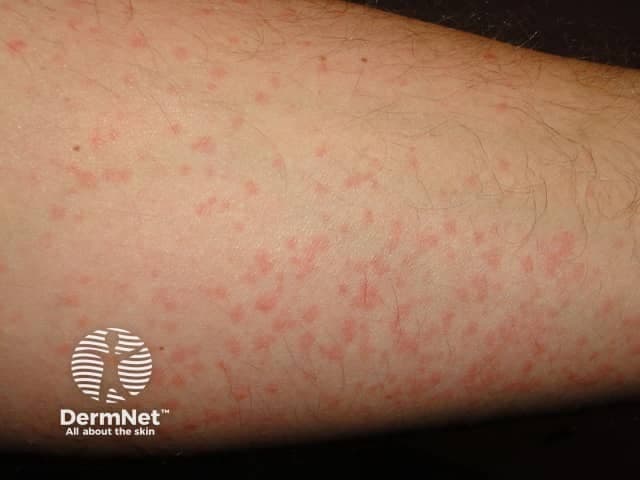
Cold urticaria is a rare but uncomfortable skin condition triggered by exposure to cold temperatures. It often causes itchy welts, swelling, or redness on the skin. While sometimes mistaken for a classic allergy, this condition is caused by a physical factor – cold, not allergens. In this article, we explain how to identify cold urticaria, when to see a doctor, and what prevention and treatment options are available.
What is it?
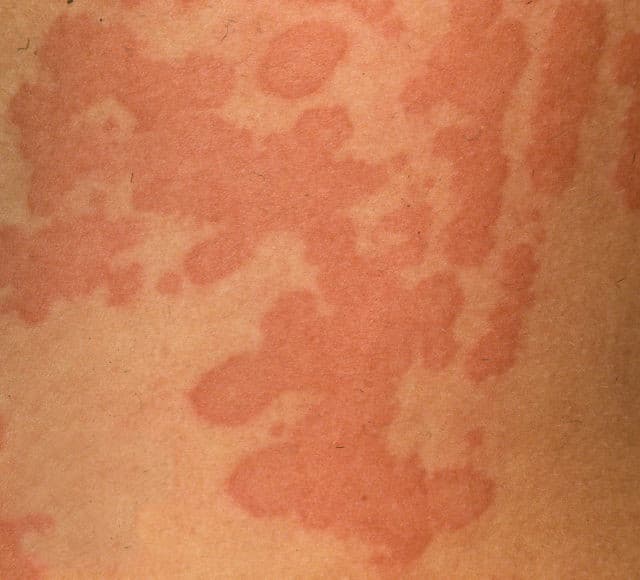
Cold urticaria (also known as cold-induced urticaria) is a hypersensitive skin reaction to cold. It is part of the chronic urticaria group and is triggered by environmental cold, such as cold air, water, or objects. The reaction leads to hives (welts), redness, and sometimes deeper swelling of the skin.
Causes and Risk Factors
The exact cause of cold urticaria is often unknown, but several factors can increase the risk:
-
Exposure to cold air, wind, or drafts
-
Contact with cold water (swimming, washing hands)
-
Touching cold surfaces or objects
-
Rapid temperature changes (from warm to cold)
-
Immune system imbalances or links to other underlying conditions (rare)
Cold urticaria is most common in young and middle-aged adults, though it can affect all age groups.
Symptoms
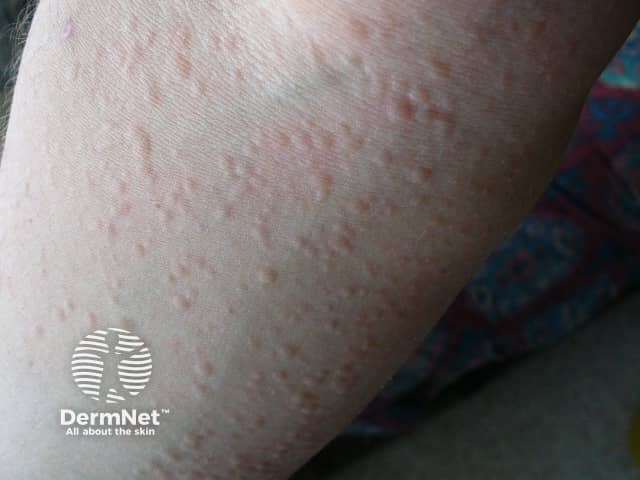
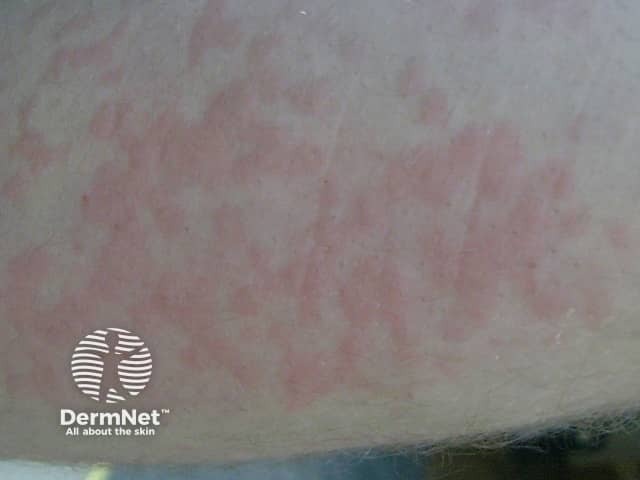
Symptoms usually appear within minutes of exposure to cold:
-
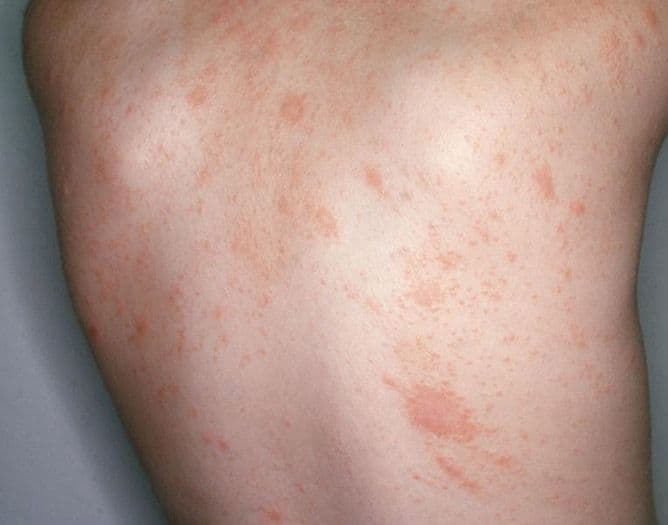
Itchy hives (welts) or red patches on the skin
-
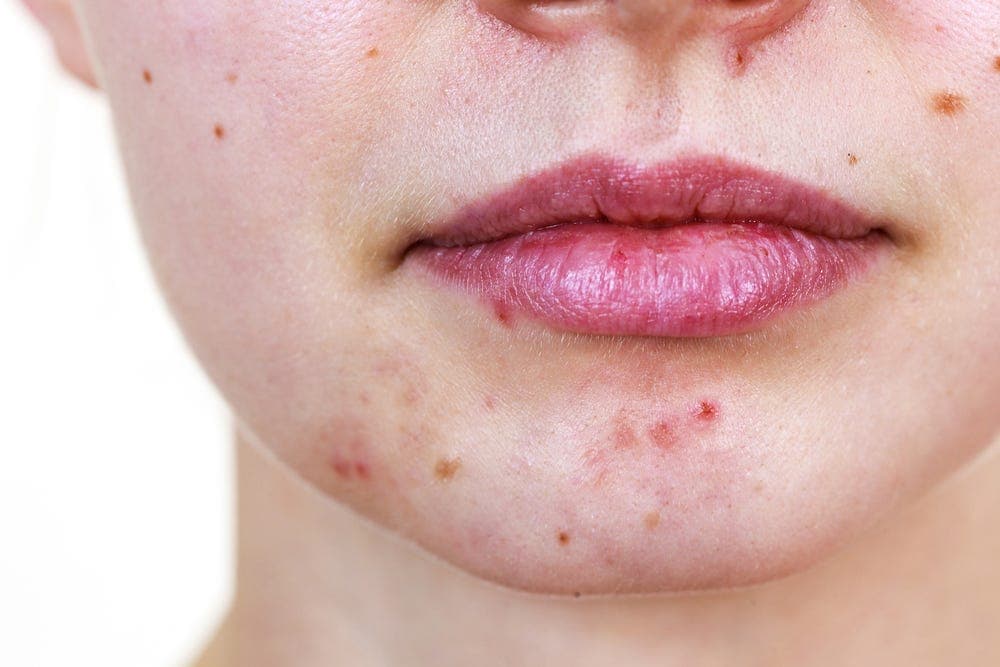
Swelling of affected areas (e.g., lips, hands, face)
-
Burning or stinging sensation
-
In rare cases, systemic reactions like dizziness, shortness of breath, or even anaphylaxis
Most symptoms subside within 1–2 hours after exposure ends.
When to See a Doctor
You should consult a dermatologist if:
-
You frequently develop hives or swelling after cold exposure
-
Symptoms interfere with daily life or activities
-
You experience shortness of breath, fatigue, or more severe reactions
-
There is concern about other possible underlying health conditions
Early diagnosis helps manage the condition effectively and prevent complications.
Diagnosis
Diagnosis is usually based on a clinical exam and your described symptoms. The doctor may perform:
-
A cold stimulation test – applying a cold object to the skin and observing the reaction
-
Blood tests to rule out other conditions (if necessary), such as inflammation markers or immune-related indicators
Treatment Options
There is no single cure, but symptoms can be effectively managed. Treatment typically includes:
-
Avoiding cold exposure – wearing warm clothes, gloves, scarves, and using protective creams
-
Pre-exposure care – protecting skin before going outdoors in cold weather
-
Medical management – treatment aimed at reducing skin sensitivity and controlling immune response (as directed by a doctor)
-
In some cases, gradual controlled exposure to cold under supervision may help build tolerance
The treatment plan is always personalized by a medical professional.
Prevention and Daily Care
To prevent flare-ups and reduce discomfort:
-
Dress warmly and cover exposed skin, especially hands and face
-
Use protective creams before going out in cold or windy weather
-
Avoid sudden temperature changes (e.g., jumping into cold water)
-
Monitor symptoms and follow your doctor’s recommendations
-
Stay informed about your condition and triggers
Frequently Asked Questions (FAQ)
Can cold urticaria go away completely?
In some people, the condition may fade over time or become less intense. In others, it remains chronic and requires ongoing care.
Can children have cold urticaria?
Yes, although it’s more common in adults. The approach to diagnosis and care is similar.
How is it different from other skin allergies?
Unlike common allergies, cold urticaria is triggered by a physical factor (cold), not by allergens like pollen or food.
Conclusion
Cold urticaria is a unique skin condition that can cause discomfort or even serious reactions when exposed to cold temperatures. With early diagnosis, personalized care, and proper prevention strategies, most people can live comfortably and minimize symptoms, even during the colder months.