Introduction
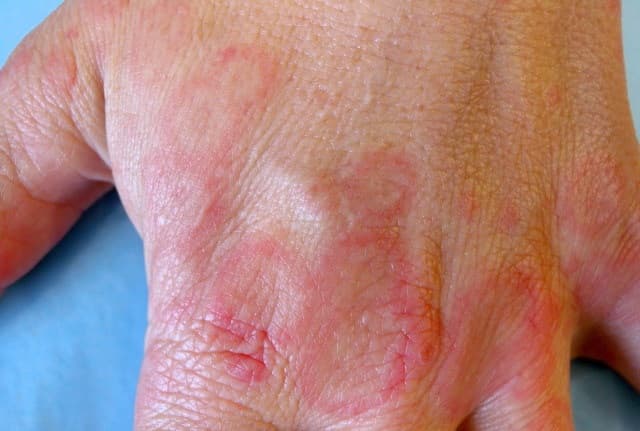
Erythema multiforme (Latin: erythema multiforme) is an acute, sometimes recurrent inflammatory condition of the skin and mucous membranes, characterized by a very distinctive "target" shaped rash. The disease most commonly appears in spring or autumn, can affect any age, but is more common in young people. Erythema multiforme is divided into minor (only the skin is affected or mucosal lesions are minimal) and major (more pronounced mucosal lesions) forms. Although the appearance can be alarming, in most cases this condition is self-limiting and resolves within a few weeks, but it is important to recognize the symptoms and assess the risks in a timely manner.
What is it?
Erythema multiforme is an immune system reaction to a certain irritant (usually infectious). The body reacts to antigens from viruses or other factors, T lymphocytes are activated, and a type IV hypersensitivity response develops. As a result, inflammatory lesions with round borders and multiple color rings resembling a target appear on the skin and mucous membranes.
Two clinical forms are distinguished:
- Minor erythema multiforme – most commonly affects the extensor surfaces of the limbs, face; mucous membranes are either not affected or the involvement is minimal.
- Major erythema multiforme – in addition to skin rashes, there are more pronounced lesions of the mouth, eyes, genital or urinary tract mucous membranes, which can cause pain and difficulty eating or swallowing.
It is very important to differentiate erythema multiforme from other serious conditions such as Stevens-Johnson syndrome or toxic epidermal necrolysis, which are characterized by extensive skin detachment and systemic symptoms. The "target" lesions of erythema multiforme usually have clear edges and are more common on the palms, soles, and limbs.
Causes and Risk Factors
The occurrence of erythema multiforme is influenced by several factors. The most common include:
- Infections – especially the herpes simplex virus. Other viral or bacterial infections, particularly of the upper respiratory tract, are also important.
- Medications – in some people, certain prescription or over-the-counter medications can trigger a reaction. Treatment should not be discontinued independently – this should always be done by a doctor after assessing the risk and benefit.
- Vaccination or other chemical/physical factors – very rarely, reactions may occur after vaccinations, contact with chemicals, or exposure to strong environmental irritants.
- Associated conditions – in some cases, erythema multiforme is diagnosed alongside chronic inflammatory diseases.
Risk is increased by a predisposition to recurrent herpes, immune system sensitivity, stress, lack of sleep, intense sun exposure, and certain hormonal changes. Erythema multiforme is slightly more frequently diagnosed in young men but can occur in anyone.
Symptoms
The signs of erythema multiforme can involve both the skin and mucous membranes. Rashes develop over 24–72 hours, often symmetrically.
Skin:
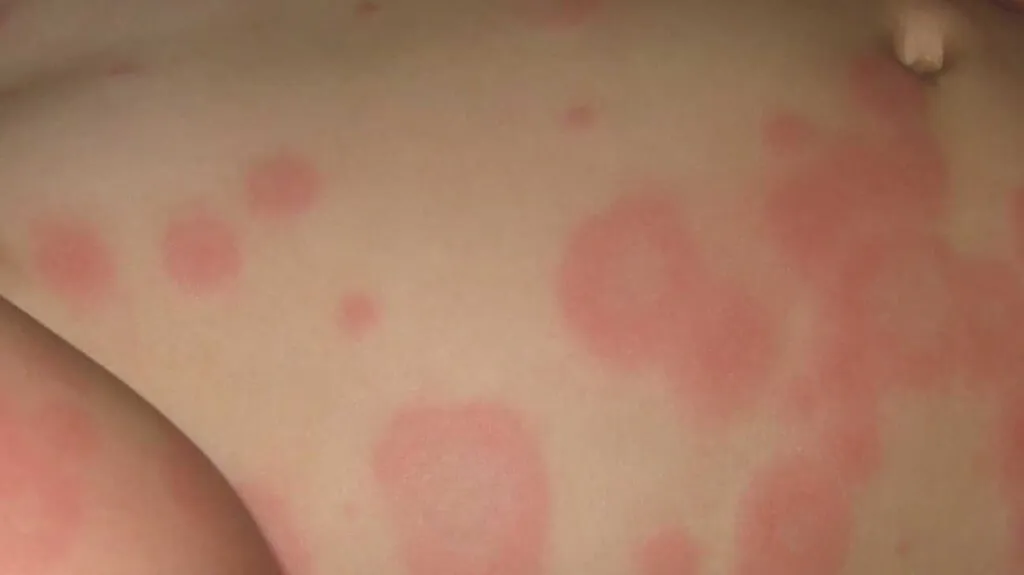
- Initially, pink or red, round papules or spots appear, which over a few days become typical "target" lesions – with a darker center, lighter ring around it, and an outer red edge.
- The diameter of the lesions is usually 1–3 cm, they have clear boundaries, are slightly raised, and may be sensitive or itchy.
- The most common locations are the hands, feet, forearms, legs, sometimes the face; the trunk is usually not dominant.
- There may be localized swelling, burning, or a feeling of tightness.
Mucous membranes:
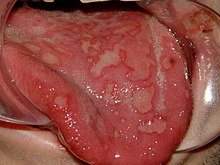
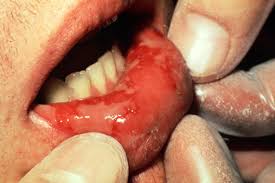
- In the mouth, there may be redness, blisters, and erosions that hurt and make eating, drinking, and brushing teeth difficult.
- Eye irritation, redness, tearing; in rare cases – blurred vision or photophobia.
- Genital or urinary tract mucous membranes – sensitivity, painful erosions.
General symptoms: mild fever, fatigue, joint aches, malaise. In cases of the major form, general symptoms are often more pronounced.
When to See a Doctor?
Seek immediate medical attention if:
- Rashes spread quickly, especially if large blisters, skin detachment, or bleeding erosions appear.
- The mouth, eyes, or genital mucous membranes are severely affected; it is difficult to eat, drink, or urinate.
- You experience severe pain, high fever, weakness, or vision disturbances.
Timely assessment of the condition usually helps to avoid complications and manage symptoms more quickly. Our clinic's dermatologists help to accurately diagnose, assess severity, and select an individual treatment and care plan. Consultations are available both in person and online – this is especially convenient when quick advice or treatment adjustment is needed.
Diagnosis
The diagnosis is usually made based on the characteristic clinical picture, carefully evaluating the dynamics of the rashes, their distribution, mucosal involvement, and overall well-being. It is important to determine what might have triggered the reaction – recent infections, recurrent herpes, newly started or changed medications, contact with chemical irritants, vaccinations, or other factors.
If necessary, tests may be ordered:
- General inflammatory markers in the blood.
- Liver and kidney function assessment if systemic treatment is planned or other organ involvement is suspected.
- Search for infection markers (according to the clinic – e.g., if viral or bacterial origin is suspected).
- Skin biopsy – in atypical, prolonged, or difficult-to-distinguish cases from other diseases.
- Examination by specialists of the eyes, mouth, or other mucous membranes if they are affected.
Differential diagnosis is important to exclude urticaria, vasculitis, drug eruptions, Stevens-Johnson syndrome, and other dermatoses. A dermatologist consultation in person or online helps to quickly clarify the diagnosis, assess the severity of the condition, and create a safe, personalized treatment plan at iDerma clinic.
ARTICLE_GIF
Treatment
Erythema multiforme usually resolves on its own within 2–4 weeks. However, treatment is necessary to alleviate symptoms, prevent complications, and reduce recurrences. The extent of treatment depends on mucosal involvement, pain intensity, overall condition, and the cause.
General principles:
- Identification and avoidance of the irritant. If a triggering factor is suspected – infection or medication – the doctor helps to develop a safe plan: managing the infection according to current recommendations, changing or discontinuing the suspected medication when medically justified.
- Symptom control. Itching, redness, and pain can be reduced with local measures and systemic strategies selected by the doctor based on the severity of the condition.
- Mucosal care. In case of mouth lesions, gentle rinses, thorough but non-irritating oral hygiene, soft, non-hot food are recommended. For genital mucous membranes – gentle hygiene products, protective ointments to prevent friction.
- Protection of the skin barrier. Regular skin moisturizing, cool compresses, thorough but gentle washing. In the presence of open erosions – protective dressings to reduce friction and pain.
- Eye protection. If eye symptoms occur, an urgent ophthalmologist consultation is necessary – improper treatment can lead to long-term consequences. Use specialist-recommended products.
In more severe cases:
- If mucosal lesions are pronounced, fluid intake and nutrition are impaired, or widespread blisters appear – treatment in a day hospital or hospital may be required, fluid balance correction, wound care, and continuous monitoring.
- In some cases, systemic anti-inflammatory or immune-regulating measures are applied, especially when the condition recurs or is severe – the doctor decides, individually assessing the risk and benefit.
Management of recurrences: if erythema multiforme is associated with certain "triggering" factors (e.g., frequently recurring herpes, stress, lack of sleep), a long-term plan is developed – control of provoking factors, preventive measures, clear recommendations for exacerbations. iDerma dermatologists prepare an individual prevention and treatment algorithm, taking into account your lifestyle and medical history.
Care and Prevention
Completely avoiding erythema multiforme is not always possible, but the risk of recurrences and the intensity of symptoms can be significantly reduced.
- Management of provoking factors. Keep a diary and note what occurred before the exacerbation: infection, intense sun, stress, new products, or medications.
- Skin barrier and gentle care. Regular moisturizing, fragrance-free products, gentle cleansers, loose, "breathable" fabrics.
- Sun protection. Sun and heat can irritate affected skin; use sun protection and avoid tanning until lesions have resolved.
- Hygiene of life rhythm. Sleep, stress reduction, balanced nutrition, and adequate fluid intake strengthen the balance of the immune system.
- Medical supervision. In cases of recurrent forms, discuss a long-term plan and early intervention strategy with a dermatologist when the first signs appear.
Frequently Asked Questions
- How does erythema multiforme differ from an allergic rash or urticaria? Erythema multiforme is characterized by clear, "target" shaped lesions with multiple color zones and usually symmetrical distribution on the limbs. Urticaria wheals typically migrate within hours, do not have a typical "target" structure, and disappear without a trace within 24 hours.
- How long does erythema multiforme last and do scars remain? Lesions usually disappear within 2–4 weeks. Sometimes a temporary darkening or slight unevenness of skin color remains, but scars generally do not form.
- Is this disease contagious? No. The infections that trigger it can be contagious, but erythema multiforme itself is not transmitted from person to person.
- Can I bathe and exercise? You can if you feel well enough. Choose a short, not hot shower, avoid friction, be cautious in pools if there are open erosions. Physical exertion should be light; rest if pain or fatigue increases.
- Is erythema multiforme associated with other serious diseases? It is usually an isolated immune reaction to an irritant. Rarely, it may be associated with other conditions, so if necessary, the doctor will order additional tests to rule out other diseases.
- What to do if rashes recur after herpes? Consult a dermatologist – together you will discuss recurrence prevention, management of provoking factors, and an individual plan on how to act as soon as the first symptoms are felt.
Conclusions
Erythema multiforme is an immune system-induced, usually infection-related skin and mucous membrane reaction with a characteristic "target" rash. Timely recognition of symptoms, assessment of possible causes, and appropriate care usually result in a favorable course. The most important thing is not to delay a visit to a specialist if rashes spread quickly, cause pain, affect the mouth or eyes, or significantly worsen well-being. Accurate diagnosis and an individual treatment plan help to control the disease more quickly, reduce the likelihood of recurrences, and restore quality of life.