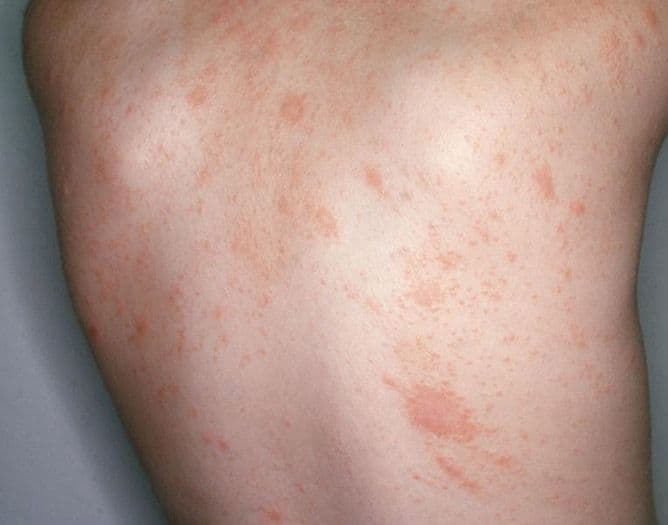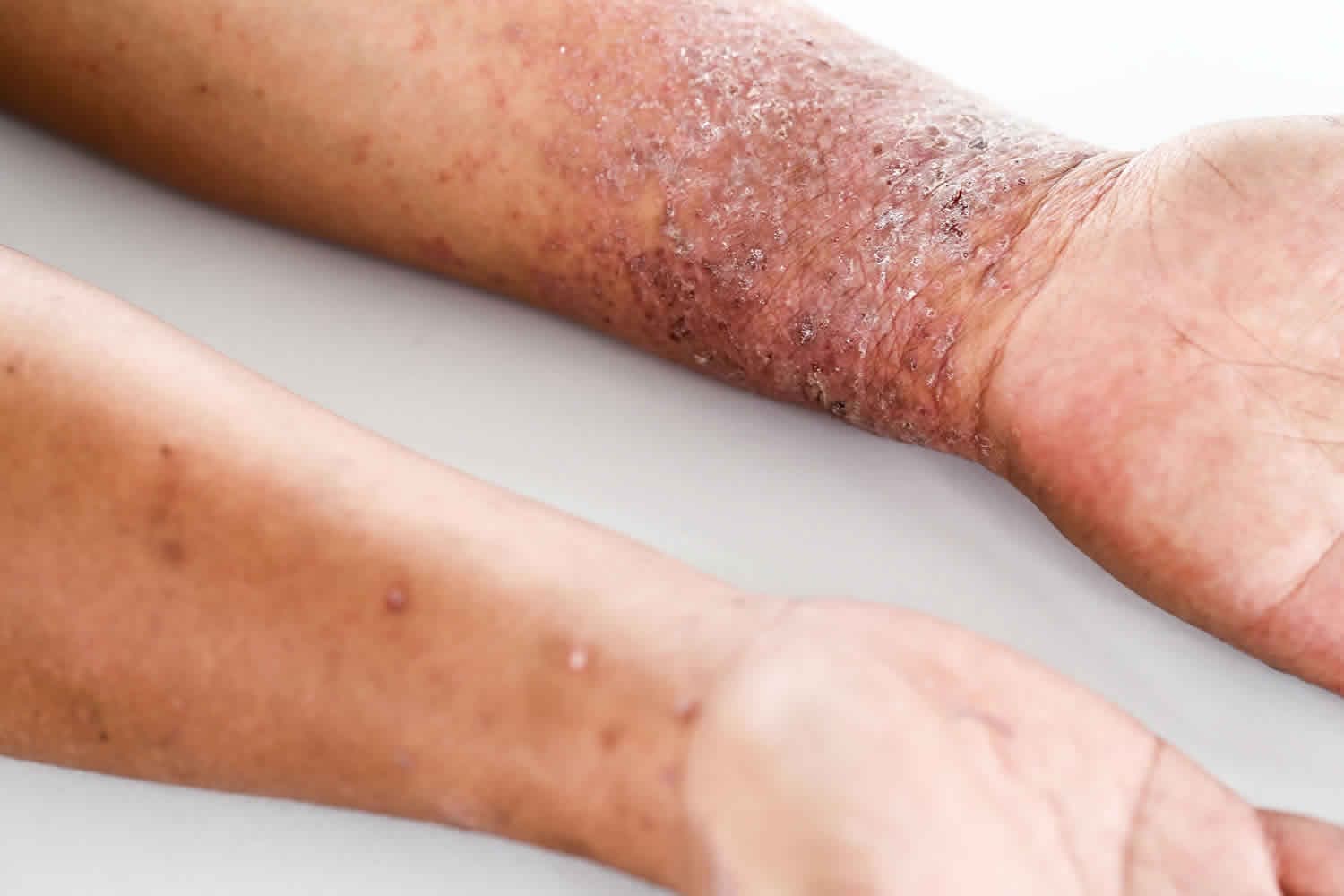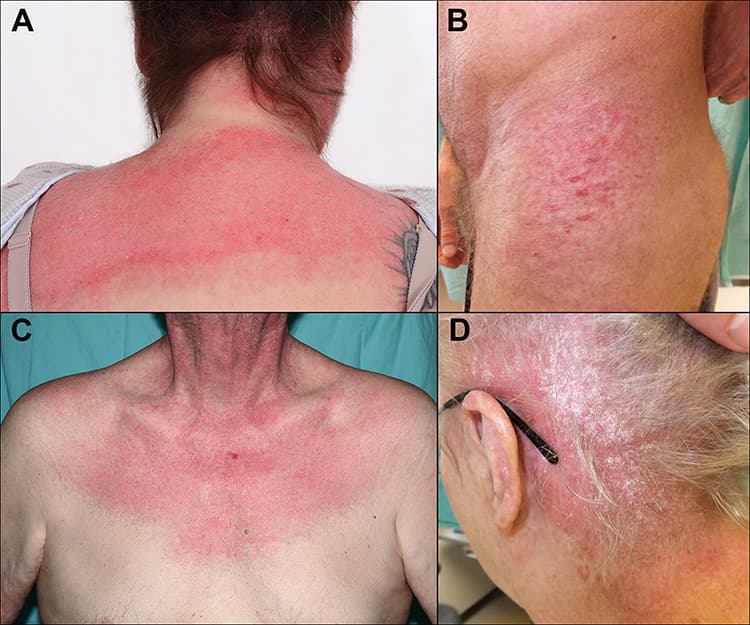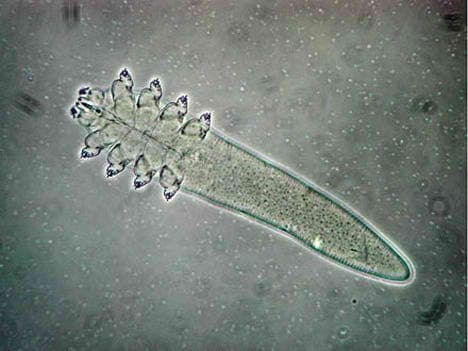
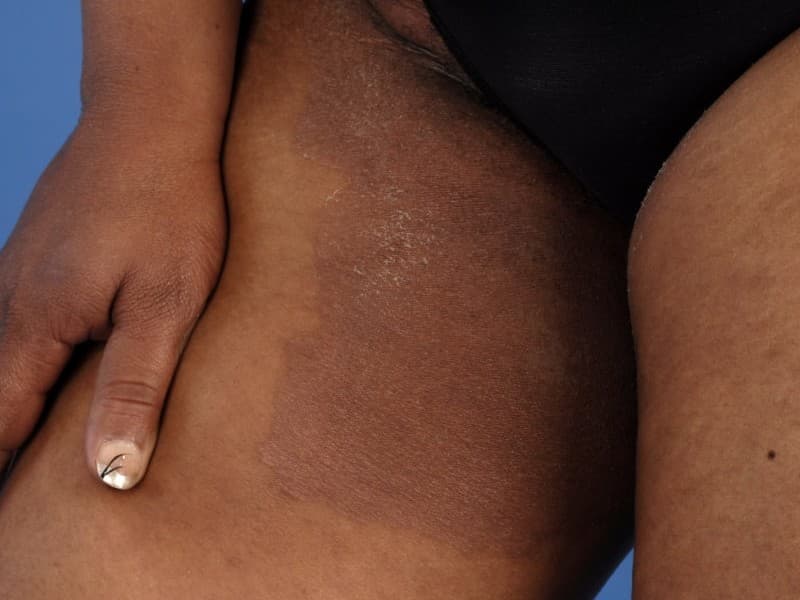
Erythrasma (from the Greek word meaning “red spot”) is a relatively common chronic skin infection caused by the bacterium Corynebacterium minutissimum. It often affects people with weakened immune systems and tends to appear in moist, warm areas of the body such as skin folds.
Who Is More Likely to Get Erythrasma?
-
Slightly more common in men than in women
-
Rare in children
-
More frequent in people living in hot, humid climates
-
Often found in people living in institutions (e.g., dormitories, nursing homes, prisons)
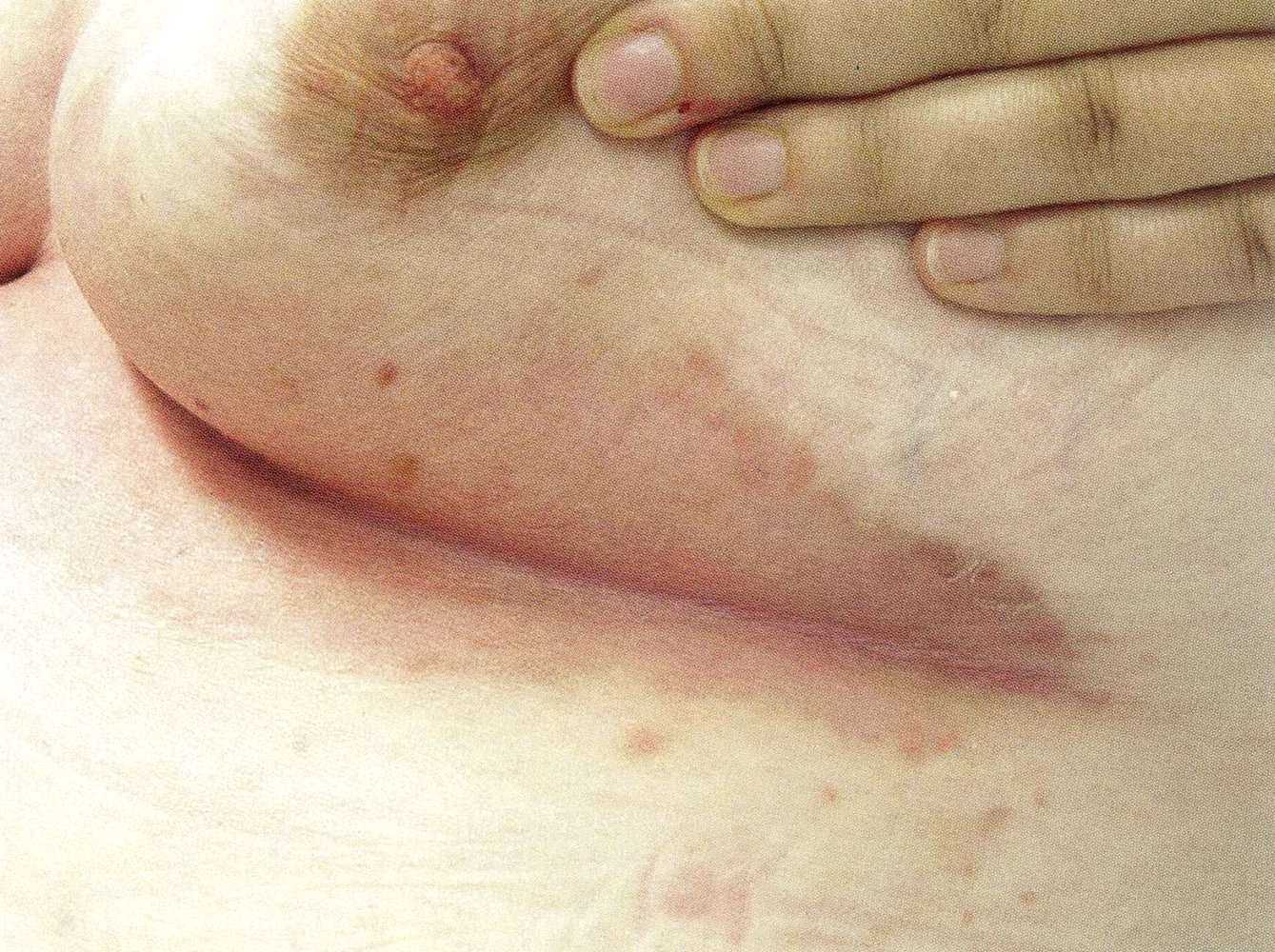
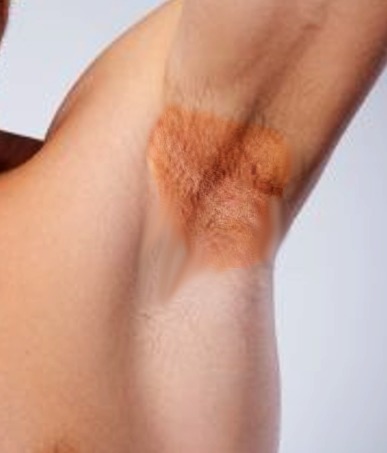
Erythrasma typically affects the armpits, groin, skin under the breasts, and other areas where skin touches skin. It appears as reddish-brown patches with mild scaling.
Risk Factors
The likelihood of developing erythrasma is higher in people who:
-
Live in humid environments
-
Sweat excessively
-
Have diabetes
-
Struggle with personal hygiene
-
Are overweight
-
Are elderly
-
Have other chronic health conditions
Symptoms of Erythrasma
-
Clearly defined pink, red, or brown patches or plaques
-
Scaly texture, sometimes with cracks or shallow ulcers
-
Thin, shiny skin that can resemble "cigarette paper"
-
Mild itching (in some cases)
-
Common locations:
-
Armpits
-
Groin and perineum
-
Under the breasts
-
Between the toes
-
Occasionally on the chest, trunk, or limbs
-
ARTICLE_GIF
Diagnosis
Diagnosis is usually straightforward through visual examination and patient history. A Wood’s lamp (UV light) is often used in the clinic — under this light, the affected areas glow coral-red due to bacterial byproducts. In uncertain cases, a dermatologist may take skin scrapings for microscopy or culture.
Treatment and Prognosis
Treatment is selected individually by a dermatologist based on the severity of the infection.
-
Topical antibiotics are used for mild cases
-
Oral antibiotics are prescribed for more widespread or persistent infections
-
Antiseptic soaps or washes help reduce bacteria
-
In some cases, photodynamic therapy may be recommended
Most healthy individuals recover fully without scarring. However, the condition may return if underlying risk factors (like sweating or poor hygiene) are not addressed. Good hygiene and antibacterial soap can significantly reduce recurrence.