Introduction
Lichen simplex chronicus (also known as neurodermatitis or lichen simplex chronicus) is a chronic, non-infectious skin condition caused by a vicious "itch-scratch" cycle. The more the skin itches, the more frequently a person scratches it; the more they scratch, the thicker, rougher, and itchier the skin becomes. This vicious cycle can significantly affect quality of life—disrupting sleep, hindering concentration, and causing emotional stress.
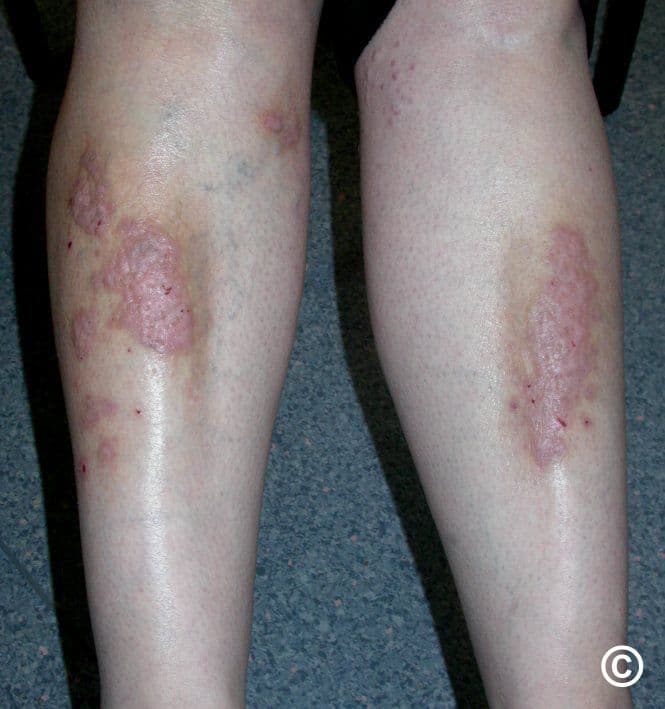
Lichen simplex can occur in various parts of the body, but most commonly in areas that are easily reachable by hand: the neck, nape, wrists, forearms, ankles, shins, thighs, buttocks, or genital area. Lesions can be singular or multiple, with colors ranging from pink to brownish-gray, and over time, the skin pattern and thickening often become more pronounced. It is important to know: this condition is not contagious and does not spread from person to person.
What is it?
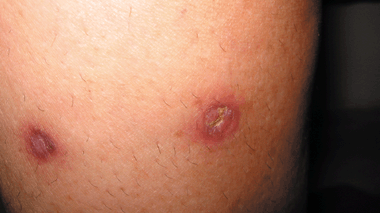
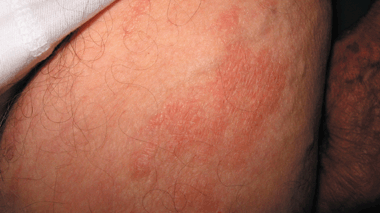
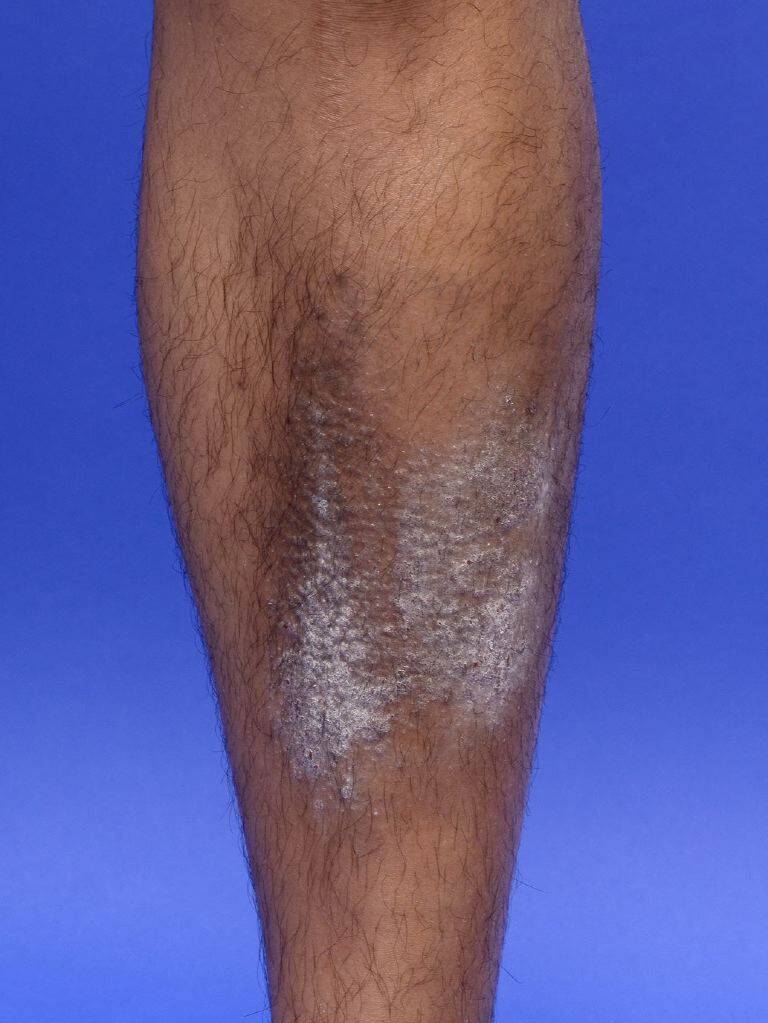
Lichen simplex is a localized skin reaction to repeated rubbing, biting, or scratching. Due to constant mechanical irritation, the skin surface thickens (a process called lichenification), resulting in a rough texture, enhanced skin lines, and sometimes a brown or bluish-gray tint. Scratches, scabs, and flaking may be observed.
This condition is more common in adults, slightly more so in women, with the most frequent cases observed in the 30–50 age group. Sometimes, lichen simplex develops as a "companion" to another itchy condition (such as atopic dermatitis) or as a localized reaction in areas that a person unconsciously scratches due to stress or tension.
Although the name may be misleading, lichen simplex is not the same as lichen planus. These are different conditions with different courses and treatments.
Causes and Risk Factors
The primary cause of lichen simplex is prolonged skin irritation and scratching. This habit is often triggered by initial itching, which can be caused by various factors. Over time, the skin becomes more sensitive, and nerve endings become more active, intensifying the itch even with minimal stimuli.
Common risk factors and causes include:
- Existing itchy skin conditions: atopic dermatitis, dry skin conditions, chronic forms of eczema.
- Irritation and friction: tight clothing, rough fabrics (e.g., wool), sweating, frequent shaving or hair plucking.
- Contact irritants: perfumed cosmetic products, harsh household chemicals, metals, dyes, latex.
- Stress, anxiety, tension: psychological conditions can intensify itching and promote unconscious scratching, especially in the evening or at night.
- Systemic causes: some internal organ diseases or metabolic disorders may manifest as itching.
- Neuropathic itch: nerve irritation or damage (e.g., in the neck, lumbar region) sometimes causes localized itching.
- Skin damage: bites, scars, chronic wounds can become constantly scratched areas.
Lichen simplex often "chooses" one or more constantly scratched areas, and over time, lichenified plaques form there. Disrupted sleep patterns, emotional tension, or dry indoor air can further exacerbate the condition.
Symptoms
The main symptom is intense, recurring itching, which often intensifies in the evening and at night. The itch can be so severe that it disrupts sleep and makes it difficult to refrain from scratching. Other characteristic signs include:
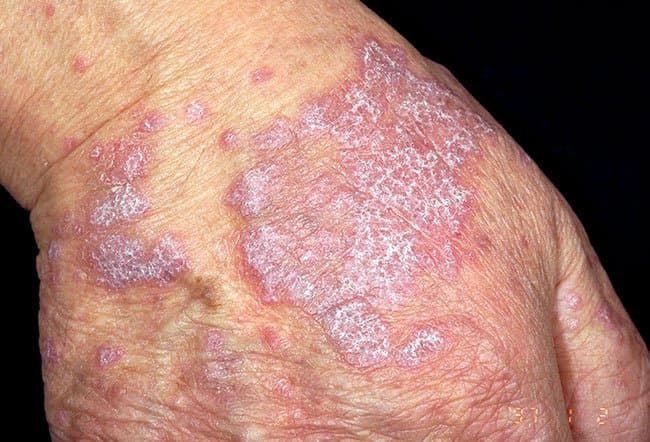
- Well-defined, thickened plaques with a pronounced skin pattern, rough surface, and flaking.
- Color changes: hyperpigmentation or hypopigmentation of the lesion or its surroundings, especially after healing.
- Scratches, scabs, cracks, sometimes serous scabs due to constant scratching.
- In hairy areas – hair breakage or thinning at the lesion site, less commonly – temporary alopecia.
- Most common locations: neck, nape and scalp, forearms and wrists, ankles and shins, thighs, buttocks, and genital area.
If untreated or scratching continues, the skin may thicken further, and lesions may spread. Sometimes a secondary infection joins in, resulting in pain, purulent scabs, and an unpleasant odor.
When to See a Doctor?
Consult a doctor if:
- the itching is severe, disrupts sleep or daily activities;
- lesions increase, spread, or recur despite care;
- you notice bleeding, pus, or an unpleasant odor—possible signs of infection;
- the diagnosis is unclear or changes in appearance are concerning;
- the rash appears in sensitive areas (e.g., face, genital area) or in children;
- over-the-counter remedies do not help or the condition worsens.
Our iDerma clinic dermatologists help accurately assess the condition, identify the causes of itching, and create an individualized, safe treatment and care plan. Consultations are available both in-person and remotely.
Diagnosis
The diagnosis is usually made clinically—the doctor assesses the appearance, location, and course of the lesions and listens to your complaints. If necessary, additional tests are performed to rule out other diseases or find the cause of the itch:
- Skin surface tests: scrapings for microscopy, cultures for fungal or bacterial infection, dermatoscopic evaluation.
- Patch tests: if allergic contact dermatitis is suspected.
- Skin biopsy: in case of atypical appearance or doubts about the diagnosis.
- Blood tests: if systemic causes (e.g., changes in organ function, metabolic disorders) are suspected to trigger the itch.
An iDerma dermatologist consultation in-person or online helps quickly clarify the diagnosis, assess severity, and plan treatment, taking into account your skin type, frequency of flare-ups, and lifestyle.
ARTICLE_GIF
Treatment
The most effective treatment is comprehensive, aimed at breaking the "itch-scratch" cycle, restoring the skin barrier, and reducing itching. A gradual, multi-directional approach is usually applied:
- Restoring and moisturizing the skin barrier: regular use of emollients several times a day, especially after washing. Choose fragrance-free products suitable for sensitive skin.
- Gentle hygiene habits: short showers with lukewarm water, gentle, non-aggressive cleansers, gentle drying of the skin (no rubbing), applying creams within 2–3 minutes after bathing ("locking in moisture").
- Physical protection and occlusion: bandages, special coverings, or protective clothing, especially at night, to reduce unconscious scratching. In some cases, the "wet wrap" technique helps—brief applications of lukewarm, then dry layers of bandages.
- Relieving itch without scratching: short-term cold compresses, gentle skin pressure near the lesion, distraction techniques. Avoid heat, which often intensifies itching.
- Managing the cause: avoiding contact irritants and allergens, controlling sweat, wearing loose cotton clothing, reducing stress.
- Behavioral and stress management: habit reversal techniques, psychological counseling, relaxation exercises, sleep hygiene. This is especially important when scratching becomes an automatic behavior.
- Targeted dermatological treatments: doctor-prescribed topical anti-inflammatory and itch-relieving solutions tailored to specific locations (e.g., neck, scalp, genital area) and skin type. If necessary, treatment is combined with procedures.
- Phototherapy and other procedures: in certain cases, a course of light therapy or other dermatological procedures is prescribed to help reduce itching and inflammation.
- Addressing secondary issues: if signs of infection appear, the doctor adjusts the plan and prescribes appropriate treatment.
The goal of treatment is to control itching, protect the skin from further damage, and gradually restore its normal thickness and color. Even after improvement, it is recommended to continue barrier care for some time to reduce the risk of relapse.
iDerma dermatologists select individual treatment intensity, adapt products for different body areas, explain how to properly perform bandaging and "wet wrap" techniques, and monitor progress. This is especially important if the affected areas are on the face or in intimate zones—more sensitive, specially selected solutions are used there.
Care and Prevention
Daily, consistent routine is the cornerstone of preventing relapses and reducing itching.
- Moisturizing: apply emollients in the morning and evening, and more often if needed. In cold weather, when the air is dry or working in air-conditioned environments, moisturize the skin additionally.
- Avoid irritants: choose fragrance-free hygiene products, powders, and softeners for sensitive skin; wash clothes with gentle programs, rinse thoroughly.
- Clothing: soft, breathable fabrics (cotton, viscose), loose fit; avoid rough wool, sharp seams, tight clothing that rubs lesions.
- Sleep and behavior: keep nails short and clean, wear thin cotton gloves at night if you wake up scratching; ensure a cooler, drier sleep environment.
- Stress management: incorporate breathing, muscle relaxation, or mindfulness techniques into your daily routine; plan a stable sleep schedule.
- Coolness and humidity: humidifiers in cold weather, regular ventilation; avoid prolonged heating, hot baths that dry out the skin.
- Trigger monitoring: keep a diary—note what triggers the itch (bathing, stress, specific clothing, weather changes), and adjust habits.
By following these guidelines, the frequency and intensity of flare-ups decrease, and the skin recovers more easily. If, despite care, itching persists, it is worth reviewing the plan with a dermatologist.
Frequently Asked Questions
- Is lichen simplex contagious?
No. It is a non-infectious condition that does not spread from person to person. - How does lichen simplex differ from eczema or psoriasis?
Lichen simplex is usually a localized reaction to constant scratching—skin thickens, and skin lines become more pronounced. Eczema and psoriasis have different origins, may be more widespread, have different rash characteristics, and often require different tactics. A doctor helps distinguish these conditions during an examination. - Can one fully recover?
Symptoms can often be very well controlled, achieving long-term remission. However, if the "itch-scratch" cycle reactivates, lesions may recur, so consistent care and trigger control are important. - How long does treatment take?
The first signs of improvement are often seen within a few weeks, but it may take several months for skin thickening and color changes to decrease. The individual schedule depends on the location, duration of the lesion, and consistency of care. - Are there any scars or spots left?
After inflammation, temporary color changes (darker or lighter spots) often remain. They usually fade over several months. Permanent scars are rare, more common if there was prolonged intense scratching or an infection joined. - Do hair regrow if the scalp is affected?
Usually, yes: hair breakage or thinning at the affected site is temporary. Once the skin condition is restored and scratching stops, hair usually regrows.
Conclusions
Lichen simplex chronicus is a common but often underestimated condition that significantly affects well-being and sleep. The good news is that by applying a comprehensive approach—restoring the skin barrier, consistent daily care, irritant control, and, if necessary, targeted dermatological treatment—symptoms can be effectively controlled, and the frequency of relapses significantly reduced. If you notice intense itching or thickened, constantly scratched skin areas, do not delay consulting a specialist—the earlier treatment begins, the sooner the "itch-scratch" cycle breaks, and the skin regains comfort.