Lyme Disease: What You Need to Know
Lyme disease (borreliosis) is a bacterial infection caused by Borrelia spirochetes, which enter the human body through the bites of ixodid ticks. The disease can affect the skin, joints, heart, and nervous system, making early recognition and appropriate treatment extremely important. One of the key factors for infection is the presence of the tick on the skin for 36–48 hours or longer, as this is when the bacteria are most likely to enter the body.
What is Lyme Disease?
Lyme disease is an infectious disease transmitted through the bites of infected ixodid ticks. These ticks live in wooded, bushy, grassy areas, prefer moist places, and are most active during the warm season. The infection can manifest in different clinical forms: from localized skin redness to widespread (disseminated) involvement affecting the joints, heart, or nervous system. Although most cases occur in spring to autumn, infection is possible at any time if conditions favorable to ticks prevail.
Causes and Risk Factors
Lyme disease is caused by Borrelia bacteria, which are transmitted when a tick bites and remains on the skin long enough. The risk increases when:
- Frequent visits to forests, meadows, tall grass, especially from spring to autumn.
- Lack of protective clothing and not using repellents.
- Ticks are not detected and removed quickly (within the first 24 hours).
- Animals brought into the home (dogs, cats) carry ticks on their fur.
- The environment is full of bushes, uncut grass, and there are small animals (mice, hedgehogs) that are natural hosts for ticks.
It should be noted that the same ticks can carry other infections (e.g., other tick-borne diseases), so monitoring health after a bite is very important.
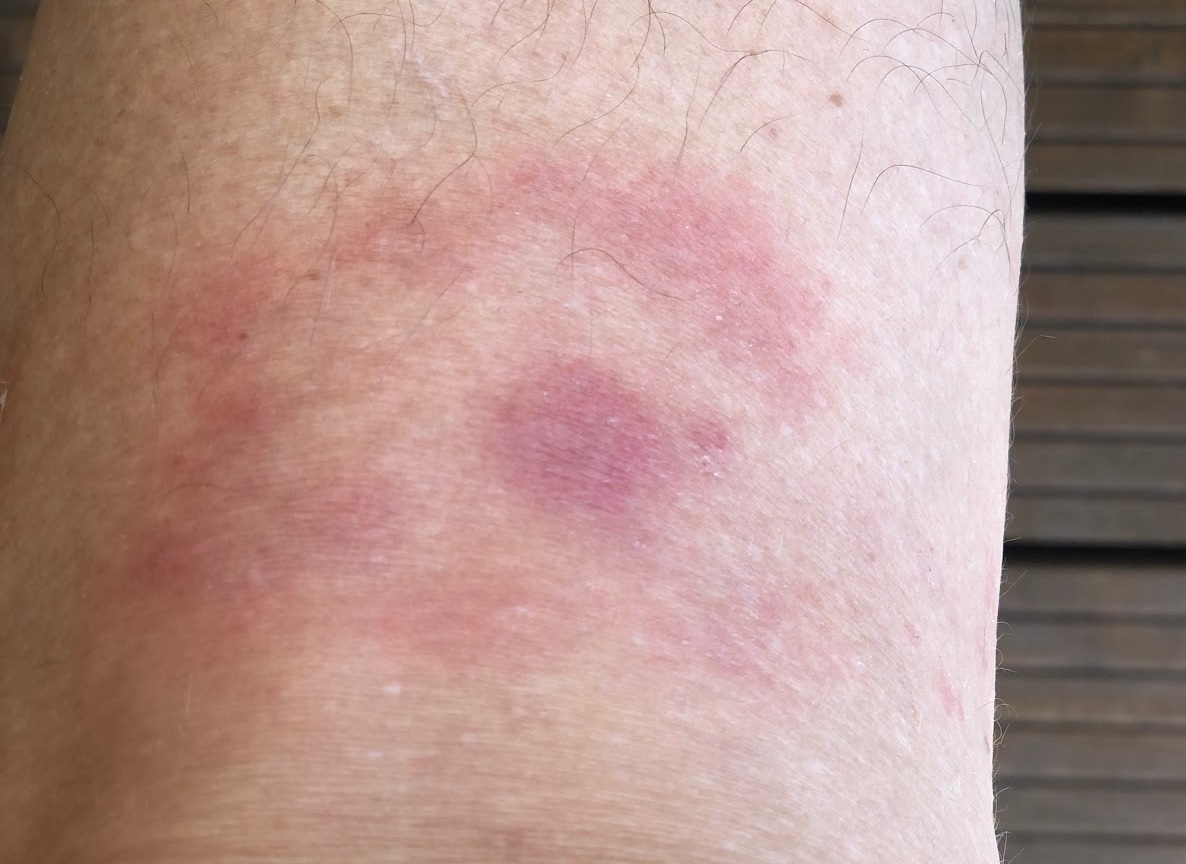
Symptoms
Lyme disease usually progresses in stages, but symptoms are not always typical. Key signs according to the disease phases:
Early localized stage (1–4 weeks after the bite)
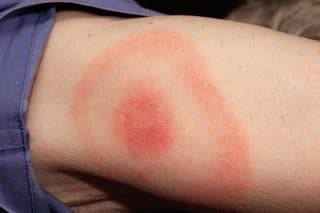
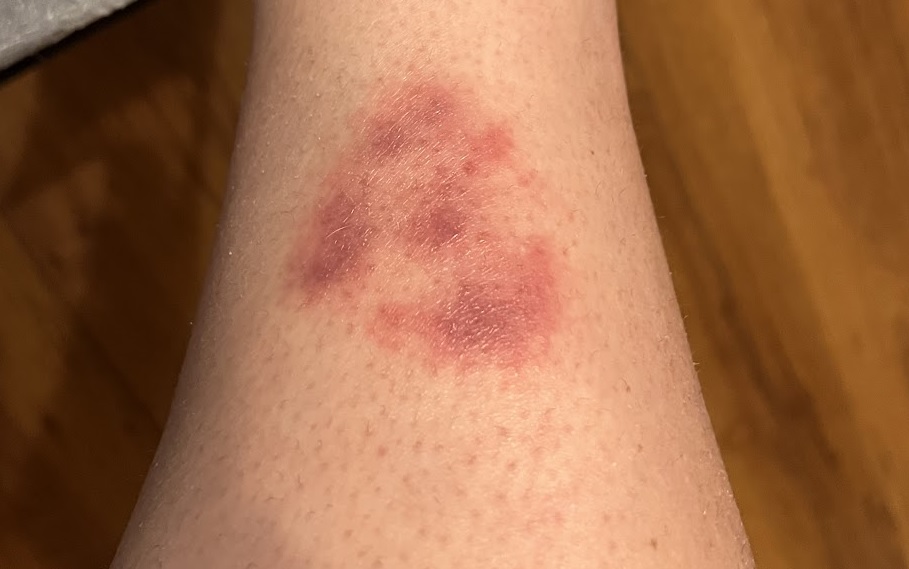
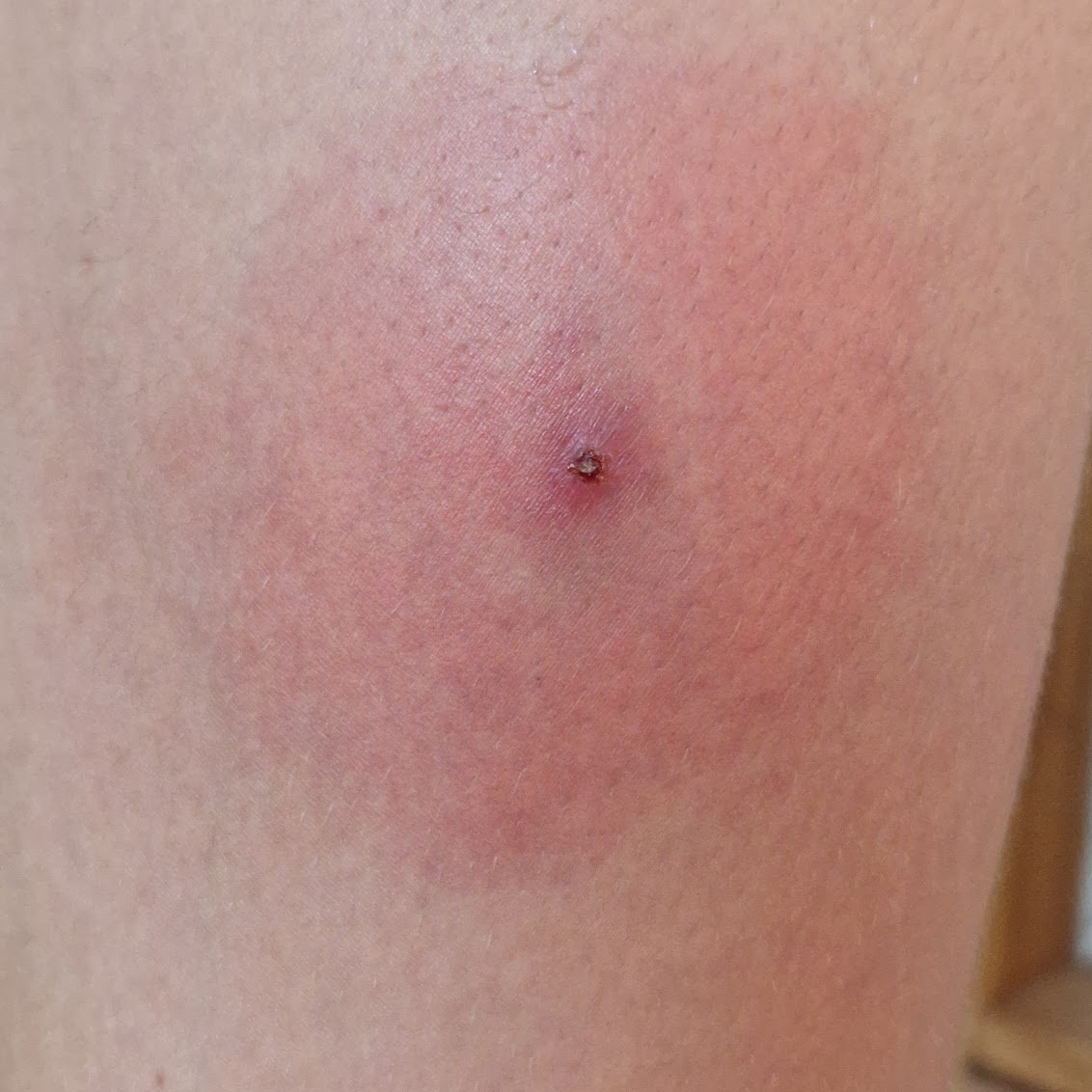
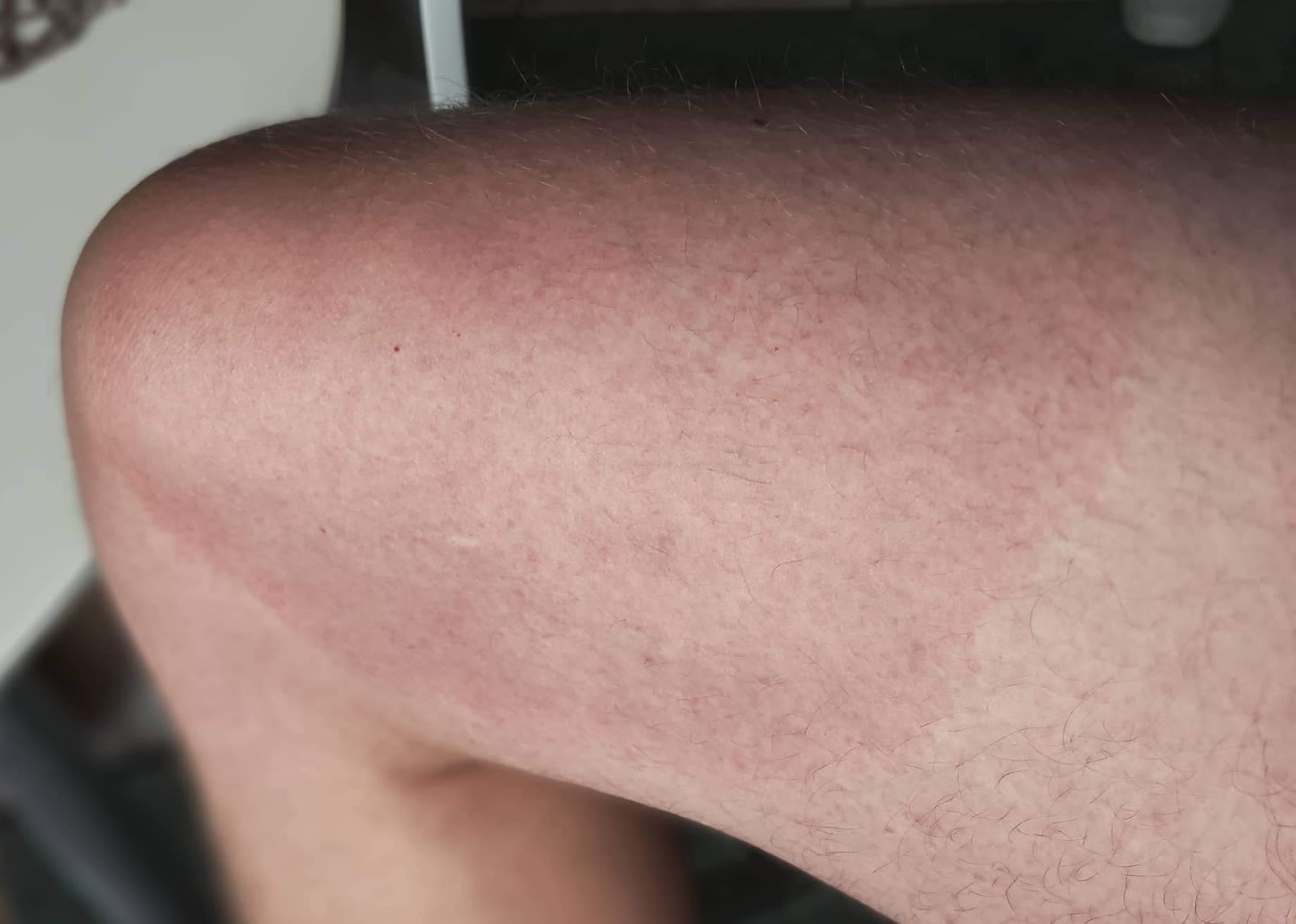
- Erythema migrans – a spreading, usually painless skin redness at the site of the tick bite. It expands outward, with clearer edges, and the center may lighten. The erythema may feel warm to the touch, sometimes itchy or tingling. This is the most characteristic sign of early Lyme disease.
- General symptoms: fever or subfebrile temperature, chills, general weakness, fatigue, headache, muscle and joint aches, enlarged lymph nodes.
Early disseminated stage (several weeks to months)
- Multiple erythema migrans in different parts of the body.
- Nervous system involvement: facial nerve paralysis (unilateral or bilateral facial "drooping"), headaches, neck stiffness, radicular (shooting) pains, tingling, sensory changes.
- Heart involvement (Lyme carditis): palpitations, heart rhythm disturbances, shortness of breath, chest discomfort or weakness.
- Joint symptoms: migrating joint pains, transient aches, sometimes temporary swelling of a single joint (more often the knee).
Late stage (months to years, if untreated)
- Chronic arthritis, usually of the knees or other large joints – swelling, pain, movement limitations.
- Chronic neurological symptoms: neuropathic pain, memory, attention disorders, fatigue, rarely – signs of chronic neuroborreliosis.
- Rare skin forms (e.g., chronic skin changes in the late stage).
Not all patients experience typical erythema migrans, so any prolonged general symptoms after a tick bite should be taken seriously.
When to See a Doctor?
Contact a doctor immediately if:
- You notice erythema migrans, even if your general well-being is not severely affected.
- You had a tick bite and developed fever, weakness, muscle or joint pains within a few weeks.
- You experience facial asymmetry, severe headaches or neck pain, sensory or strength changes, tingling.
- You feel heart rhythm disturbances, chest discomfort, unexplained shortness of breath, fainting.
- You are unable to remove the tick safely or part of it (e.g., the proboscis) remains in the skin.
- You are pregnant, have chronic diseases, or are taking immunosuppressive medications – early consultation is especially important for you.
Early consultation helps to quickly clarify the diagnosis, start treatment, and reduce the risk of complications.
Diagnosis
The diagnosis of Lyme disease is based on clinical signs and laboratory tests, depending on the stage of the disease:
- Clinical diagnosis: characteristic erythema migrans is often sufficient to diagnose Lyme disease and start treatment without waiting for tests, as serological tests may still be negative early on.
- Blood serological tests: the specific antibody response usually becomes apparent after a few weeks. With longer symptom duration (usually from 3–4 weeks), two-stage antibody tests are performed. Early on, the response may be falsely negative, and later – positive even after recovery, so results are always evaluated together with clinical findings.
- Auxiliary tests: depending on symptoms, heart rhythm (ECG), joint fluid, cerebrospinal fluid, skin or other tissue tests may be evaluated. This is assigned individually.
- Differential diagnosis: erythema migrans must be distinguished from allergic reactions, insect bites, fungal infections, or other skin diseases. General symptoms are assessed considering other possible tick-borne infections.
Our iDerma clinic dermatologists help accurately assess skin rashes, select the necessary tests, and create an individual treatment and care plan. Consultations are available both in person and remotely, so you can receive advice quickly and conveniently.
Treatment
Lyme disease is treated with antibiotics, and effectiveness is greatest when treatment is started early. The duration and form of treatment depend on the stage of the disease, the severity of symptoms, the affected organs, and the patient's overall health condition. Typically:
- Early skin forms are treated with systemic therapy to prevent disease dissemination.
- Disseminated forms (with nervous system, heart, or joint involvement) may require more intensive and prolonged treatment, tailored individually.
- At the start of treatment, some patients may experience a temporary worsening of condition (bacterial die-off reaction), which usually resolves quickly.
After Lyme disease, long-term immunity usually does not develop, so reinfection is possible. For prolonged complaints after treatment, it is necessary to consult a doctor – some people may experience persistent fatigue or pain, requiring supportive care, movement therapy, sleep, and stress management.
ARTICLE_GIF
Care and Prevention
While vaccine development research is ongoing, there is currently no registered vaccine for Lyme disease in Lithuania, making other preventive measures particularly important:
- Planning outdoor activities: choose trails, avoid tall grass and dense bushes.
- Clothing: long pants, long-sleeved tops, socks over pant cuffs, closed shoes; light-colored clothes help spot ticks more easily.
- Repellents: use registered tick-repelling repellents, follow instructions, and reapply as needed.
- Tick check: upon returning home, inspect the entire body (especially armpits, groin, waist area, behind the ears, neck, scalp), clothes, and footwear; check children and older family members.
- Shower: shower within 2 hours after being outdoors – this helps remove unattached ticks.
- Environment: maintain lawn care, thin out bushes, create barriers between the lawn and recreation areas; use appropriate measures to protect pets from ticks.
Quick tick removal (within the first 24 hours) significantly reduces the risk of infection.
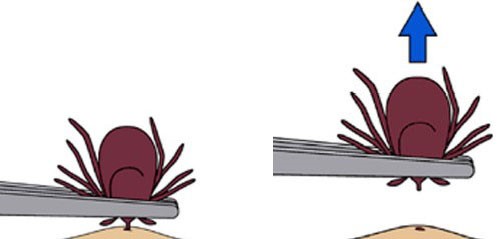
What to Do If You Find an Attached Tick?
If you notice an attached tick, act calmly and confidently:
- Use fine tweezers or a special tool: grasp the tick as close to the skin surface as possible.
- Pull with a vertical, steady motion, do not twist or squeeze the tick's body.
- If part of the tick remains in the skin (e.g., the proboscis), remove it as a foreign body – this does not increase the risk of infection.
- Disinfect the bite site and your hands.
- Note the date and monitor the skin and well-being for 4 weeks. If erythema or general symptoms appear – consult a doctor.
- Avoid folk methods (oil, ointment, fire) – they increase the risk of bacterial entry.
- Testing the tick in a laboratory is not necessary and does not help decide on treatment – your symptoms and a doctor's evaluation are most important.
If you are unsure how to safely remove a tick or if the bite site looks unusual, consult specialists. iDerma dermatologists provide consultations both in person and remotely, explaining how to act correctly and whether treatment is needed.
Frequently Asked Questions
Is Lyme disease curable?
Yes. Most patients fully recover when treatment is started in the early stage. The sooner treatment is started, the lower the risk of complications.
Can you get Lyme disease again?
Yes. Long-term immunity usually does not develop after the disease, so reinfection is possible.
Does erythema migrans always occur?
No. Although it is the most characteristic sign of early Lyme disease, some patients may have atypical redness or none at all. Therefore, it is important to monitor general well-being after a tick bite.
How soon after a bite do symptoms appear?
Usually within 1–4 weeks, but later symptoms are possible, especially if the disease spreads.
Is Lyme disease transmitted from person to person?
No. The disease is spread through the bite of infected ticks. Everyday contact or household does not transmit the infection.
What to do if fatigue or pain persists after treatment?
Consult a doctor again. Sometimes nonspecific symptoms may persist after Lyme disease, which can be helped by an individually tailored care and rehabilitation plan.
Conclusions
Lyme disease is a serious but often successfully treatable infection if recognized and treated in time. Pay attention to erythema migrans and changes in general well-being after a tick bite, and if in doubt, do not hesitate to consult a doctor. To reduce the risk of infection, when planning time outdoors, choose appropriate clothing, use repellents, thoroughly inspect your body and clothes, and quickly remove any detected ticks. If you are unsure about a rash or symptoms, iDerma dermatologists help accurately diagnose, assess the severity of the disease, and select a safe, effective treatment and care plan – both in person and online.