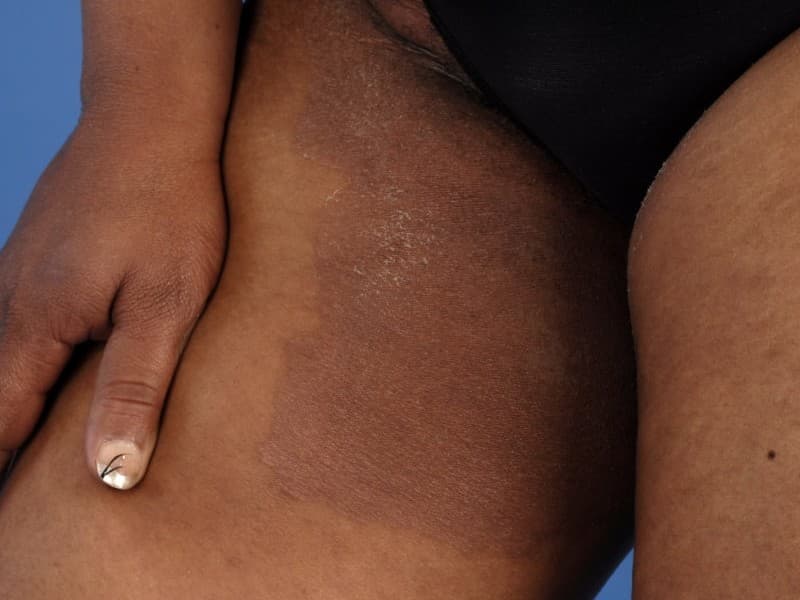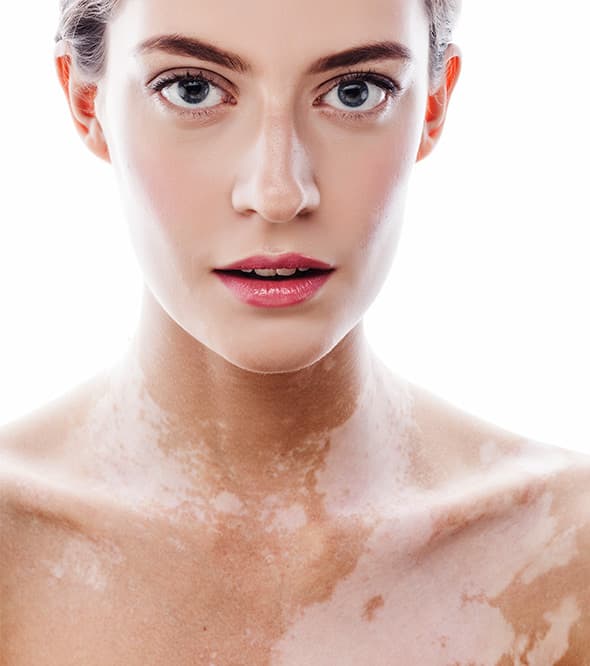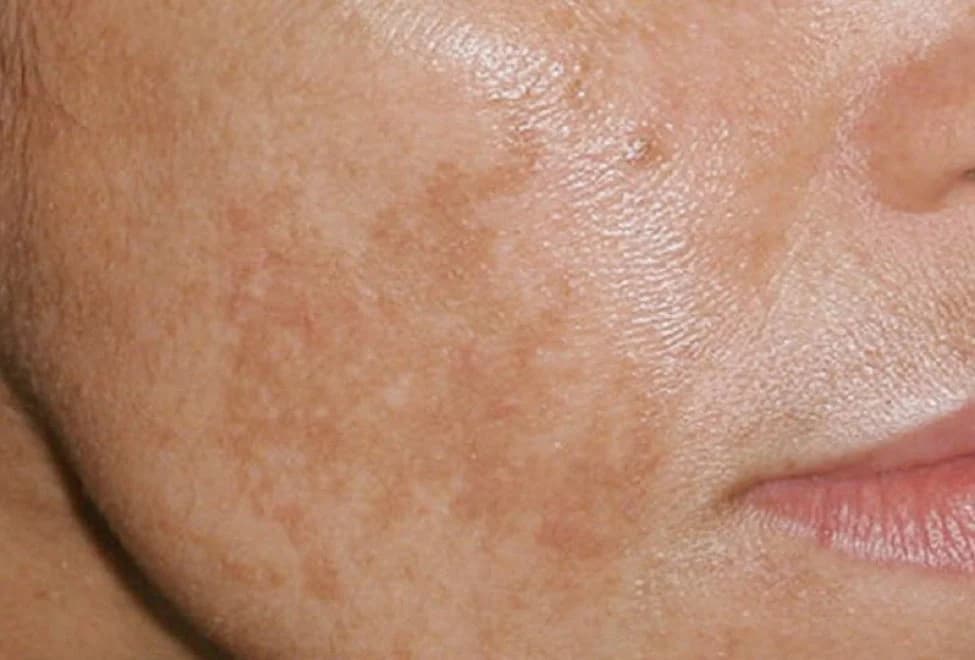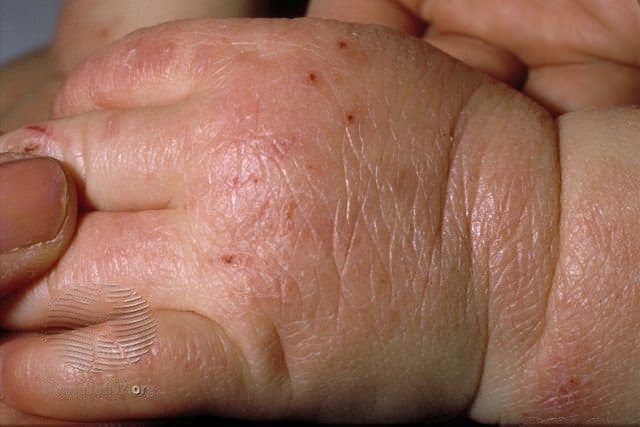
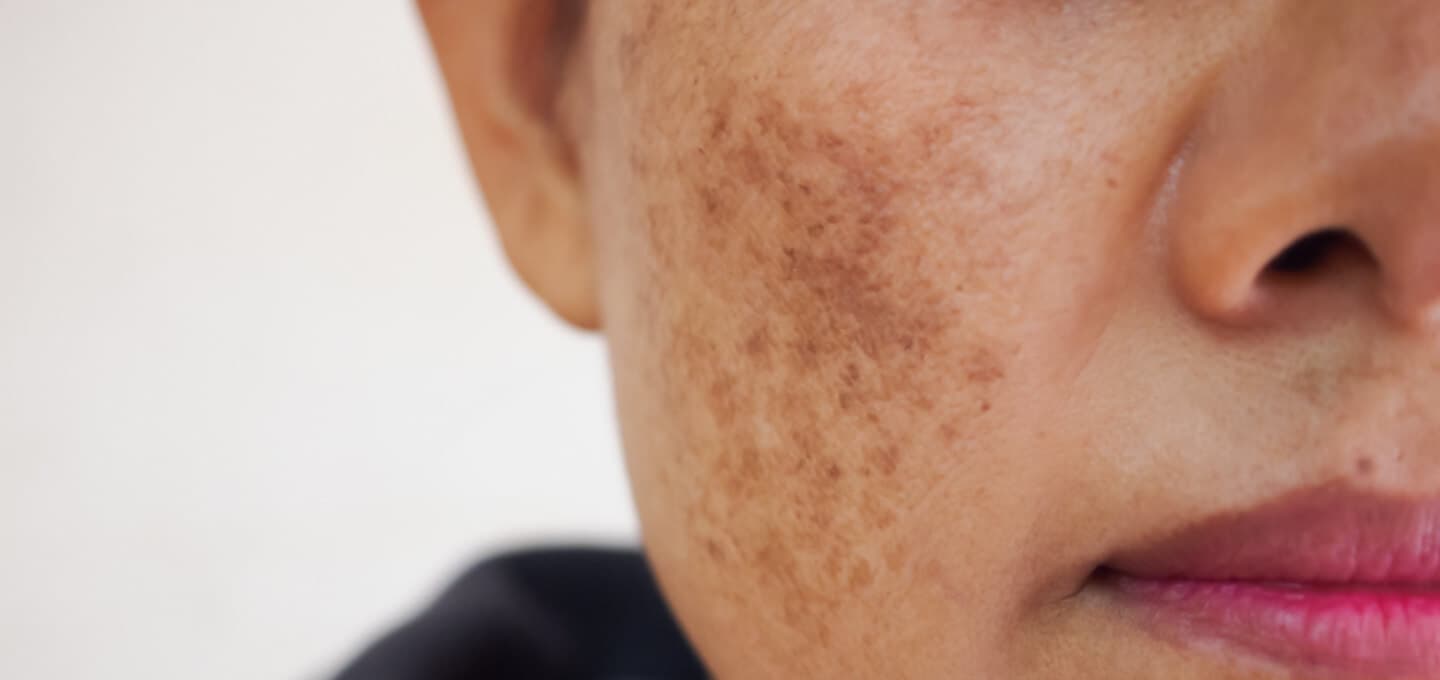
Melasma (also known as chloasma) is a common skin condition that causes darker, patchy areas to appear on the face. It is more frequent in women and often triggered by hormonal changes and sun exposure.
Melasma is more common in:
-
Women than men
-
People with darker skin types
-
Women during pregnancy
-
Women taking hormonal treatments or oral contraceptives
-
People with a genetic predisposition
-
Individuals exposed to excessive UV radiation
-
People using certain cosmetics or taking anti-seizure medications
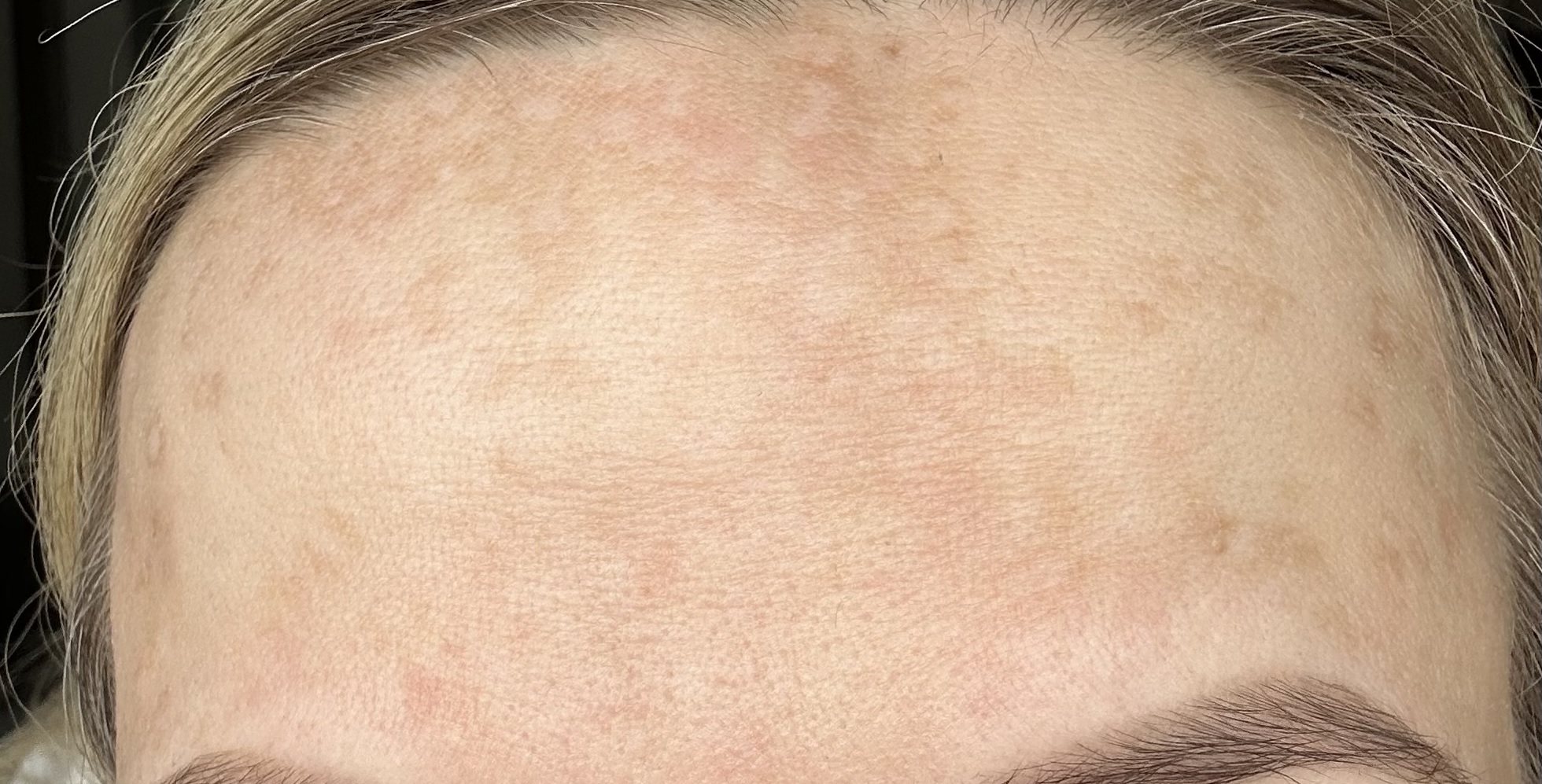
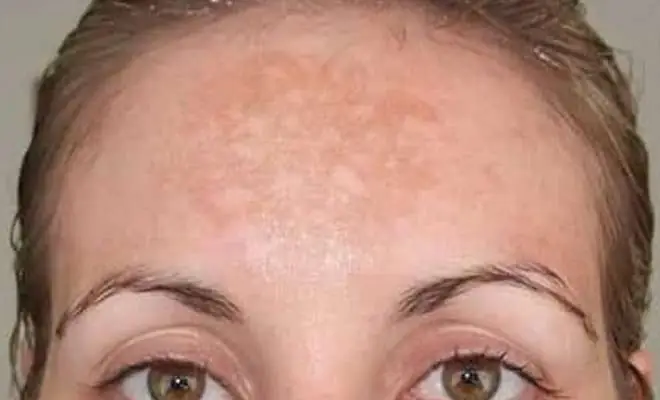
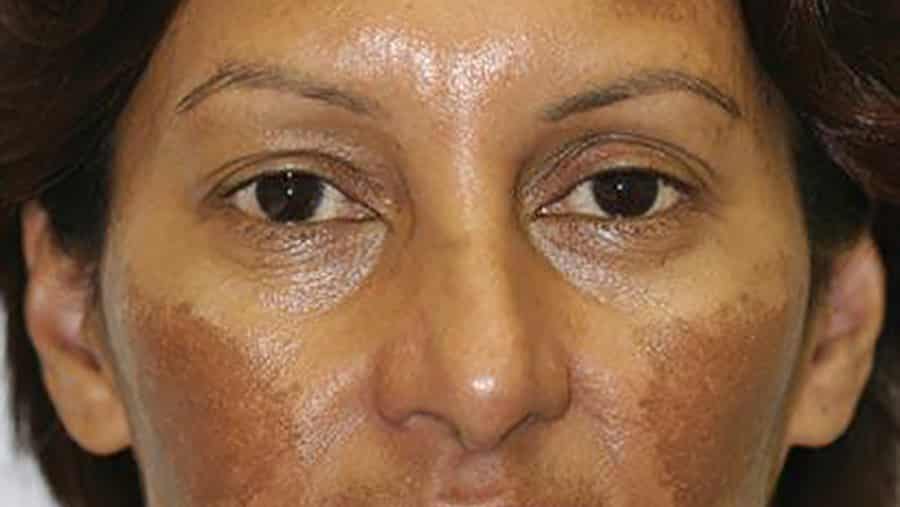
Symptoms of melasma:
-
Symmetrical hyperpigmented patches on the face
-
Color ranges from brown to grayish-brown
-
Most often appears on:
-
Cheeks
-
Chin
-
Forehead
-
Upper lip
-
Other sun-exposed areas of the face
-
Diagnosis:
A dermatologist can usually diagnose melasma based on a physical exam and a discussion of your medical history. Common clues include recent pregnancy or use of hormonal medications.
Treatment:
The most suitable treatment is determined by a dermatologist during an individual consultation.
-
Most commonly, a combination of three topical creams is prescribed
-
If not tolerated, one or two of the active ingredients may be used alone
-
It is essential to avoid direct sun exposure and use high-SPF sunscreen daily
-
If possible, discontinuing estrogen-based medication may help
ARTICLE_GIF
Less common treatment methods include:
-
Chemical peels
-
Laser therapy (used with caution, as it can cause unexpected side effects)
These methods are typically recommended only if other treatments have not been effective.