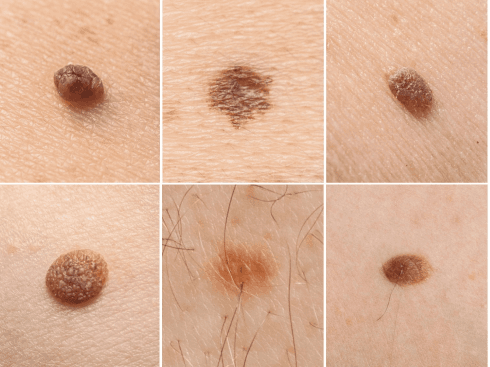
While most moles are completely harmless, there are situations when removal is necessary – either for medical or cosmetic reasons. It’s important to understand when a mole should be removed, which methods are safest, and what to expect before and after the procedure.
No matter the reason, mole removal should always be performed by a qualified dermatologist or surgeon to ensure both safety and proper healing.
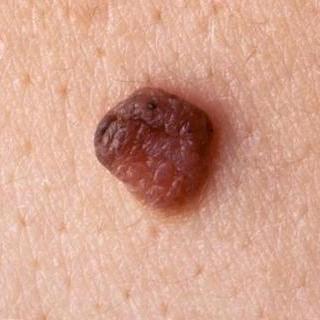
When Should a Mole Be Removed?
Not all moles need to be removed. However, in some cases, removal is recommended or even necessary:
Medical indications:
-
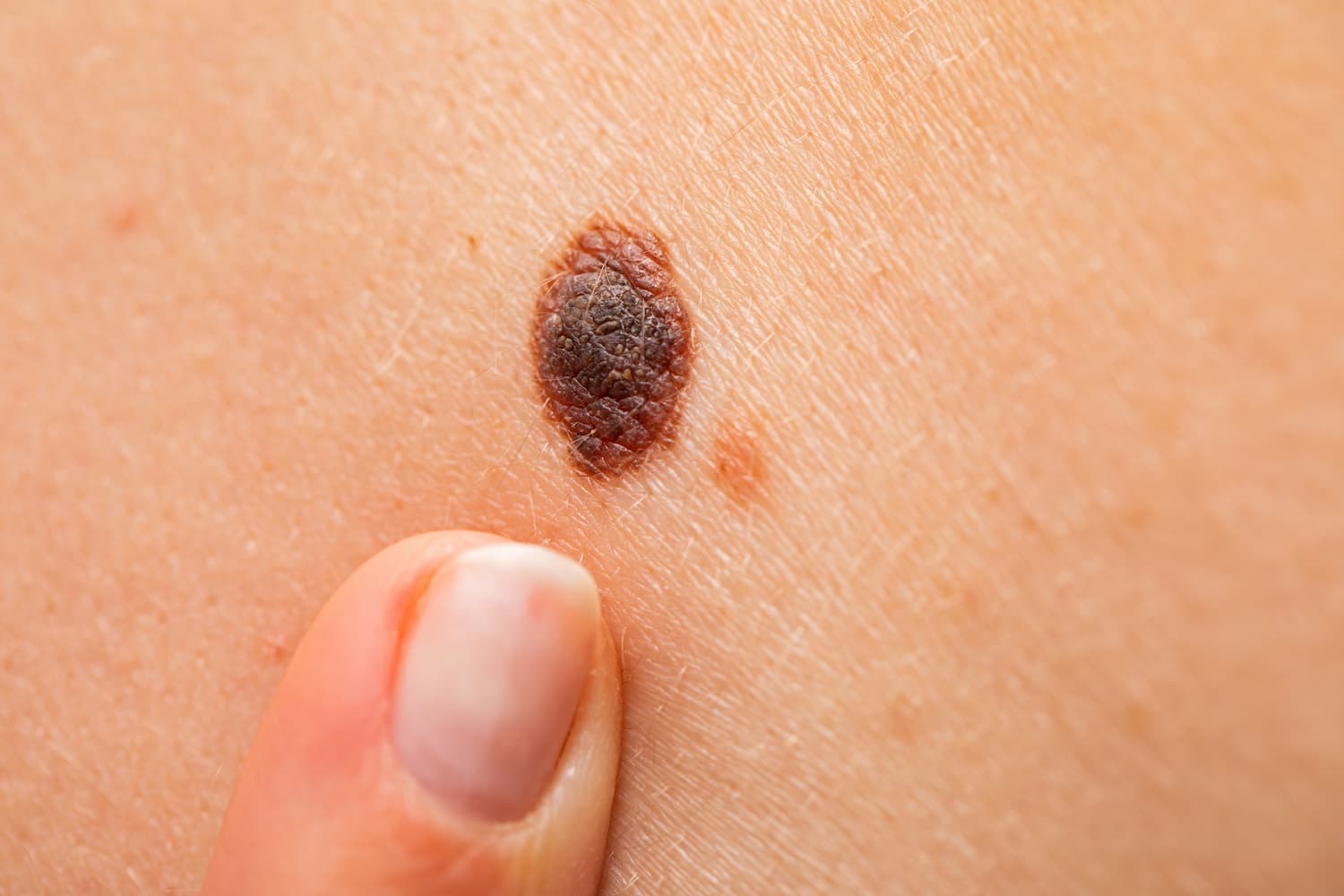
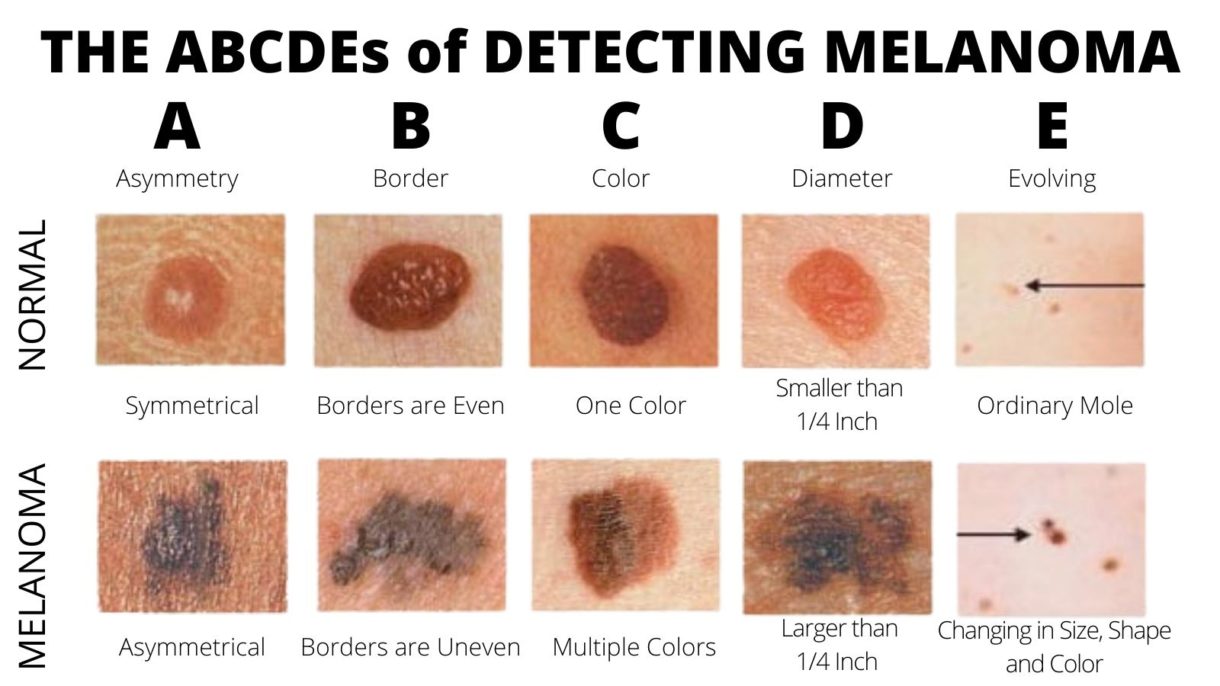
The mole has changed in shape, color, or size (based on the ABCDE rule)
-
It bleeds, itches, or causes pain
-
It’s frequently irritated (e.g., during shaving or by clothing)
-
There’s a suspicion of malignancy (e.g., melanoma)
Aesthetic or practical reasons:
-
The mole is in a visible area (face, neck, hands)
-
It causes emotional discomfort or insecurity
-
It interferes with daily activities
Contraindications:
-
Active skin inflammation or infection in the area
-
Damaged or recently sunburned skin
-
Pregnancy (in some cases, removal may be postponed)
Mole Removal Methods: Which Is Right for You?
The choice of method depends on the mole’s type, size, depth, location, and the doctor’s recommendations. Here are the most common methods:
1. Surgical excision (with stitches)
-
Best for: deep, large, or suspicious moles
-
How it works: the mole is cut out with a scalpel along with a small margin of surrounding tissue, and stitches are applied
-
Pros: allows for histological analysis, complete removal
-
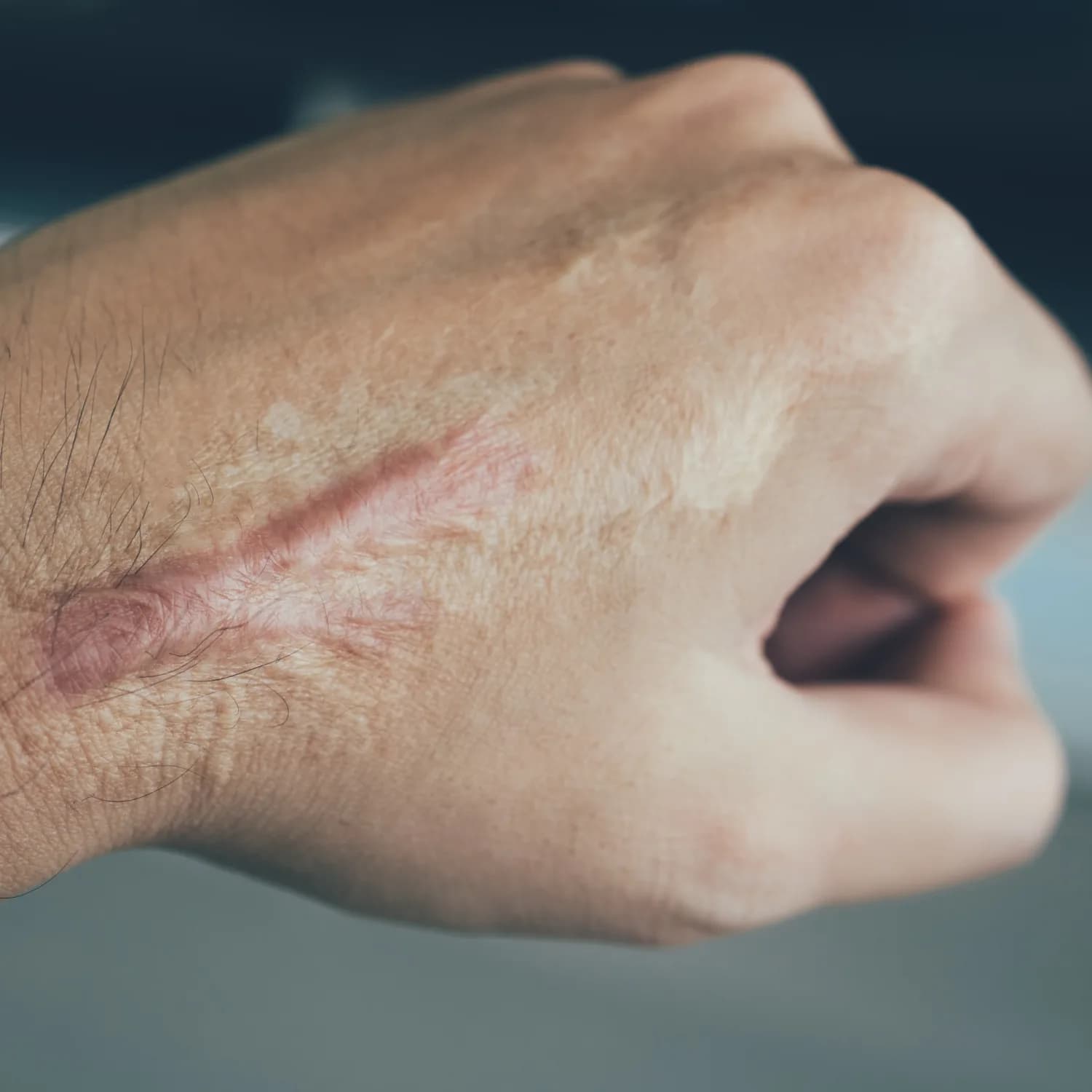
Cons: a small scar may remain
2. Laser mole removal
-
Best for: superficial, non-suspicious moles (mostly for cosmetic reasons)
-
How it works: the mole is vaporized using a focused laser beam
-
Pros: minimal bleeding, quick healing, low scarring risk
-
Cons: histological analysis is not possible (tissue is destroyed)
3. Electrosurgery (electrocoagulation)
-
Best for: small, benign skin growths
-
How it works: the mole is burned off using a high-frequency electric current
-
Pros: fast procedure, minimal bleeding
-
Cons: not suitable for suspicious or deep moles
How to Prepare for Mole Removal?
Before the procedure, some preparation is recommended to ensure smooth healing and optimal results:
Pre-procedure recommendations:
-
Schedule a consultation with a dermatologist
-
Inform the doctor about any medications or chronic conditions
-
Avoid sun exposure on the area to be treated
-
Avoid blood-thinning medications a few days before (only if advised by your doctor)
The procedure typically lasts 15–30 minutes, is done under local anesthesia, and is painless.
What to Expect After Removal?
The healing process varies depending on the removal method and your individual skin type.
Healing stages:
-
1–2 weeks: scab formation or slight redness
-
3–4 weeks: the skin regenerates; scar care may begin
-
Up to 2 months: full healing and final appearance
Aftercare tips:
-
Avoid touching, scratching, or peeling the scab
-
Protect the area from sun exposure (use SPF 50+ for at least a month)
-
Follow all aftercare instructions from your doctor (creams, bandages, hygiene)
-
If stitches are used – have them removed only under medical supervision
When Is Histological Examination Needed?
Histology is a laboratory analysis of the removed tissue to determine if the mole was benign or malignant.
It is necessary if:
-
The mole had changed before removal
-
Any ABCDE signs were present
-
The doctor suspects melanoma or another tumor
-
The mole was removed surgically
Laser and electrocoagulation do not allow for histology, as the tissue is destroyed.
Frequently Asked Questions (FAQ)
Can moles be removed during summer?
Yes, but proper sun protection after the procedure is essential.
Is mole removal painful?
No – local anesthesia is used, so the procedure is virtually painless.
Will there be a scar after removal?
It depends on the method used, the healing process, and your skin type. Proper aftercare helps minimize scarring.
Which method is better – laser or surgery?
If the mole is suspicious, surgical removal is preferred for histological testing. For cosmetic purposes, laser removal may be suitable.
Conclusion
Mole removal is a safe and routine procedure when performed by a medical professional. Choosing the right method and following your doctor’s instructions ensures minimal risks and excellent aesthetic results.
The key is: never try to remove moles at home. When in doubt, consult a dermatologist.