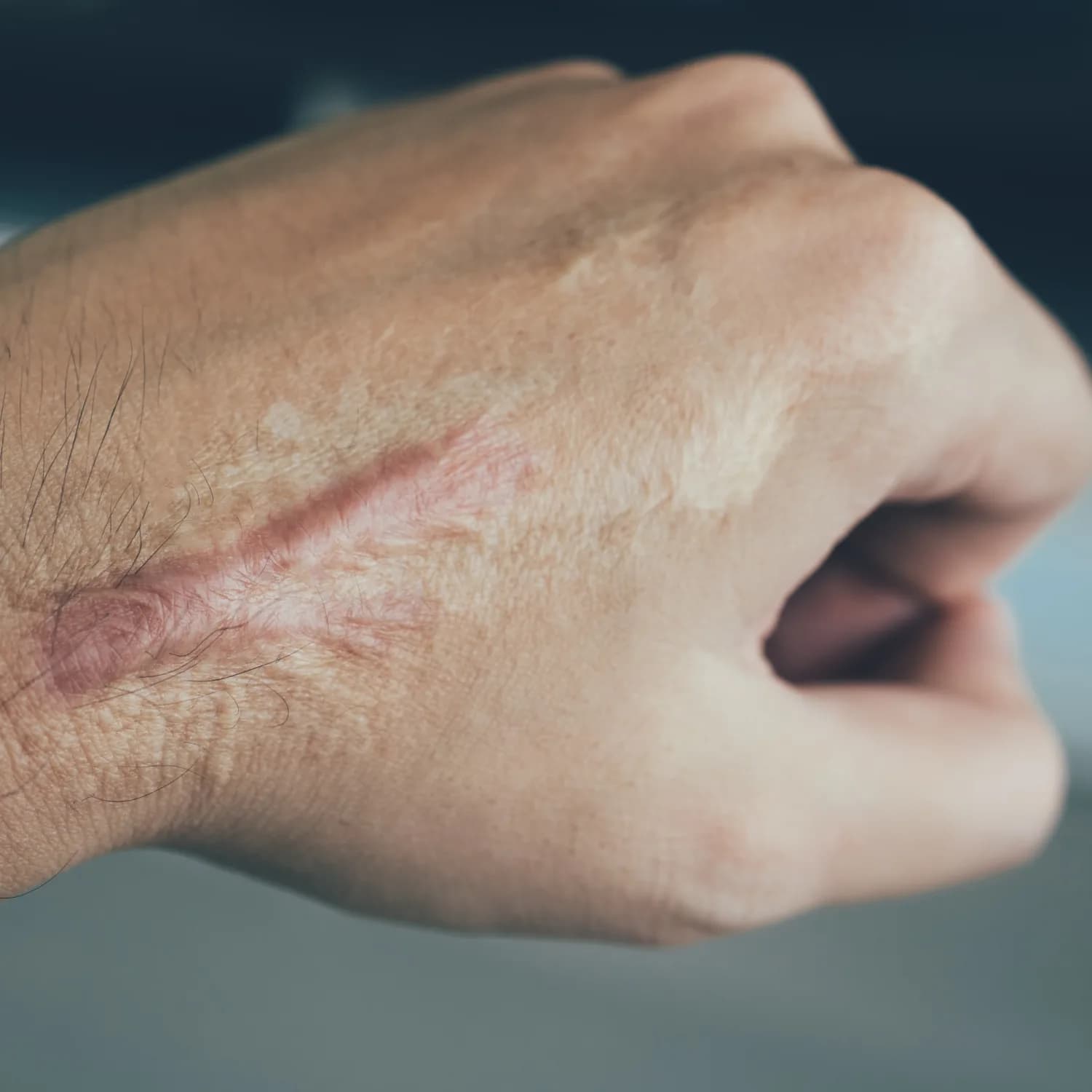
Keloids are one of the most complex types of skin scars. They result from abnormal wound healing and can lead not only to cosmetic concerns but also to discomfort such as pain, itching, or tightness. Although keloids are not dangerous to your health, early treatment can prevent them from spreading or becoming more prominent.
What is a keloid?
A keloid is a thick, raised scar that forms in response to a skin injury, such as a cut, burn, acne, surgical incision, piercing, or tattoo. Unlike regular scars, keloids often grow beyond the original wound site and do not fade away naturally over time.
Causes and risk factors
Several factors contribute to keloid formation:
-
Genetics – More common in people with a family history of keloids
-
Skin type – Higher risk in people with darker skin tones
-
Age – Often appears during adolescence or pregnancy due to hormonal changes
-
Skin trauma – Cuts, burns, acne, tattoos, piercings, surgical wounds
Symptoms
Keloids usually appear 1–3 months after a skin injury. Common symptoms include:
-
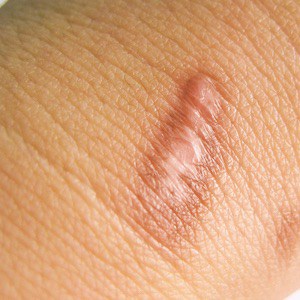
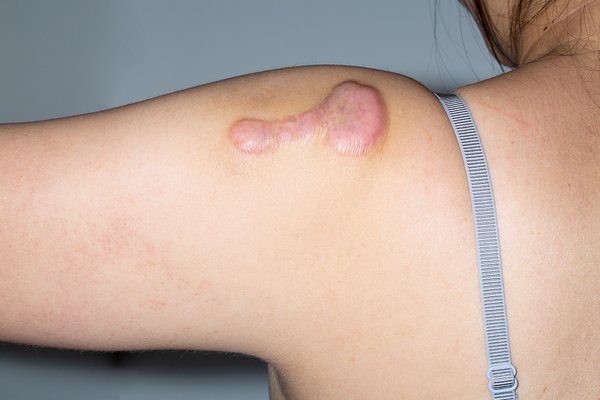
A firm, raised area of skin at the site of a previous wound
-
The scar may be pink, red, skin-colored, or darker than the surrounding skin (hyperpigmentation)
-
Grows beyond the borders of the original wound
-
May cause itching, burning, tightness, or even pain
-
Common areas: upper back, chest, shoulders, earlobes, occasionally the face, genitals, palms, or eyelids
When to see a doctor
You should consult a dermatologist if:
-
Your scar continues to grow or change
-
The scar becomes painful or causes discomfort
-
You have a history of keloids and are planning a skin procedure (e.g. surgery, piercing)
Diagnosis
Most keloids are diagnosed by physical examination and a review of your medical history. In some cases, a skin biopsy may be performed to rule out other skin conditions.
Treatment options
Keloid treatment can be challenging, as these scars tend to return. A combination of therapies usually works best:
-
Corticosteroid injections – Reduce inflammation and flatten the scar
-
Cryotherapy – Freezing the scar with liquid nitrogen, effective for smaller keloids
-
Laser therapy – Improves texture and pigmentation
-
Surgical removal – Must be combined with other treatments to reduce recurrence
-
Radiation therapy – Used after surgery to prevent regrowth
-
Silicone sheets or gels – Help soften and flatten the scar
-
Topical creams – Anti-inflammatory and scar-reducing formulations
Note: Surgery alone is usually not effective, as keloids often grow back unless followed by additional therapy.
Scar care and prevention
For those prone to keloids, prevention is essential:
-
Avoid unnecessary skin trauma (piercings, tattoos, etc.)
-
Ensure proper wound care after injuries or surgeries
-
Minimize skin tension during healing
-
Use silicone-based products during the healing process
-
Follow up with your dermatologist regularly
Frequently Asked Questions (FAQ)
Are keloids dangerous?
No, keloids are benign (non-cancerous), but they can cause discomfort or affect self-esteem.
Can keloids be removed completely?
Complete removal is often difficult, but treatment can significantly reduce their size and improve appearance.
How long does treatment take?
Treatment can take several months to over a year depending on the size of the keloid and the method used.
Do keloids come back after removal?
Yes, there’s a high risk of recurrence, which is why a combination of treatment and prevention is recommended.
Conclusion
Keloids are a unique type of scar that require a thoughtful, individualized treatment approach. With early diagnosis, consistent care, and professional dermatological guidance, it is possible to manage symptoms, reduce the appearance of keloids, and prevent new ones from forming. If you suspect a keloid or are concerned about a scar, consult a dermatologist for a personalized treatment plan.