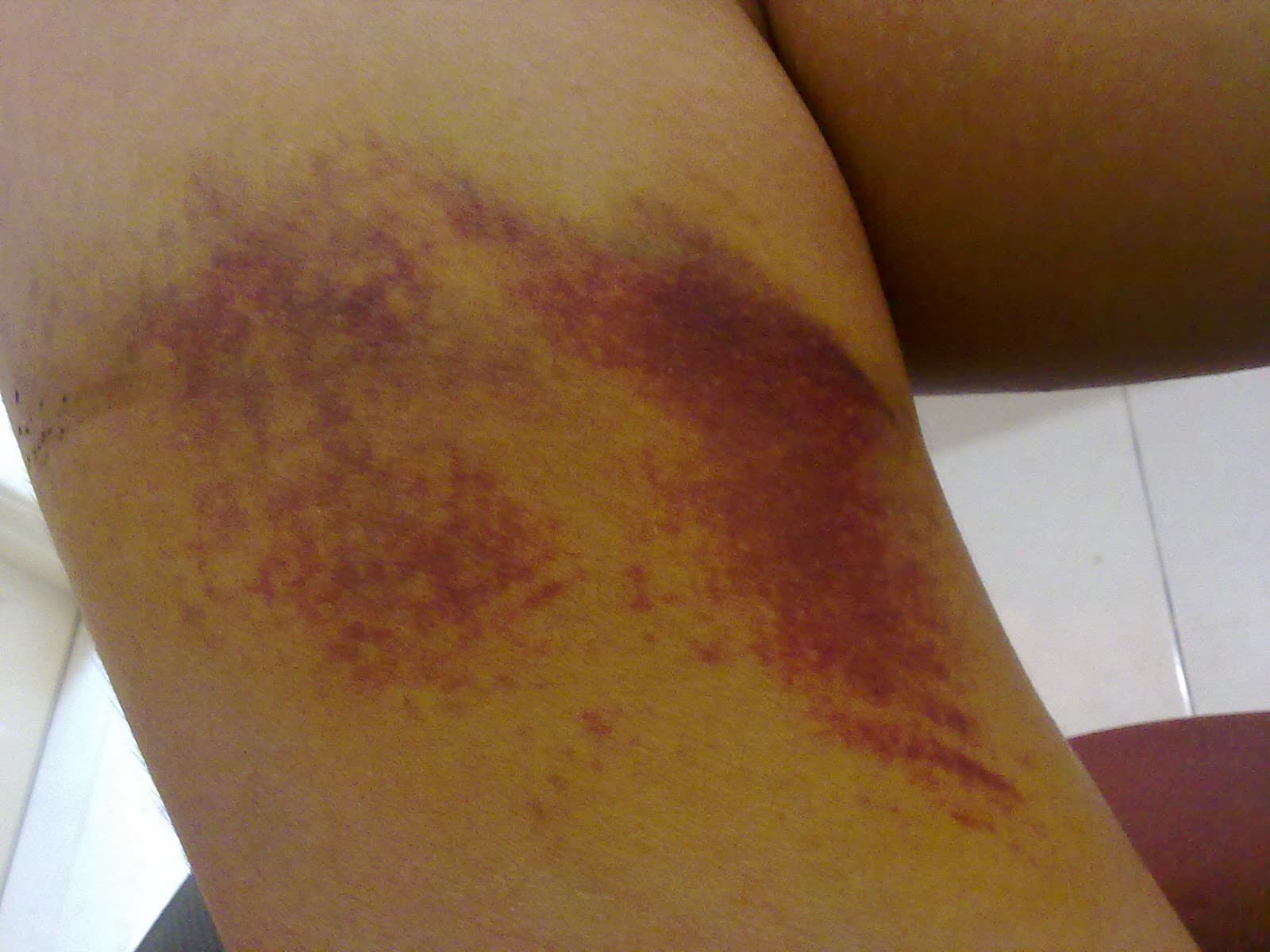
Simple purpura (purpura simplex) is a common, usually benign condition characterized by an increased tendency to bruise, where even a minor or unnoticed mechanical stimulus can cause small capillaries to rupture in the skin. Although its appearance can be alarming, this condition is not dangerous in most cases and does not pose a greater risk of internal or life-threatening bleeding. However, it is important to distinguish simple purpura from other disorders that can cause similar skin changes.
It is more common in women, often of slimmer build, and runs in families. The exact cause is not fully understood—it is believed that capillary fragility and connective tissue properties play a decisive role. For some patients, simple purpura is like a "skin feature" that does not develop into more serious diseases over time.
What is it?
Simple purpura is a phenomenon not caused by a coagulation disorder, but rather reflecting the fragile structure of blood vessels. When capillary walls become more easily damaged, even minor friction, pressure, or microtrauma can cause blood to leak into the dermis. The resulting spot (purpura) initially appears bluish-purple, then turns green, yellow, brown, and eventually disappears, just like a typical bruise.
Unlike coagulation system disorders, simple purpura is characterized by normal blood test results: platelet count, coagulation parameters, and other indicators are usually within normal limits. Therefore, this condition is often classified as a benign variant of skin vascular fragility.
Causes and Risk Factors
The exact origin of simple purpura is not fully known, but many factors have been identified that can increase capillary fragility or promote bruise formation:
- Genetic predisposition – familial recurrence indicates an inherited component of connective tissue or capillary properties.
- Gender and body composition – more common in women, especially with lower body mass and thinner subcutaneous fat layer.
- Age – over time, the skin becomes thinner, connective tissue weakens, and capillaries become more easily damaged.
- Sun exposure – prolonged ultraviolet exposure promotes the degradation of collagen and elastic fibers in the dermis, increasing the fragility of sun-damaged skin.
- Hormonal factors – changes in hormone balance can affect blood vessel walls and skin elasticity.
- Physical exertion and microtraumas – intense sports, workouts, friction, pressure (e.g., from backpack straps, underwear edges) can cause small capillary ruptures.
- Substances affecting bleeding – various medications or supplements that thin the blood or reduce platelet function, as well as some hormonal preparations, can increase the risk of bruising (adjustments should be made only after consulting a doctor).
- Lifestyle factors – inadequate nutrition, insufficient calories, or insufficient intake of certain vitamins (e.g., vitamin C), alcohol consumption can contribute to capillary fragility.
- Other conditions – liver, kidney, connective tissue, or endocrine system changes can sometimes promote similar skin phenomena, so atypical progression requires a doctor's examination.
Symptoms
Simple purpura is characterized by the following signs and progression:
- Spontaneous or trauma-triggered spots – changes in skin or mucous membrane color due to small blood vessel damage and blood leakage into tissues.
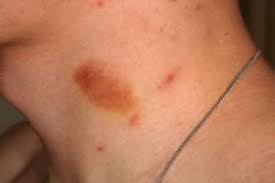
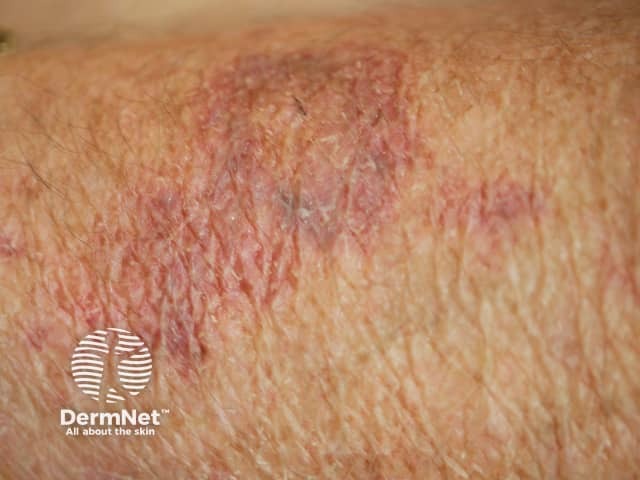
- Color change – initially purple or bluish, later green, yellow, or brown, until it completely disappears (usually within 1–3 weeks).
- Varied size – pinpoint lesions up to 2 mm in size are called petechiae, while larger areas are ecchymoses (bruises).
- Common locations – thighs, buttocks, arms, less commonly calves or other areas, depending on mechanical impact.
- No systemic symptoms – usually no fever, weakness, weight loss, or other general signs.
- Minimal pain during healing – with small bruises, pain is usually minimal or absent.
If gum bleeding, frequent nosebleeds, very heavy menstruation, or other bleeding signs occur, consider other disorders and consult a doctor.
When to See a Doctor?
Although simple purpura usually poses no danger, it is necessary to see a doctor if:
- bruises appear very frequently and are large, especially without a clear cause;
- you notice mucosal bleeding (gums, nose), blood in urine or stool;
- a palpable (raised), painful rash or spots with signs of inflammation appear – this may indicate vasculitis;
- bruising is accompanied by fever, general weakness, or unexplained weight loss;
- bruises suddenly spread or do not disappear within the usual period (2–4 weeks);
- the problem occurs in a child or an elderly person for the first time, without a clear cause.
Diagnosis
The main diagnostic tool is a comprehensive patient interview and physical examination. The doctor will ask about the frequency, duration, and relationship of bruises with physical exertion or trauma, inquire about supplements and medications that may affect blood coagulation, as well as comorbidities and family history.
Laboratory tests are prescribed when other causes need to be ruled out or the clinical picture is atypical. Usually, a complete blood count with platelet count, coagulation parameters (e.g., coagulation time assessment), and sometimes liver and kidney function evaluation are sufficient. If necessary, the status of certain vitamins may be assessed. For simple purpura, tests typically remain within normal limits.
Skin biopsy or extensive hematological diagnostics are generally unnecessary unless other processes are suspected (e.g., vasculitis, platelet count or function disorders).
The iDerma dermatologists can accurately diagnose purpura simplex, rule out other causes, and put together a clear care plan. Consultations are available both in-person and online.
Treatment
For simple purpura, specific medication treatment is not necessary. Usually, correcting risk factors, skin care, and rest are sufficient – bruises disappear on their own. Key principles:
- Avoid unnecessary skin trauma – choose physical activities more carefully, avoid strong friction, tight clothing, or long-pressing straps.
- Review medications – if you are using substances that may thin the blood or affect platelets, discuss their use and risks with your doctor. It is not recommended to discontinue use independently.
- Skin care – gentle cleansers, regular moisturizing, and avoiding aggressive procedures help reduce skin vulnerability.
- Sun protection – using sunscreen, protective clothing, and seeking shade reduces UV damage and long-term dermal weakening.
- Nutrition and lifestyle – balanced diet, adequate protein, vegetable, and fruit intake, sufficient calorie intake, optimal body weight; adequate fluid intake and quality sleep.
- Short-term measures after trauma – initially, cooling (cold compresses through fabric) and temporary limb elevation can help reduce spread and swelling.
If bruises recur frequently, appear in atypical locations, or cause concern, it is worth consulting a dermatologist – this will help rule out other causes and create a clear, personalized action plan for you.
Care and Prevention
- Avoid using substances that may affect blood coagulation or platelet function without a doctor's recommendation.
- Protect your skin from the sun – UV rays weaken the dermis, so use protection year-round.
- Choose gentle care – mild cleansers, soft towels, avoid rough friction.
- Dietary balance – sufficient protein and antioxidant-rich foods; maintain a stable and healthy body weight, avoid drastic diets.
- Physical activity – regular but wisely dosed; strengthen muscles and subcutaneous tissue, but avoid excessive load causing microtraumas.
- Monitor family members – if easy bruising is common in the family, it may be an inherited trait; however, sudden changes warrant a doctor's attention.
- Responsible alcohol consumption – excess can worsen skin condition and blood vessel wall resilience.