Introduction
Scabies is a common, contagious, and very unpleasant skin disease caused by microscopic mites. Although the name itself may sound intimidating, this condition is completely treatable, and the sooner it is recognized and targeted treatment begins, the quicker the symptoms can be managed and the spread within the family or group can be stopped. It is important to know that scabies has nothing to do with "dirtiness" – anyone can become infected, regardless of age, social status, or lifestyle habits.
What is scabies?
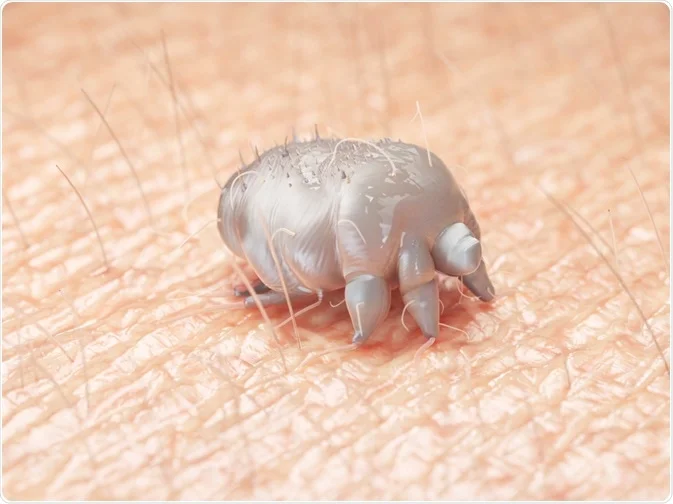
Scabies (Latin: scabies) is a parasitic skin infection caused by mites adapted to humans, Sarcoptes scabiei var. hominis. The females migrate under the very top layer of the skin, burrowing thin tunnels and laying eggs. The body reacts to the parasites and their products with a strong allergic and inflammatory response, resulting in very intense itching, especially at night, and a characteristic rash. Without treatment, scabies does not go away on its own, and it can infect other close contacts.
Causes and Risk Factors
Scabies primarily spreads through prolonged close skin contact with an infected person, such as living together, sleeping in the same bed, caregiving, or having sexual relations. Although less common, it is also possible to become infected through personal items such as bedding, towels, clothing, and upholstered furniture. Mites can survive on separated surfaces for up to 2–3 days, so environmental care is important, but intensive hygiene alone does not cure the infection.
Those at higher risk of infection include:
- close family members, partners, and roommates;
- groups with a lot of close contact: kindergartens, boarding schools, care homes, barracks, nursing facilities;
- people who have to care for or nurse others;
- individuals with weakened immune systems (due to chronic diseases, treatment, old age);
- families with infants and young children.
It should be emphasized that scabies is not a "dirtiness" disease. Thorough hygiene is important, but it neither protects against infection nor can scabies be cured with just a shower without specific antiparasitic treatment.
Symptoms
The main symptom of scabies is very intense itching, especially at night or after a warm shower. Skin rashes also appear, which can look different depending on the stage of the disease and individual reaction:
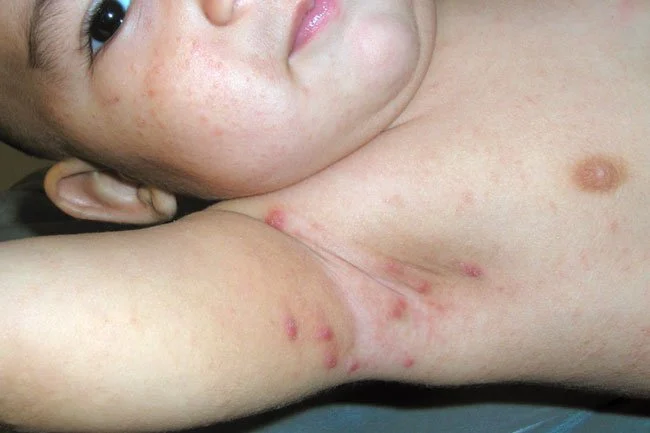
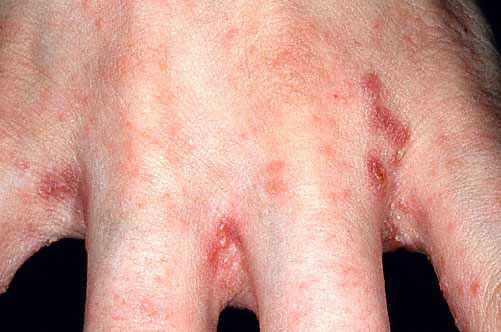
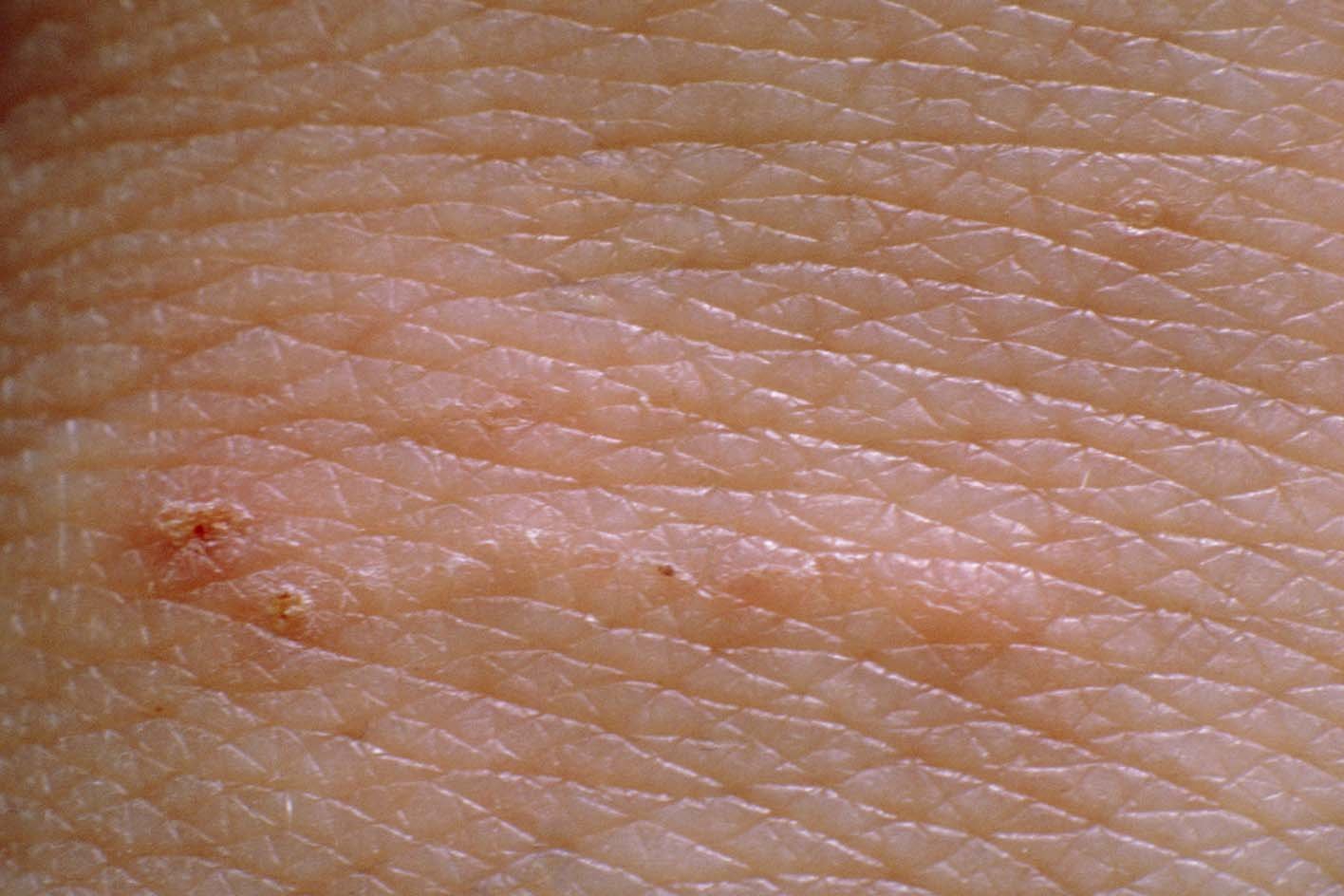
- Mite burrows (tracks) – thin, straight or slightly wavy, grayish or skin-colored lines, most commonly found between the fingers, on the forearms, wrists, elbows, armpits, around the navel, nipples, buttocks, or genital area.
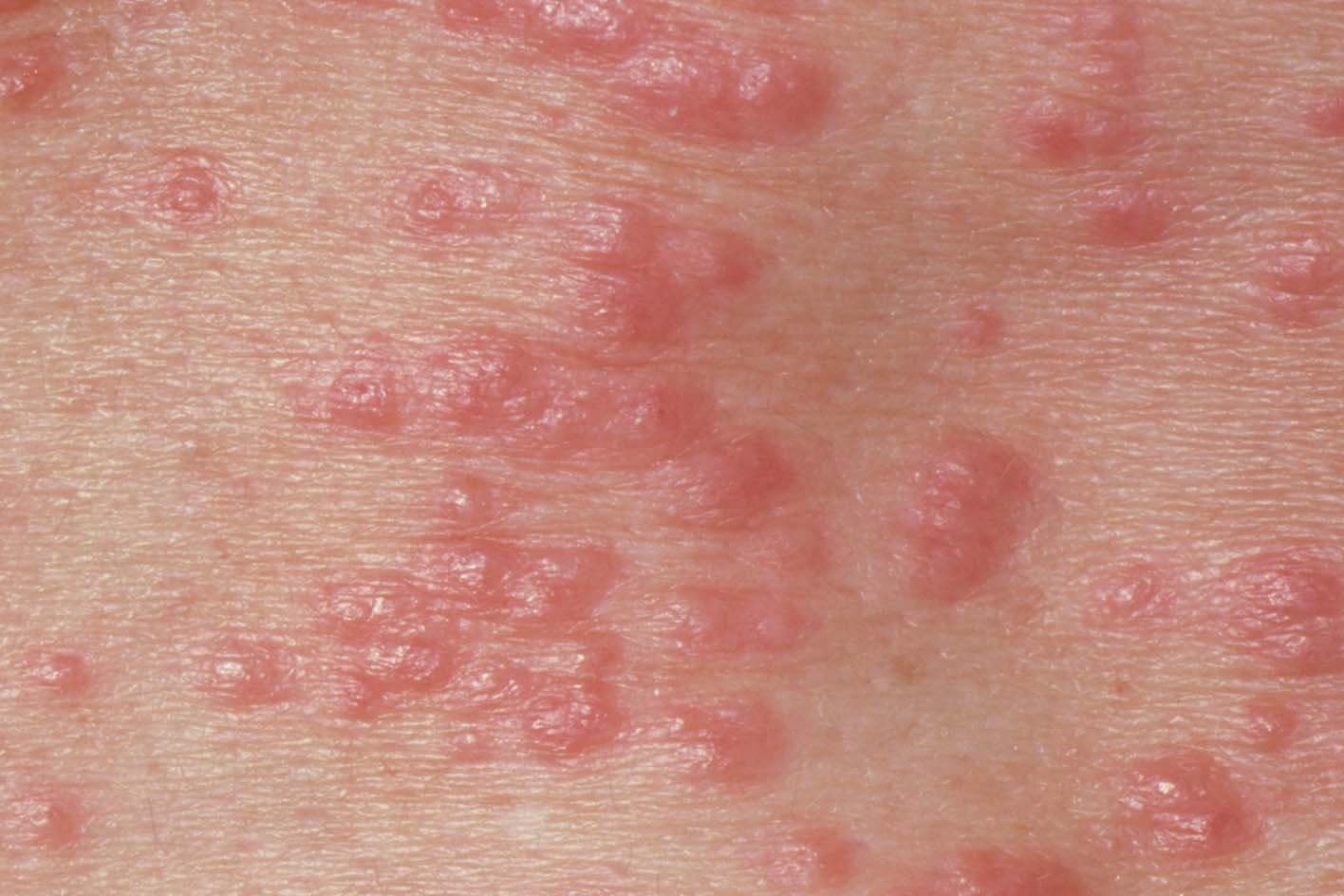
- Small, very itchy bumps and papules – usually on the torso, forearms, thighs, buttocks. Sometimes redness, small blisters, and scaling become apparent.
- Scratch marks – due to intense scratching, sores, scabs, and sometimes secondary bacterial infection may occur.
- Coin-shaped (nummular) plaques or more widespread eczema-like rash – this is an allergic reaction to the parasite, which may persist even after successful treatment.
In infants and young children, rashes more often cover the soles, palms, neck, and scalp. In cases of weakened immune systems, crusted (Norwegian) scabies can develop, where the skin becomes covered with thick crusts, and the contagiousness of the disease becomes particularly high.
When to see a doctor?
Consult a doctor if:
- you experience intense itching that worsens at night and notice characteristic rashes, especially between the fingers, on the wrists, torso, or genital area;
- you have been in close contact with someone diagnosed with scabies or live in the same household;
- you are pregnant, nursing a baby, or are elderly – diagnosis and treatment selection in these cases require greater caution;
- thick crusts, painful sores, or fever appear – this may indicate complications;
- treatment is not helping, or symptoms return after a few weeks – a re-evaluation and treatment plan adjustment may be necessary.
Scabies does not resolve without specific treatment, so it is important not to delay. A dermatologist consultation helps quickly clarify the diagnosis and start safe, effective treatment.
Diagnosis
An experienced dermatologist can often diagnose scabies based on clinical signs and a discussion of symptoms and close contacts. If needed, additional tests are performed:
- Dermatoscopy – examination of the skin with a special magnifying device that helps identify mite burrows, the "triangular" silhouette of the mite's head, and other characteristic structures.
- Microscopy of skin scrapings – a small skin sample is taken from a suspicious area and examined under a microscope for mites, eggs, or fecal pellets.
- Sticky tape test or other simpler methods – help confirm findings.
Sometimes it is necessary to differentiate scabies from other conditions: atopic or contact dermatitis, urticaria, insect bites, lice infestation, prurigo, or crusts. A correct diagnosis is the foundation of successful treatment.
ARTICLE_GIF
Our iDerma clinic dermatologists help accurately diagnose, assess the extent of the disease, and select an individual treatment and care plan. We offer consultations both in-person and remotely – this is especially convenient when symptoms cause discomfort and a quick solution is desired.
Treatment
The goal of scabies treatment is to eliminate the parasites on the skin and prevent reinfection. The treatment plan is selected individually, taking into account age, health condition, duration of symptoms, and household circumstances.
Main principles:
- Topical antiparasitic treatment – prescribed by a doctor in the form of creams or lotions. Usually, the preparation is evenly applied to the entire body in the evenings (from the neck down, and for infants and children – also on the head and neck), paying special attention to the spaces between fingers, wrists, armpits, navel area, genitals, buttocks, feet, heels, and areas under the nails. It is left for the prescribed time, then washed off. A repeat application may be needed after a few days – consult your doctor about the regimen.
- Oral treatment – required in certain cases (e.g., in widespread or crusted scabies, when topical treatments are insufficient or difficult to apply). The need is determined by the doctor.
- Treatment of all close contacts at the same time – it is crucial that not only symptomatic individuals but all close household members and partners are treated, even if they currently feel nothing. This prevents continuous "cycling" and reinfections.
- Nail care – cut nails short and apply treatment under the nails, as parasites and eggs may hide there.
- Itch control and skin restoration – the doctor may recommend measures to reduce itching and restore the skin barrier (emollients, gentle care routines). After successful treatment, itching may continue for 2–4 weeks – this is a normal allergic reaction to the remnants of dead parasites and does not necessarily indicate failure.
If symptoms do not resolve or new rashes appear after 2–4 weeks, a follow-up visit is advisable – another treatment cycle, repeat treatment of all contacts, or more detailed diagnostics for relapse or other skin diseases may be necessary.
Care and Prevention
In addition to specific medicinal measures, daily practices are very important to help recover faster and stop the spread:
- Contact management – avoid close skin contact with others for at least 24 hours from the start of treatment (for some treatments, follow the doctor's instructions). Returning to work, school, or kindergarten is usually possible after the first full day of treatment if hygiene guidelines are followed.
- Clothing and bedding treatment – wash all clothes, bedding, and towels used in the last 3–4 days at a temperature of at least 60 °C and, if possible, dry on a hot setting. An alternative is professional dry cleaning.
- Non-washable items – soft toys, coats, or other non-washable items should be kept in sealed bags for 3–4 days or aired out, then thoroughly vacuumed.
- Home cleanliness – vacuum mattresses, carpets, upholstered furniture; clean frequently touched surfaces. Insecticide sprays are not needed.
- Personal hygiene items – use separate towels and bedding, sleep separately until the treatment becomes effective.
- Skin care – choose gentle cleansers, regularly apply emollients, avoid aggressive scrubbing and hot baths, which can intensify itching.
- Pets – the human scabies mite is adapted to live on human skin; pets are generally not a source of infection and do not need treatment unless a veterinarian identifies other types of mites.
Frequently Asked Questions
- Does having scabies mean poor hygiene?
No. Scabies spreads through close contact, and anyone can become infected. Hygiene is important, but it alone does not protect against infection and does not cure it without specific treatment. - How long am I contagious after treatment?
Contagiousness usually significantly decreases within 24 hours of starting proper treatment. However, follow your doctor's instructions and perform environmental care measures to avoid reinfection. - Itching persists, does this mean the treatment didn't work?
Not necessarily. Itching can persist for 2–4 weeks due to the body's reaction to dead parasites. If new rashes appear in typical areas or itching intensifies after this time, a follow-up consultation with a dermatologist is needed. - Can I get scabies again?
Yes. Immunity does not develop after having scabies. Therefore, it is important that all close contacts are treated and the environment is properly managed. - Do infants and the elderly experience scabies differently?
Yes, they more often have rashes on the palms, soles, and sometimes on the head and neck. Due to greater sensitivity and possible comorbidities, careful medical supervision and an individual treatment plan are necessary. - Can my pet give me scabies?
The human scabies mite is specific to humans. Pets are generally not a source of human scabies infection. If your pet is scratching, consult a veterinarian – it is usually a different type of parasite.
Conclusions
Scabies is a common and unpleasant but completely treatable skin disease. In cases of intense itching that worsens at night and characteristic rashes, it is important to promptly consult specialists: the more accurately the diagnosis is made and the treatment applied in time, the quicker the relief and the lower the risk of infecting loved ones. Targeted treatment should be applied to all household members, and the environment should be thoroughly cleaned. If you have questions about symptoms or treatment, iDerma dermatologists are ready to help – we offer consultations both in-person and remotely, so you can return to your normal routine as quickly and safely as possible.