Introduction
Vasculitis, known in English as vasculitis, is a rare disease associated with inflammation of the blood vessel walls. This inflammation can affect various organs of the body, including the skin, so it is important to recognize the symptoms and take proper care of them.
What is it?
Vasculitis is classified according to the size of the affected blood vessels:
- Large vessel vasculitis: most commonly affects large arteries such as the aorta and its major branches.
- Medium vessel vasculitis: affects coronary, intestinal, and renal arteries.
- Small vessel vasculitis: affects smaller networks of blood vessels.
The cause of vasculitis often remains unknown, but doctors have identified several factors that may increase the risk of this disease.
Causes and Risk Factors
The risk of developing vasculitis can be increased by the following factors:
- Infections such as hepatitis B or C.
- Blood cancer and other hematological diseases.
- Immune system diseases, including rheumatoid arthritis and scleroderma.
- Reactions to certain medications.
Symptoms
Vasculitis can affect various body systems, so symptoms are often diverse. Common signs may include:
- Fever.
- Headaches.
- Fatigue and lack of energy.
- Weight loss.
- General body discomfort and aches.
Additionally, vasculitis can present with specific symptoms depending on which body parts are affected. For example:
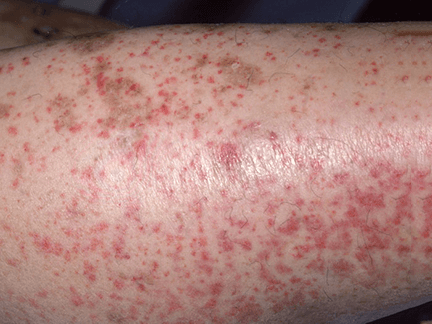
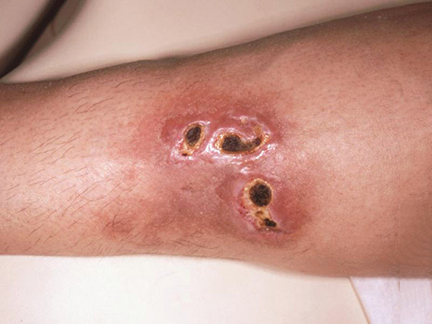
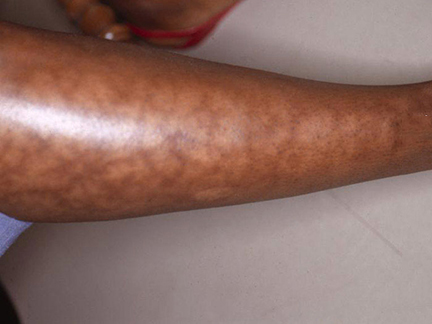
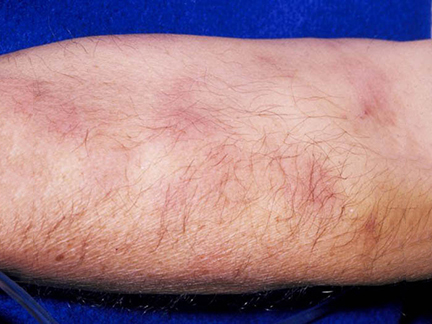
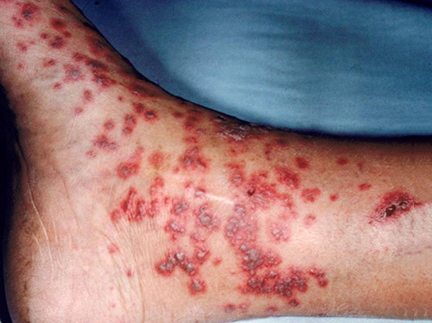
- Skin: red spots (petechiae), ulcers, bleeding under the skin, red nodules.
- Digestive system: abdominal pain or bleeding.
- Eyes: pain, redness, or vision problems.
- Lungs: cough, shortness of breath.
ARTICLE_GIF
When to See a Doctor?
If you notice any of the symptoms listed above or suspect vasculitis, it is important to consult a doctor. Our clinic's dermatologists help accurately diagnose, assess severity, and select an individual treatment and care plan. Consultations are available both in person and online.
Diagnosis
The initial suspicion of vasculitis is often based on patient responses and physical examination. Sometimes, to determine the exact causes of the disease or confirm systemic vasculitis, further tests are performed, such as:
- Laboratory tests: markers of inflammation, autoantibodies in the blood.
- Imaging tests, including angiography.
- Biopsies to assess tissues of the skin or other affected organs.
Treatment
The treatment of vasculitis largely depends on the origin of the disease, the nature, and severity of the lesions. Sometimes treatment includes anti-inflammatory drugs or immunosuppressive measures. In each case, the treatment plan must be individualized and selected by a doctor, considering all existing factors.
Care and Prevention
An individual care plan can help manage vasculitis symptoms and prevent their worsening. It is important to follow doctors' recommendations, regularly check health status, and avoid known risk factors. Continuous care is essential in controlling the disease and improving quality of life.
Frequently Asked Questions
- What are the most common symptoms of vasculitis? The most common are skin rashes, fatigue, fever, and aches.
- Is vasculitis curable? Treatment of vasculitis can help reduce symptoms and control the course of the disease, but complete recovery can be challenging.
- How is vasculitis diagnosed? Diagnosis is based on patient symptoms, laboratory tests, and, in some cases, a biopsy.
- Can vasculitis affect internal organs? Yes, some forms of vasculitis can affect internal organs, including the lungs, kidneys, and digestive tract.
- How long does vasculitis treatment last? The duration of treatment depends on the type and severity of vasculitis and the patient's response to treatment.
Conclusions
Vasculitis is a complex condition that requires time and expert assistance to understand. Although this disease can cause considerable discomfort, it is important not to lose hope – with proper medical care, symptoms can be effectively managed. If you notice symptoms characteristic of vasculitis, do not delay and contact our clinic specialists who will help solve your health issues.