Introduction
Papillomas are common, usually harmless skin growths that can appear on different parts of the body — most often on the neck, underarms, under the breasts, groin area, or face. In most cases, they do not pose a health risk. However, many patients wonder: Is papilloma removal necessary, and is the procedure safe?
In this article, we explain when removal is recommended, how the procedure is performed in a doctor’s office, and what potential risks should be considered.
What Is a Papilloma?
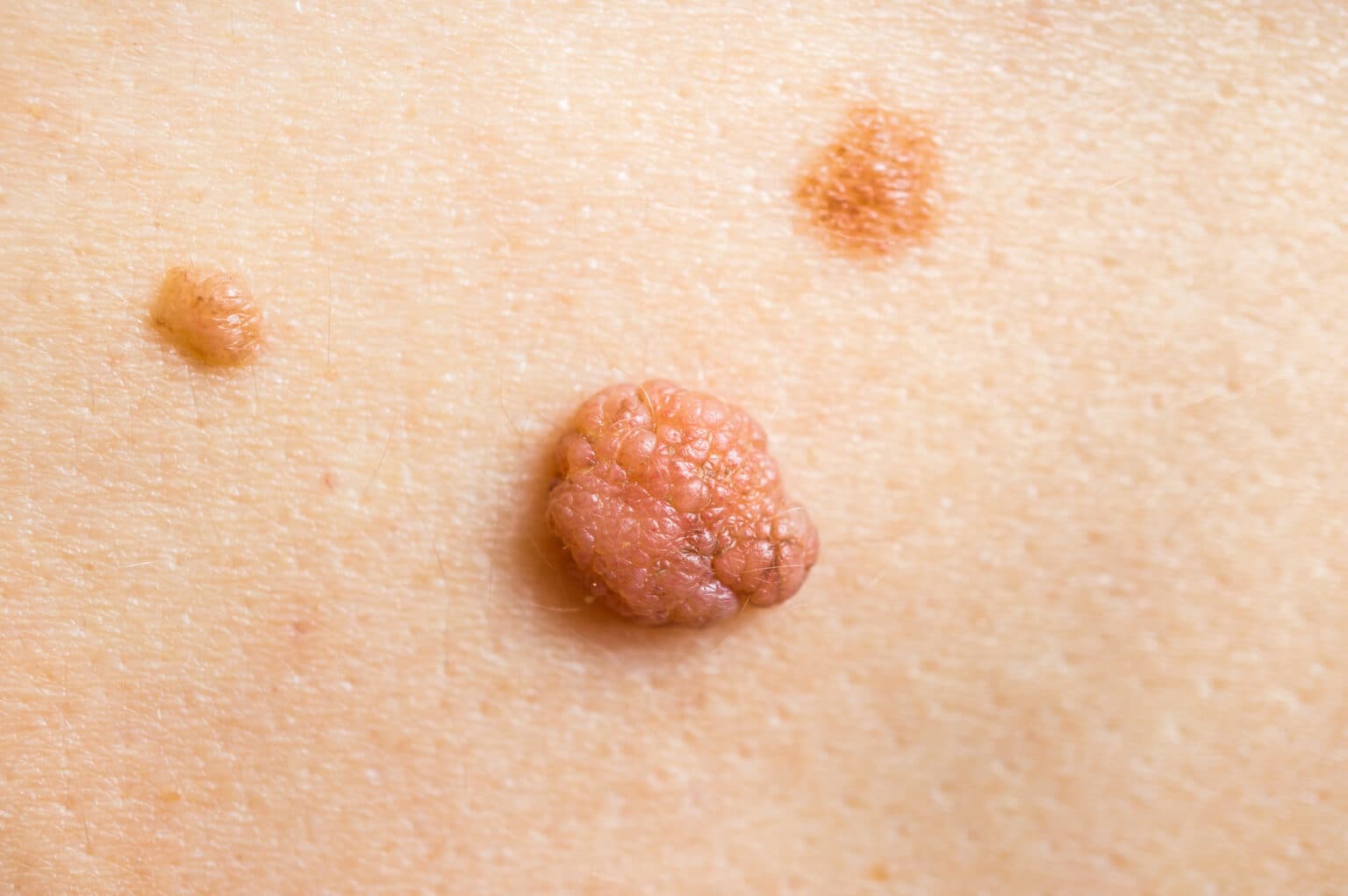
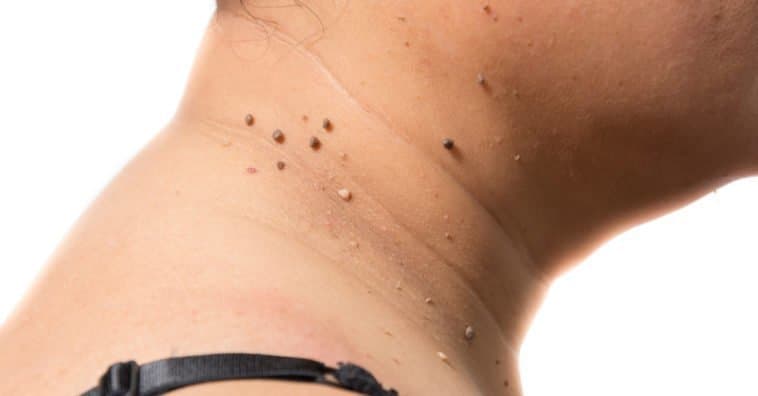
A papilloma (often called a skin tag or soft fibroma) is a small, soft, flesh-colored or slightly darker skin growth.
Important facts:
-
Papillomas are benign (non-cancerous) growths
-
They are not typically associated with skin cancer
-
They are more common in adults
-
Their number may increase with age
They are often attached to the skin by a thin stalk and may appear individually or in clusters.
Why Do Papillomas Appear?
The exact cause is not always clear, but known risk factors include:
-
Skin friction (especially in skin folds)
-
Overweight or obesity
-
Hormonal changes
-
Pregnancy
-
Genetic predisposition
-
Insulin resistance or metabolic disorders
It is important to distinguish papillomas from other skin lesions such as warts or pigmented moles, which may require different management.
Is Papilloma Removal Necessary?
In most cases, medical removal is not required if the papilloma:
-
Is not painful
-
Does not bleed
-
Does not change in appearance
-
Is not repeatedly irritated
However, removal may be recommended in the following situations:
Repeated Irritation
Papillomas located on the neck, underarms, or groin are often rubbed by clothing or jewelry, which may cause:
-
Inflammation
-
Bleeding
-
Ongoing discomfort
Signs of Inflammation
If a papilloma becomes red, swollen, painful, or starts bleeding, it should be evaluated by a doctor.
Diagnostic Uncertainty
Sometimes a skin lesion may resemble a papilloma but actually be another type of growth. A dermatologist can confirm the diagnosis.
Cosmetic Concerns
Papillomas located in visible areas are often removed for aesthetic reasons.
What Happens During a Dermatology Visit?
During an in-person consultation, the dermatologist will:
-
Visually examine the lesion
-
Perform dermoscopy if needed
Dermoscopy is a non-invasive examination using a specialized magnifying device that allows detailed evaluation of skin structures. It helps confirm that the lesion is benign.
In most cases, no additional tests are required.
How Are Papillomas Removed?
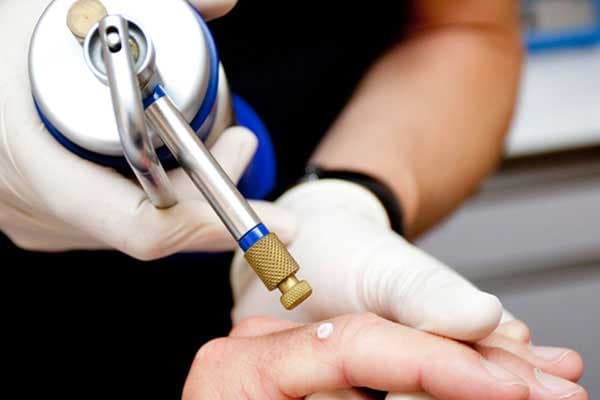
Papilloma removal is a quick and generally safe outpatient procedure.
Common methods include:
Electrocautery (Electrocoagulation)
The lesion is removed using controlled electrical energy. The procedure usually takes only a few minutes.
Laser Removal
A medical laser precisely removes the growth.
Surgical Excision
Used less frequently, typically for larger lesions or when the diagnosis is uncertain.
Local anesthesia may be used, especially for larger papillomas.
Is Papilloma Removal Safe?
Yes, papilloma removal is considered a safe procedure when performed by a medical professional.
Possible but uncommon side effects include:
-
Minor bleeding
-
Temporary redness
-
Rarely, infection
-
Small scar formation
The risk of complications increases significantly if papillomas are removed at home using non-medical methods.
What Should Not Be Done?
-
Do not tie off the papilloma with thread
-
Do not use aggressive chemical products without medical advice
-
Do not cut or attempt to remove it yourself
These actions can lead to infection, bleeding, or scarring.
Aftercare
After removal, it is recommended to:
-
Keep the area clean
-
Avoid excessive sun exposure
-
Do not pick at the healing scab
-
Follow your doctor’s instructions
Healing usually takes about 5–10 days.
Frequently Asked Questions
Can papillomas turn into cancer?
Common skin papillomas are generally not associated with skin cancer.
Can they grow back after removal?
A removed papilloma usually does not return, but new ones may appear in other areas.
Is the procedure painful?
Most patients experience only minimal discomfort.
Conclusion
Papilloma removal is usually not medically necessary but may be recommended if the lesion is repeatedly irritated, inflamed, or causes cosmetic concerns.
The procedure is quick, safe, and performed in a medical setting. Before removal, it is important to ensure the lesion is benign through professional evaluation.
A consultation with a dermatologist ensures accurate diagnosis and the safest treatment approach.