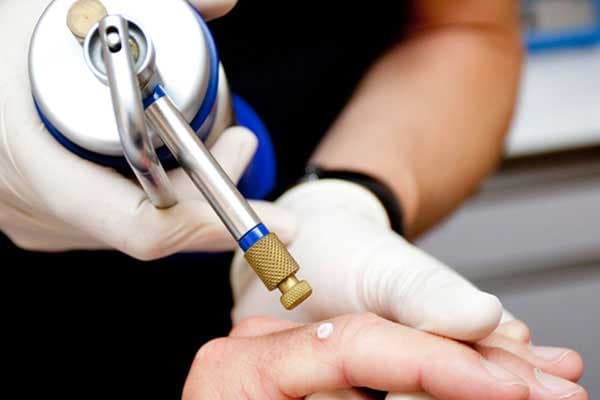
Cryotherapy: Minimally Invasive Skin Lesion Removal
Cryotherapy is a minimally invasive method for removing skin lesions by destroying abnormal tissues using extremely cold liquids and specialized instruments.
The most commonly used agent is liquid nitrous oxide, though carbon dioxide snow, dimethyl ether, or propane-based agents may also be used.
Benefits of Cryotherapy:
-
Low cost
-
Fast procedure
-
Simple to perform
-
Safe for most patients
-
Few potential complications

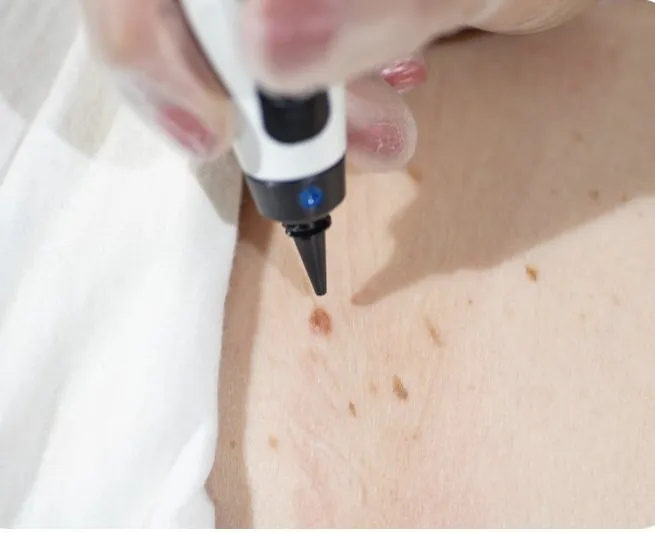
Common Indications for Cryotherapy:
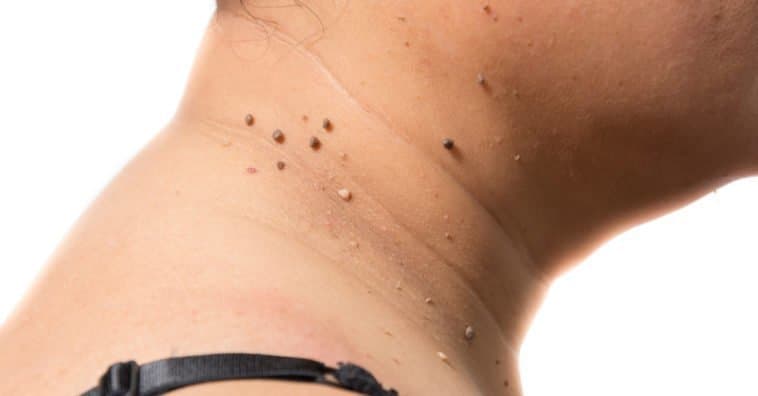
Cryotherapy is most often used to treat benign skin conditions and remove growths such as:
-
Actinic keratosis
-
Seborrheic keratosis
-
Viral warts
-
Molluscum contagiosum
-
Various soft benign skin lesions
Occasional Oncological Use:
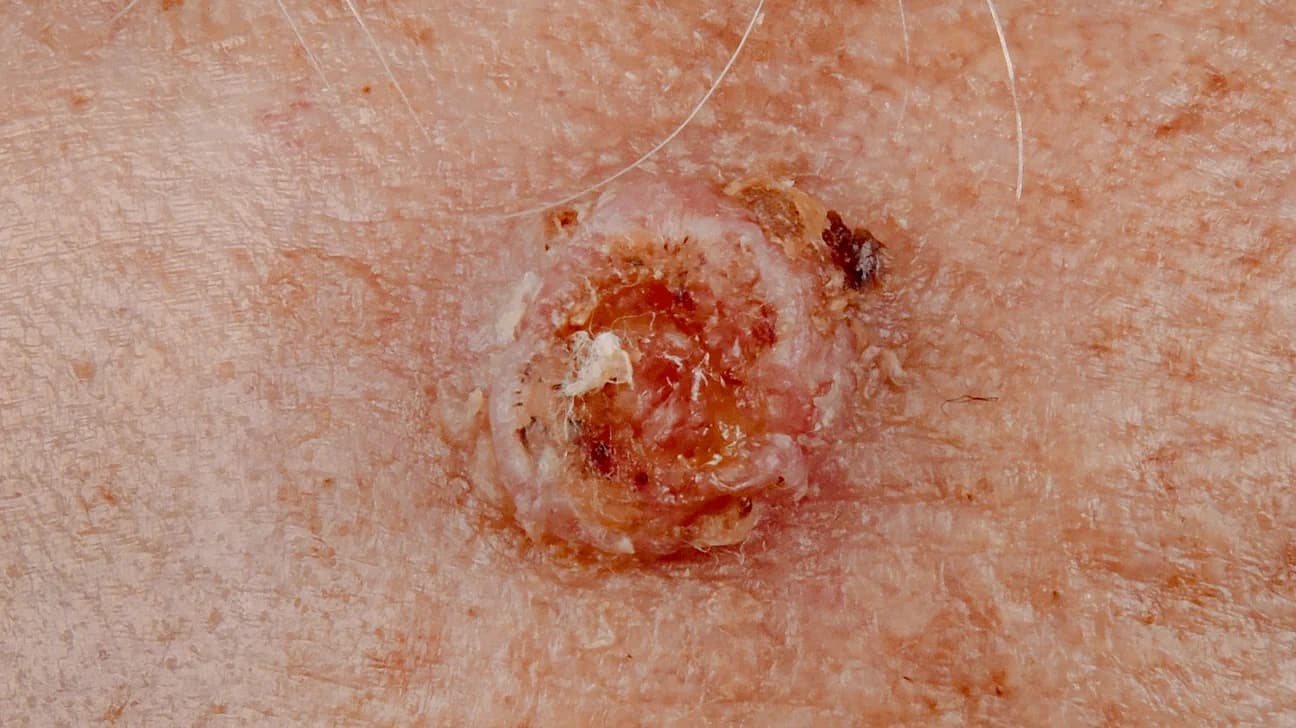
In select cases, cryotherapy can also be used to treat early-stage cancerous changes, including:
-
Superficial basal cell carcinoma
-
In-situ squamous cell carcinoma (e.g., lesions on the legs)
However, these cases require closer follow-up and attentive skin monitoring after treatment.
When Cryotherapy is Not Recommended:
Cryotherapy is contraindicated in the following cases:
-
Unclear diagnosis of the lesion
-
Suspected or confirmed melanoma
-
Patients with darker skin tones (due to pigmentation risks)
-
Lesions requiring histological examination
-
History of adverse reactions to cryotherapy
-
Young children
-
Unconscious patients
-
Underlying conditions triggered by cold exposure
ARTICLE_GIF
Possible Side Effects During or After the Procedure:
-
Pain at the treated site
-
Swelling
-
Headache
-
Blister formation
Post-Procedure Care:
The dermatologist will choose the most appropriate treatment method and explain aftercare for the treated area.
General care recommendations include:
-
Keep the area clean and wash gently with mild soap
-
Avoid friction or irritation from rough clothing
-
After the procedure, the area can be briefly treated with a topical steroid and, if needed, a non-steroidal pain reliever may be taken once