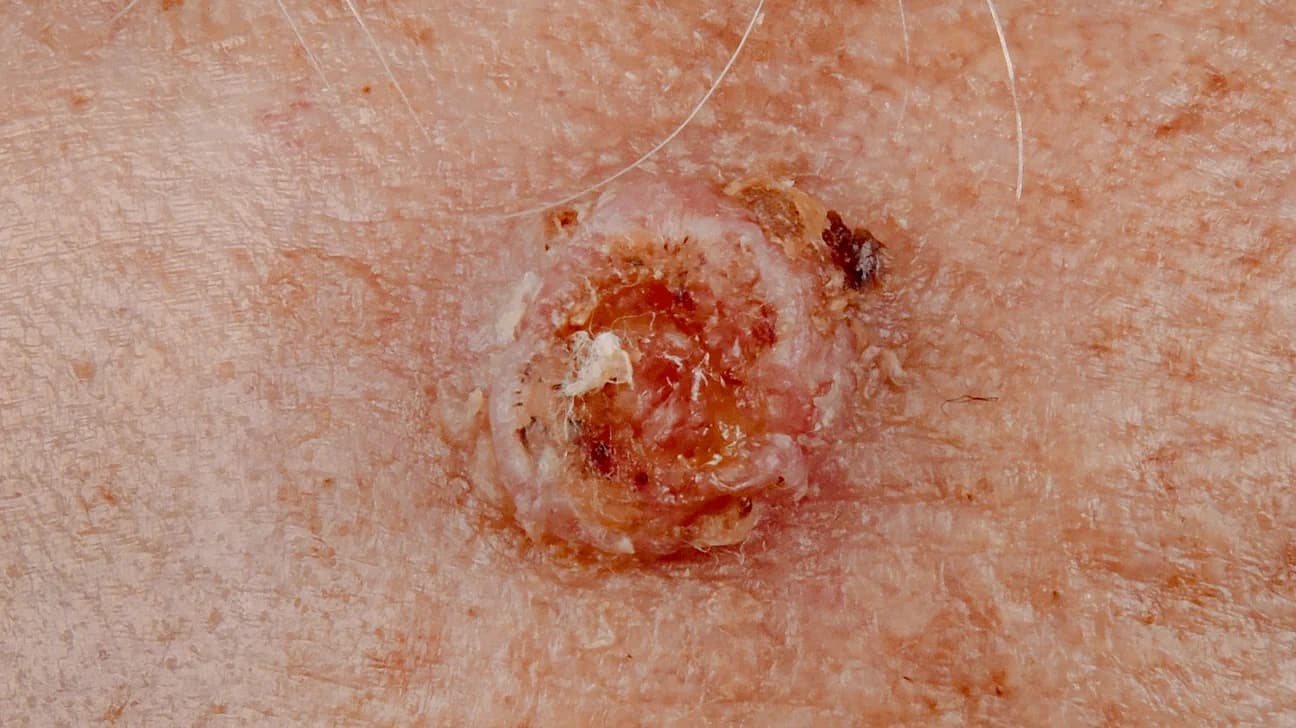
Squamous cell carcinoma (SCC) is one of the most common forms of skin cancer, primarily caused by prolonged exposure to ultraviolet (UV) radiation from the sun.
What Is Squamous Cell Carcinoma?
Squamous cell carcinoma is a malignant tumor that develops in the squamous cells of the epidermis—the outermost layer of the skin. It usually grows slowly but can spread deeper or metastasize if left untreated.
SCC often begins with a precancerous condition called actinic keratosis, which appears as rough, scaly patches on sun-exposed skin.
Main Causes and Risk Factors
-
Prolonged UV exposure is the most common cause.
-
Other triggers include:
-
Long-term exposure to carcinogenic substances (e.g., chemicals in cigarettes)
-
Chronic wounds or scars from deep burns
-
Certain types of HPV (human papillomavirus) infections
-
-
High-risk groups:
-
People over 50 years old
-
Individuals with fair skin, light eyes (especially blue), and a history of intense sun exposure
-
Those with weakened immune systems due to cancer treatment or serious illnesses
-
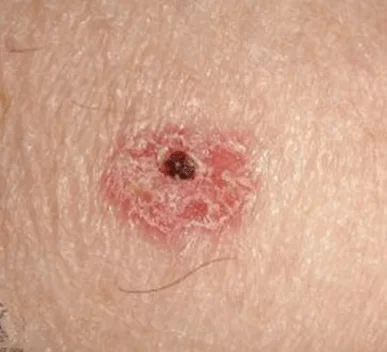
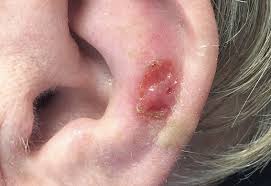
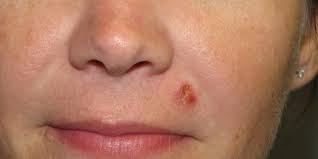
Clinical Appearance (Symptoms)
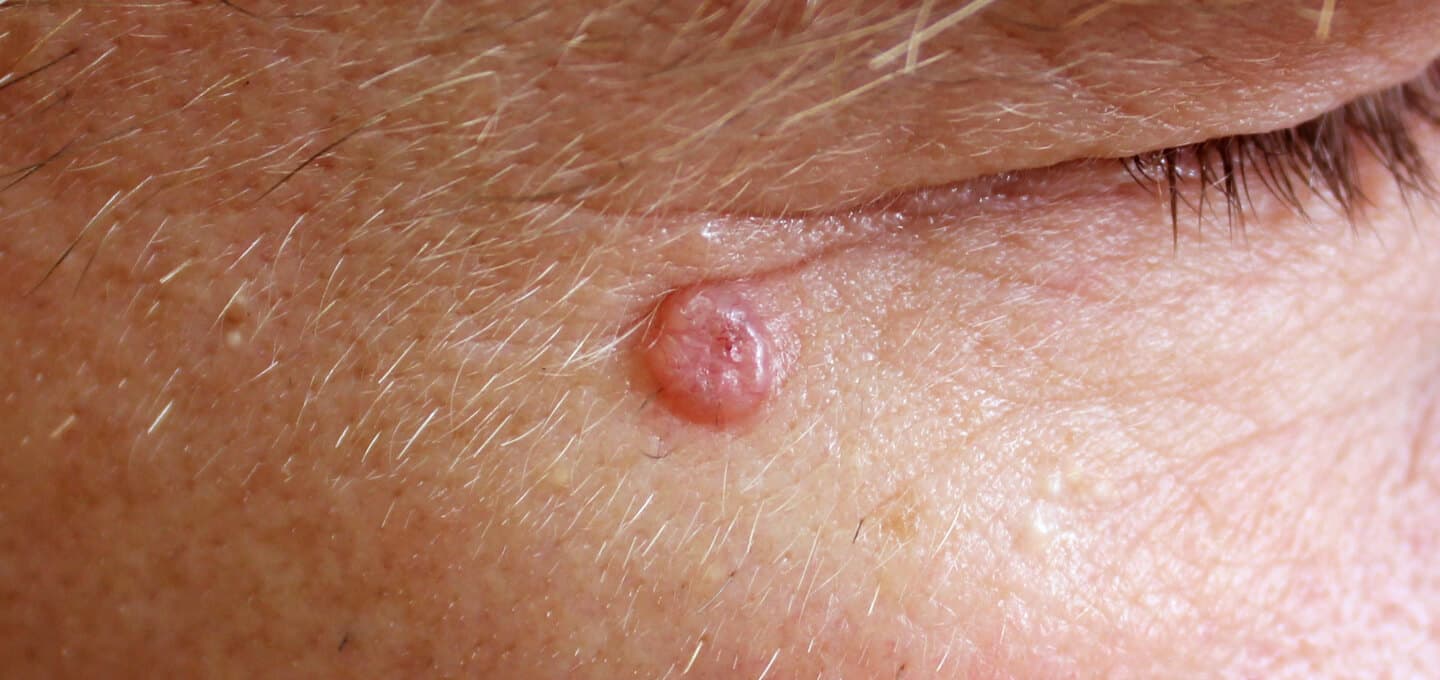
SCC typically appears on areas frequently exposed to the sun, such as the face, scalp, neck, hands, and lower legs.
Common characteristics:
-
Often develops from actinic keratosis
-
May present as:
-
Flat or raised lesion
-
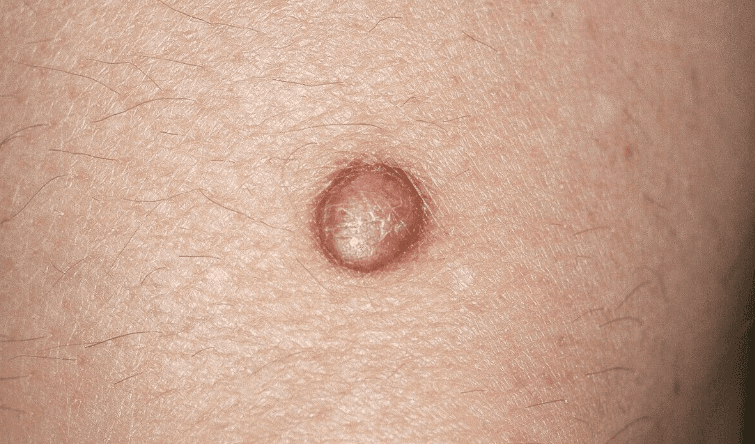
A scaly, crusted, or nodular growth
-
Non-healing wound that may bleed
-
-
Color: from flesh-toned to reddish-pink
-
Visible blood vessels (telangiectasia) may be present
-
Can cause pain or a tightening sensation, especially if the tumor affects nerve endings
Diagnosis
Diagnosis usually begins with a visual examination and patient history. To confirm SCC, a skin biopsy is performed and analyzed histologically. Biopsy results also help determine the stage and depth of the cancer.
Treatment Options
Treatment is personalized depending on the stage and spread of the disease. The main treatment method is complete surgical removal of the malignant lesion.
If the cancer is detected at an early stage (in situ), alternative treatments may be used, such as:
-
Electrodestruction (burning the abnormal cells)
-
Topical chemotherapy creams, such as:
-
Topical treatments applied to the affected skin
-
Topical immune-response treatments applied to the skin
-
ARTICLE_GIFPrevention and Aftercare
To reduce the risk of recurrence or developing new lesions:
-
Avoid direct sunlight, especially during peak hours
-
Use high SPF sunscreen (SPF 50+) daily
-
Wear protective clothing and hats
-
Avoid tanning beds
Regular follow-up is essential after treatment, as SCC may recur. Depending on the individual case, one or more dermatologist visits per year may be recommended.