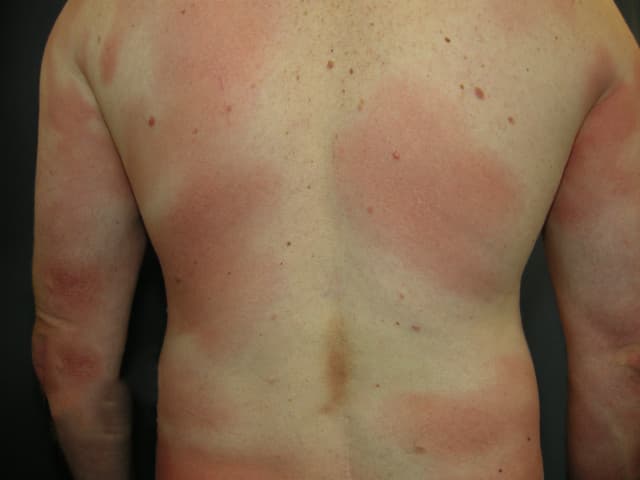
Mycosis fungoides is the most common form of primary cutaneous T-cell lymphoma – a rare type of blood cancer that starts in the skin. Although it is considered a type of cancer, in many cases it progresses slowly and can be successfully managed, especially when detected early.
Key Facts
-
Mycosis fungoides is twice as common in men as in women
-
It typically develops in people aged 55–60 years
-
It is more prevalent in North America and Asia than in Europe
-
Accounts for around 39% of all skin lymphomas
Risk Factors
While the exact cause of mycosis fungoides remains unclear, certain factors may increase risk:
-
Prolonged exposure to UV radiation
-
Viral infections (such as Epstein–Barr virus, CMV, HIV)
-
Occupational exposure to radiation or chemicals
-
Immune system changes or genetic predisposition
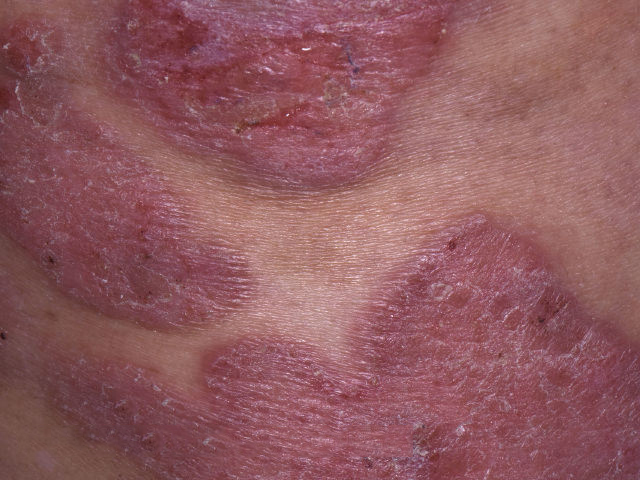
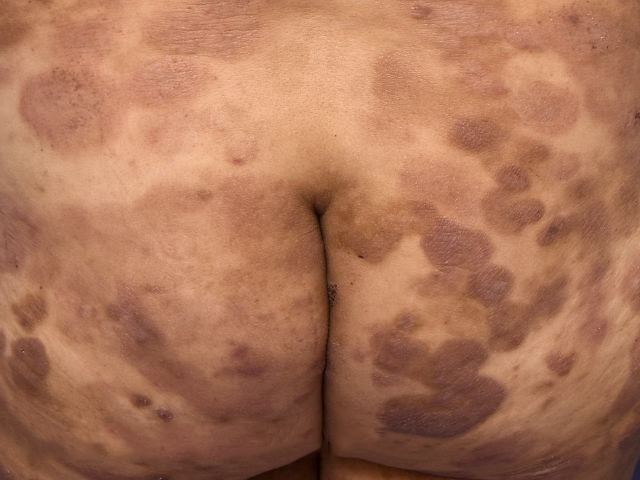
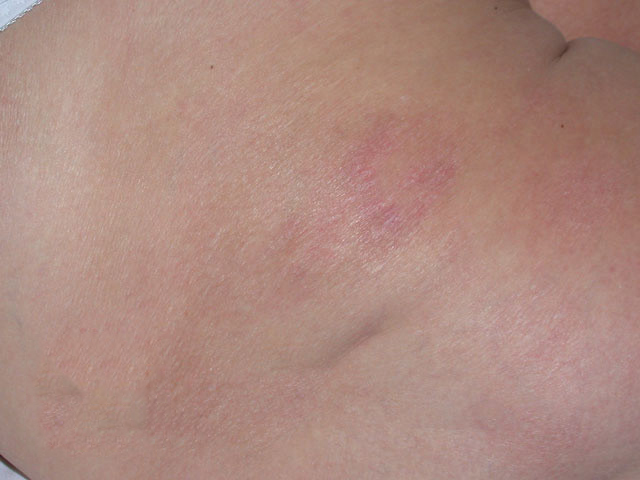
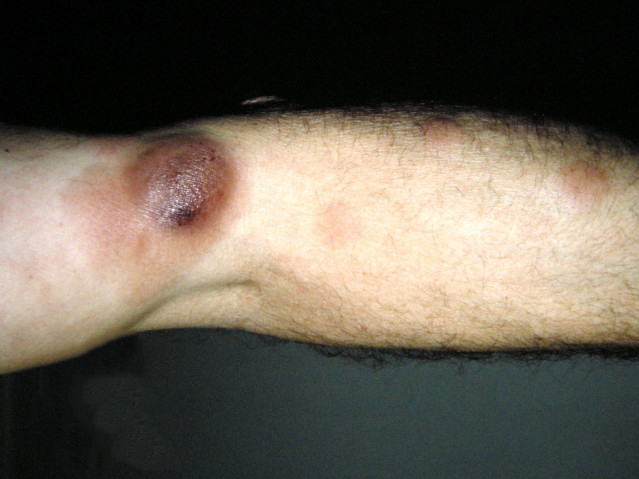
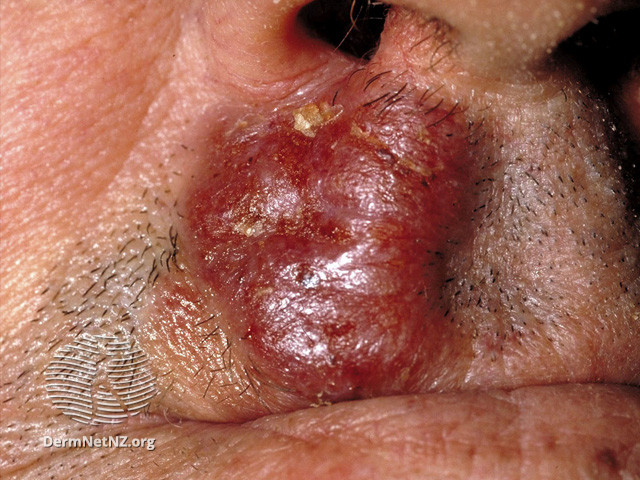
Clinical Stages and Progression
The disease typically develops gradually, moving through three main stages. However, multiple stages can exist at the same time in different areas of the body.
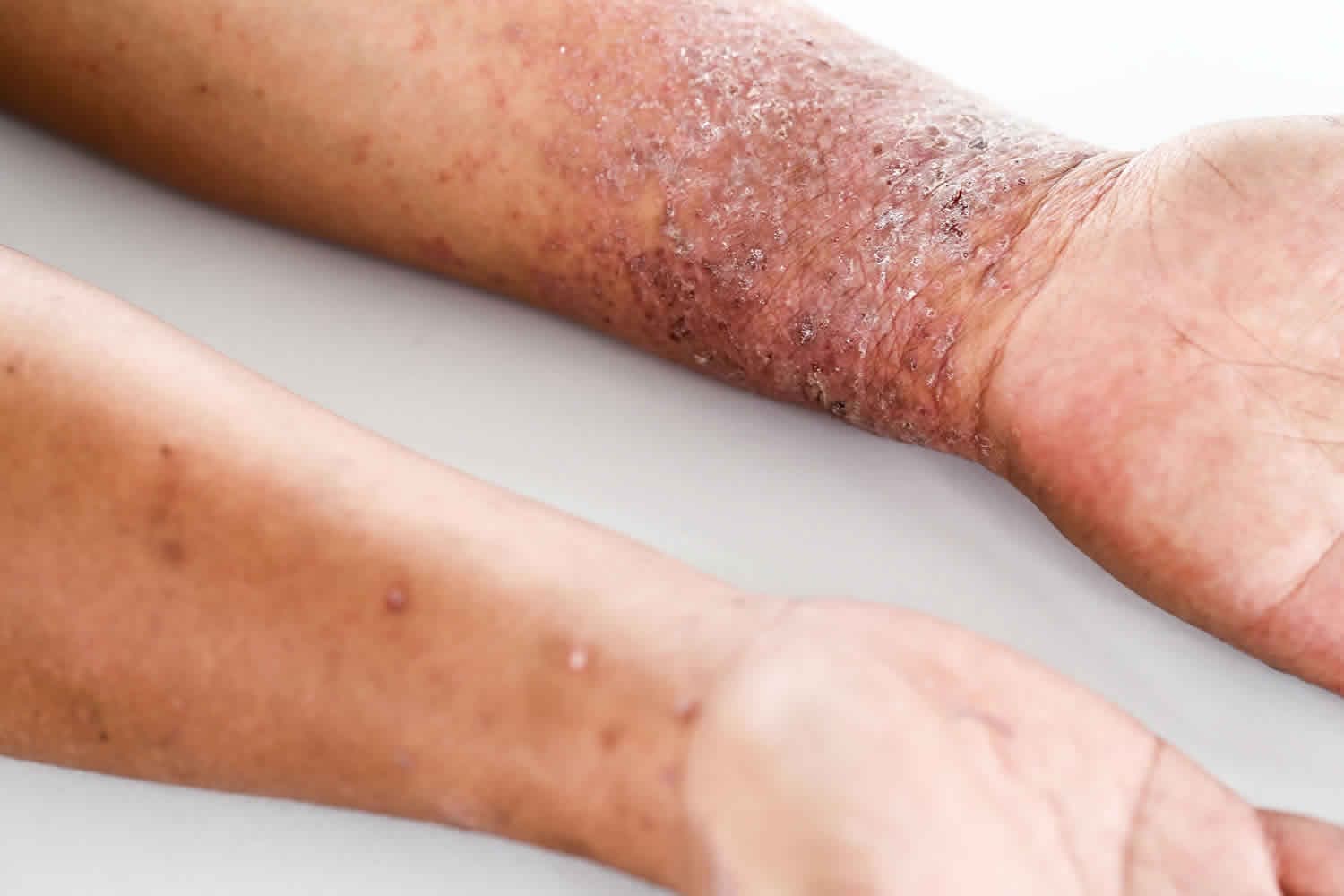
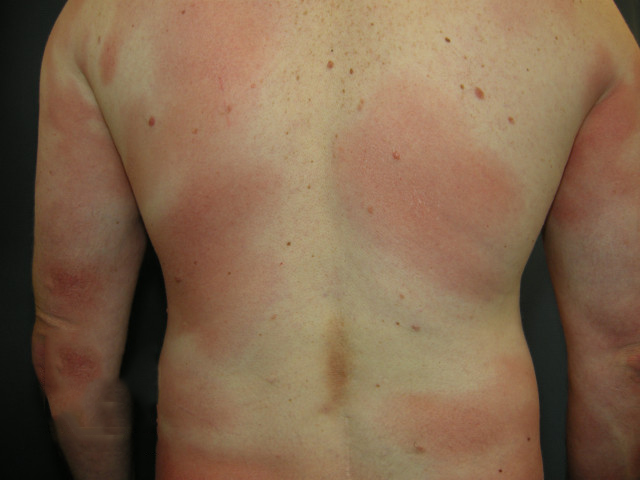
1. Patch Stage
-
Appears as pink, scaly patches, most often on parts of the body that are not exposed to sunlight
-
May be localized or widespread
-
Often mistaken for eczema or psoriasis in the early phase
2. Plaque Stage
-
Thicker, raised lesions develop — usually reddish-brown, with irregular borders
-
Surface may be dry, rough, or flaky
-
More noticeable and can cause skin discomfort
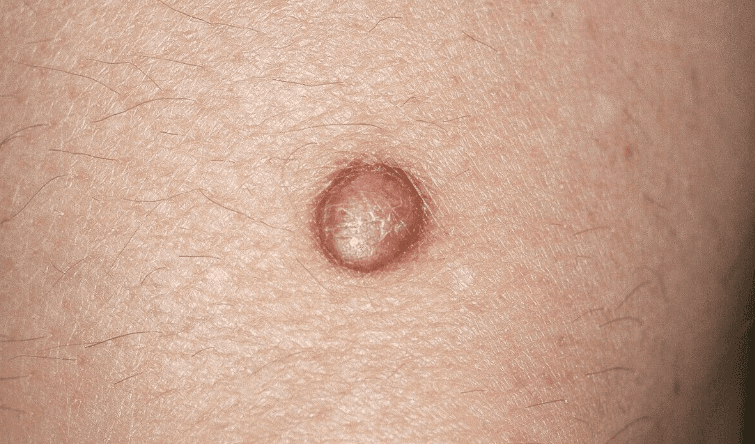
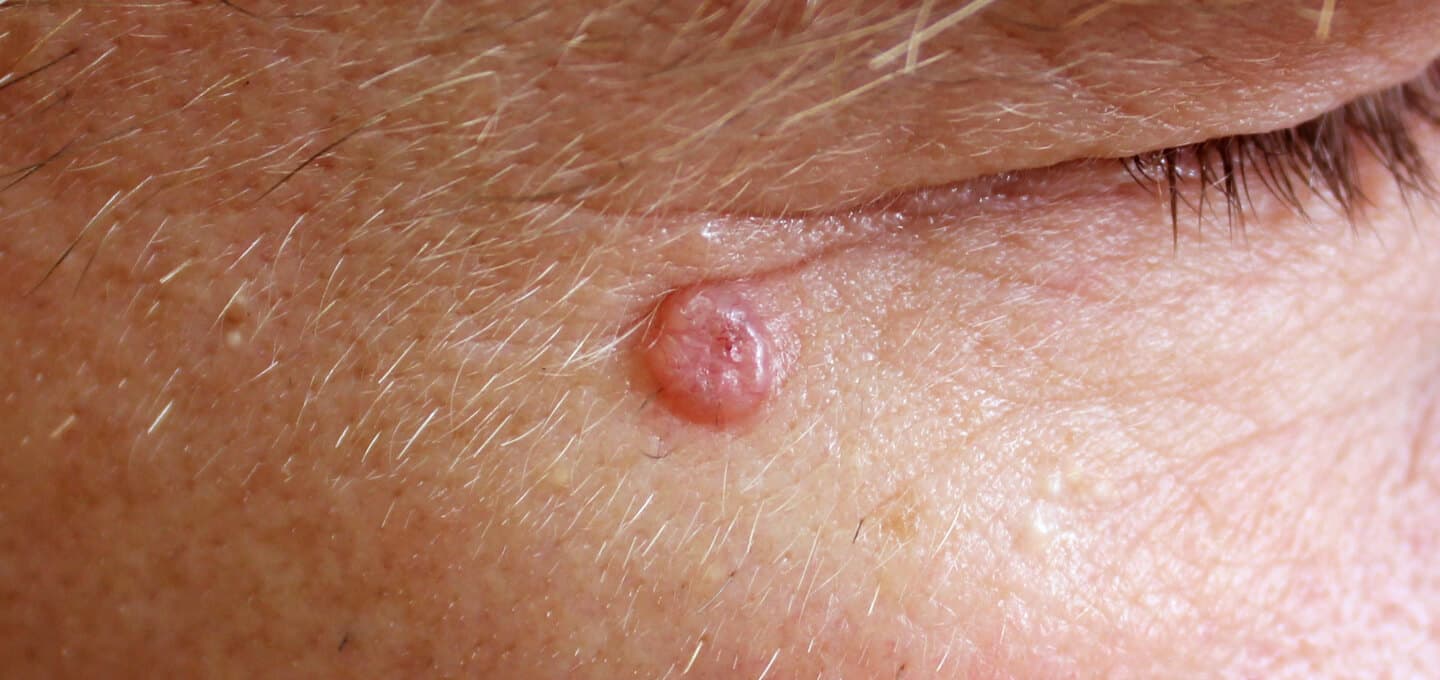
3. Tumor Stage
-
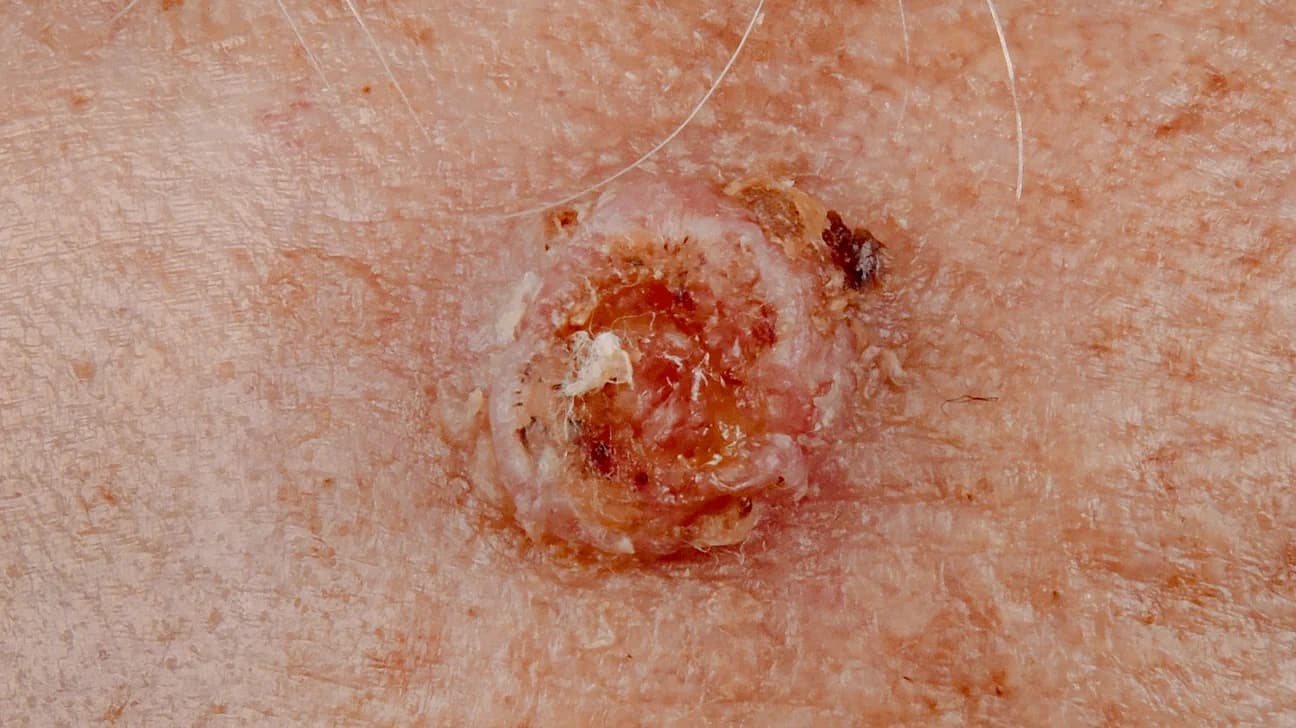
Nodules or tumor-like growths appear, often 1 cm or larger
-
These can develop from earlier stages or appear as new lesions
-
May ulcerate in more advanced cases
Diagnosis
Diagnosing mycosis fungoides can be challenging in early stages, as the symptoms resemble many other skin conditions.
Diagnostic methods typically include:
-
Detailed clinical examination and patient history
-
Skin biopsy – a small sample is taken for microscopic analysis
-
Imaging tests (e.g., ultrasound, CT, MRI) – used to check for internal involvement
Treatment Options
There is no single treatment for all patients – therapy is personalized based on the stage of the disease, size and spread of the lesions, and overall health.
• Local therapy and phototherapy
-
Often used in early stages
-
Aims to target affected skin areas directly, reduce inflammation, and slow progression
• Immune system modulation
-
Treatment methods that stimulate the body's natural defenses to help control disease activity
• Advanced-stage strategies
-
In more widespread or resistant cases, intensive and combination therapies may be recommended to manage the condition and improve quality of life
The goal is not necessarily to cure, but to control symptoms, prevent progression, and maintain skin health.
Living with Mycosis Fungoides
Tips for daily management:
-
See a dermatologist or specialist regularly
-
Monitor skin changes closely and document new lesions
-
Use gentle skincare products — fragrance-free, hypoallergenic moisturizers
-
Avoid excessive sun exposure, irritation, and stress
-
Seek emotional support or counseling, especially when adjusting to a long-term condition
Frequently Asked Questions (FAQ)
Is mycosis fungoides contagious?
No. It is a non-infectious condition and cannot be spread through contact.
Is it a form of skin cancer?
Yes. It is classified as a cutaneous T-cell lymphoma, but usually progresses slowly and may be managed effectively over time.
Can it be cured?
While a full cure is not currently available, symptoms can be controlled for long periods with the right approach.
How long does treatment last?
Treatment is typically ongoing, with regular adjustments based on skin condition and overall response.
Conclusion
Mycosis fungoides is a rare but manageable chronic skin lymphoma. Early detection, accurate diagnosis, and personalized care plans allow many patients to live a full and active life. Ongoing skin monitoring and collaboration with dermatology professionals are key to successful long-term management.