Introduction
Angular cheilitis is an unpleasant and often painful inflammation of the corners of the lips, which can be a problem for both adults and children. It can affect not only aesthetics but also cause discomfort when eating or speaking. Although it occurs more frequently during the colder months, this condition can be bothersome and start suddenly in unexpected situations. The aim of this article is to provide a comprehensive understanding of angular cheilitis, its causes, symptoms, diagnostic and treatment methods, and prevention strategies.
What is it?
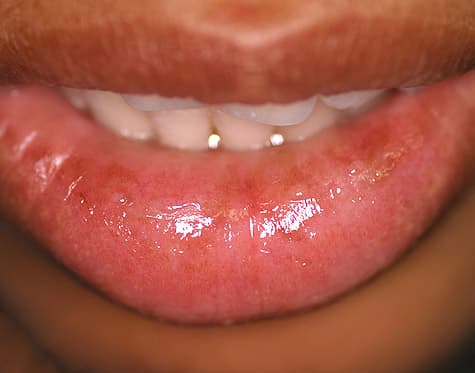
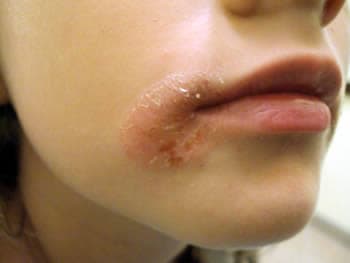
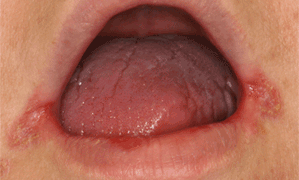
Angular cheilitis is an inflammation of the corners of the lips caused by various factors. It usually manifests as sensitivity, soreness, flaking, or cracking at the corners, which recur due to various external and internal causes. This condition is not merely related to aesthetics – in more severe cases, it can cause significant unavoidable discomfort.
Causes and Risk Factors
There are many causes for the development of angular cheilitis, which often occur together:
- Salivation or frequent licking of the corners of the lips, causing irritation and drying.
- Lip dryness, caused by medications or environmental factors.
- Deepening of wrinkles due to aging changes the structure of the lips, deepening the corners.
- Vitamin and micronutrient deficiencies, especially iron.
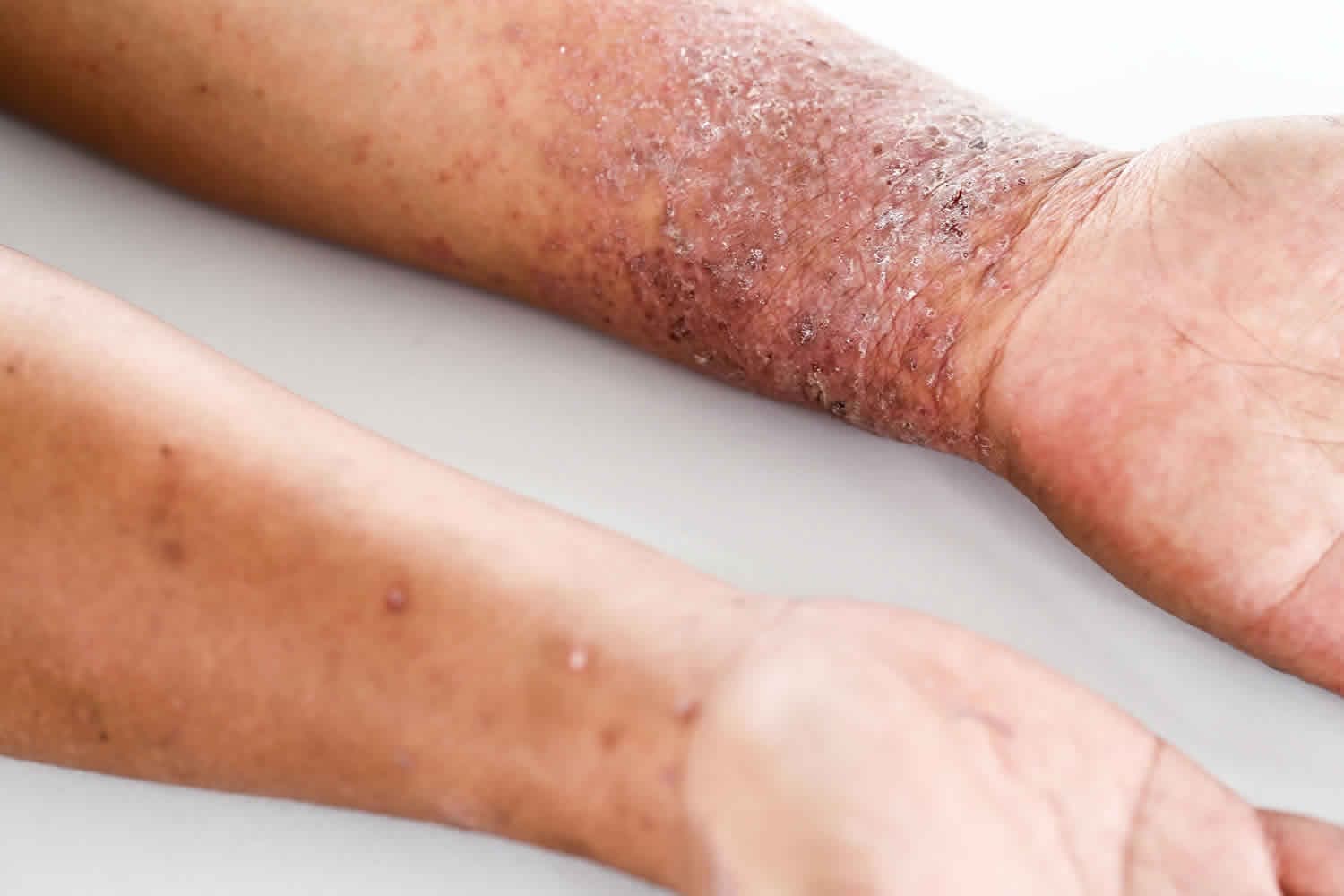
- Other skin conditions, such as atopic dermatitis.
Moreover, each lesion can easily become an entry point for infection:
- Fungal infection, such as Candida species.
- Bacterial infection, like Staphylococcus aureus.
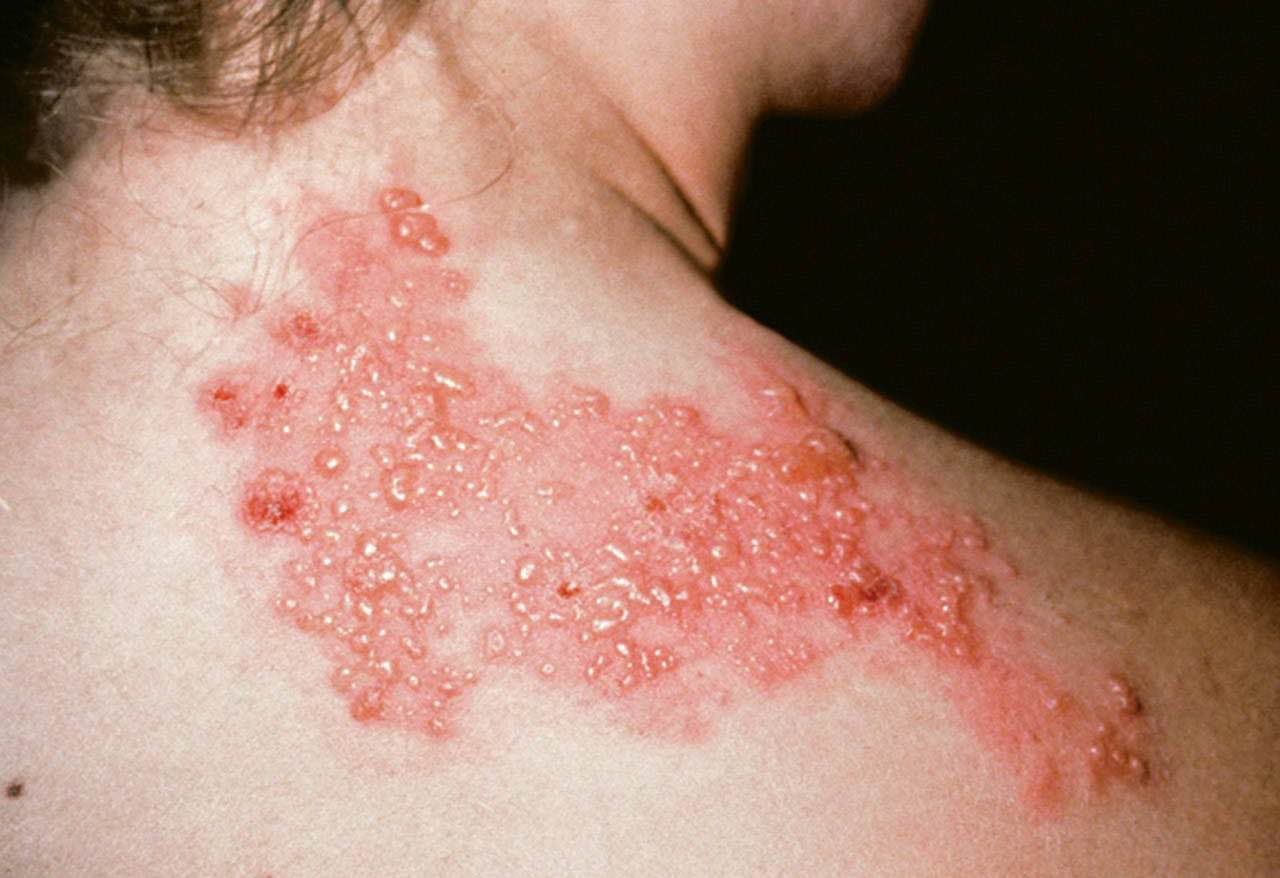
- Viral infection, such as Herpes simplex.
Symptoms
Inflammation is often characterized by the following symptoms:
- Painful cracks at the corners of the lips.
- Yellowish or bloody crust.
- Itching and redness.
- Symptoms may spread downward to the cheeks, causing discomfort when eating.
ARTICLE_GIF
When to See a Doctor?
If you notice that the inflammation does not improve within a few days or a superficial infection has developed, consult a doctor. Specialized medications or tests may be needed to determine the exact cause of the problem. A dermatologist consultation at the iDerma clinic can help establish an accurate diagnosis, assess the nature of the inflammation, and select the most appropriate treatment.
Diagnosis
The disease is identified based on the characteristic clinical picture and patient information about the onset and course of symptoms. Sometimes, to determine the exact cause, blood tests or swabs for microscopic examination are performed.
Treatment
Treatment depends on the cause of the inflammation. While waiting for a doctor's consultation, you can use petroleum jelly or lip balms, avoid direct sunlight, and use creams with zinc. After the consultation, our iDerma specialists may recommend a specific treatment plan, and consultations can be provided both in person and remotely.
Care and Prevention
- Use lip balms with SPF to protect against the sun.
- Avoid shaving or frequently licking your lips.
- Follow healthy eating recommendations to get the necessary amount of vitamins and micronutrients.
- Avoid overly hot and spicy foods to prevent damaging the protective barrier function of the lip skin.
Conclusions
Angular cheilitis can result from various causes and infections. By seeking timely medical attention and adhering to prevention principles, the risk of recurrence can be reduced, and the lips can quickly regain a healthy appearance. If you encounter this problem, it may be beneficial to visit the iDerma clinic, where our specialists can help select an individualized treatment method to improve your health.