Introduction
An epidermoid cyst is one of the most common benign skin lesions encountered by adults. Although the name may sound intimidating, in most cases it is a harmless, slow-growing nodule under the skin filled with keratin—a protein that makes up the outer layer of the skin and hair. These cysts most often appear where there are hair follicles, but they can be found almost anywhere on the body.
People are often concerned about a suddenly appearing "lump" or a change in skin appearance. In this article, we will clearly and practically explain what an epidermoid cyst is, why it occurs, what symptoms are typical, when it is worth consulting a dermatologist, and what treatment and care options are most effective.
What is it?
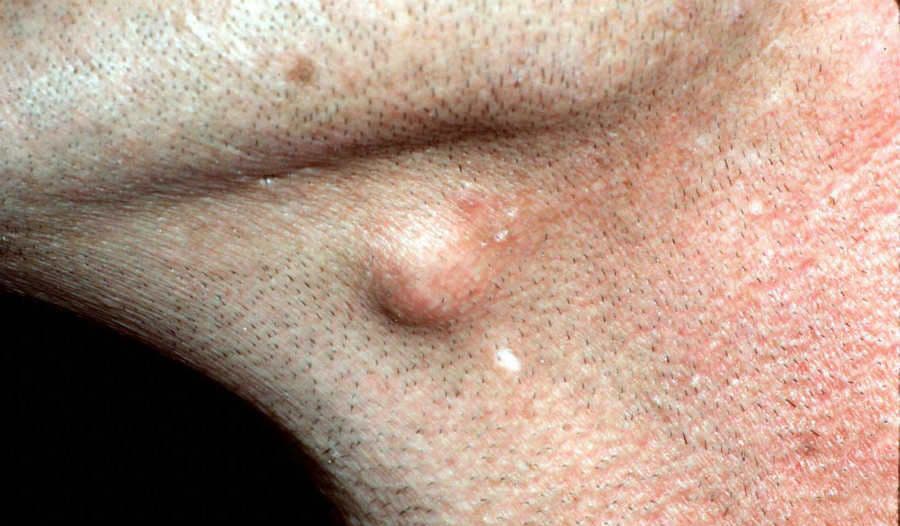
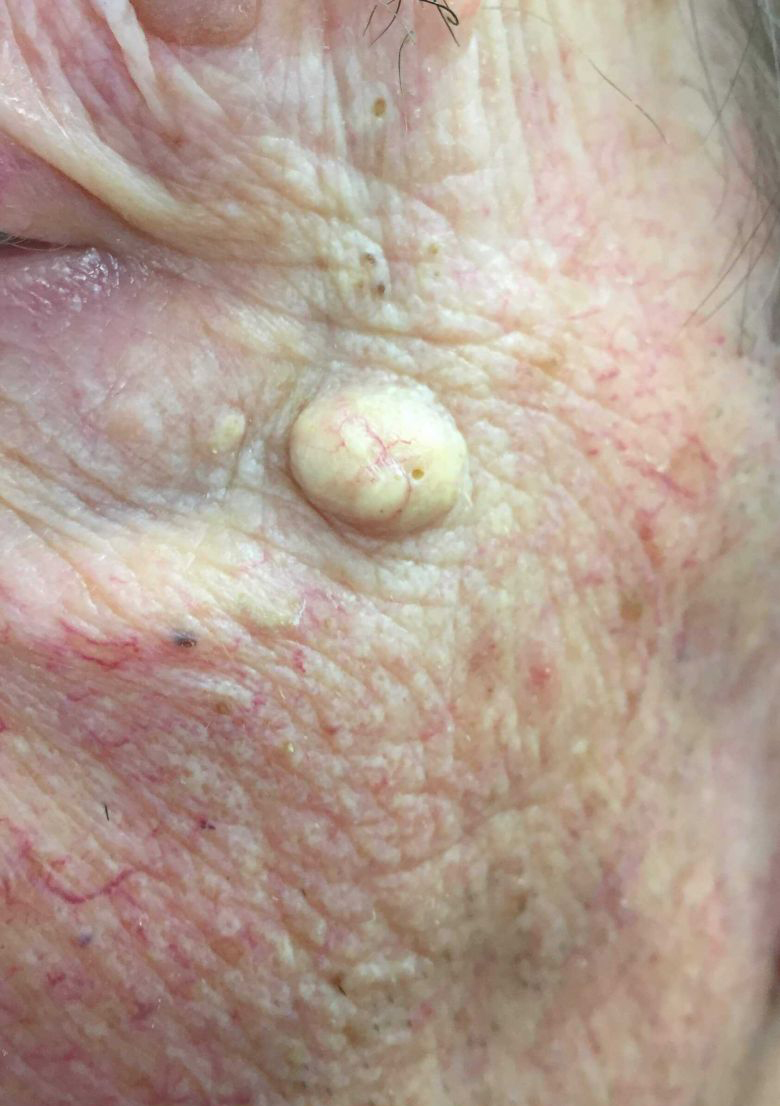
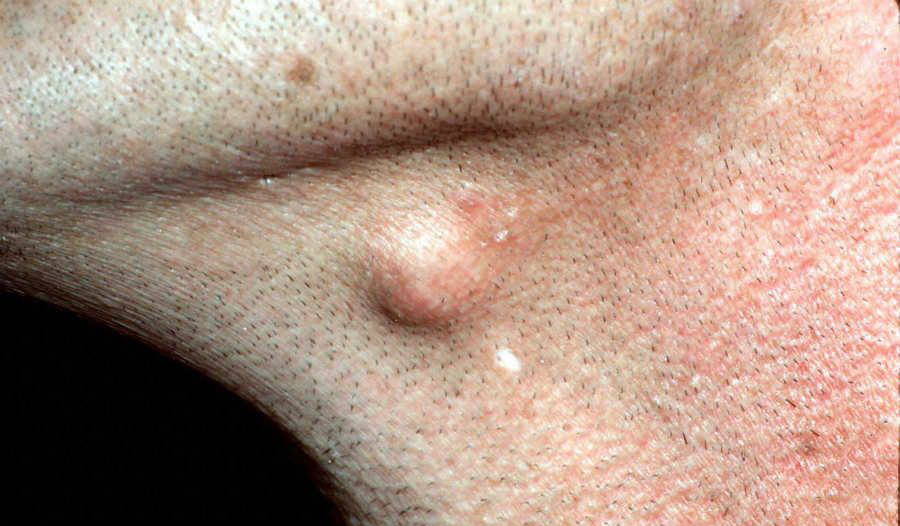
An epidermoid cyst (also known as an epidermal cyst, keratin cyst) is a capsule under the skin with a thin-walled sac filled with keratin. It most commonly forms in the area of a hair follicle when the natural migration of skin cells to the surface is disrupted or the follicle opening becomes blocked. Externally, it appears as a round, elastic, or firmer nodule, usually 0.5–3 cm in diameter, but sometimes it can be larger.
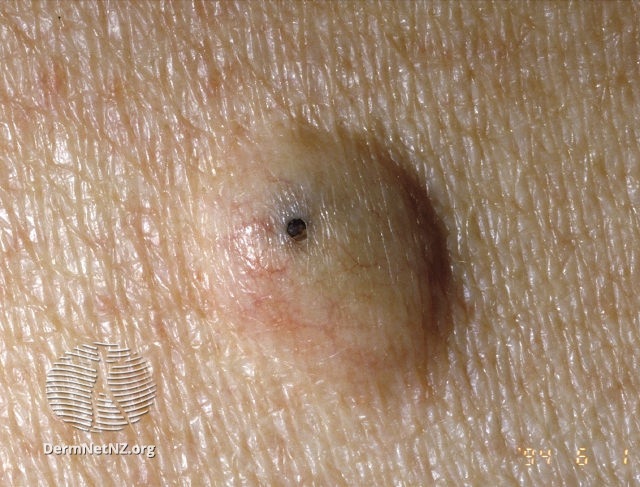
Typical locations include the face, neck, back, chest, and shoulders. Cysts can also occur in intimate areas, such as on the vulva or scrotum. A small darker spot is often seen in the center of the cyst (known as the "punctum")—this is like a clogged follicle opening. An epidermoid cyst is not contagious and is not related to poor hygiene.
It is important to distinguish epidermoid cysts from other lesions, such as subcutaneous fat deposits (lipomas), trichilemmal (hair sheath) cysts, or inflammatory nodules. Although cysts generally pose no threat, they are most accurately differentiated by a specialist who assesses clinical signs and, if necessary, conducts additional tests.
Causes and Risk Factors
It is not always possible to precisely determine why an individual develops an epidermoid cyst, but it is most often related to the blockage of a hair follicle or the outer skin layer. Potential factors include:
- Follicle blockage – accumulations of sebum, keratin, and skin cells block the lumen, creating conditions for a capsule with contents to form.
- Skin microtraumas – shaving, ingrown hairs, intense rubbing, pressure; scars after acne or other inflammations.
- Skin type and conditions – acne-prone, oilier skin, tendency to comedones. This does not imply poor hygiene; rather, it is an individual skin characteristic.
- Age and gender – more common in young and middle-aged adults, slightly more often in men.
- Genetic syndromes – in certain cases, multiple cysts may occur and appear at a young age, such as in hereditary syndromes (e.g., associated with a tendency for multiple skin lesions).
It should be emphasized that epidermoid cysts are not of infectious origin and are not transmitted from person to person. However, if a cyst becomes inflamed or ruptures, a bacterial infection may develop, altering the lesion's condition and treatment strategy.
Symptoms
Most epidermoid cysts are asymptomatic and are discovered incidentally. Typical signs include:
- Round, mobile nodule under the skin, usually with clear boundaries, elastic or firmer.
- Size – usually 1–3 cm, but can be smaller or larger.
- Color – skin-colored or slightly yellowish; sometimes a central darker spot (punctum) is visible.
- Contents – the capsule accumulates thick, whitish-yellow keratin with a specific, unpleasant odor, especially if the cyst ruptures.
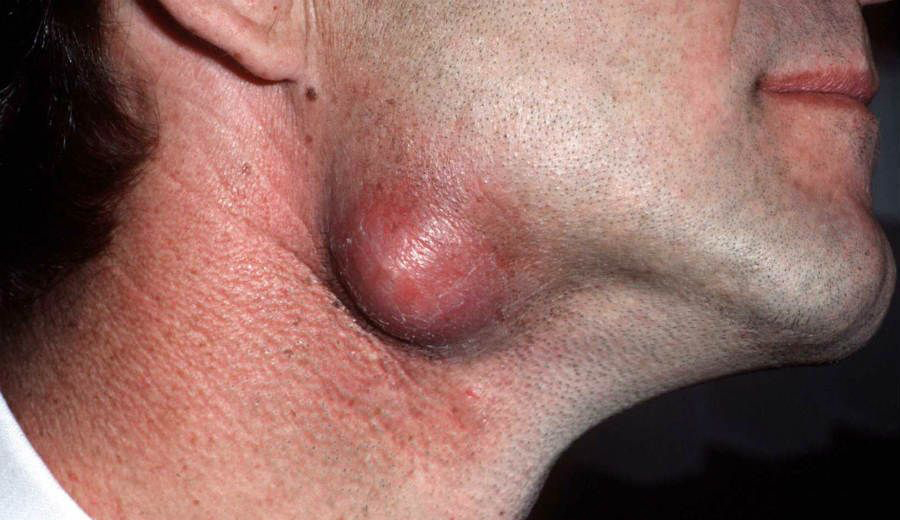
When a cyst is inflamed or ruptures, symptoms change: pain, redness, swelling, the skin may become warm, and purulent discharge may form. Sometimes such a condition is mistaken for an abscess. An inflamed cyst can enlarge over a few days and cause noticeable discomfort.
Complications are not common but possible: cyst recurrence, scarring, recurrent inflammation, and rarely, calcification. Malignant transformation is described very rarely.
When to See a Doctor?
In most cases, cysts are not dangerous and can be monitored. However, it is necessary to consult a dermatologist if:
- the cyst suddenly grows or changes rapidly;
- there is pain, redness, warmth, fever, or suspected infection;
- the cyst ruptures or recurs in the same location;
- the lesion is on the face, in intimate areas, or interferes with daily activities;
- you are unsure if it is indeed a cyst and not another type of nodule or lesion;
- the cyst is aesthetically bothersome and you wish to have it removed.
Without a precise diagnosis, it is not recommended to squeeze or attempt to remove the cyst yourself—this can cause inflammation, infection, and increase the risk of scarring.
Diagnosis
An epidermoid cyst is usually recognized during a clinical examination. The doctor assesses the size, consistency, mobility, central spot, and skin changes of the lesion. If the cyst appears typical, additional tests are not necessary.
In cases of atypical location, unusual appearance, or rapid growth, the following may be recommended:
- Ultrasound examination – helps assess the structure, depth, and relationship of the lesion with surrounding tissues.
- Dermatoscopy – optical analysis of the skin surface that can reveal characteristic features.
- Histological examination – microscopic examination of the lesion's wall and contents after removal or biopsy, especially when the diagnosis is unclear.
Our clinic's dermatologists help accurately diagnose, assess the nature of the lesion, and develop a safe, individualized treatment and care plan. Consultations at iDerma clinic can take place both in person and remotely—this helps make quick decisions and plan the most appropriate treatment.
ARTICLE_GIF
Treatment
The treatment strategy depends on the size, symptoms, location of the cyst, and patient preferences. Main principles include:
- Observation – if the cyst is small, painless, and not bothersome, it can simply be monitored. Some cysts decrease over time or remain unchanged.
- Managing symptoms during inflammation – if the cyst becomes inflamed or ruptures, the first goal is to suppress inflammatory manifestations and signs of infection (e.g., by prescribing local care products, performing doctor-recommended procedures). It is not recommended to squeeze or puncture it yourself.
- Content removal under significant pressure – in some cases, temporary content removal is performed to reduce pain and tension. However, merely removing the content does not mean the cyst will not return.
- Surgical removal – definitive treatment involves removing the entire cyst capsule to reduce the risk of recurrence. The procedure is performed under local anesthesia, often using a minimally invasive technique with a smaller incision. If the cyst is severely inflamed, it is often recommended to first calm the inflammation and then fully remove it later.
After removal, a small scar usually remains, the appearance of which is determined by the size, location of the lesion, and individual healing characteristics. Proper care helps the scar heal more aesthetically. The risk of recurrence is lowest when the entire cyst capsule is removed. If part of the capsule remains, the lesion may recur.
Care and Prevention
Responsible care is important both during active inflammation and after the procedure. Recommendations include:
- Do not squeeze or puncture the cyst – this increases the risk of infection, scarring, and recurrence.
- Local hygiene – gently wash the skin, avoid aggressive exfoliants or irritating products during inflammation.
- Wound care after removal – follow the doctor's instructions: protect the area from friction, stretching, excess moisture; change dressings if necessary. Avoid saunas, pools, and intense sports until tissues heal.
- Physical protection – in areas where the cyst is irritated by friction (e.g., on the back under a backpack, on the neck under a collar), try to reduce mechanical irritation.
- Daily skin care – choose non-comedogenic products, avoid "over-cleansing" the skin, maintain a balanced skin barrier; do not touch or squeeze comedones.
- Control if the cyst recurs – recurring or multiple cysts require dermatologist evaluation; sometimes a broader examination or individualized treatment plan is recommended.
It should be remembered that completely avoiding epidermoid cysts is not always possible. However, responsible skin care, management of inflammatory conditions (e.g., acne), and professional consultation help reduce the risk of recurrence and choose the most appropriate solution for a specific case.
Frequently Asked Questions
- Are epidermoid cysts dangerous? Most are not. They are benign lesions that often remain unchanged for years. The danger is usually associated with inflammation, infection, sudden growth, or atypical appearance—in such cases, it is essential to see a doctor.
- Can an epidermoid cyst disappear on its own? Sometimes small cysts decrease or temporarily subside, but they rarely disappear completely and permanently. The most reliable way to remove them is surgical excision of the capsule.
- Can I squeeze it myself? It is not recommended. Self-squeezing increases the risk of inflammation, infection, and scarring, and often leaves the capsule, causing the cyst to return.
- Are epidermoid cysts contagious? No, they are non-contagious lesions. However, in cases of inflammation and rupture, a bacterial infection may develop, requiring careful care and sometimes doctor-prescribed treatment.
- How does a cyst differ from a lipoma? A cyst has a capsule with keratin, often with a central spot, and it can become inflamed. A lipoma is a fatty tissue lesion, usually softer, without a punctum, and rarely inflamed. A dermatologist can accurately differentiate them.
- Can a cyst recur after removal? Yes, if part of the capsule remains. Thorough removal of the entire capsule reduces the likelihood of recurrence. Proper postoperative care is also important.
Conclusions
An epidermoid cyst is a common, usually harmless skin lesion that occurs due to blockage of a hair follicle or the outer skin layer. In most cases, it does not cause serious problems and can be monitored, but in situations of inflammation, rupture, rapid change, or aesthetic discomfort, it is important to consult a specialist. Accurate diagnosis, appropriately chosen treatment strategy, and responsible care help achieve the best result, reducing the risk of recurrence and scarring. If you have concerns about a skin lesion or want to evaluate removal options, consult a dermatologist—professional assistance will allow you to safely and confidently take care of your skin.