Heat Rash
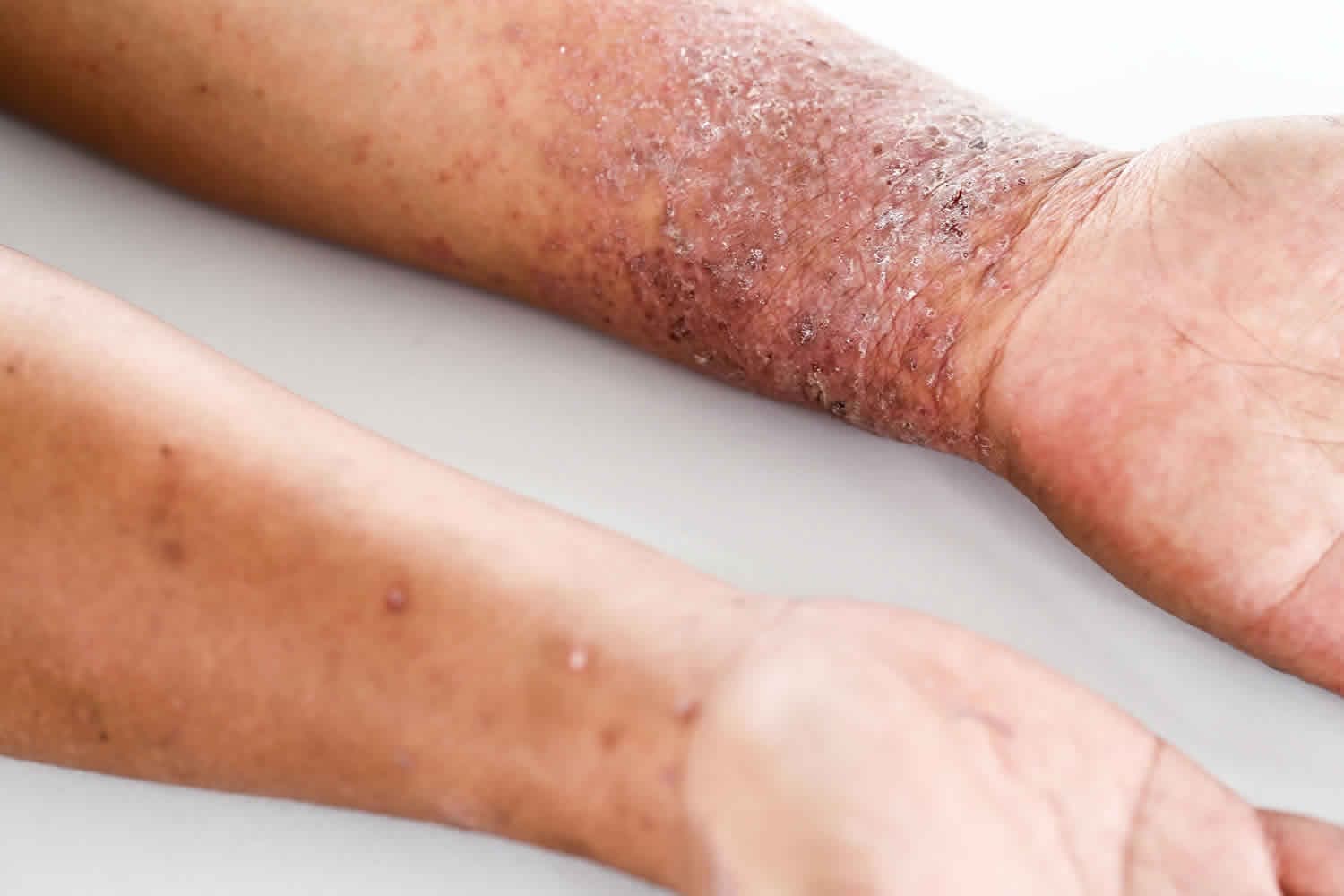
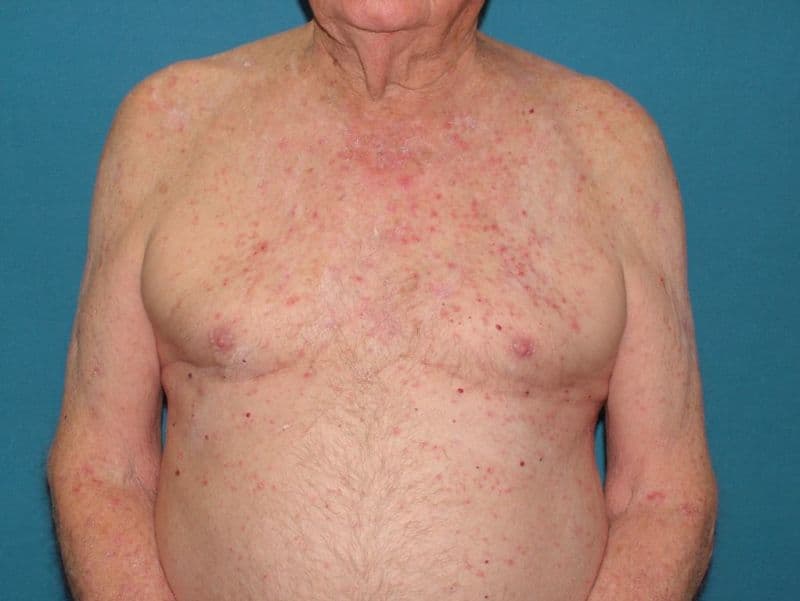
Heat rash (also known as prickly heat) is a common, usually temporary skin condition that develops when sweat gland ducts become blocked due to heat, humidity, or skin coverage, preventing sweat from freely reaching the skin surface. This causes sweat to accumulate in the skin, leading to irritation, small blisters or papules, and varying degrees of itching or tingling. Although this condition is generally not dangerous, significant discomfort, recurrences, or signs of infection may require medical evaluation.
Heat rash is categorized into several forms, differing in the depth at which the duct is blocked and the clinical presentation:
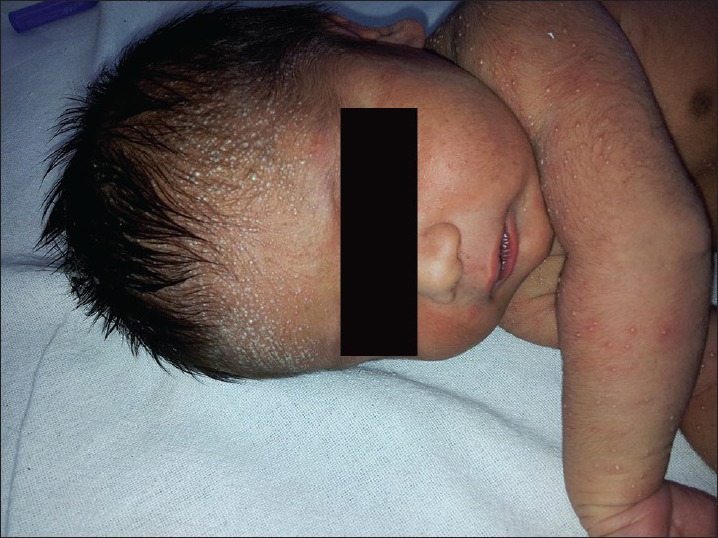
- Superficial (miliaria crystallina) – clear, easily ruptured blisters.
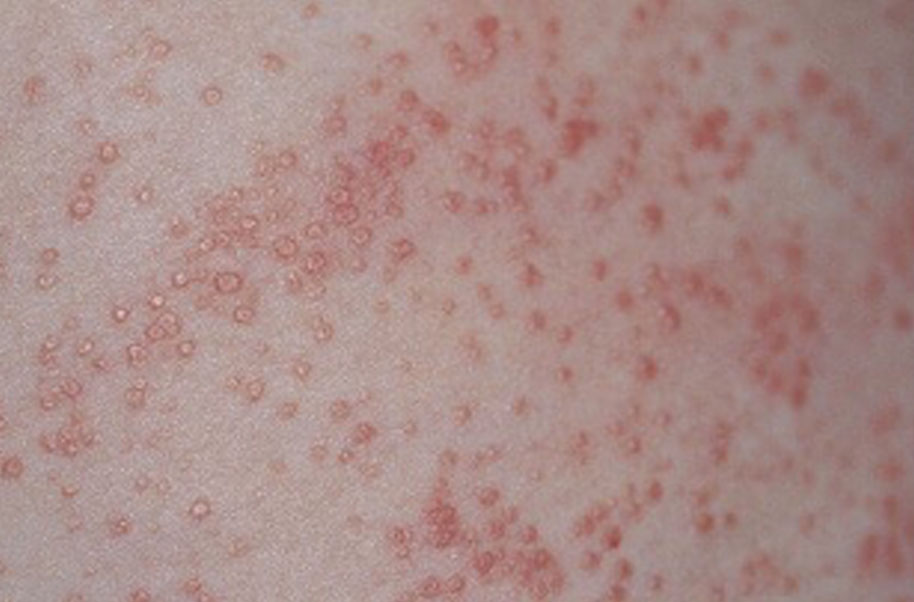
- Red (miliaria rubra) – red, small, itchy papules and blisters.
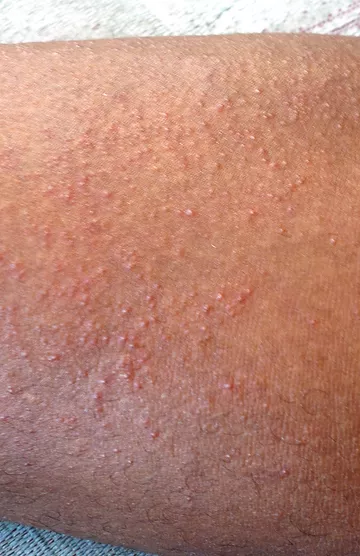
- Deep (miliaria profunda) – firmer, skin-colored nodules due to deeper duct blockage.
What is it?
Heat rash often appears on hot, humid days, in enclosed, poorly ventilated spaces, or during intense exercise. Humidity and heat promote excessive sweating, while mechanical friction, tight or synthetic clothing, occlusive (air-blocking) layers, and thick cosmetic products further hinder sweat evaporation. As a result, some sweat remains in the skin instead of reaching the surface, causing an inflammatory reaction.
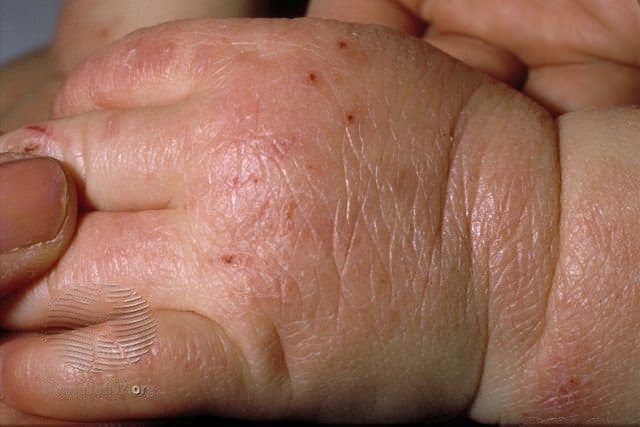
Adults often notice the rash on the neck, chest, back, under the breasts, in the armpits, groin, or areas where skin rubs. Infants frequently experience the rash due to immature sweat ducts and the tendency to overdress them. Typically, the rash resolves when the skin is cooled, sweating is reduced, and occlusive factors are removed.
Causes and Risk Factors
The primary mechanism is blockage of sweat ducts and retention of sweat in the skin. This can occur for several reasons:
- Heat and humidity: stifling environment, tropical climate, poorly ventilated spaces, heatwaves.
- Intense physical activity: sports, working in heat, prolonged use of protective gear (e.g., tight clothing, protective equipment).
- Skin occlusion: synthetic, tight, or multi-layered clothing, thick, greasy skincare products, covering bandages or dressings.
- Fever or bed rest: conditions that promote sweating, prolonged bed rest.
- Increased sweating: individual predisposition, obesity, certain occupational or environmental factors.
- Age: infants and young children – due to immature ducts; older individuals – due to thinner, more sensitive skin.
Symptoms
The appearance and sensations of heat rash depend on the form and depth at which the ducts are blocked:
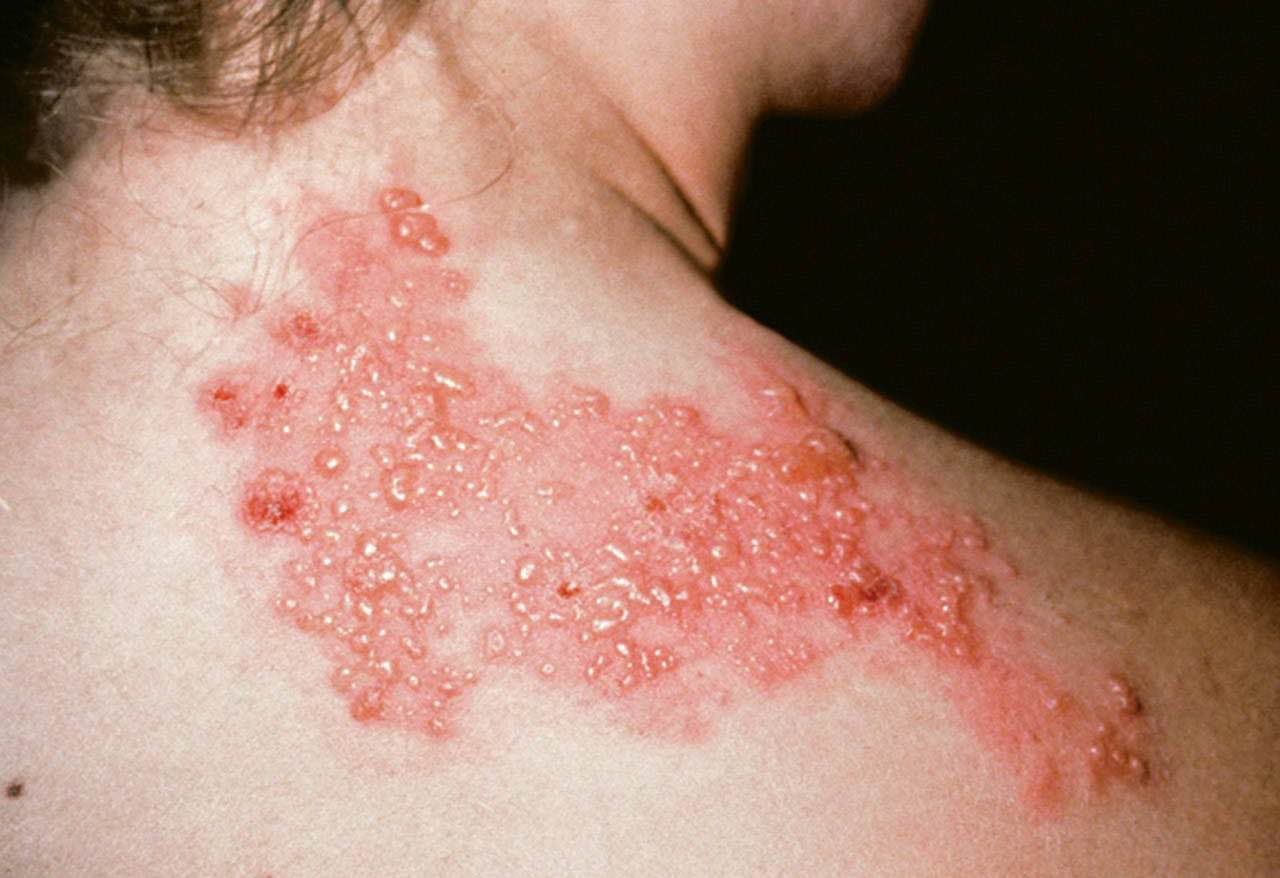
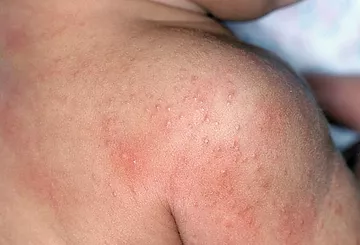
- Superficial form: small, shiny blisters with clear fluid, which may easily rupture; more common on the forehead, neck, upper torso. Often non-sensitive or cause minimal tingling.
- Red form: red, small papules or blisters, with noticeable itching, tingling, or stinging; often found in skin folds (armpits, groin, under breasts), on the back or abdomen.
- Deep form: firmer, skin-colored nodules, less sensitivity, but the rash tends to recur; more commonly observed in adults after prolonged exposure to heat.
There may be discomfort when wearing clothes, a sensation of "prickling" or burning, and sweat accumulation in folds can sometimes cause maceration (skin becomes moist, soft, more easily irritated). If infection occurs at the rash site, pain, redness, pustules, or yellowish crusts may develop.
When to See a Doctor?
Heat rash usually resolves on its own within a few days when temperature is normalized and sweating is reduced. However, it is advisable to see a doctor if:
- the rash does not resolve within 7–10 days or frequently recurs;
- there are signs of infection: increasing pain, spreading redness, pus, unpleasant odor, fever;
- the rash spreads, covers large areas, or causes severe itching;
- you are unsure of the diagnosis, the rash appears unusual, suspect an allergic reaction or another skin condition;
- the rash occurs in an infant and is pronounced or accompanied by fever.
Diagnosis
Diagnosis is usually based on the history (when and under what conditions the rash appeared) and clinical examination. The doctor assesses the location of the rash, the appearance of elements, duration, and triggering factors (heat, physical activity, clothing, skincare products). Additional tests are generally not required.
Sometimes differential diagnosis is needed: distinguishing from fungal skin infections, folliculitis, allergic or contact dermatitis, urticaria, scabies, or other rashes. If secondary infection is suspected, the doctor may evaluate whether additional tests and targeted treatment are necessary.
Our iDerma clinic dermatologists help accurately diagnose, assess the severity of the condition, and develop an individualized treatment and care plan. Consultations are available both in-person at the clinic and remotely, where the rash is evaluated through photos and conversation, and clear recommendations are provided.
Treatment
The main and most effective treatment is to eliminate or reduce factors that promote sweating and occlusion. This is usually sufficient for the rash to subside. Here are practical steps:
- Cool the skin: choose a cool, well-ventilated environment; use a fan or air conditioning if necessary; stay in the shade.
- Avoid overheating: take breaks during physical activity, plan exercise in the morning or evening, maintain adequate fluid balance.
- Cool compresses: applying a cool, damp compress for a few minutes can reduce itching and stinging. Gently dry the skin after the compress.
- Gentle washing: use mild, fragrance-free cleansers, thoroughly wash away sweat and dirt. Avoid harsh scrubbing.
- Light moisturizers: if the skin is dry or tingling, choose lightweight, non-occlusive products that do not form a thick, air-blocking film.
- Clothing: wear loose, breathable, natural or moisture-wicking fabrics. Do not wear damp clothes – change them as soon as they become wet.
- Protection from friction: try to reduce friction in skin folds (e.g., dry the skin, choose breathable underwear, avoid tight seams).
In cases of more pronounced inflammation or widespread rash, the doctor may recommend additional topical soothing, skin-restoring, or itch-relieving products, selected according to skin type and rash form. If a bacterial or fungal infection is present, targeted treatment is applied as directed by the doctor. It is important not to independently attempt aggressive, skin-irritating products – this can worsen the condition.
Do not scratch the rash elements – this increases the risk of skin damage and infection. If itching is bothersome, consult a specialist for safe products suitable for your skin.
ARTICLE_GIF
Care and Prevention
To reduce the likelihood and recurrence of heat rash, consistent, simple prevention is important:
- Temperature and humidity: maintain a comfortable indoor temperature, use ventilation or air conditioning; sleep with light bedding.
- Clothing: choose lightweight, breathable fabrics (e.g., cotton or moisture-wicking technical fabrics); avoid prolonged skin occlusion.
- Skin hygiene: regularly wash after sweating, but avoid hot water and intense scrubbing; gently dry the skin after washing.
- Skincare products: use lightweight, non-occlusive skincare products; if the skin is prone to clogging or frequent sweating, carefully choose "heavy" or greasy textures.
- Breaks during physical activity: take short breaks, dry off sweat, change soaked clothes.
- Infant and child care: do not overdress, regularly change diapers, maintain a cooler room temperature, choose soft, breathable fabrics. If the child has a fever, check the skin condition more frequently.
If heat rash tends to recur or is difficult to manage independently, it is worth consulting a dermatologist for individualized preventive measures and the most suitable skincare routine.
Frequently Asked Questions
- Is heat rash contagious? No. It is not an infectious disease – the rash is related to sweat duct blockage and skin irritation.
- How does heat rash differ from allergic rash? Allergic rashes often accompany contact with a specific substance and may have a clear, limited area or hives-like nature. Heat rash is more commonly associated with heat, humidity, occlusion, and appears where the skin sweats or rubs.
- Can I exercise if I have a rash? Yes, if symptoms are mild. However, choose cooler times, take breaks, wear breathable clothing, and shower and change after exercise.
- Is it safe to be in saunas or hot baths? Generally not recommended while the rash is active – heat and humidity can exacerbate it. It is better to allow the skin to cool and heal.
- Can blisters be pierced? No. Piercing blisters increases the risk of infection and can leave spots or scars. Allow the skin to heal naturally, avoid scratching.
- How long does recovery take? In most cases, from a few days to a week, if triggering factors are removed. Longer-lasting or recurrent cases should be evaluated by a doctor.
Conclusions
Heat rash is a common and usually benign skin condition caused by sweat duct blockage in heat and humidity. By promptly cooling the skin, reducing occlusion, selecting lightweight skincare products, and breathable clothing, symptoms typically subside quickly. If the rash does not resolve, recurs, or shows signs of infection, consult a dermatologist – early evaluation helps prevent complications and select the most appropriate care.