Insect bites and stings are a very common occurrence during the warm season, while travelling, or working outdoors. Although most cases are mild and resolve on their own, some people experience severe itching, significant swelling, sleep disturbances, or anxiety. In rare cases, dangerous allergic reactions occur.
What is it?
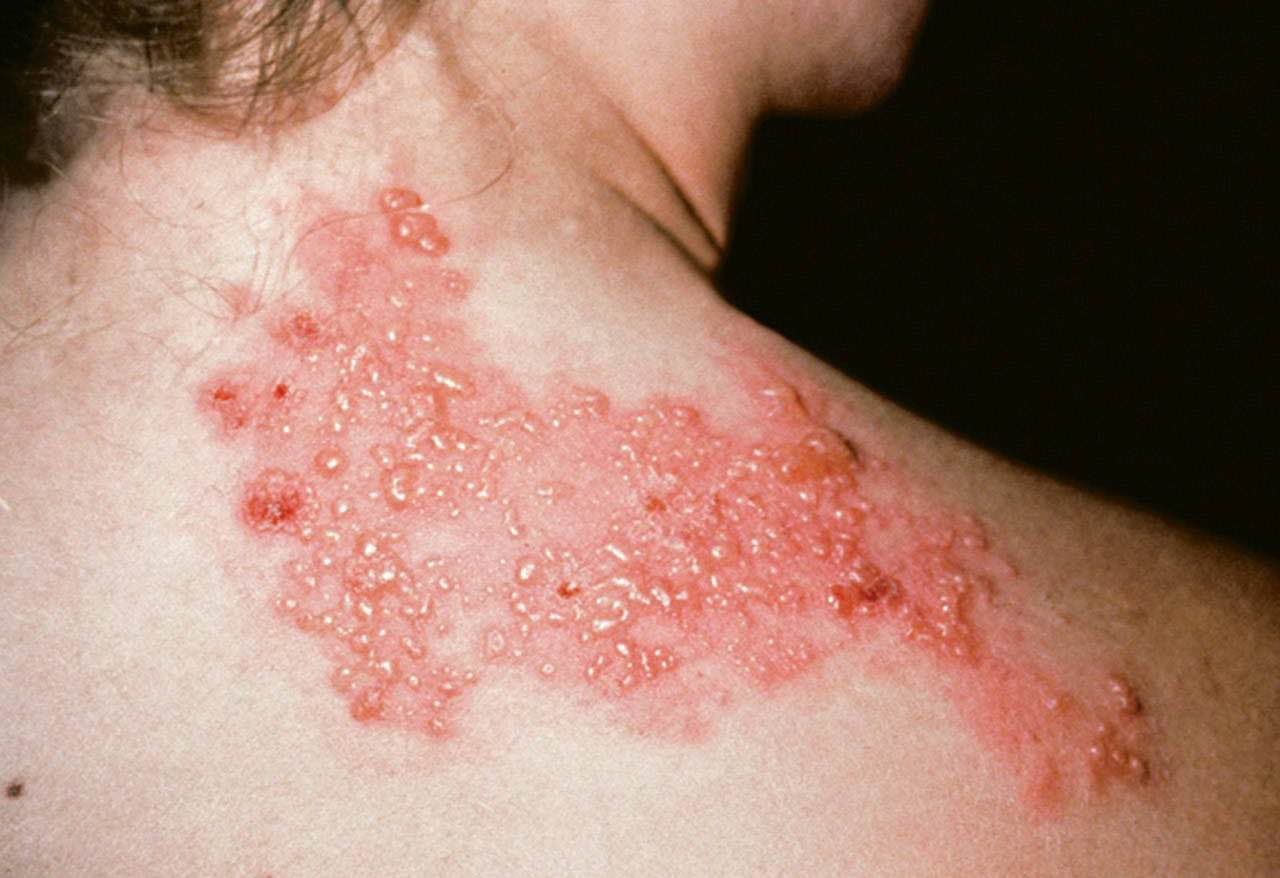
Insect bites are skin lesions that occur when an insect feeds on blood (e.g., mosquitoes, fleas, bedbugs) or defends itself (e.g., certain gnats). Stings are a defensive reaction when an insect (e.g., bee, wasp, hornet) injects venom. Both cases cause a localised inflammatory skin reaction, characterised by redness, itching, swelling, and sometimes pain.
The intensity of the reaction depends on many factors: the insect itself, the substances injected, individual sensitivity, previous contacts, and the location of the bite. Children with atopic dermatitis or sensitive skin are more likely to develop "papular urticaria" – recurring, itchy, hardened rashes after bites, lasting longer than a few days.
The most common insects in Ireland that cause skin reactions are mosquitoes, gnats, horseflies, fleas, bedbugs, as well as bees, wasps, and hornets (stings). Less commonly, ants, sandflies, or tropical insects encountered during travel cause problems.
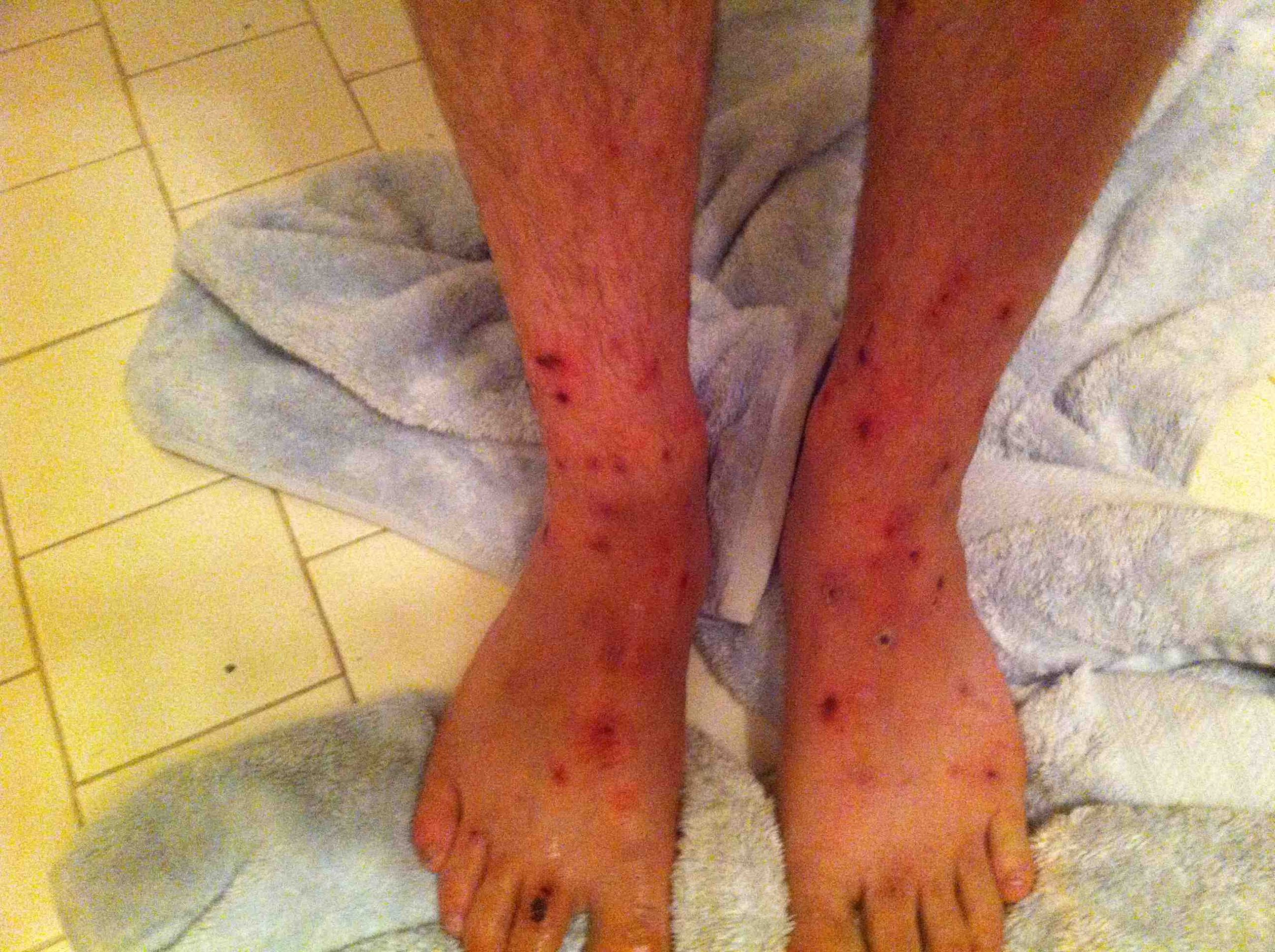
Causes and Risk Factors
The likelihood of insect bites increases with:
- Being outdoors, especially near bodies of water, damp areas, or forest edges.
- Activity at dawn and dusk when mosquitoes are most active.
- Heat, sweating, and heavier breathing (more carbon dioxide, lactic acid released) – these attract insects.
- Dark, tight clothing, exposed body parts, strong scents (perfumes, fragrant cosmetics).
- Pet fur, if it contains fleas or other parasites.
- Closed, poorly ventilated, non-disinfected bedrooms – favourable conditions for bedbugs.
- Individual sensitivity – a tendency to allergic reactions, previous strong reactions.
- Children's age, thinner skin, as well as pregnancy and weakened immune system.
Although it is sometimes said that insects are "attracted" to blood type, scientific evidence on this is not unequivocal. More often, the significance lies in emitted odours, body temperature, and environmental conditions.
Symptoms
Different insects can cause different-looking skin changes:
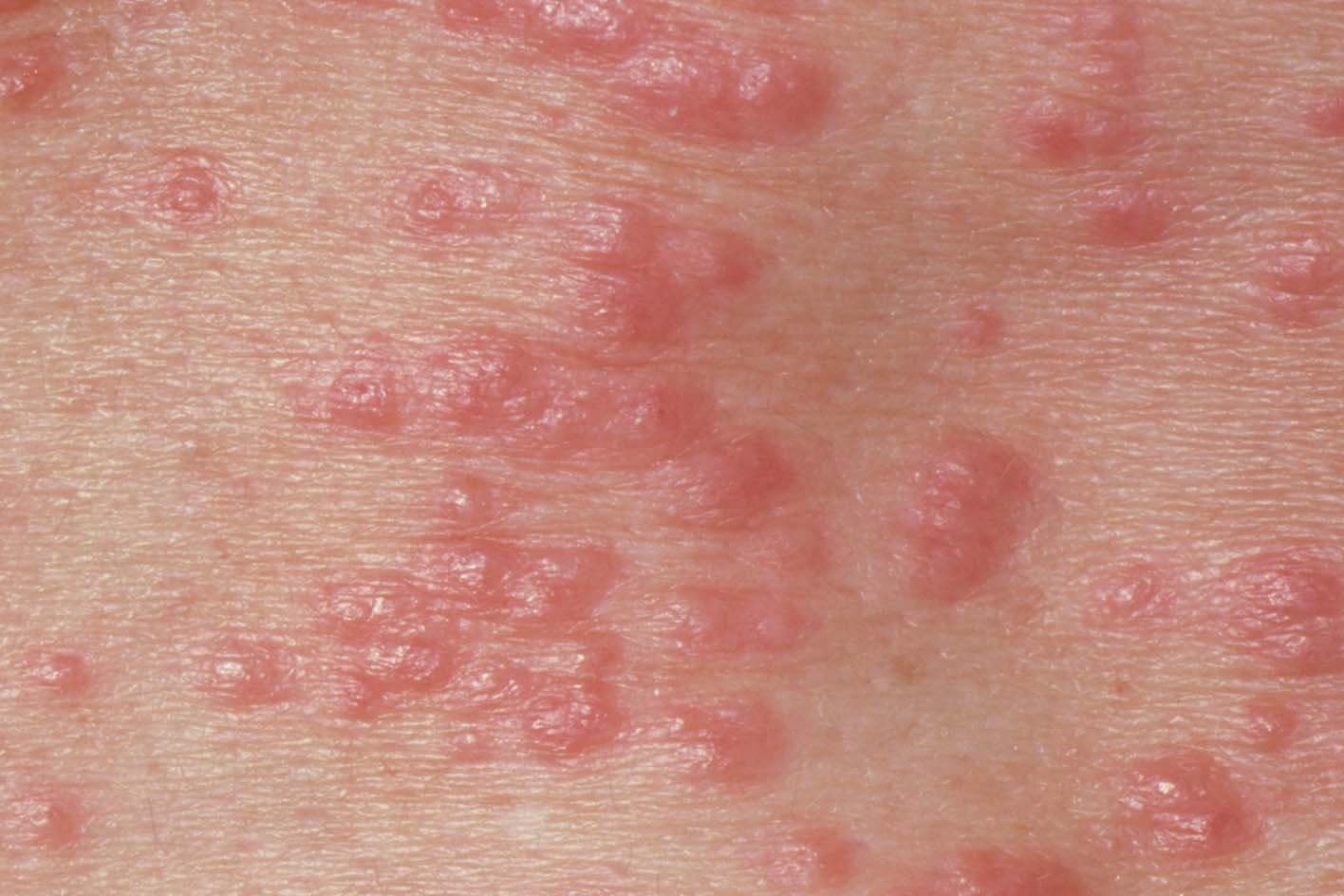
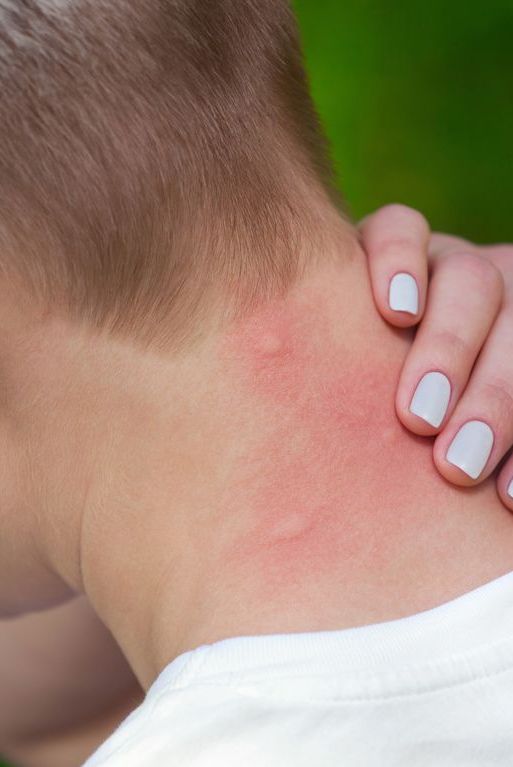
- Mosquito bites: Quickly appearing, round, itchy red bumps on exposed body parts (arms, legs). Some people have larger swollen plaques.
- Gnat bites: Severe itching, pronounced redness, sometimes hard swelling. Itching can last several days.
- Horseflies: Larger, painful bites with extensive swelling, often sensitive to touch.
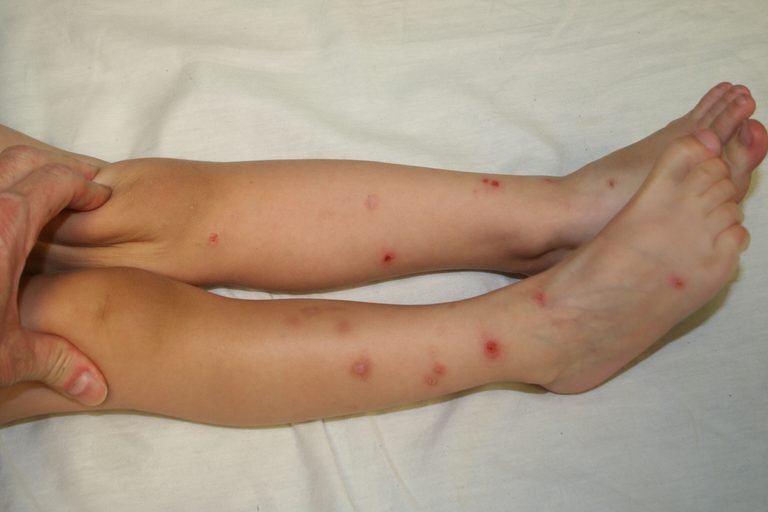
- Fleas: Small red papules, often in clusters or lines, usually around the ankles, shins, or waist. Very itchy.
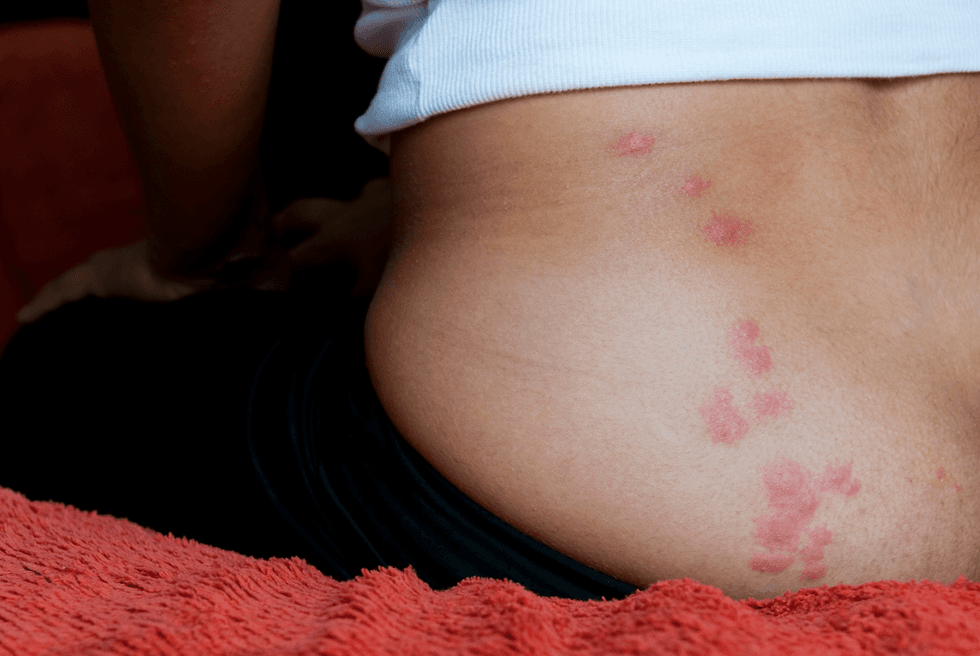
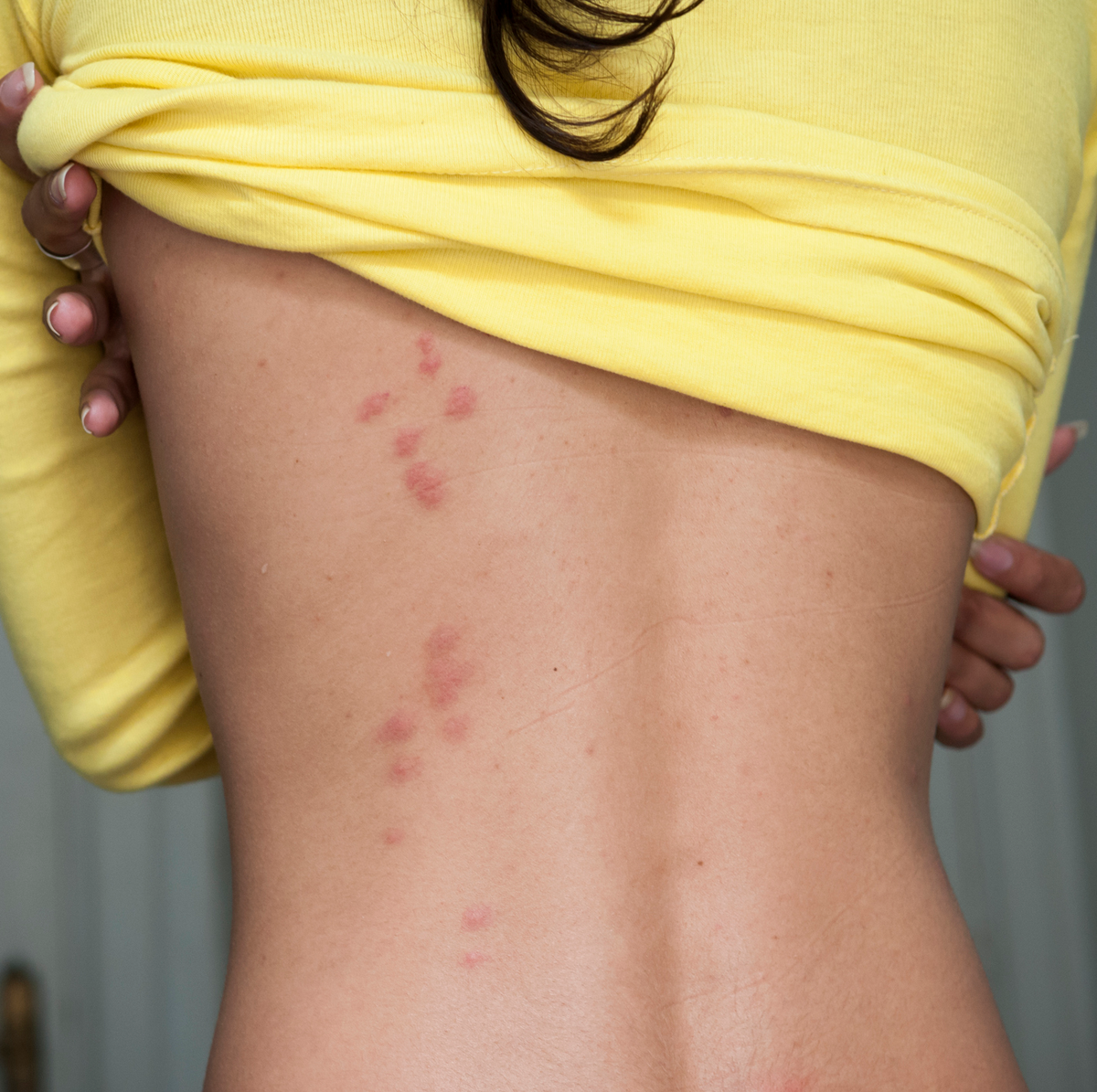
- Bedbugs: Bites arranged in lines or "breakfast-lunch-dinner" pattern – several close together, common on arms, back, neck. Itching is pronounced, more noticeable in the morning.
- Bees, wasps, hornets (stings): Sudden pain, redness, hardening, and swelling around the sting site. A white spot may form in the center.
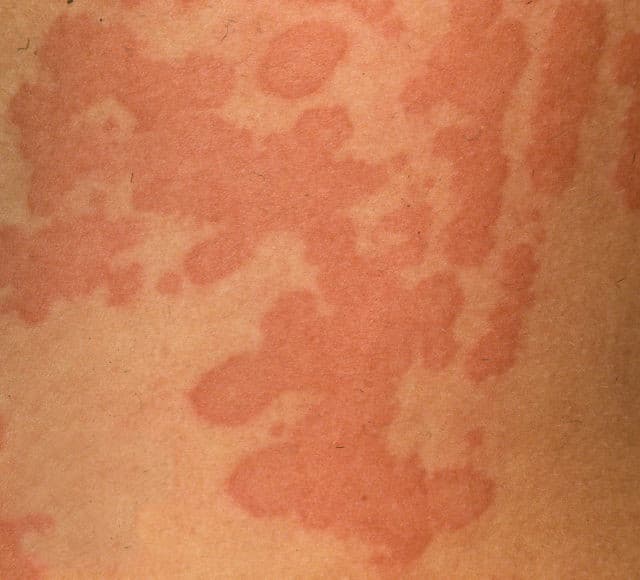
In addition to local symptoms, more general signs sometimes occur: fatigue from poor sleep, anxiety, less commonly – generalized urticaria, facial or lip swelling, shortness of breath. Such symptoms may indicate a systemic allergic reaction.
When to See a Doctor?
Most bites resolve within 1–2 weeks with simple home care. It is necessary to see a doctor if:
- Sudden difficulty breathing, wheezing, swelling of the face, lips, tongue, or throat, dizziness – this may be a severe allergic reaction.
- Very large, progressive swelling (especially around the eyes), severe pain, or heat at the bite site.
- Signs of infection: throbbing pain, spreading redness, pus, fever, enlarging lymph nodes.
- There are many stings or bites (e.g., bee swarm) or they are in the mouth, throat, eye.
- Symptoms do not improve within a few days or recur constantly, suspect a bedbug or flea infestation at home.
- You are pregnant, have a baby, or have chronic diseases, a weakened immune system, and the reactions are pronounced.
Diagnosis
The diagnosis is usually made clinically – based on the appearance, location, and distribution of the rash, the onset of symptoms, and possible contact with insects. The doctor may ask where you spent your time (natural conditions, travel, new accommodation), if there are pets, if symptoms worsen in the morning or evening, or if there are spots on the bedding (signs of bedbugs).
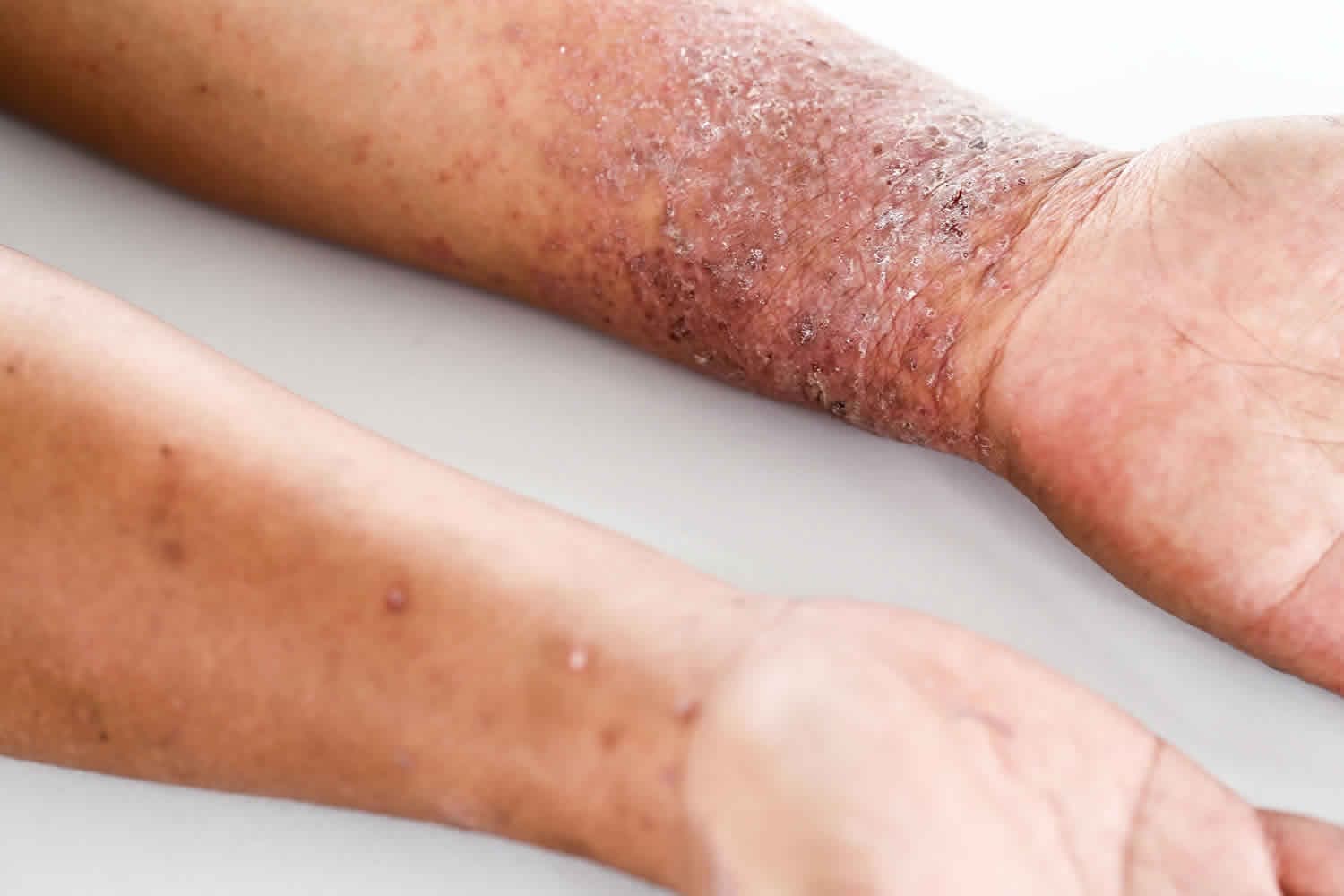
Differentiation is made with other skin conditions: scabies, contact dermatitis, folliculitis, urticaria, viral exanthems. If reactions are severe or prolonged, additional tests may be performed (e.g., skin examination with a dermatoscope, allergy assessments, rarely – blood tests) to rule out allergy or infection complications.
Our iDerma clinic dermatologists help accurately identify what type of bites are bothering you, assess the severity of the reaction, and develop an individual treatment and care plan. Consultations are available both in person at the clinic and remotely, so you can receive help quickly and conveniently.
Treatment
The goal of treatment is to relieve itching and pain, reduce swelling, protect the skin from infection, and ensure faster healing.
- First aid steps:
- If it is a sting, safely leave the dangerous area. If a bee stinger is visible, gently remove it by scraping with a blunt edge (do not squeeze).
- Wash the bite site with cool water and a mild cleanser, gently pat dry.
- Apply a cold compress for 10–15 minutes several times a day, especially on the first day.
- Elevating the injured limb above heart level helps reduce swelling.
- Itch and pain control:
- Avoid scratching – this reduces the risk of infection and scarring. Keep nails short, for children, if needed, put on thin cotton gloves at night.
- Cooling compresses, soothing, skin-restoring products without fragrances may help. If necessary, a doctor may prescribe stronger topical anti-inflammatory and anti-itch treatments.
- Skin barrier protection:
- Apply gentle moisturisers daily, especially if the skin tends to dry out or you have atopic dermatitis.
- Cover the lesion with a clean bandage if prone to scratching or if clothing rubs the area.
- Signs of infection:
- If there is pus, spreading redness, fever, or increasing pain, medical examination is necessary. The doctor will assess whether additional treatment and site care are needed.
- Recurrent or prolonged reactions:
- In cases of recurrent, large local reactions, or significant sensitivity, a dermatologist will develop an individual plan tailored to your skin type and lifestyle.
Care and Prevention
Good prevention habits can significantly reduce the number of bites and the discomfort they cause:
- Clothing and behavior: Outdoors, choose long-sleeved, lighter-colored, looser clothing, closed footwear. Replace strongly scented products with unscented ones. Avoid being near water bodies at dawn and dusk when mosquitoes are most active.
- Repellents: Use insect-repelling products before going outdoors, following the manufacturer's recommendations (especially important for children and pregnant women – choose suitable products and apply only to exposed skin areas).
- Physical barriers: Mosquito nets, window and door screens, fans in the bedroom, mosquito nets over the crib during travel.
- Environment: Remove standing water (watering cans, buckets, trays under plants), tidy up yard greenery. Use lighting in the evening that attracts fewer insects indoors.
- Homes without parasites: Regularly vacuum carpets, especially baseboard and furniture seam areas, wash bedding and clothes at higher temperatures. Check mattress seams, bed frames for signs of bedbugs. In case of infestation, contact pest control specialists.
- Pets: Regularly check pet fur, follow veterinarian advice on parasite protection and sleeping area hygiene.
- Travel: Choose accommodations with nets, check the bed and mattress, sleep in mosquito-protected beds, especially in the tropics.