Introduction
Juvenile plantar dermatosis (also known as dermatitis plantaris sicca) is a common foot skin condition in children, particularly those aged 3 to 14 years. It is often associated with atopy or atopic dermatitis and frequently worsens during warm weather or when wearing closed, non-breathable footwear. The condition is sometimes described as "sweaty sock syndrome," as increased sweating and friction play a significant role in its progression.
This condition is not contagious and is not linked to poor hygiene. However, it can be very uncomfortable: children complain of itching, painful cracks, and sometimes even refuse to wear shoes due to discomfort. It is important for parents to know that although the dermatosis can persist, it usually resolves as the child grows and the function of the skin and sweat glands changes. Proper care and a few simple daily habits can significantly alleviate symptoms.
What is it?
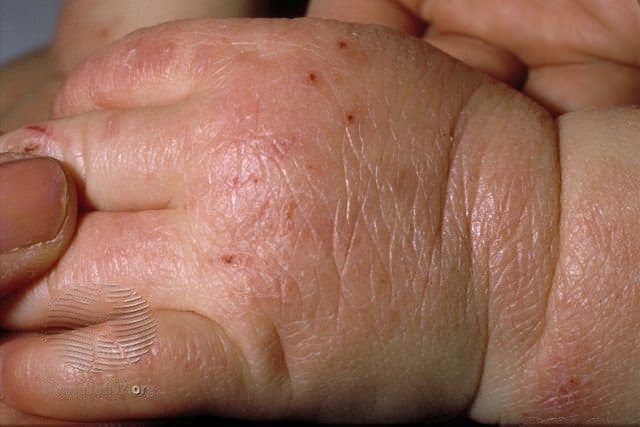
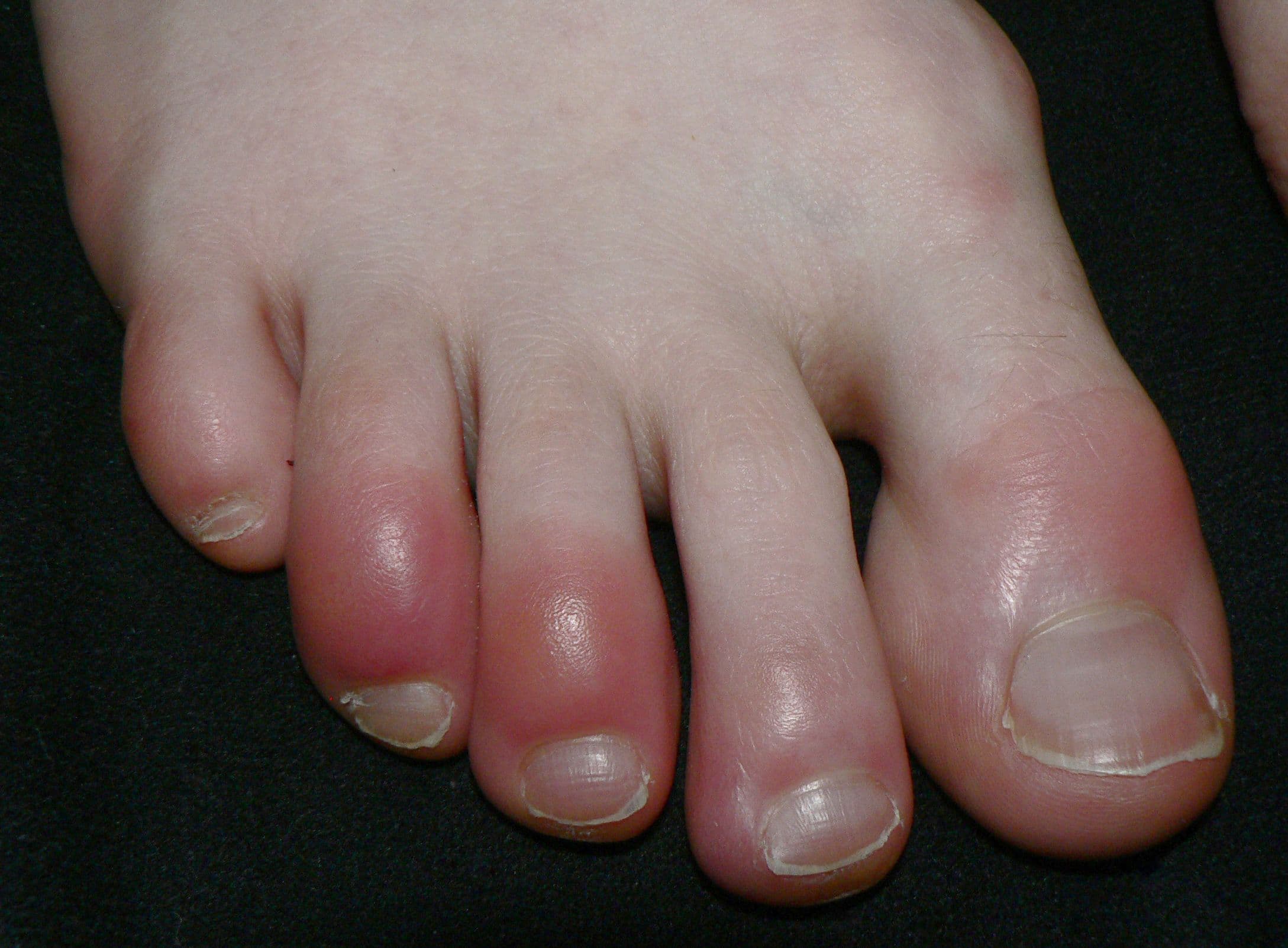
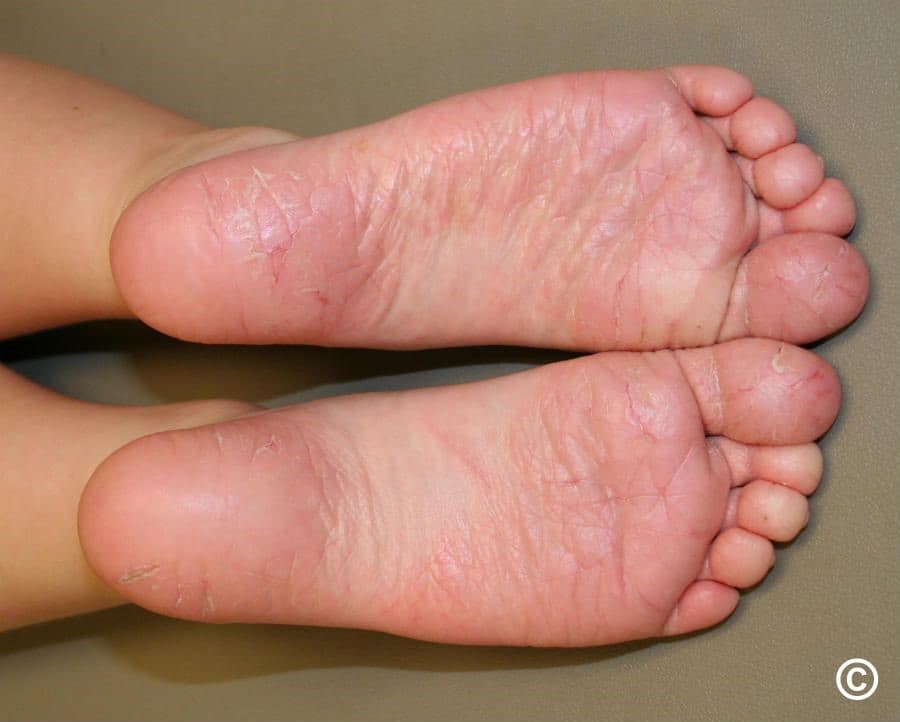
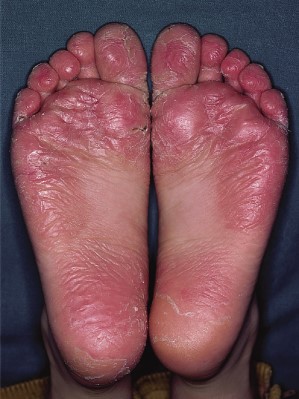
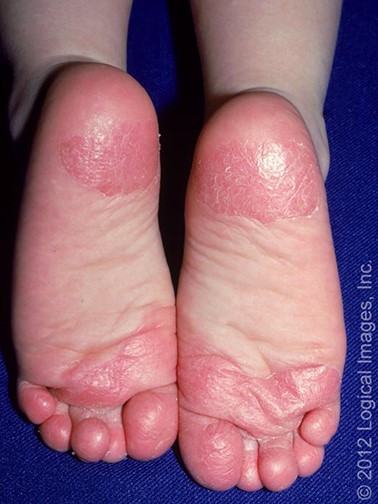
Juvenile plantar dermatosis involves skin lesions on the weight-bearing areas of the feet (the forefoot, big toe area, toe pads, and heels). Typically, the lesions are symmetrical, shiny, red, and the skin may peel and crack. The spaces between the toes and the arch of the foot usually remain unaffected – this is one of the diagnostic features that help differentiate this condition from other foot diseases.
It is believed that the dermatosis develops due to repeated "wet-dry" cycles of the skin: the child sweats, the skin softens, then quickly dries, and the surface cracks. Adding friction (active movement, shoe pressure) and sometimes sensitive, atopic skin weakens the skin barrier – leading to typical symptoms.
Causes and Risk Factors
There is no single clear cause, but it is usually due to a combination of factors:
- Sweat and friction. Heat, active movement, and sports cause more intense sweating. The skin then dries quickly and begins to crack.
- Closed, non-breathable footwear and synthetic socks. Footwear that retains heat and moisture increases maceration, and synthetic fabrics are less effective at evaporating sweat.
- Atopy. Children with atopic dermatitis or an atopic constitution are more prone to skin barrier disruptions and sensitivity to irritants.
- Climate and season. Flare-ups are common in summer due to heat and humidity, but can also recur in winter due to prolonged wearing of closed shoes and dry indoor air.
- Contact irritants. Some children are sensitive to shoe materials, adhesives, dyes, sock fabrics, or harsh detergents.
- Mechanical stress. Running, jumping, football, and other sports increase friction on the weight-bearing areas of the foot.
Symptoms
Juvenile plantar dermatosis is characterized by:
- Redness and shine in the weight-bearing areas of the feet (primarily the big toe area, toe pads, heels).
- Peeling and flaking, the skin appears "stretched" and dry.
- Painful cracks (fissures) that may bleed, especially when moving or wearing hard shoes.
- Itching or burning sensation, intensifying after physical activity.
- Symmetrical lesions on both feet, usually sparing the spaces between the toes.
Symptoms can fluctuate – improving with changes in footwear, worsening upon returning to regular daily routines or sports. For some children, this lasts a few months, for others, several years, but it usually resolves on its own over time.
When to See a Doctor?
Consult a dermatologist if:
- Symptoms do not improve within a few weeks despite changing footwear, moisturizing the skin, and reducing friction.
- Cracks are very painful, bleed, or interfere with walking or sports.
- Signs of a possible infection appear (severe redness, heat, pus, foul odor, increasing pain, fever).
- You cannot distinguish dermatosis from other conditions (e.g., athlete's foot, contact allergy, psoriasis).
- Lesions recur frequently or worsen despite care.
Our "iDerma" clinic dermatologists can accurately diagnose, assess severity, and create an individualized treatment and care plan. We offer consultations both in-person and remotely – allowing for quicker initiation of appropriate care and reducing discomfort.
Diagnosis
The diagnosis is usually based on clinical signs and the child's history (age, type of footwear, sweating, atopy). Typical symmetrical lesions on the weight-bearing areas of the foot, shiny, tight skin, and cracks help differentiate this condition from others.
To rule out other diseases, the doctor may perform additional tests if necessary:
- Laboratory or mycological tests – if a fungal infection of the feet is suspected (especially if the spaces between the toes or nails are affected).
- Patch tests – if allergic contact dermatitis is suspected (e.g., sensitivity to shoe materials, rubber, adhesives, or dyes).
- Differential diagnosis – distinguishing from keratolysis exfoliativa, psoriasis, foot eczema, hyperkeratosis, or genetic foot skin conditions.
ARTICLE_GIF
It is important to remember that juvenile plantar dermatosis is not contagious, so it does not require isolation or special measures at home or school. However, if there are doubts about the diagnosis, it is worth consulting a specialist – this helps avoid unnecessary or ineffective measures.
"iDerma" dermatologist consultation (in-person or online) will help quickly refine the diagnosis, assess the skin barrier condition, and create a consistent, child-friendly treatment and care plan.
Treatment
Good news for parents – this condition usually tends to resolve on its own as the child grows. However, active care helps manage symptoms more quickly, reduce pain, and prevent deepening of cracks or infection.
The treatment strategy generally includes:
- Controlling provoking factors: choose breathable, comfortable footwear; change socks 1–2 times a day; avoid prolonged foot moisture; reduce friction and overheating.
- Daily skin care: gently wash feet with lukewarm water, avoid harsh cleansers; gently dry after washing (especially between the toes); immediately apply moisturizing and barrier-restoring products.
- Caring for skin cracks: cover deeper fissures with protective bandages or barrier products to reduce pain when walking and speed up healing; if necessary, combine with more intensive nighttime skin care.
- Topical treatments during flare-ups – anti-inflammatory, soothing, and barrier-restoring products designed for sensitive children's skin. The choice and duration of use are specified by the doctor.
- Sweating management: in case of excessive sweating, adopt daily habits – change socks more often, use moisture-absorbing fabrics, allow shoes to dry completely; if necessary, consult about sweat-regulating products.
- Treatment of secondary infections – if signs of infection appear, the doctor may prescribe appropriate local treatment and advise on how to safely care for affected areas.
It is very important to avoid overly aggressive scrubbing or skin scraping. Although it may seem beneficial in the short term, it often only further damages the skin barrier and increases pain. It is better to care for the feet gently but consistently.
All treatment methods should be tailored individually, according to the child's age, skin sensitivity, and symptom intensity. If in doubt, consult our "iDerma" dermatologists – we will select a safe and effective plan that is convenient to apply in daily life at home. Consultations are available both in-person and remotely.
Care and Prevention
- Footwear: choose lightweight, breathable, properly sized shoes with a soft insole; avoid hard, tight models; if possible, have 2 pairs of shoes and wear them alternately to allow them to dry completely.
- Socks: prioritize socks made of natural or moisture-wicking fabrics; change them at least once a day, and more often when actively exercising.
- Moisture control: after activities or in summer, remove shoes as soon as possible; if feet are wet, dry them; do not allow the skin to remain wet for long.
- Gentle hygiene: avoid harsh scrubs and very hot water; use gentle cleansing products; apply moisturizers immediately after washing.
- Maintaining the skin barrier: use richer emollients and barrier-restoring creams daily; protect cracks with bandages or special protective products.
- Reducing friction: pay attention to pressure points (big toe area, toe pads, heel); if necessary, adjust shoe backs, laces, use soft inserts.
- Sports and activity: sports are allowed, but ensure proper footwear, change socks more often, wash and dry feet after training, restore the skin barrier.
Frequently Asked Questions
- Is juvenile plantar dermatosis contagious?
No, it is a non-contagious skin condition. It is not contracted from others and does not spread through pools or gyms. - How to differentiate it from athlete's foot?
Athlete's foot more often affects the spaces between the toes, may have an unpleasant odor, flaking between the toes, sometimes nail changes. Juvenile dermatosis usually affects the weight-bearing areas of the foot, is symmetrical, and has shiny, tight skin with cracks. If in doubt, a doctor can perform tests. - Does this condition resolve on its own?
Usually – yes. As the child grows, the balance of sweating and the skin barrier stabilizes, and flare-ups become less frequent and eventually disappear. Proper care helps improve comfort more quickly. - Can sports be continued?
Yes, if the pain is manageable and the skin is protected. Choose appropriate footwear, change socks, wash feet after training, and immediately restore moisture and the skin barrier. - How long does treatment last?
Symptoms can improve within a few weeks of consistent care. However, for some children, flare-ups recur seasonally, so long-term prevention is important. - Are tests always necessary?
No. Clinical examination is usually sufficient. Tests are performed when it is necessary to rule out fungal infection or contact allergy.
Conclusions
Juvenile plantar dermatosis is a common and uncomfortable, but generally benign, foot skin condition in children. Its essence is the disruption of the skin barrier due to cycles of sweating, drying, and friction, so successful management is based on moisture control, reducing friction, and consistent skin care. In most cases, following simple daily measures, symptoms noticeably diminish, and as the child grows, they gradually disappear completely.
If you are unsure about the diagnosis or cannot manage symptoms at home, consult a dermatologist. An individually tailored plan helps avoid prolonged discomfort, painful cracks, and secondary infections, restoring the child's usual activity and comfort.