Perioral Dermatitis
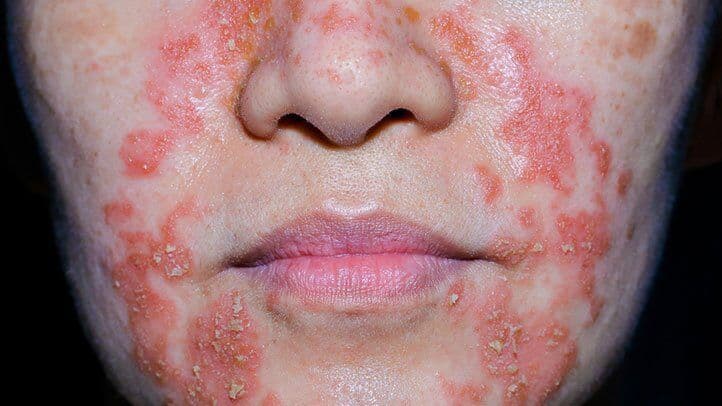
Perioral dermatitis (POD), also known as periorificial dermatitis, is a chronic, relapsing inflammatory facial skin condition characterized by small eruptions around the mouth, often also involving areas around the nose and eyes. Although not life-threatening, it can significantly affect well-being, self-confidence, and daily comfort. The key is to understand what triggers it, how to recognize it, and how to manage it safely so the skin becomes calmer and more predictable again.
Perioral dermatitis most commonly occurs in young and middle-aged adults but can also affect children. The inflammation often flares in waves, so managing the condition requires patience, consistency, and well-chosen care and treatment measures.
What is it?
Perioral dermatitis is a condition characterized by small (1–3 mm) pink or pinkish-yellow papules and pustules clustered around the mouth. A typical sign is a narrow band of unaffected skin immediately adjacent to the vermilion border. The eruption may extend to the nasolabial folds, the areas around the nostrils, and less commonly to the skin around the eyes (periocular dermatitis). The skin may be sensitive, scaly, and feel tight, burning, or tingling.
POD differs from acne in that comedones (blackheads) are usually absent, and from rosacea in that the outbreaks are more concentrated around the mouth and nose, with diffuse flushing episodes being less common. Perioral dermatitis is often associated with an impaired skin barrier and overly aggressive or inappropriate facial care.
Causes and risk factors
The exact origin of perioral dermatitis is not singular; it results from the interplay of several factors. The most common contributors include:
- Topical and inhaled steroids – the most frequent trigger of flares. Applying potent creams, spraying steroids into the nose, or using inhalers can allow the substance to come into contact with facial skin and provoke inflammation. Abrupt discontinuation may sometimes cause a “rebound” – a temporary worsening.
- Weakening of the skin barrier – harsh cleansers, acids, frequent exfoliation, strong fragrances, essential oils, and excessive product layering can irritate the skin and pave the way for inflammation.
- Cosmetic and hygiene products – heavy, occlusive creams, thick makeup, and strongly foaming toothpastes (especially those with SLS, intense fragrances, or cinnamon) can worsen the condition. Some people are more reactive to irritants even without obvious allergens.
- UV radiation and climate – intense sun, heat, wind, dry air, and abrupt temperature changes can trigger flares.
- Mask wearing, friction – prolonged mechanical irritation, sweating under a mask, and sweat during exercise.
- Hormonal fluctuations – flares may occur on certain cycle days, during pregnancy, or postpartum.
- Atopic skin and sensitivity – people with atopic dermatitis or sensitive skin are at higher risk of POD.
- Stress, lack of sleep – indirect factors that weaken the skin barrier and heighten inflammatory responses.
It is important to understand that there is often no single “culprit.” Several of the above factors usually act together.
Symptoms
The signs of perioral dermatitis can vary in intensity, but most commonly include:
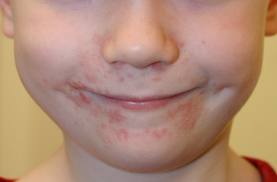
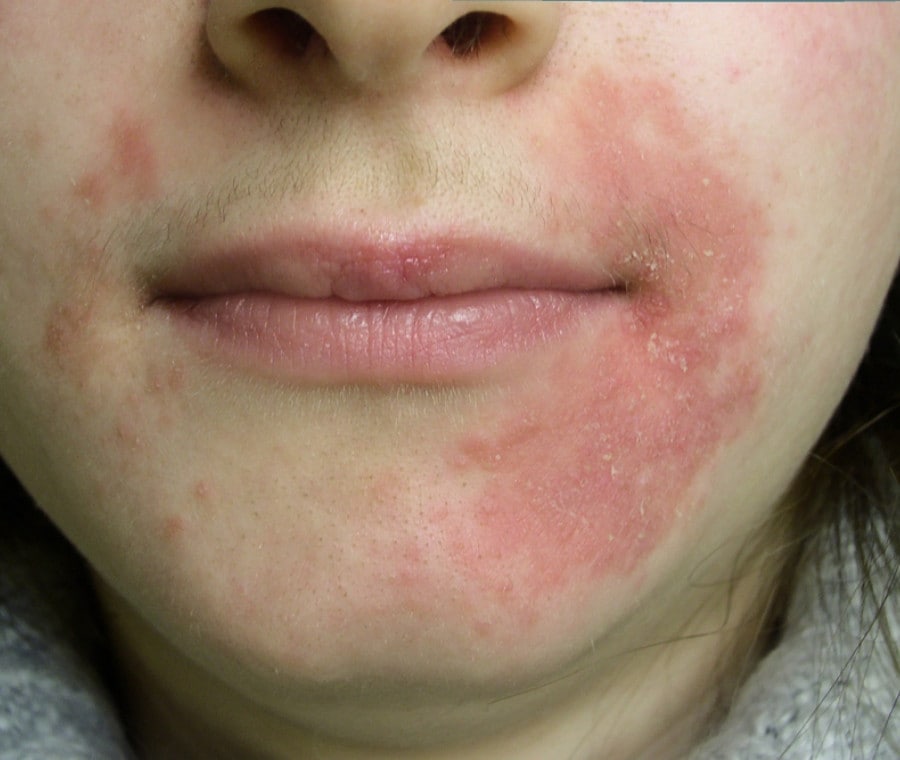
- Small pink papules and/or pustules clustered around the mouth, nose, and sometimes the eyes
- Visible redness, fine scaling, and skin roughness
- Burning, stinging, tightness, and sensitivity when applying products
- A narrow rim of healthy skin around the vermilion border
- A waxing-and-waning course with flares and remissions
If painful crusts, marked purulence, or other atypical signs appear, other skin diseases must be ruled out.
When to see a doctor?
Consult a dermatologist if:
- The rash persists for longer than 2–3 weeks or spreads rapidly
- The area around the eyes is affected, or visual symptoms or severe pain occur
- You used topical steroids (creams, sprays, inhalers) and noticed worsening
- Self-care is not helping or you are unsure which products to discontinue
- You are pregnant, breastfeeding, or the rash has appeared in a child
Early consultation helps prevent prolonged inflammation and restores skin comfort more quickly.
Diagnosis
The diagnosis of perioral dermatitis is usually clinical—based on discussion of symptoms, products used, steroid exposure, and a skin examination. The physician assesses the type and extent of the eruption, the condition of the skin barrier, and discusses possible triggers.
Additional tests are usually unnecessary. In cases of atypical presentation or ineffective treatment, the following may be considered:
- Differential diagnosis with acne, rosacea, seborrheic or contact dermatitis, impetigo, lip-licker’s dermatitis
- Allergy patch testing if an allergic contact component is suspected
- Microbiological tests or, very rarely, a skin biopsy
Our iDerma clinic dermatologists help establish an accurate diagnosis, evaluate disease severity, and create an individualized, safe treatment and care plan. Consultations are available both in-person and remotely—especially convenient during flares or if you live farther away.
ARTICLE_GIF
Treatment
The goal of treatment is to calm inflammation, restore the skin barrier, and eliminate triggering factors. A stepwise, multi-phase plan is typically used:
- “Zero therapy” – temporarily discontinue all unnecessary or potentially irritating products. Use very gentle cleansing with lukewarm water or a mild fragrance-free cleanser, and minimal barrier-restoring moisturizing. Avoid acids, scrubs, strong serums, essential oils, and heavy makeup layering.
- Steroid adjustment – if you have used topical steroids on the face, discuss discontinuation with your doctor. A gradual taper may sometimes be recommended to reduce the risk of “rebound.” If you use steroid nasal sprays or inhalers, discuss alternatives and technique with the prescriber (e.g., using a spacer, washing the face after use) to minimize skin contact.
- Topical therapy – non-steroidal anti-inflammatory or antimicrobial agents may be prescribed, tailored to disease activity and skin sensitivity. The right choice and regimen help reduce redness, papules, and burning.
- Systemic therapy – short-course systemic treatment may be used for moderate to severe forms. It is individualized, considering comorbidities, pregnancy, and other factors.
- Photoprotection – a daily, skin-friendly sunscreen (especially with gentle filters) helps reduce irritation and the risk of hyperpigmentation.
Results are usually noticeable within 2–6 weeks, and more complete skin calming may take 8–12 weeks. A temporary flare may occur in the first weeks—this does not necessarily mean the treatment is inappropriate, but maintaining contact with your doctor is important for possible adjustments.
A dermatology consultation at the iDerma clinic, in person or online, helps promptly refine the diagnosis, plan “zero therapy,” choose gentle care, and, if needed, prescribe effective, safe treatment.
Care and prevention
A consistent, simple routine is the cornerstone of success for both treatment and relapse prevention. We recommend:
- Cleanse the face 1–2 times daily with a gentle, fragrance-free cleanser or lukewarm water alone
- Use a minimal, barrier-restoring moisturizer; avoid heavy, occlusive formulas and intense fragrances
- Apply gentle daily sun protection; avoid direct sun, heat, wind, and large temperature fluctuations
- Choose toothpaste without harsh foaming agents or strong flavorings; decide on fluoride content together with your dentist to avoid compromising dental health
- Limit facial friction: change masks regularly; ensure clean contact surfaces on helmets or sports equipment
- Avoid touching your face, licking your lips, or rubbing lesions; choose lightweight, non-comedogenic makeup and remove it gently in the evening
- Keep a simple diary of care products, climate, and flares—this helps identify personal triggers
- Support overall well-being: sleep, stress management, and a varied, balanced diet. Strict diets are usually unnecessary, but individual sensitivities are possible.
Frequently asked questions
- Is perioral dermatitis contagious?
No. It is not an infectious disease, so you will not transmit it to others. - How to distinguish perioral dermatitis from acne or rosacea?
POD more often presents with small papules without comedones, and the eruption concentrates around the mouth and nose, leaving a narrow band of healthy skin next to the lips. Rosacea more commonly presents with redness and flushing of the cheeks and nose; acne features comedones. - Can I wear makeup?
Yes, but choose lightweight, non-comedogenic, fragrance-free formulas without excessive pigments. Gently remove makeup in the evening and avoid aggressive exfoliation. - Will it leave scars?
Usually no. Temporary redness or darkening may occur, especially if you pick lesions or the skin is irritated. Proper care and photoprotection reduce leftover marks. - How long does treatment take?
Initial improvement is often seen after 2–4 weeks, but stable calming may take 8–12 weeks. Some people need a longer maintenance plan. - Can children get perioral dermatitis?
Yes. In children it is often triggered by topical steroids, inhalers, or nasal sprays, as well as irritating drooling and lip-licking. Treatment is individualized and gentle.
Conclusions
Perioral dermatitis is common but manageable, requiring patience and a consistent, individualized plan. The most important steps are to recognize and remove triggers, restore the skin barrier, and, if needed, use physician-prescribed topical or systemic therapy. A consistent, simple skincare routine, a responsible approach to steroid use, and safe photoprotection help achieve long-term skin calm and reduce relapses.