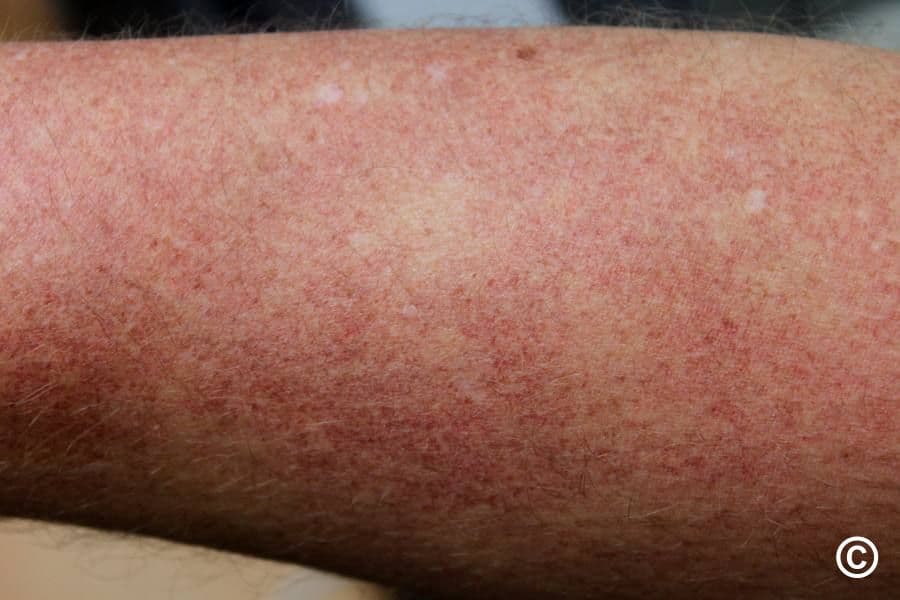
What is Capillaritis (Pigmented Purpura)?
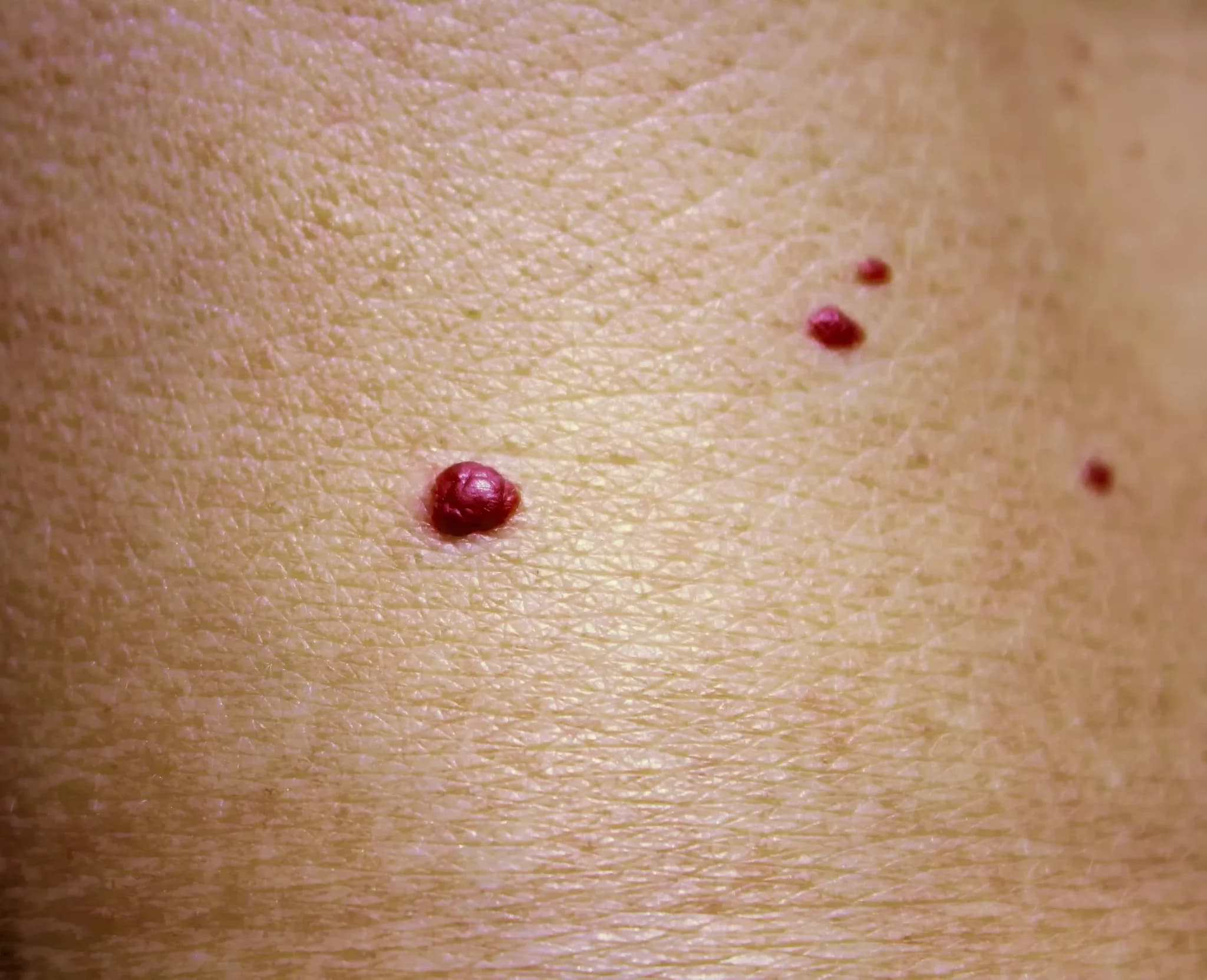
Capillaritis, also known as pigmented purpura, is a benign skin condition characterized by reddish to purplish spots or patches on the skin. These appear due to increased permeability of the capillaries — small blood vessels — which allows red blood cells (erythrocytes) to leak into the surrounding skin tissue. As the cells break down, they deposit a pigment called hemosiderin, leading to color changes and visible skin discoloration.
Who Gets It?
-
It can affect people of any age but is less common in children
-
More frequently occurs in men
-
Typically seen in otherwise healthy individuals
-
Sometimes triggered by:
-
Medication reactions
-
Viral infections
-
Food additives
-
Intense physical activity
-
-
In many cases, no clear cause can be identified
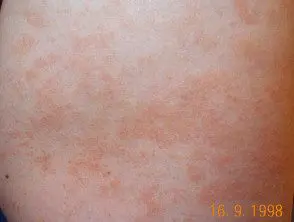
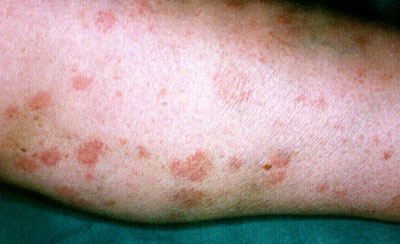
Symptoms (Clinical Presentation)
Capillaritis typically presents as:
-
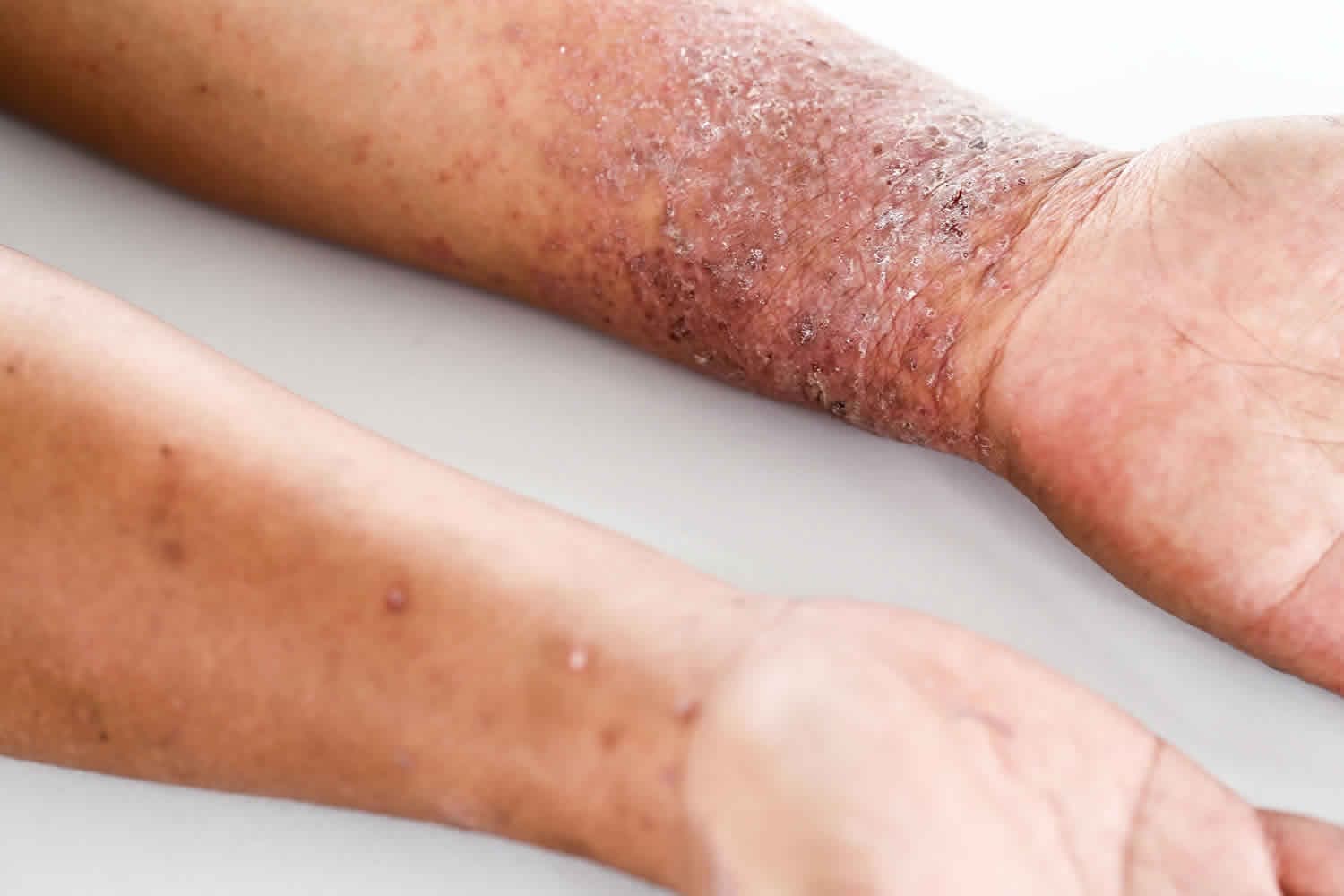
Small papules (raised skin bumps), patches, or flat plaques
-
Color changes over time from red/purple to brown as hemosiderin builds up
-
Occasionally accompanied by itching
-
Most often located on the lower legs, but may also appear on the arms
Diagnosis
In most cases, diagnosis is made through physical examination and patient history.
In rare or unclear cases, a skin biopsy may be performed to rule out other conditions such as:
-
Cutaneous vasculitis
-
T-cell lymphoma of the skin
-
Dermatitis
If a bleeding or clotting disorder is suspected, a coagulation blood test (coagulogram) may also be recommended.
ARTICLE_GIF
Treatment
Treating capillaritis can be a slow and sometimes challenging process. A dermatologist will tailor the treatment plan based on possible triggers and symptom severity.
Common approaches include:
-
Eliminating the trigger: If the cause is identified (e.g., a medication, food additive, or allergen), stopping exposure is key. Skin changes should be monitored over several months. Improvement is often seen after the trigger is removed.
-
Topical corticosteroids: Helpful if the affected areas are itchy or inflamed.
-
Compression stockings: Can support healing when lesions are on the lower legs.
-
Phototherapy: UV light treatments may be used in certain cases to help clear persistent skin discoloration.
-
Topical calcineurin inhibitors: May help calm inflammation in affected areas