Introduction
Facial rosacea, also known simply as rosacea, is a chronic skin condition characterized by persistent cheek redness, burning sensations, and fine visible capillaries. Although it is not life-threatening, this condition can significantly affect a person’s psychological well-being and everyday comfort. It’s important to emphasize that rosacea is not contagious, and with properly selected skincare and treatment, the condition can be greatly improved, allowing your face to look and feel healthy.
In this article, I will explain what rosacea is, what factors cause it, how to recognize the symptoms, when to see a doctor, and I will also describe diagnostic, treatment, and care options.
What is it?
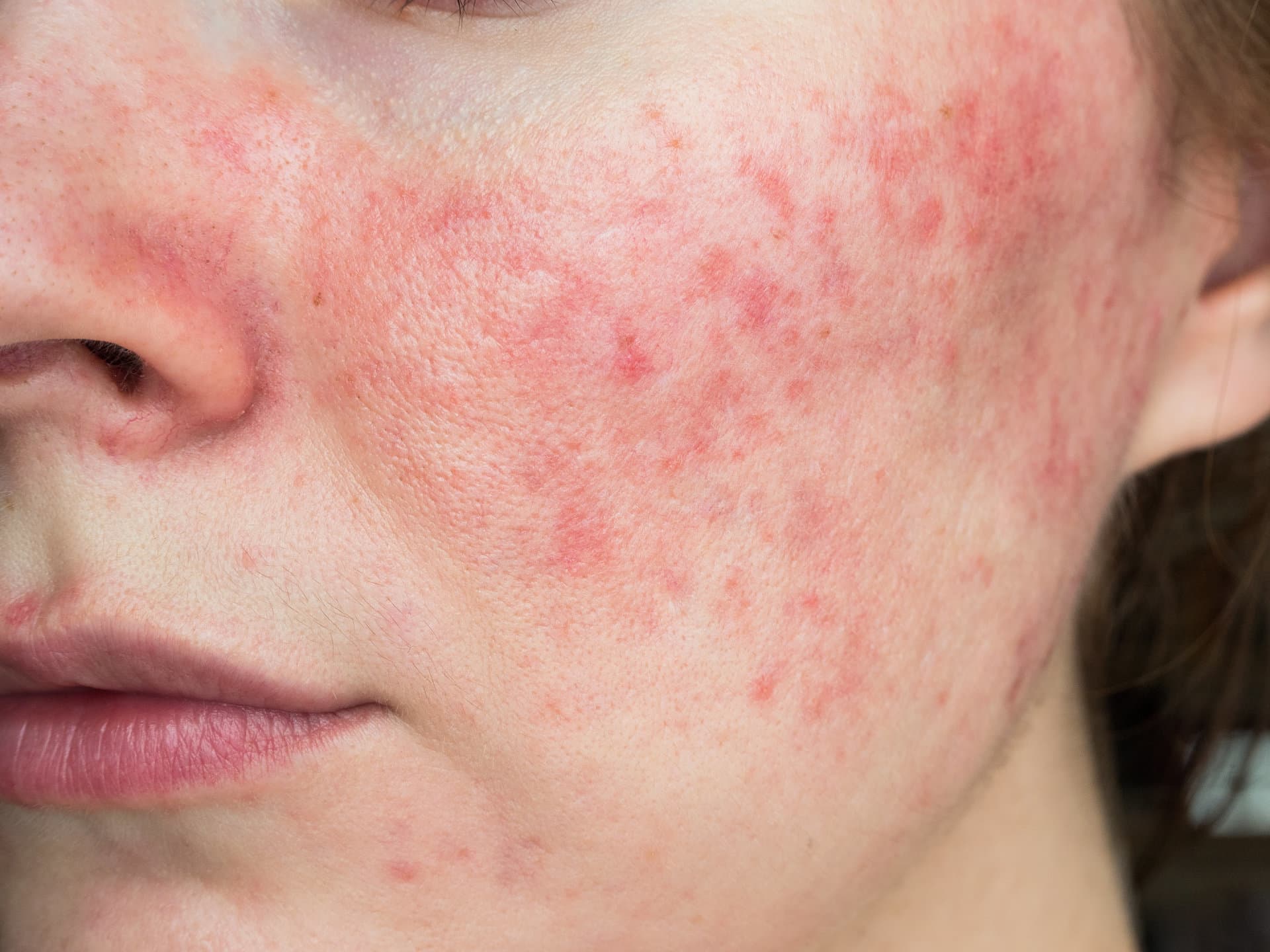
Facial rosacea (rosacea) is a non-contagious, chronic, inflammatory skin disease that most commonly affects the central face: the cheeks, nose, chin, and forehead. Typical symptoms include persistent or episodic redness, small dilated capillaries, red papules or small pimples without comedones, skin tightness and burning. Sometimes this condition may be accompanied by eye redness and involvement, known as ocular rosacea.
Rosacea can present in different forms, including:
- Predominant redness and dilated capillaries (couperose, telangiectasias).
- Inflammatory lesions: red papules, pustules without typical acne comedones.
- Skin thickening, especially on the nose (a rarer form, more common in men).
- Ocular involvement: eye redness, itching, a “gritty” sensation, sensitivity to light.
Rosacea is a long-term condition marked by flare-ups and remissions. Although it cannot be completely cured, with appropriate care and treatment, symptoms can be significantly reduced.
Causes and risk factors
The causes of rosacea are not fully understood. It is most often a combination of several factors:
- Genetic predisposition: more common in people with fair skin and blue or light eyes, especially when rosacea runs in the family.
- Vascular hyperreactivity: facial capillaries dilate quickly in response to heat, cold, alcohol, spicy or hot food, and stress.
- Inflammatory and immune response: increased skin sensitivity to irritants triggers an inflammatory reaction.
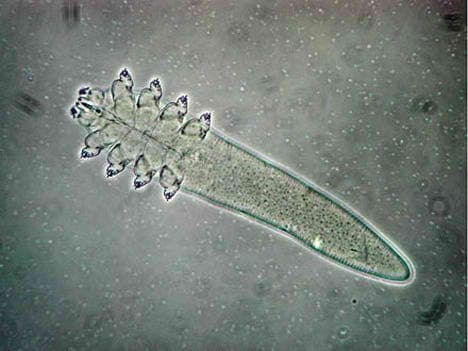
- Imbalance of the skin microbiota: certain mites or bacteria on the skin may promote inflammation.
- Sun and UV radiation: ultraviolet exposure impairs skin function, which can lead to more frequent flare-ups.
- Stress and emotional factors: stress and emotional tension can provoke facial flushing.
- Environmental irritants: rapid temperature changes, strong wind, dry air, and pollution affect the skin.
- Dietary factors: alcohol, spicy and hot foods can worsen symptoms.
- Inappropriate cosmetics and care: certain cleansers, scrubs, and toners can irritate rosacea-prone skin.
- Certain topical agents: prolonged use of potent products without medical supervision can trigger flare-ups.
Symptoms
If you notice:
- Persistent facial redness, especially on the cheeks, nose, or forehead.
- Fine visible blood vessels—red “threads,” especially on the cheeks and around the nose.
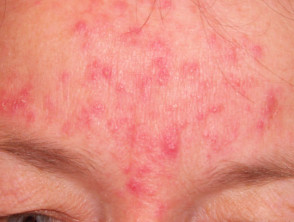
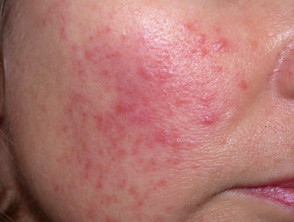
- Inflammatory lesions—red papules or pustules without comedones.
- Increased skin sensitivity—burning, tingling, or itching.
- Skin dryness or tightness, flaking in reddened areas.
- Eye symptoms—redness, dryness, irritation.
Without timely treatment, rosacea can worsen, so it’s important not to ignore symptoms and to take action early.
When to see a doctor?
- Redness or lesions persist for more than 3–4 weeks or recur frequently.
- Eye symptoms occur: pain, redness, blurred vision, light sensitivity.
- The condition suddenly worsens or painful nodules appear.
- The diagnosis is uncertain (it resembles other skin diseases).
- The condition affects emotional well-being or quality of life.
An early visit to a dermatologist can help create a personalized treatment plan and achieve better outcomes. The dermatologists at our clinic are ready to help via both in-person and remote consultations.
Diagnosis
Rosacea is most often diagnosed based on clinical examination. The doctor assesses the nature of redness, capillaries, lesions, and skin sensitivity. If needed, the following may be performed:
- Dermatoscopic evaluation of capillaries.
- Photo documentation.
- Assessment of ocular status.
- Differential diagnosis from other skin diseases.
- Testing to assess imbalance of skin microorganisms.
In most cases, invasive tests are not necessary.
ARTICLE_GIF
Treatment
Rosacea treatment is individualized and depends on the symptoms. The main goals are to reduce inflammation, strengthen the skin barrier, protect the capillaries, prolong remissions, and reduce flare-ups.
Main treatment directions:
- Managing triggers: avoid heat and cold, hot or spicy foods, alcohol, and sun exposure.
- Gentle skincare: choose products intended for skin hydration without irritating components. Use soothing, hydrating creams and avoid mechanical scrubs.
- Sun protection: apply SPF 30–50 daily. It is important to reapply throughout the day.
- Topical and oral medications prescribed by a dermatologist: reduce inflammation and strengthen the skin barrier.
- Treatment of ocular rosacea: gentle eyelid hygiene, warm compresses, and ophthalmologist recommendations.
- Laser and light procedures: lasers or IPL can effectively reduce redness and the size of dilated capillaries.
- Treatment of skin thickening: certain procedures can help rebalance skin texture.
Understanding that rosacea tends to wax and wane is important for keeping the skin stable over time.
Care and prevention
Daily care is essential to success:
- Morning: gentle cleansing and moisturizing, sun protection with SPF.
- Evening: remove makeup, moisturize, and cleanse the skin.
- Avoid irritants: avoid fragranced and alcohol-containing products and mechanical scrubs.
- Environmental protection: protect the skin in both winter and summer.
- Stress management: monitor your environment and use stress-reduction strategies.
- Diet monitoring: identify which foods worsen your condition.
- Trigger journal: track which situations and foods provoke symptoms.
- Regular consultations: even when improved, dermatologist visits help maintain a stable skin condition.
Frequently Asked Questions
- Is facial rosacea the same as acne?
No, rosacea and acne are different. Rosacea lacks acne features such as comedones. - Is rosacea contagious?
No, rosacea is not contagious. - Can rosacea be cured completely?
Not completely, but the symptoms can be effectively controlled. - Does laser help?
Yes, lasers can help reduce telangiectasias and redness. - Can I use makeup?
Yes, use non-comedogenic, fragrance-free products. - Is rosacea more common in women or men?
Both sexes are affected, but the forms and manifestations differ. - Do saunas and hot showers make it worse?
Yes, they should be avoided or limited. - Can SPF be irritating?
Some formulations can irritate sensitive skin, so choose gentle ones. - What should I do if the redness returns?
Continue your care routine and, if necessary, consult a doctor.
Conclusions
Rosacea is a chronic but manageable skin disease. It is important to identify symptoms early and avoid triggers, as well as apply soothing skincare in combination with medical therapies. With the help of specialists, you can achieve excellent results and keep your skin comfortable and healthy. If you notice persistent redness or other symptoms, do not hesitate to contact our clinic so that an effective treatment plan can be created as soon as possible.