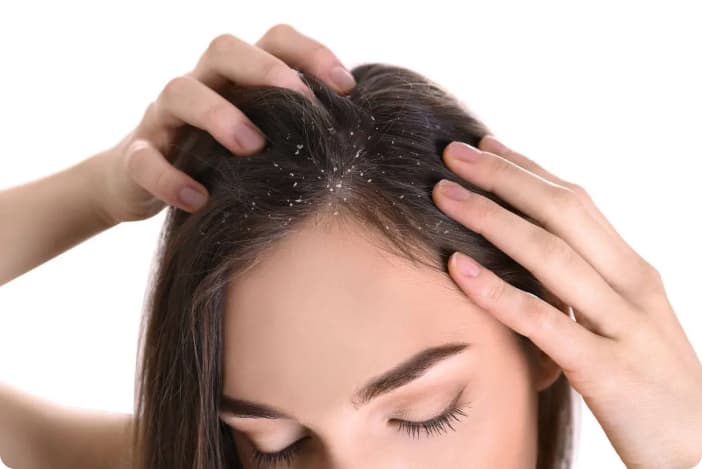
Seborrheic dermatitis is a common chronic skin condition that appears as flaky, red, and itchy patches, especially on the scalp, face, and around the nose. Although it is not life-threatening, it can significantly affect quality of life by causing discomfort, aesthetic concerns, and emotional stress. Timely treatment and proper skincare can greatly improve the condition.
What Is It?
Seborrheic dermatitis is a chronic inflammatory skin disorder that most often affects areas rich in sebaceous (oil) glands — the scalp, face (particularly around the nose, eyebrows, and behind the ears), chest, and back.
It is associated with excessive production of sebum (skin oil) and an overgrowth of a yeast called Malassezia, which triggers inflammation.
Causes and Risk Factors
Main Causes:
-
Excessive production of sebum
-
Overgrowth of the Malassezia yeast — normally present on the skin, but when it multiplies too much, it causes inflammation
Risk Factors:
-
Stress
-
Weakened immune system (due to illness or medication)
-
Hormonal changes
-
Oily skin type
-
Cold or very dry weather
-
Inappropriate cosmetics or poor hygiene
Symptoms
Seborrheic dermatitis symptoms can vary depending on age, season, and affected area, but most commonly include:
-
Redness (especially around the nose, eyebrows, and behind the ears)
-
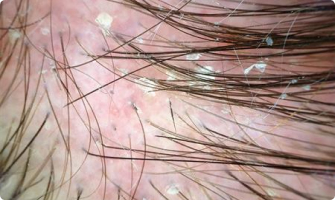
Flaking (fine or coarse yellowish scales)
-
Itching
-
The skin may appear oily and shiny, or conversely, dry
-
On the scalp — dandruff, itching, and sometimes hair loss
When to See a Doctor
Consult a dermatologist if:
-
Symptoms persist for more than 2–4 weeks despite using medicated shampoos or creams
-
You experience severe itching, burning, or pain
-
The condition recurs frequently or spreads to new areas
-
Cracks, wounds, or signs of secondary infection appear
Diagnosis
Seborrheic dermatitis is usually diagnosed based on clinical appearance. The doctor examines the skin and assesses the pattern of inflammation.
Additional tests are rarely needed, but may include:
-
Skin scraping (to rule out fungal infections)
-
Allergy testing (if contact dermatitis is suspected)
-
Blood tests (if immune system issues are suspected)
Treatment
Treatment of seborrheic dermatitis is often long-term and requires patience. The goal is to reduce inflammation, itching, and flaking, and to prevent relapses.
Topical treatments:
-
Medicated shampoos
-
Corticosteroid creams
-
Antifungal agents
-
Calcineurin inhibitors
Systemic treatment:
-
In severe cases — oral antifungal medications or immunosuppressants
Skincare and Prevention
To reduce flare-ups, it’s important to maintain a proper skincare routine:
Scalp care:
-
Use special shampoos 2–3 times a week
-
Avoid products with strong fragrances or sulfates
Face and body care:
-
Cleanse with gentle, alcohol-free products
-
Moisturize with non-comedogenic creams
-
Avoid heavy, oily cosmetics
-
Wash your face after sweating
Lifestyle tips:
-
Reduce stress (meditation, exercise, sufficient sleep)
-
Avoid alcohol and smoking
-
Maintain a balanced diet (in some cases, this may help reduce symptoms)
Frequently Asked Questions (FAQ)
Is seborrheic dermatitis contagious?
No, it’s not a contagious condition.
Is it caused by poor hygiene?
No, it develops due to an imbalance in skin oils and microflora, not due to dirtiness.
Can seborrheic dermatitis be completely cured?
It’s a chronic condition, but with proper care and treatment, long-term remission is possible.
Can babies get seborrheic dermatitis?
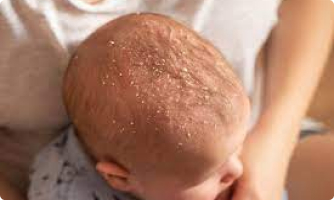
Yes, in infants it often appears as “cradle cap” — greasy scales on the scalp — and usually resolves on its own.
Conclusion
Seborrheic dermatitis is a common but manageable skin condition. Although it tends to recur, proper care, lifestyle adjustments, and appropriate treatment can keep it under control. The key is not to ignore symptoms and to consult a specialist when needed. Early treatment helps prevent complications and improves quality of life.