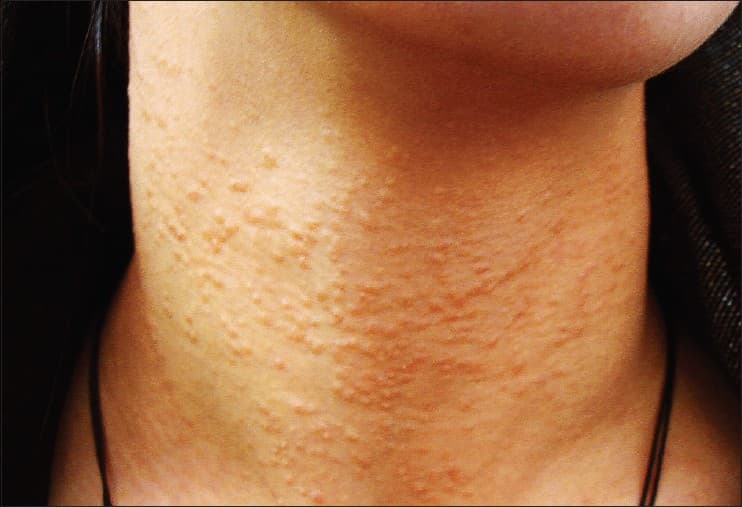
Have you noticed small, firm bumps under your eyes or elsewhere on your face that don’t seem to go away? These may be syringomas – benign skin growths that develop from sweat glands. While harmless, syringomas often cause cosmetic concern, especially when located in visible areas. In this article, we explain what syringomas are, why they appear, how to recognize them, and the available treatment options.
What is a Syringoma?
Syringoma is a benign skin tumor that forms from the ducts of eccrine (sweat) glands. These growths are usually small, firm, flesh-colored or yellowish bumps (called papules), typically found in clusters.
They are non-cancerous, non-contagious, and most often considered a cosmetic issue rather than a medical concern.
Causes and Risk Factors
The exact cause of syringomas is unknown, but several contributing factors have been identified:
-
Genetics – a hereditary tendency is common; they often run in families.
-
Gender – more frequently seen in women.
-
Age – typically begin during adolescence or early adulthood.
-
Skin type – may be more common in people with oily or combination skin.
-
Medical conditions – in rare cases, syringomas may be associated with genetic syndromes (e.g., Down syndrome, diabetes).
Symptoms
Syringomas have distinct features that make them recognizable:
-
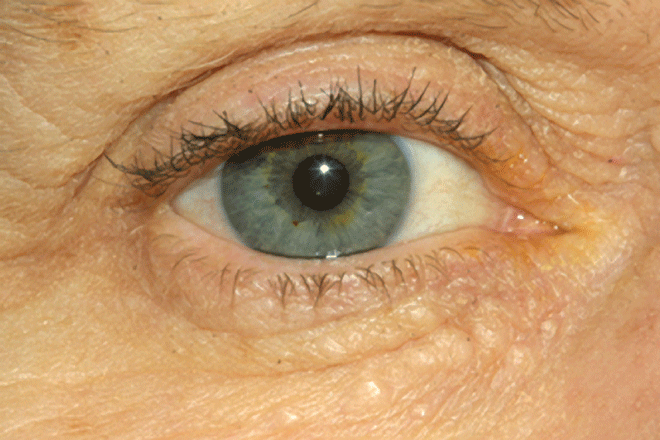
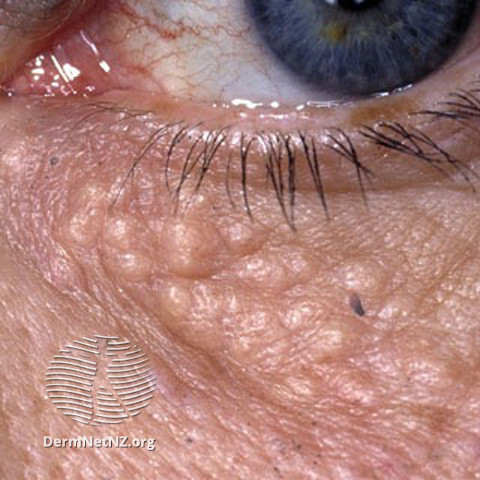
Size – small (2–4 mm), round papules.
-
Color – skin-colored or slightly yellowish.
-
Texture – firm and raised; often grouped.
-
Location – most commonly found on the lower eyelids, but can also appear on the forehead, cheeks, armpits, chest, around the belly button, or genital area.
-
No symptoms – they don’t hurt or itch and are typically noticed for cosmetic reasons.
When to See a Dermatologist?
You should consider consulting a dermatologist if:
-
The bumps affect your appearance and self-esteem.
-
You’re unsure whether the lesion is benign.
-
The growths are increasing in number or changing in appearance.
-
You are considering safe removal for cosmetic improvement.
iDerma dermatologists are available for online consultations – discreet, professional, and convenient.
Diagnosis
Syringomas are usually diagnosed during a visual skin examination by a dermatologist. In most cases, no further testing is needed.
In rare cases, a skin biopsy may be performed to rule out other skin conditions if the appearance is atypical or uncertain.
Treatment Options
There are no medications to treat syringomas, but various cosmetic procedures are available to remove them if desired. Treatment is not medically necessary, but often chosen for aesthetic reasons.
Common removal techniques include:
-
Electrocautery – destroying the lesion using electric current.
-
Laser treatment – precise removal using a dermatological laser.
-
Cryotherapy – freezing the growths with liquid nitrogen.
Note: Syringomas may recur over time, especially if the patient is predisposed. Some scarring may occur after removal, so it’s important that treatment is performed by an experienced dermatologist.
Aftercare and Prevention
Although syringomas cannot always be prevented, proper skincare may help maintain overall skin health:
-
Use gentle cleansers and avoid irritating products.
-
Choose non-comedogenic skincare and cosmetics.
-
Protect your skin from excessive heat and sweating.
-
Apply sunscreen regularly to reduce inflammation and protect skin structure.
Frequently Asked Questions (FAQ)
Are syringomas dangerous?
No, syringomas are harmless benign growths and do not turn into skin cancer.
Can syringomas go away on their own?
They typically do not go away naturally, but are stable over time. Removal is usually for cosmetic reasons.
Can they come back after removal?
Yes, especially if the person is prone to developing them. Regular follow-up with a dermatologist may be helpful.
Conclusion
Syringomas are common, harmless skin growths often located around the eyes. While they don’t pose a health risk, many people seek removal due to cosmetic concerns. If you suspect syringomas or want to explore safe and effective treatment options, don’t hesitate to consult a dermatologist. At iDerma, we offer expert online dermatology services tailored to your needs.