Introduction
Viral warts are common, benign growths on the skin or mucous membranes caused by infection with the human papillomavirus (HPV). They can occur at any age, more frequently in children and adolescents, but many cases are also diagnosed in adults. For most people, warts are more of an aesthetic or functional inconvenience, but under certain circumstances, they can spread, become painful, bleed, or recur. With proper assessment and treatment, warts can be successfully managed, and the risk of recurrence reduced.
What are they?
Viral warts occur when HPV enters the skin through micro-abrasions or softened (macerated) skin and infects the upper layers of the skin. The immune system often manages to control the virus, so some warts disappear on their own over time, especially in children. However, sometimes they persist longer, multiply, or cause pain and discomfort.
Warts can appear anywhere on the body, but are most commonly found:
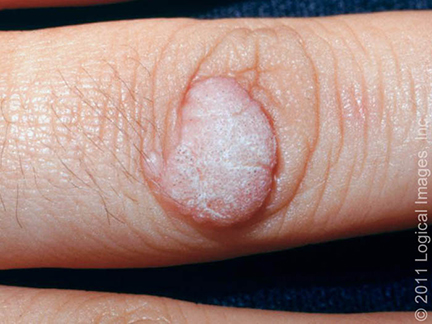
- On the hands and fingers – known as common warts (rough, keratinized surface growths).
- On the soles of the feet – known as plantar warts; often painful when pressed or walked on, may appear "ingrown".
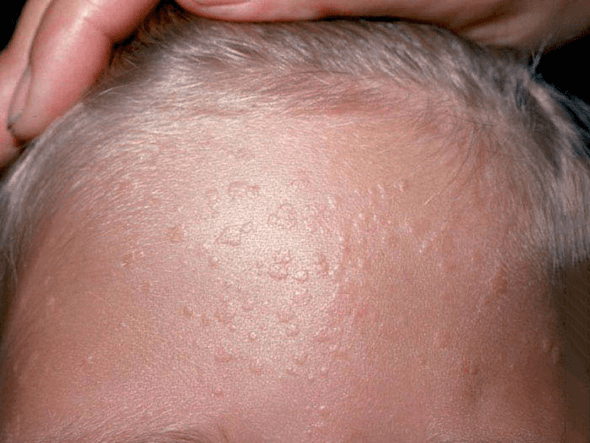
- On the face and body – flat warts (smooth, slightly raised surface), more common in children and adolescents.
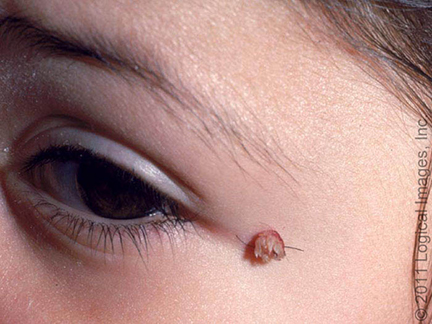
- Filiform warts (thread or finger-shaped) – often around the nose, mouth, neck, or eyelids.
- Around the nails – periungual warts; can deform nail plates, be painful and stubborn.
Warts often have a rough, keratinized surface, and small dark dots can sometimes be seen inside them through a dermatoscope or even with the naked eye – these are clogged or thrombosed capillaries, often referred to as "wart roots", although they are not roots.
Causes and Risk Factors
HPV is transmitted through direct contact with infected skin or mucous membranes, as well as indirectly through shared towels, mats, footwear, or tools. Viral particles more easily penetrate the skin when it is damaged, wet, softened, or dry and cracked.
Risk factors include:
- Frequent microtraumas: cuts, scrapes, nail biting, or cuticle tearing, shaving.
- Environments such as schools, sports clubs, swimming pools, and saunas (especially walking barefoot, not using personal slippers).
- Excessive sweating, prolonged moist skin (e.g., during sports or working in wet conditions).
- Skin conditions that damage the barrier: atopic dermatitis, eczema, calluses, cracked heels.
- Weakened immune system due to chronic diseases or certain treatments.
- Close contact with someone who has warts (in the family, sports team, etc.).
The incubation period ranges from a few weeks to several months, making it often difficult to pinpoint exactly where and when the infection occurred. It is important to know that warts can spread on the same person's skin (autoinoculation) – for example, from one finger to another or from the foot to the hand.
Symptoms
Viral warts are usually recognized by their appearance and sensations:
- Hard, rough, or keratinized growth, clearly demarcated from the surrounding skin.
- Dark dots on the wart surface – clogged capillaries, especially characteristic of plantar warts.
- Pain when pressed or walking (especially in the case of plantar warts).
- They can be solitary or cluster into groups; in the foot area, "mosaic" warts may form – a cluster of several small foci.
- Flat warts – small, smooth, may be numerous on the face or forearms, causing aesthetic discomfort.
How to distinguish a plantar wart from a callus? Warts are more likely to hurt when pressing the sides and often disrupt the normal pattern of skin lines (wrinkles); a callus hurts more when directly pressed from above and retains the direction of skin lines.
When to See a Doctor?
Medical consultation is recommended in the following cases:
- Warts are rapidly increasing, painful, bleeding, or frequently traumatized.
- Lesions appear on the face, around the eyes, lips, or genital area.
- There are many warts, they are spreading, recurring, or self-care measures are ineffective.
- You have chronic diseases, a weakened immune system, or diabetes (especially with foot lesions).
- You are unsure if it is really a wart – differential diagnosis is needed.
- Warts appear in a child and cause pain, hinder walking, sports, or writing.
Diagnosis
The diagnosis is usually made during an examination – an experienced dermatologist can often determine it based on appearance and location. If necessary, dermatoscopy is performed to see characteristic vascular structures and differentiate from calluses, corns, or other benign skin lesions. In rare cases, when the diagnosis is unclear, the lesion is unusual or changes unusually quickly, a skin biopsy may be recommended to rule out other conditions.
Differentiation is made with calluses, soft fibromas, molluscum contagiosum, seborrheic keratoses, actinic and other keratoses. Accurate diagnosis helps to select an effective and safe treatment plan and reduce the risk of recurrence.
Our clinic's dermatologists at iDerma help accurately assess the lesion, determine the type of warts and the risk of recurrence, and if necessary, quickly plan treatment. We offer consultations both in person and remotely.
Treatment
While some warts, especially in children, may regress on their own within 6–24 months, active treatment is chosen when warts are painful, spreading, interfere with daily life, cause aesthetic discomfort, or when immunity is weaker. The goal of treatment is to remove virus-infected skin cells and stimulate an immune response against HPV.
Possible treatment approaches (selected individually):
- Keratolytic creams or solutions – help soften and exfoliate keratinized tissue layer by layer, reducing the volume of the wart. Used in courses of several weeks or months, strictly following instructions and protecting the surrounding healthy skin.
- Cryotherapy – freezing of warts, usually with medical freezing agents. During the procedure, the affected tissue is frozen and later rejected. Several sessions may be required every 2–4 weeks.
- Mechanical removal – curettage, electrosurgical or laser destruction methods, applied in specific cases. Usually performed under local anesthesia, the procedure is short, and healing depends on the size and location of the wart.
- Occlusive techniques and combined treatment – sometimes local measures and procedural methods are combined to enhance the effect and reduce the likelihood of recurrence.
What to expect during procedures? Mild discomfort or pain, temporary redness, blister formation after freezing, or a scab after mechanical removal. Proper wound care, hygiene, and protection from re-injury are important after the procedure. If the wart is on the foot, temporary pressure-reducing inserts or special bandaging may be recommended for more comfortable walking.
Special situations: lesions on the face, around the nails, or in children are evaluated more cautiously – gentler methods are chosen to avoid scarring or pigmentation changes. Growths in the genital area must be assessed separately – an individual examination is required.
A dermatologist consultation in person or online helps quickly clarify the diagnosis, assess how many sessions may be needed, and select the most appropriate and safe treatment plan for your specific skin.
ARTICLE_GIF
Can warts recur? Yes, especially if the affected tissue was not completely removed or if the virus remains in the surrounding skin. Therefore, treatment is often performed in stages, and after procedures, clear care and prevention recommendations are provided to reduce the risk of recurrence.
Care and Prevention
Proper care helps heal faster and prevents spreading:
- Do not scratch or pick at warts – this makes it easier for the virus to spread to surrounding skin or other body areas.
- Maintain hand and foot hygiene, especially after sports or swimming. Dry the skin, change socks, and use personal towels.
- In public saunas, showers, and around pools, wear personal footwear (slippers); do not walk barefoot.
- Protect the skin barrier: moisturize dry skin, treat cracks, avoid cuticle tearing, and nail biting.
- If the wart is on the foot – use a protective patch to reduce friction and pain when walking.
- Do not use shared nail clippers or files; disinfect and store instruments separately.
- Consider HPV vaccination as recommended by your doctor – it helps protect against diseases caused by certain types of HPV.
- For the prevention of sexually transmitted HPV types, barrier protection methods and regular check-ups are important; if growths are noticed in the genital area, a doctor's examination is necessary.
Reminder: do not attempt to remove warts with sharp instruments or aggressive chemical agents at home – this increases the risk of infection, scarring, and spreading. The safest option is to consult a specialist and follow individual recommendations.
Frequently Asked Questions
- Are warts contagious?
Yes. HPV spreads through direct contact with damaged skin or indirectly through objects and the environment. Hygiene, separate towels, and footwear, as well as not scratching warts, reduce the risk. - Can warts turn into cancer?
Common skin warts are benign and do not become cancerous. However, unusual-looking, rapidly changing, or constantly bleeding growths should be evaluated by a doctor. - How long does treatment take?
It depends on the type, location, and number of warts. Flat or small warts may disappear within a few weeks or months, while plantar or periungual warts often require several procedures over 1–3 months or longer. - Will there be a scar after removal?
With the right method and following care instructions, the likelihood of scarring is low. The risk of scarring is higher on the face and around the nails, so treatment is chosen very carefully. - Can warts return?
Yes, especially if the virus remains in the surrounding skin. Combining treatment methods, performing repeated sessions, and following hygiene recommendations reduce the risk of recurrence. - Can I treat warts at home?
Small lesions can sometimes be managed with home remedies, but it is always safer to consult a dermatologist first. Do not use aggressive methods on the face, around the eyes, lips, or genital area.
Conclusions
Viral warts are a common, benign, but often stubborn skin problem. They can cause pain, aesthetic discomfort, and spread, especially with skin microtraumas or a weakened immune system. Accurate diagnosis, individually selected treatment, and careful care allow successful removal of warts and reduce their recurrence. If you notice suspicious growths or experience discomfort, do not delay – timely professional help can quickly return you to your daily routine and protect your skin health.