Chickenpox: Causes, Symptoms, and Treatment Options
Chickenpox (lat. varicella) is an acute, highly contagious viral infection characterized by fever and a distinctive blister-like rash on the skin and mucous membranes. It most commonly affects children, but anyone of any age can contract it if they have not encountered the virus or are not protected by vaccination. In most cases, the disease resolves on its own, but for adults, pregnant women, and individuals with weakened immune systems, chickenpox can pose more serious health challenges and complications.
What is it?
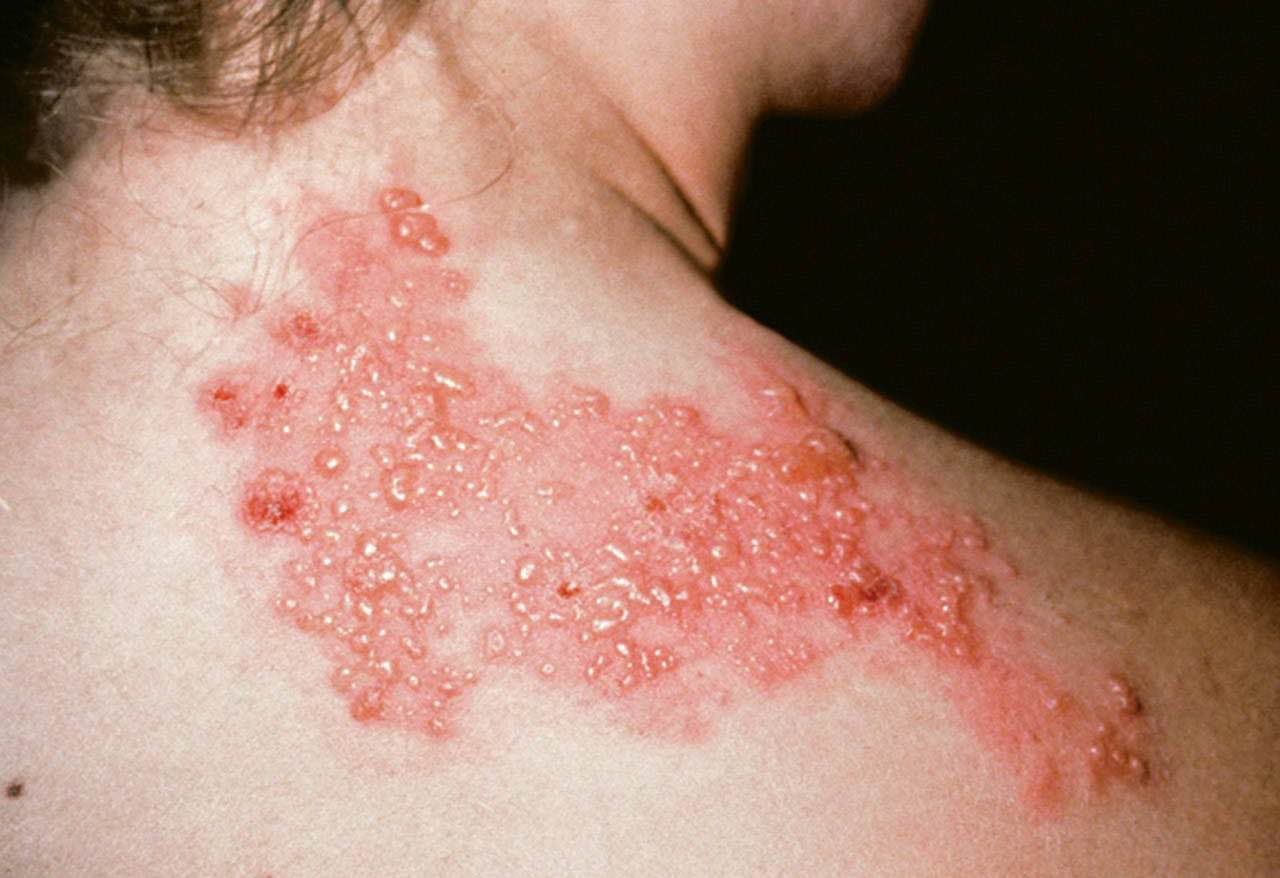
Chickenpox is caused by the Varicella zoster virus (VZV), which belongs to the Herpesviridae family. Once infected, the virus spreads through the respiratory tract mucosa and reaches the skin and mucous membranes via the bloodstream. This results in the characteristic blisters, which later crust over. In most cases, long-term immunity develops after infection. However, the same virus remains "inactive" in the body's nerve ganglia and can later reactivate as shingles when immunity decreases.
The incubation period (the time from infection to the onset of symptoms) usually lasts 10–21 days. A person becomes contagious about 1–2 days before the rash appears and remains contagious until all blisters turn into dry scabs (usually about 5–7 days from the onset of the rash). Children often experience a milder form of the disease, while adults tend to have a more intense course.
Causes and Risk Factors
Chickenpox spreads through airborne droplets (via coughing, sneezing, loud talking) and direct contact with the contents of the blisters. In closed environments such as kindergartens, schools, and family settings, the virus spreads very quickly. It is also possible to contract the virus from someone with shingles if there is direct contact with the contents of their rash blisters (resulting in a first-time chickenpox infection).
- High-risk groups: unvaccinated and previously uninfected individuals, adults, pregnant women, newborns, individuals with weakened immune systems.
- Social factors: living with an infected person, working/learning in groups, frequent contact with children.
- Pregnancy: infection during pregnancy can have consequences for the fetus, especially if contracted early in pregnancy or shortly before delivery.
Symptoms
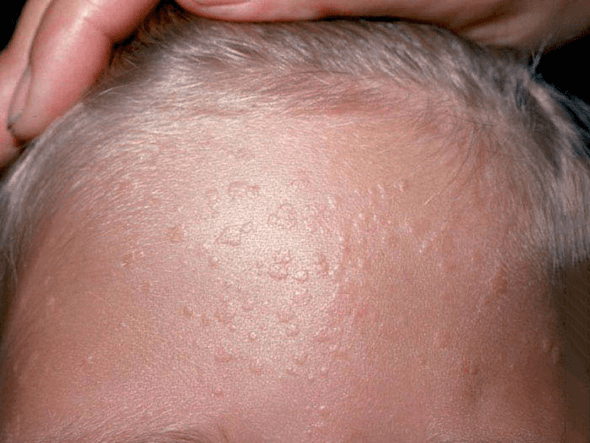
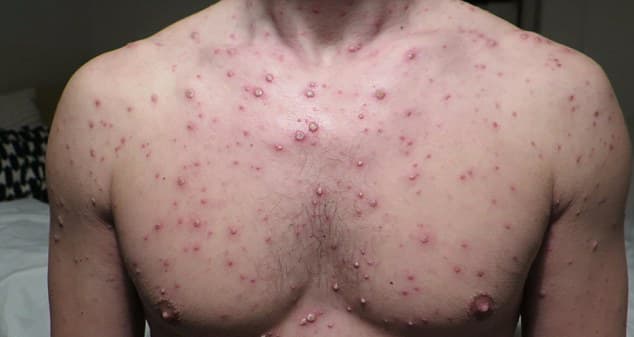
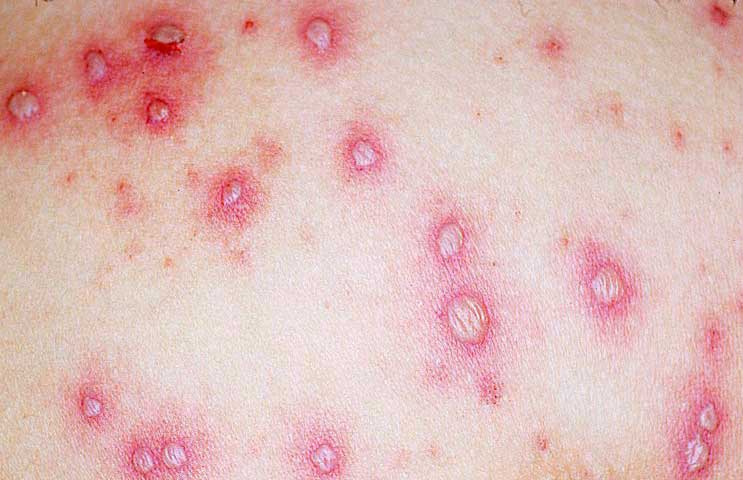
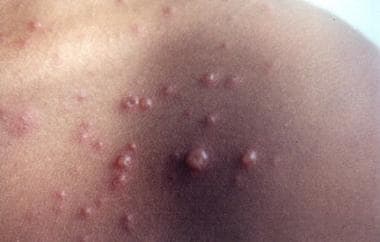
The course of chickenpox usually begins gradually, followed by the characteristic rash. It is typical to see elements of different stages on the body at the same time – from red spots to blisters and scabs.
- Prodromal (initial) symptoms: general weakness, malaise, headache, sore throat, mild to moderate fever, especially in adults.
- Rash: initially appears as red spots, which turn into papules, and later into blisters filled with clear fluid. Over time, the blisters shrink and turn into scabs.
- Rash spread: usually first appears on the scalp, face, and trunk, then spreads to the limbs; rashes can also occur on the mucous membranes of the mouth, eyes, or genitals.
- Itching: common and sometimes very intense; scratching increases the risk of skin damage and secondary infection.
- Other signs: worsening sleep, loss of appetite, children may become irritable; symptoms are often more pronounced in adults.
Possible complications (do not always occur): bacterial skin infections at scratching sites, pneumonia, ear infections, nervous system damage (e.g., balance disorders, severe headache), dehydration due to painful oral rashes, and less commonly, severe systemic infection. During pregnancy, chickenpox can cause fetal complications or neonatal disease.
When to See a Doctor?
Seek medical attention immediately if:
- fever is high or persists for more than 3–4 days;
- there is difficulty breathing, intense cough, chest pain, or difficulty swallowing;
- there is a severe headache, neck stiffness, drowsiness, impaired coordination, or seizures;
- rashes are very abundant, especially around the eyes or on the genital mucous membranes;
- rash sites become very painful, pus appears, suspected secondary infection;
- chickenpox occurs in a newborn, pregnant woman, unvaccinated adult, or patient with immunodeficiency.
If you are unsure about the diagnosis or care, it is safest to consult a doctor – this will reduce the risk of complications and provide a clear plan for home care for yourself or your child.
Diagnosis
Diagnosis is usually based on clinical signs – the characteristic sequence of rashes, their distribution, and an assessment of the patient's overall condition. If the situation is atypical, additional tests may be performed: molecular (e.g., a sample from the blister content) or serological tests to help differentiate chickenpox from other rash-causing diseases.
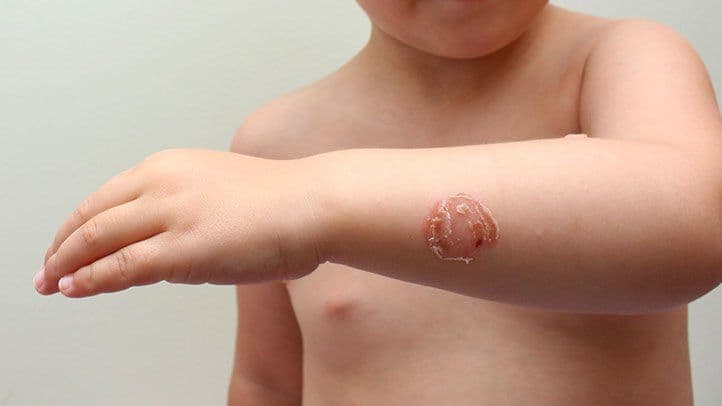
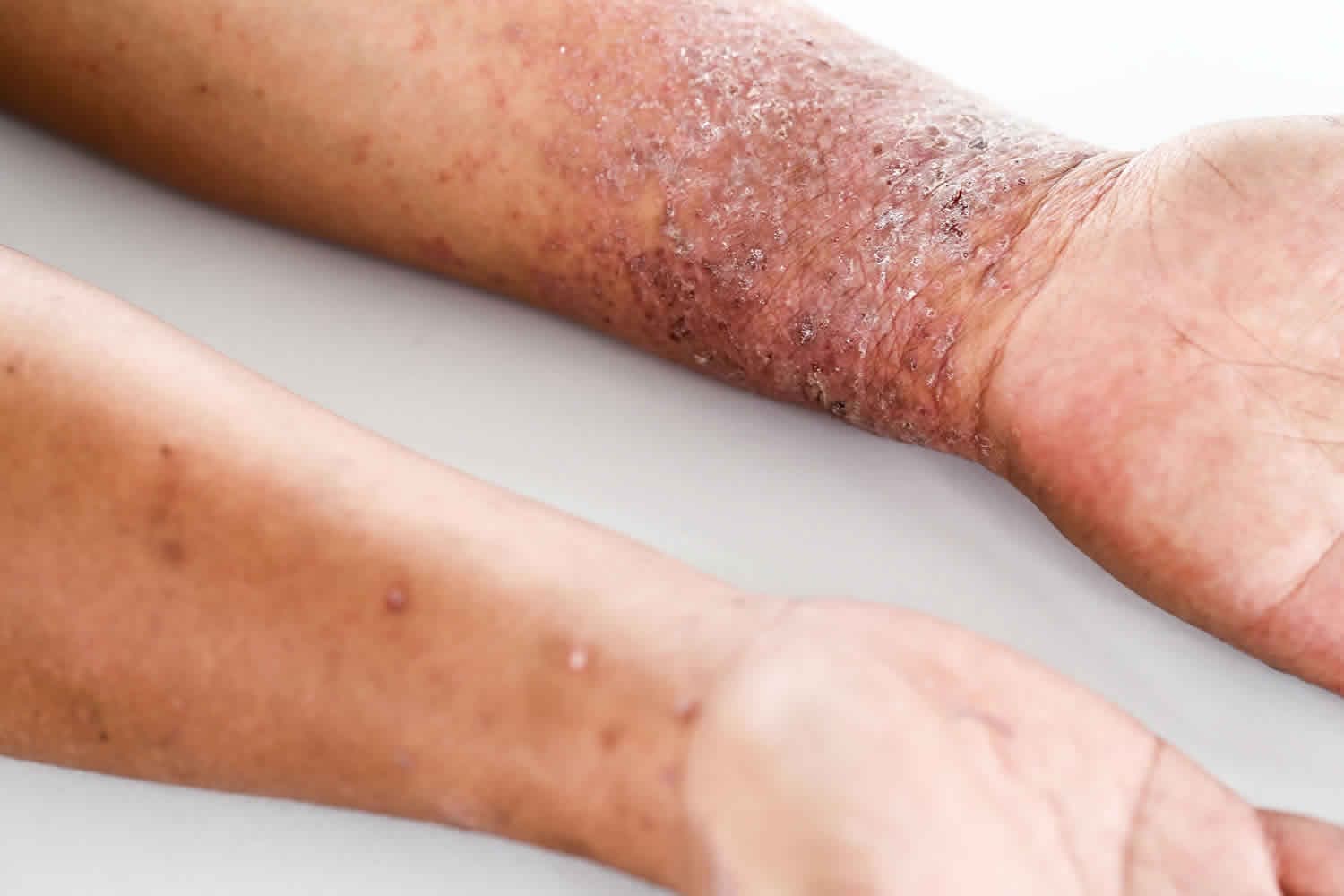
Differential diagnosis is sometimes necessary, as chickenpox can be confused with other conditions, such as allergic rashes, pyrogenic skin damage, hand-foot-mouth disease, herpes infection, or impetigo.
Our iDerma clinic dermatologists help accurately diagnose, assess the severity of the disease, and develop an individual treatment and care plan. Consultations are available in-person at the clinic or remotely online – allowing for quick advice on when home care is sufficient and when more active treatment or additional tests are needed.
Treatment
In most cases, chickenpox is treated symptomatically, aiming to relieve symptoms and protect the skin while the body fights the infection. Key principles include:
- Rest and fluids: adequate rest and plenty of fluids help reduce fever, improve well-being, and prevent dehydration.
- Skin care: keep the skin clean and dry; bathe in lukewarm water, use gentle cleansers, and pat the skin dry gently without rubbing. It is recommended to keep nails short, and small children can wear thin cotton gloves at night.
- Reducing itching: cooling compresses and soothing, skin barrier-restoring products are suitable; avoid scratching to prevent scarring or secondary infection.
- Fever control: discuss the need and choice of fever-reducing measures with a doctor, especially if a child is affected.
- Diet: if there are rashes in the mouth, choose soft, non-hot, and non-irritating (not very salty, not spicy) foods.
- Isolation: stay at home until all blisters have crusted over and no new rashes appear for 24 hours. This protects others – especially infants, pregnant women, and those with immune disorders.
In severe cases, for high-risk patients, or if there are signs of complications, a doctor may prescribe specialized antiviral and symptomatic treatment. The decision is always made by a specialist, considering the patient's age, condition, and risk factors.
ARTICLE_GIF
Care and Prevention
Vaccination is the most effective measure against chickenpox and its associated complications. Vaccination is recommended for children and adults who have not had chickenpox or have not been vaccinated previously. A two-dose vaccination course usually provides reliable protection, and even if infection occurs, the disease is milder, and complications are less frequent.
If there has been close contact with an infected person (in the family, kindergarten, school), vaccination within the first few days after contact can reduce the likelihood of disease or ease its course. In certain cases, especially in risk groups, immunoprophylaxis may be considered – this decision is made by a doctor.
Proper daily care and hygiene help the skin heal faster and prevent scarring:
- choose loose, cotton clothing to allow the skin to breathe and avoid irritation;
- avoid overheating – intense sweating promotes itching;
- use gentle products when washing hands and bathing, do not rub the skin;
- for children – engaging activities (books, puzzles) help distract from itching and prevent scratching;
- monitor for signs of infection at rash sites: increasing redness, pain, warmth, pus.
For pregnant women and those planning pregnancy, it is important to consult a doctor about immunity assessment and vaccination planning. If infected during pregnancy or shortly before delivery, urgent specialist consultation is necessary for further action.
Frequently Asked Questions
- Can you get chickenpox again? Most people who have had chickenpox develop long-term immunity. Recurrences are rare, more often due to misdiagnosis or extremely weak immunity. However, later in life, shingles may occur, as the virus remains inactive in the body.
- How long is a person with chickenpox contagious? From 1–2 days before the rash appears until all blisters have crusted over and no new rashes appear for 24 hours (usually about 5–7 days from the onset of the rash).
- When can you return to kindergarten, school, or work? When the blisters have crusted over and no new rashes have appeared for at least 24 hours, overall well-being is good, and there is no fever. Specific conditions may be specified by a doctor or institution administration.
- Can you catch chickenpox from someone with shingles? Yes, direct contact with the contents of the blisters can result in chickenpox infection if you do not have immunity. However, you cannot catch shingles from another person's shingles – the first manifestation is chickenpox.
- Is it safe to bathe with chickenpox? Yes, brief bathing in lukewarm water with gentle cleansers is beneficial – it helps maintain skin cleanliness and reduces the risk of infection. Avoid vigorous rubbing and hot water.
- Do chickenpox leave scars? Generally not, but scratching and secondary infection can leave pigmentation changes or scars. Proper skin care and avoiding scratching significantly reduce this risk.
Conclusions
Chickenpox is a common and usually mild infection, but it remains a serious risk for infants, pregnant women, adults, and people with weakened immune systems. By recognizing symptoms early, following appropriate home care, isolating until all blisters have crusted over, and consulting specialists when needed, most complications can be successfully avoided. The most reliable protection is vaccination – it protects not only you but also those around you. If you are unsure about the diagnosis or care plan, a consultation with iDerma dermatologists in person or online will help quickly clarify the condition and plan safe, personalized treatment and care.