Introduction
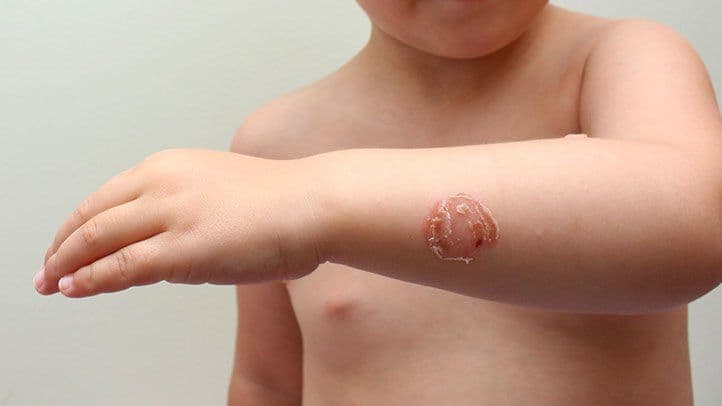
Contagious impetigo (impetigo contagiosa, pyoderma) is a common, easily spread bacterial skin infection. It most often affects children aged 2–5 years, but older children and adults can also contract it. Although the name sounds threatening, most cases are mild and successfully treatable. Recognizing symptoms early, maintaining proper hygiene, and consulting a doctor are the key steps to a quick recovery and protecting loved ones.
In this article, we will discuss what impetigo is, how it spreads, the symptoms in both children and adults, when to consult a dermatologist, the principles of diagnosis and treatment, how to care for the skin during the illness, and how to prevent recurrences.
What is it?
Impetigo is a superficial skin infection that affects the upper layer of the skin. It can manifest in several forms:
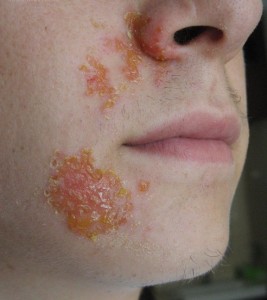
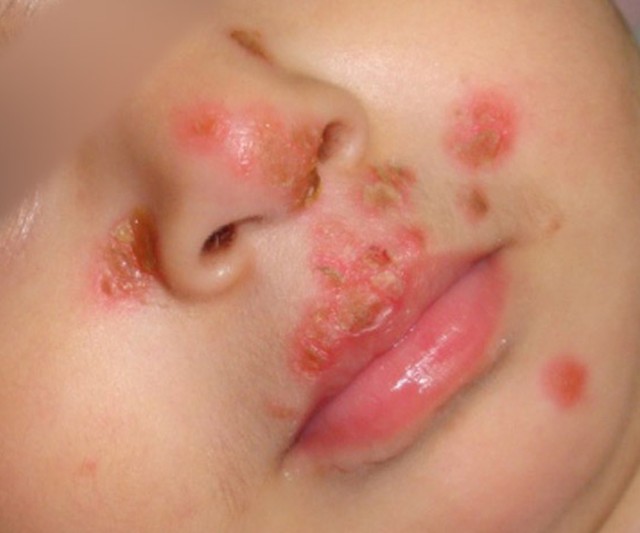
- Non-bullous impetigo – the most common form. Initially, small papules or vesicles with surrounding redness appear, which quickly turn into pustules. When they burst, characteristic "honey-colored" crusts form.
- Bullous impetigo – larger, fluid-filled blisters form. Later, their walls collapse, the fluid becomes cloudy, and when the blisters rupture, yellowish-brown crusts develop.
- Ecthyma – a deeper, rarer form that affects not only the epidermis but also deeper skin layers. Painful ulcers with raised edges form, covered by a yellow crust, which may take longer to heal and leave scars.
Impetigo is most commonly seen on the face (especially around the nose and mouth), on the hands or legs, but it can affect any part of the body. Due to its contagious nature, this infection often spreads in groups – kindergartens, primary classes, sports clubs.
Causes and Risk Factors
Impetigo is most commonly caused by the bacteria Staphylococcus aureus, less often by group A streptococci (Streptococcus pyogenes), and sometimes by a combination of both bacteria. Microorganisms enter the skin and cause infection:
- through minor skin injuries (scratches, cuts, abrasions),
- through insect bites,
- through cracked or inflamed skin (e.g., in atopic dermatitis),
- through direct skin contact with an infected person,
- by using shared items (towels, bedding, combs, sports equipment).
Conditions favorable for spreading:
- warm and humid environments (summer, swimming pools, locker rooms),
- children's groups (kindergartens, schools),
- close contact during sports (wrestling, contact sports),
- a tendency to scratch, not trimming nails, poor hand hygiene,
- skin-damaging diseases (eczema, scabies) or factors weakening the skin barrier,
- a weakened immune system.
Important to know: impetigo is not a "dirt disease." Although good hygiene helps reduce the risk, infection can occur even with careful cleanliness – especially if the skin is damaged.
Symptoms
The appearance of impetigo can vary slightly depending on the form, but the most common are:
- small papules, vesicles, or pustules,
- yellow, honey, or brown-colored crusts,
- fluid-filled blisters (bullous form),
- painful ulcers with raised edges (ecthyma),
- redness, sometimes slight swelling around the lesion,
- itching or mild pain.
The most common locations are the face (especially around the nose and lips), ear area, hands, forearms, and shins. Children often scratch the rashes, so the infection can quickly spread to other areas (auto-infection).
Symptoms such as fever, severe pain, rapidly spreading redness and swelling, loss of appetite, or lethargy may indicate a more serious infection and require urgent medical consultation.
When to See a Doctor?
Consult a dermatologist or family doctor if:
- you suspect impetigo in an infant or young child,
- the rash is spreading rapidly, there are many lesions, or they are deepening,
- lesions are around the eyes or on the lip mucosa,
- fever, increasing pain, swelling, or pus formation occurs,
- you see red "streaks" from the lesion (may indicate infection spread),
- there is no improvement within 48–72 hours of starting care or prescribed treatment,
- the immune system is affected by other diseases or treatments,
- impetigo constantly recurs in the family or group.
Children can usually return to kindergarten or school about 24 hours after starting effective antimicrobial treatment and covering any weeping lesions. If the doctor has provided different recommendations, follow them.
Diagnosis
Impetigo is usually diagnosed during a clinical examination based on the characteristic appearance and location of the rash. Additional tests are not always necessary but may be performed if:
- the infection is severe, persistent, or constantly recurs,
- outbreaks are suspected in groups,
- a deeper infection (ecthyma) or complications are suspected,
- it is necessary to identify the causative agent and its sensitivity to antibacterial treatment.
In such cases, a microbiological culture may be taken from the affected area, and Gram staining of a smear may be performed. In widespread infection, blood tests may sometimes show increased levels of leukocytes and C-reactive protein.
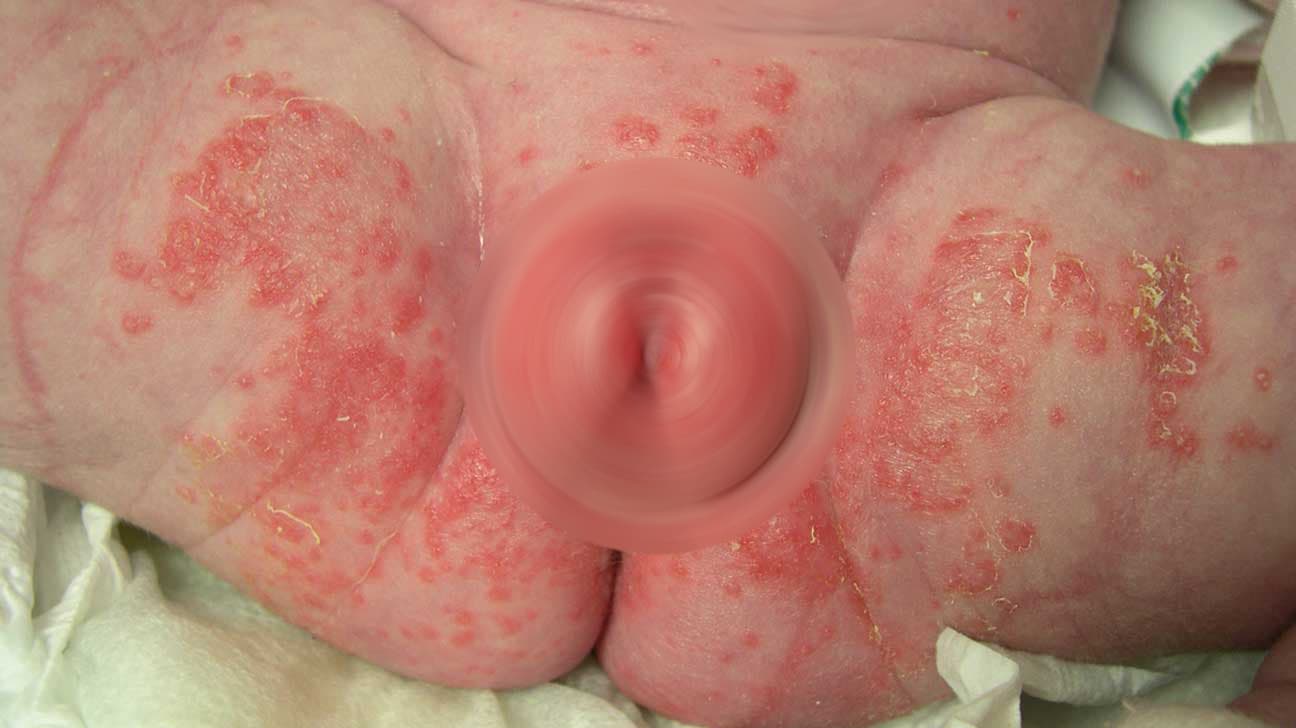
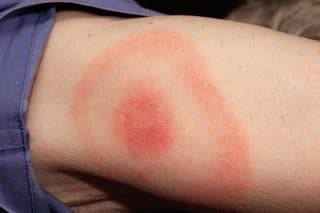
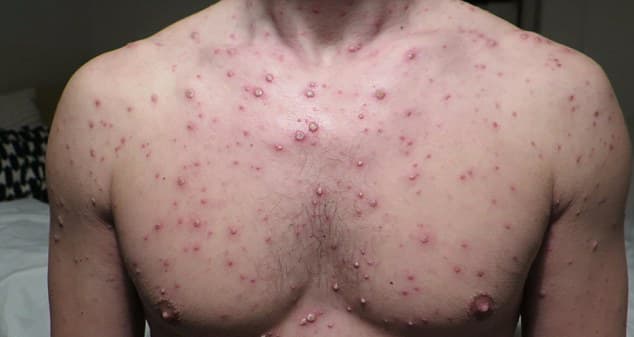
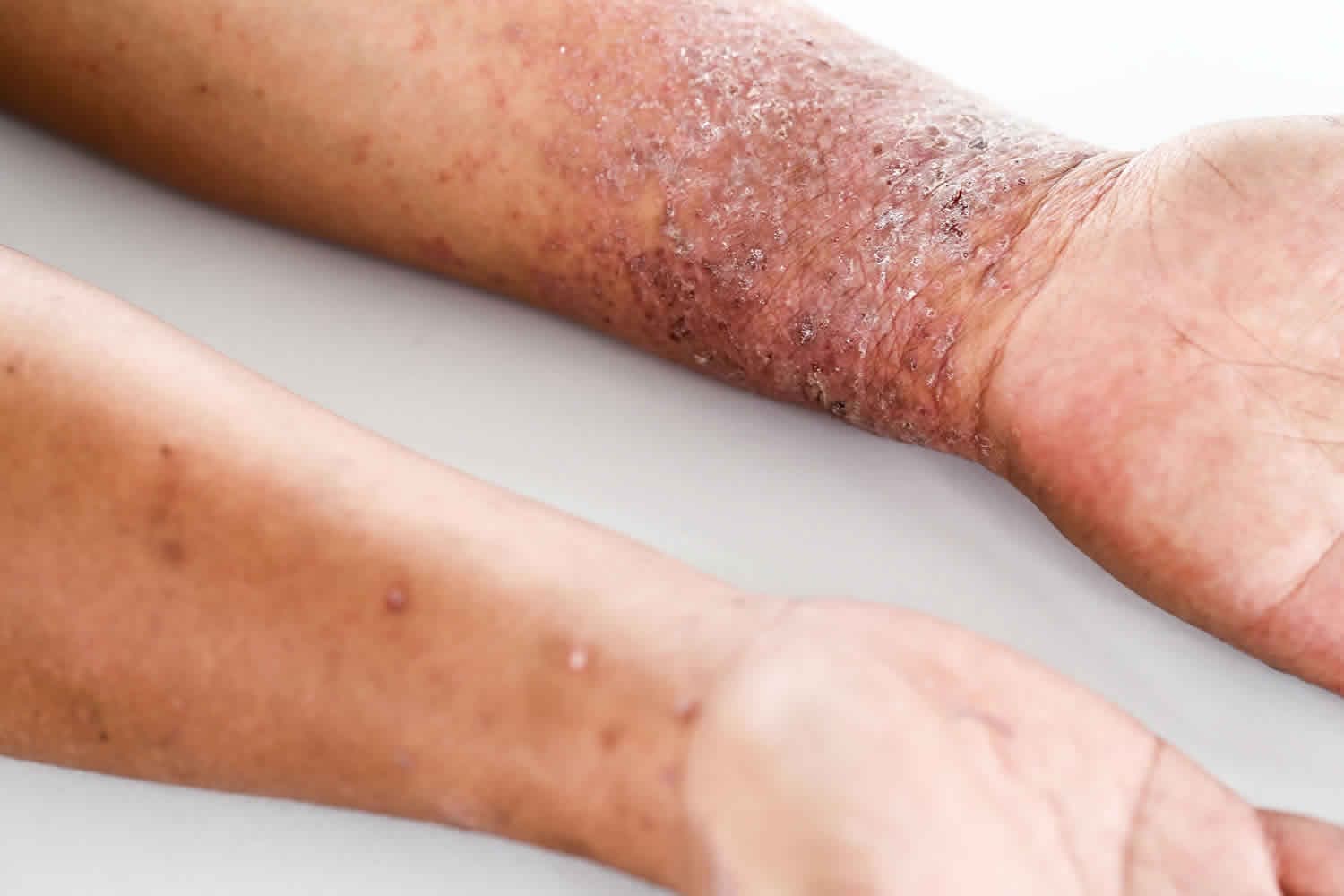
It is important to differentiate impetigo from other skin diseases: herpes infection, contact dermatitis, chickenpox, perioral dermatitis, scabies, inflammatory acne flare-ups, bite reactions, or eczema that has become secondarily infected.
ARTICLE_GIF
Treatment
The main goals of treatment are to stop the spread of infection, shorten the duration of the disease, alleviate symptoms, and reduce the risk of complications. The treatment plan is selected by the doctor, taking into account the extent and depth of the rash, the patient's age, comorbidities, and the situation in the family or group.
Treatment principles:
- Local care – gentle washing of affected areas with lukewarm water and a mild cleanser, softening and careful removal of soft crusts, drying the skin with a clean towel (pat gently, do not rub).
- Topical antibacterial treatment – applied for small, localized rashes. Doctor-prescribed ointments or creams are used on the affected skin, usually several times a day for a specified period.
- Systemic antibacterial treatment – prescribed when rashes are widespread, lesions are deep (ecthyma), there are many foci, general symptoms occur, or the infection recurs. The doctor selects the medication and duration of use.
- Symptom relief – cool compresses, reducing itching and pain, adequate fluid intake, trimming nails to reduce scratching.
- Covering lesions – it is recommended to cover weeping lesions with a breathable dressing, especially for children or during sports, to reduce the risk of spreading.
It is very important to continue treatment for as long as the specialist has indicated, even if the rashes appear to improve quickly. This helps prevent relapses and the development of antibiotic resistance.
Care and Prevention
To stop the spread of impetigo in the family or group and reduce the risk of recurrence, daily hygiene and a few simple habits are important:
- Wash hands with soap and water as often as possible; teach children proper handwashing techniques.
- Do not share personal items: towels, bedding, combs, hats, sports equipment. Wash fabrics in hot water and dry them thoroughly.
- Keep lesions covered, especially if they are weeping. Blow your nose with disposable tissues and discard them immediately.
- Cover your mouth and nose with your forearm, not your hand, when sneezing or coughing.
- Thoroughly clean frequently touched surfaces (door handles, toys, phones).
- Keep nails short to reduce scratching and the spread of bacteria.
- Wash minor skin injuries immediately and cover them with a clean bandage.
- During sports – shower after training, use your own towels and clothing, do not apply shared protective gear on damaged skin.
- If impetigo recurs, consult a doctor about possible additional measures for the family or group.
Children are advised to return to educational institutions no less than 24 hours after starting effective treatment, and weeping lesions must be covered. Always follow the doctor's instructions and the institution's internal rules.
Frequently Asked Questions (FAQ)
- Is impetigo dangerous?
It is usually a mild, superficial infection that heals quickly with proper treatment. If untreated, it can spread, cause deeper skin inflammation, or leave scars (especially with ecthyma), so delaying treatment is not recommended. - How quickly is impetigo contagious?
Impetigo is easily transmitted through direct contact with the rash or contaminated objects. Contagiousness significantly decreases after starting effective antibacterial treatment (often after 24 hours). - Does impetigo leave scars?
Non-bullous and bullous forms usually heal without scarring, especially if crusts are not picked and scratching is avoided. Ecthyma may leave small scars or pigmentation changes. - Can you bathe?
Yes, gentle washing with lukewarm water is recommended. After bathing, gently pat the skin dry, do not use rough sponges. Temporarily avoid pools and saunas until lesions heal. - Are hygiene measures alone sufficient?
In mild cases, local care helps, but antibacterial treatment prescribed by a doctor is often needed. If there is no improvement within 2–3 days, consultation is necessary. - When can a child return to kindergarten or school?
Usually after 24 hours from the start of effective treatment. Lesions must be covered, and the child should feel well. If the institution has additional requirements, follow them. - Do adults also get impetigo?
Yes, especially if there are skin injuries, working with children, or participating in contact sports. Treatment principles are similar – hygiene and doctor-prescribed antibacterial treatment are important. - What to do if impetigo keeps recurring?
Consult a dermatologist. It may be necessary to assess the condition of family members, adjust care habits, and discuss additional preventive measures in groups.
Conclusions
Contagious impetigo is a common and easily spread bacterial skin infection that is usually quickly treatable with appropriate local or systemic antibacterial treatment and careful hygiene. The most important thing is to recognize symptoms early, avoid picking crusts, cover weeping lesions, wash hands frequently, and follow the doctor's instructions. If rashes spread, fever or severe pain occurs, do not delay consulting a healthcare professional. This will protect you and your loved ones from the spread of infection and help you return to your normal routine faster.