Erythema Nodosum: Causes, Symptoms, and Treatment
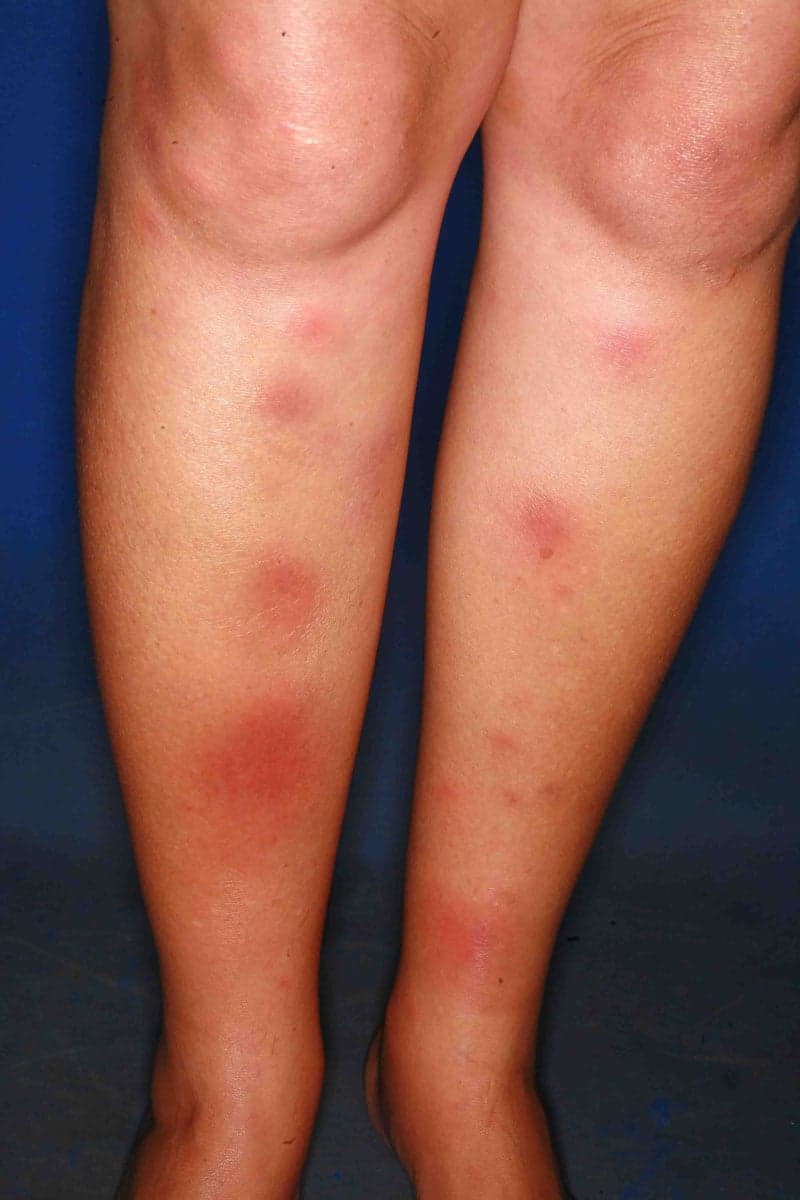
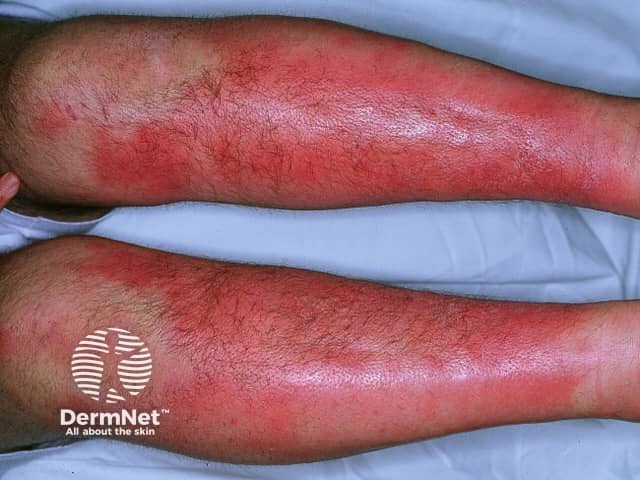
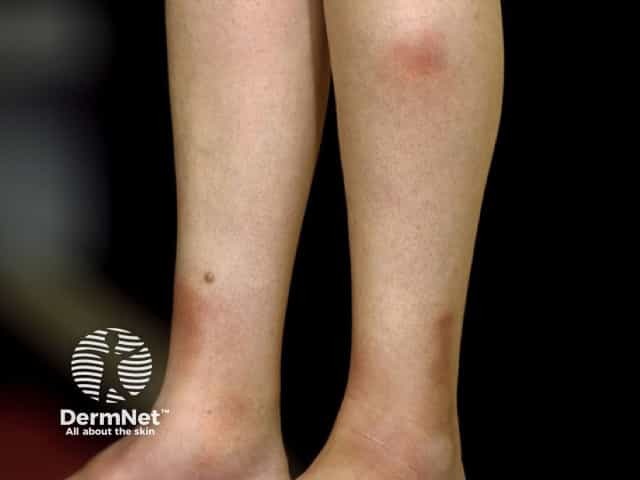
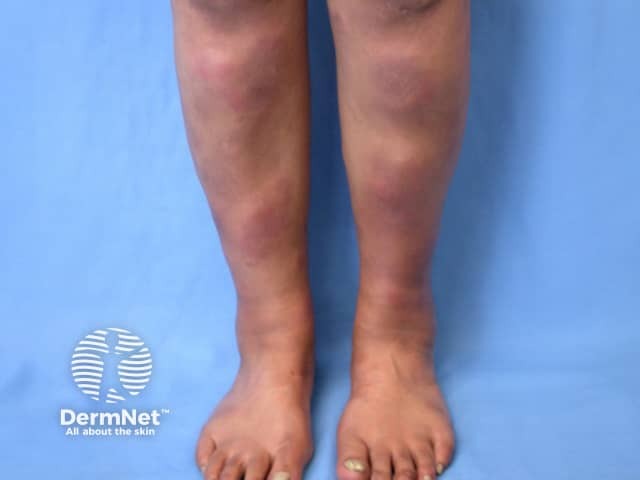
Erythema nodosum (Latin: Erythema nodosum) is an acute inflammation of the fatty layer under the skin, triggered by a hypersensitivity reaction to certain stimuli. It is most commonly seen on the front surface of the lower legs and manifests as painful, red nodules or plaques beneath the skin.
The condition occurs more frequently in women than in men, although before adulthood it affects both sexes equally. A considerable number of cases have no clearly identifiable cause.
Common causes include infectious diseases (viral, fungal, bacterial), chronic inflammatory conditions such as ulcerative colitis, Crohn’s disease, sarcoidosis, and certain blood disorders. In some cases, the inflammation may be triggered by medications such as antibiotics, non-steroidal anti-inflammatory drugs (NSAIDs), or oral contraceptives. Pregnancy can also occasionally provoke the onset of erythema nodosum.
Symptoms and Clinical Presentation
Erythema nodosum typically presents with:
-
Firm, tender nodules or plaques that can be felt under the skin
-
Lesions with poorly defined edges, oval or arc-shaped, and without ulceration
-
Pain upon touch or pressure
-
In approximately 50% of cases, joint or muscle pain may occur simultaneously
-
The color of the nodules can vary between shades of red and sometimes evolve through purple, yellowish, and greenish tones as they heal
-
The most common locations are the front surfaces of the lower legs or arms, but in rare cases, lesions may appear on the face or neck
The onset is often sudden, and the nodules may appear symmetrically on both legs. They can range in size from 1 to 5 cm in diameter. Fever and general fatigue sometimes accompany the skin changes.
Diagnosis
Diagnosis is usually made based on a physical examination and detailed medical history. However, because erythema nodosum is often a symptom of an underlying condition, additional tests are often necessary to determine the cause or to exclude other possible diseases.
Common diagnostic evaluations may include:
-
General blood tests, C-reactive protein (CRP) level, and an overall assessment of inflammatory activity to exclude infection
-
Testing for tuberculosis (e.g., Mantoux test or interferon gamma release assay)
-
Testing for streptococcal infection (throat culture, ASO titer)
-
Testing for viral infections if suspected
-
Stool tests in cases of gastrointestinal symptoms or diarrhea to assess for inflammatory bowel disease
-
Skin biopsy when the diagnosis is uncertain, to confirm inflammation of the subcutaneous fat layer
Treatment and Prognosis
Treatment of erythema nodosum depends on the underlying cause, and it should always be guided by a dermatologist or dermatovenereologist. The main goal of therapy is to reduce inflammation, relieve pain, and address any underlying conditions.
General treatment recommendations include:
-
Rest and reduced physical activity to relieve stress on the legs
-
Non-steroidal anti-inflammatory drugs (NSAIDs) such as ibuprofen or naproxen to reduce pain and swelling
-
Compression stockings to improve circulation and reduce discomfort
-
Corticosteroids or an anti-inflammatory medication in more severe or persistent cases, prescribed under medical supervision
-
Treatment of the underlying disease or trigger, which may include antibiotics for bacterial infections, antiviral or antifungal medication, or adjusting or discontinuing drugs that may have caused the reaction
In most cases, erythema nodosum resolves spontaneously within four to eight weeks. The nodules gradually change color, similar to bruises, and disappear without scarring. However, the condition may recur, especially if the underlying trigger persists or reappears.
ARTICLE_GIF
When to Consult a Doctor
You should see a dermatologist if you notice the sudden appearance of painful red nodules on your legs or other body areas. Medical evaluation is also recommended if you have accompanying symptoms such as fever, fatigue, or joint pain, or if the nodules do not improve within several weeks.
Early consultation helps identify any underlying infections, inflammatory diseases, or medication-related causes, ensuring effective and safe treatment.
Conclusion
Erythema nodosum is an inflammatory reaction of the subcutaneous fat tissue that most often appears on the lower legs. While it can be painful and alarming, it is generally a benign condition that resolves over time. Identifying and treating the underlying cause is essential for recovery and to prevent recurrence.
If you experience symptoms suggestive of erythema nodosum, contact a dermatologist for evaluation and a personalized treatment plan. With proper care, most cases heal completely, allowing patients to return to normal activities without lasting effects.