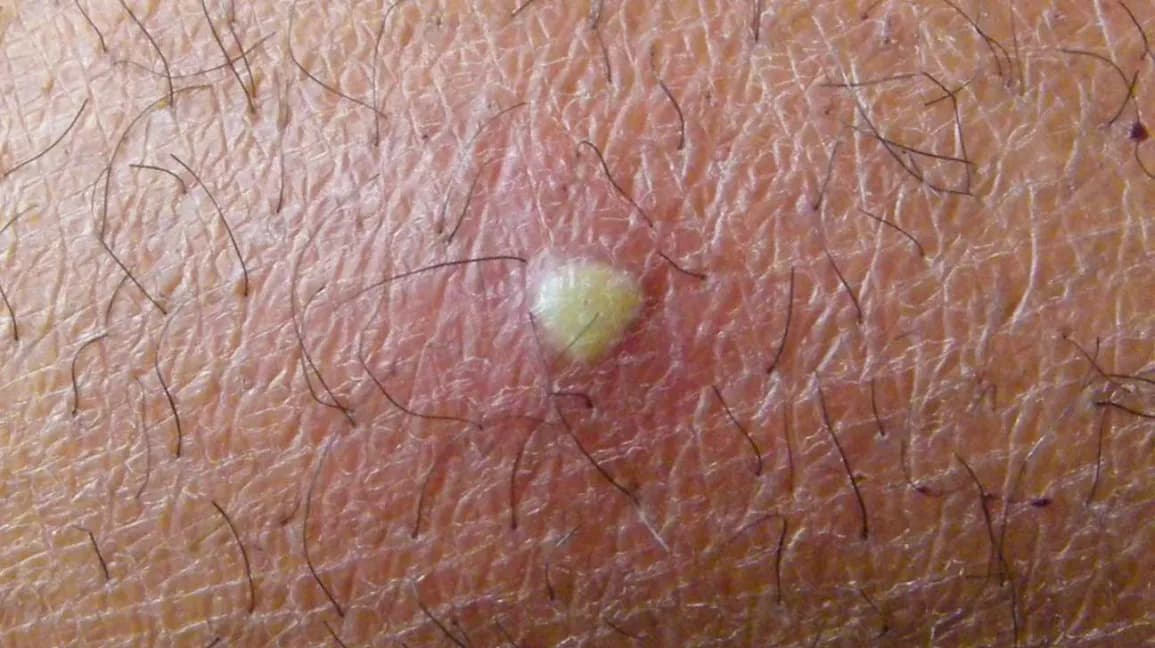
What is a boil?
A boil, also known as a furuncle or abscessed hair follicle, is a painful, reddened inflammation that develops in a hair follicle and the surrounding tissues. This condition most commonly occurs in healthy individuals but can be extremely painful and sometimes lead to complications if not properly treated.
Causes and risk factors
The most common cause of boils is the bacterium Staphylococcus aureus, responsible for up to 75% of all cases. Although about 10–20% of people carry these bacteria on their skin without any clinical manifestations, they can sometimes cause an infection, especially if there are additional risk factors:
- Persistent presence of bacteria in the nasal passages, around the anus, or in skin folds.
- Diabetes, which makes the body more susceptible to various infections.
- Obesity and older age.
- Weakened immune system, e.g., due to chemotherapy or other immunomodulating treatments.
- Foreign bodies in the skin, such as piercings or catheters, which can be a source of infection.
Symptoms
Boils typically present as:
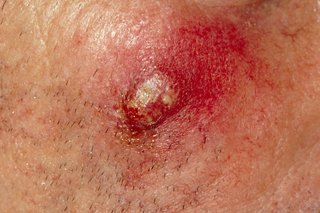
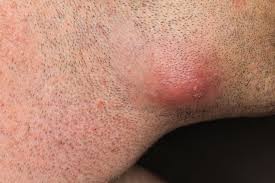
- Painful, reddened, tense nodules or pustules where pus accumulates.
- They can range from small pustules to larger ones, reaching up to 5 centimeters in diameter.
- As the secretion accumulates, the nodule may rupture, and pus begins to drain.
- A black dot is often visible at the center of the nodule, indicating the location of the hair follicle.
- Swelling of the surrounding skin.
Boils most commonly appear on the face, neck, armpits, thighs, and buttocks—areas that sweat the most and have the highest hair density.
When to see a doctor?
If a boil does not resolve on its own within a few days, becomes particularly painful, large, or recurs several times, it is important to consult a doctor. Additionally, if fever occurs or the infection begins to spread to other parts of the body, professional medical care is necessary. Our clinic's dermatologists help accurately diagnose, assess severity, and select an individual treatment and care plan. Consultations can be conducted both in person and online.
Diagnosis
The diagnosis of a boil is usually made based on data collected during patient interviews and physical examinations. Sometimes, to more accurately identify the cause of the infection or obtain more detailed information about the level of inflammation, additional tests may be performed:
- Microscopic examination, where stained infectious agents are examined under a microscope.
- Culture, where a bacterial colony is grown in a special medium to determine which bacteria caused the infection.
- Complete blood count, which may show elevated leukocytes or neutrophils, indicating an infection.
- C-Reactive Protein (CRP) test, indicating possible inflammation in the body.
Treatment
Treatment methods for a boil can depend on the severity of the infection and the individual characteristics of the patient. The most commonly used methods are:
- If the boil is large and does not rupture on its own, surgical treatment may be necessary—the top of the boil is incised or punctured, and the pus is drained.
- Application of antiseptics to the affected area to reduce the spread of infection.
- Antibiotic therapy when the extent of the infection requires such a solution. Antibiotics are selected based on culture results.
ARTICLE_GIF
Care and prevention
After treatment, it is important to ensure proper skin care to prevent recurrence. This includes regular hygiene, avoiding clothing that rubs against the skin, and safety at work if there is contact with other people. Avoid sharing personal hygiene items with others to reduce the risk of infections.
Frequently Asked Questions
- Is a boil contagious?
Yes, boils can be contagious if bacteria are transmitted to others through skin contact. - Can I squeeze a boil?
It is not recommended, as squeezing can spread the infection or cause secondary infections. - What compresses can help?
A warm compress can help reduce pain and promote healing. - How can I prevent boils from recurring?
Paying attention to hygiene and strengthening health to improve immunity helps reduce the risk. - Do I need to take additional measures if I have diabetes?
Yes, diabetes increases the risk of infections, so it is important to check the skin more frequently and consult a doctor if changes are noticed.
Conclusions
Boils can be unpleasant, but with proper care and treatment, recovery can be quick. It is important to recognize symptoms early and consult specialists when there are questions or doubts about treatment. Our clinic's dermatologists are always ready to help you determine the correct diagnosis and choose the best treatment plan. Timely consultation with a specialist can prevent further spread of the infection and ensure faster healing.