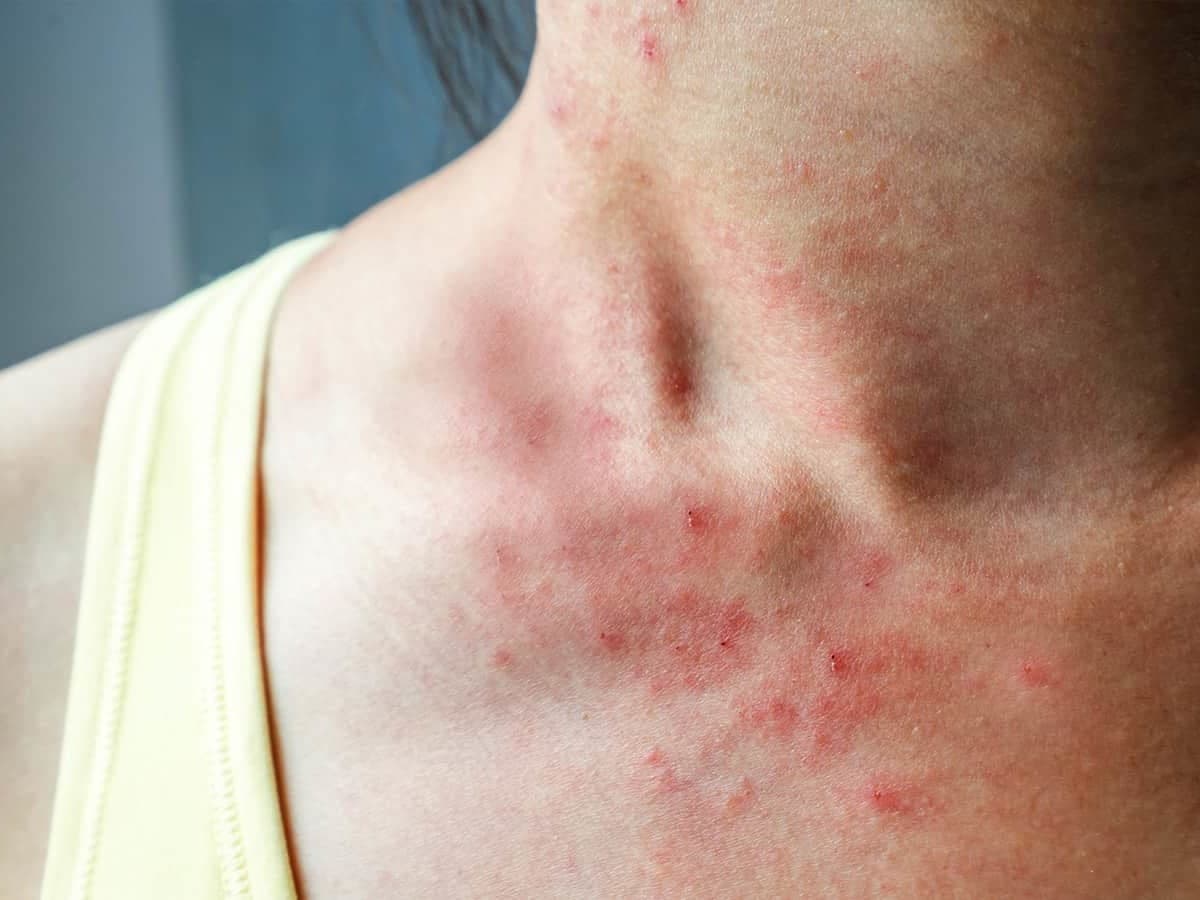
Skin Signs of Eating Disorders
Eating disorders are mental health conditions characterized by abnormal eating behaviors and issues with weight control. The most common types include anorexia nervosa, bulimia nervosa, binge eating disorder, and other less common forms. One of the early visible symptoms can be changes in the skin.
Why Does the Skin Change in Eating Disorders?
The skin is affected by malnutrition, frequent vomiting, and the use of medications such as laxatives or weight-loss drugs. These factors can lead to a range of skin symptoms that often prompt individuals to seek medical help.
Common Skin Symptoms
-
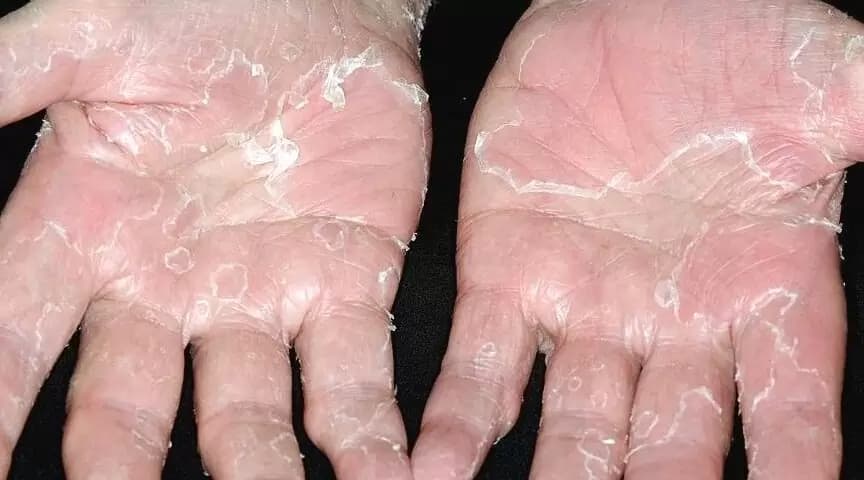
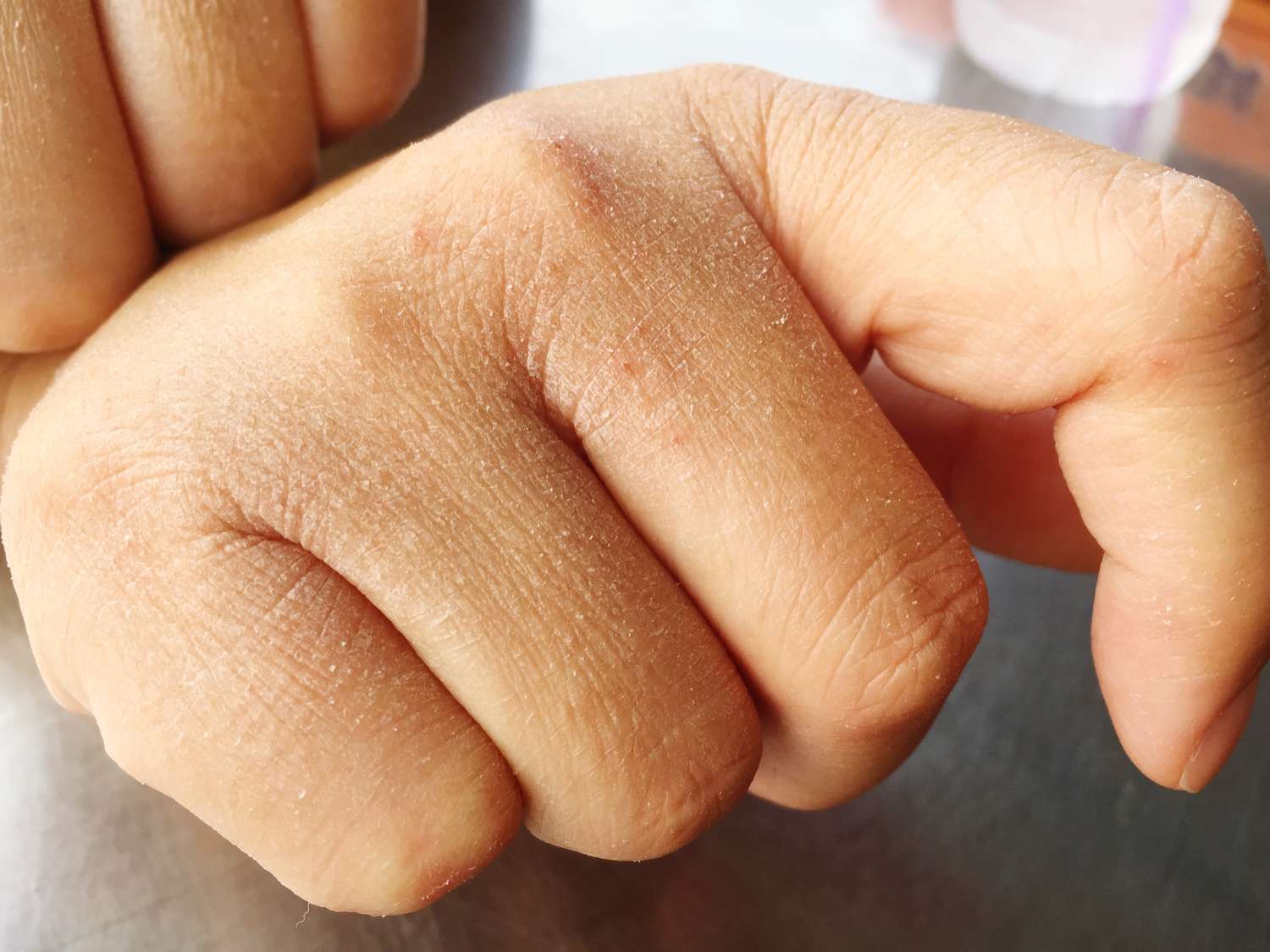
Dry Skin (Xerosis): Dry skin is very common in anorexia nervosa and is often one of the earliest changes, appearing within a few weeks of prolonged food restriction.
-
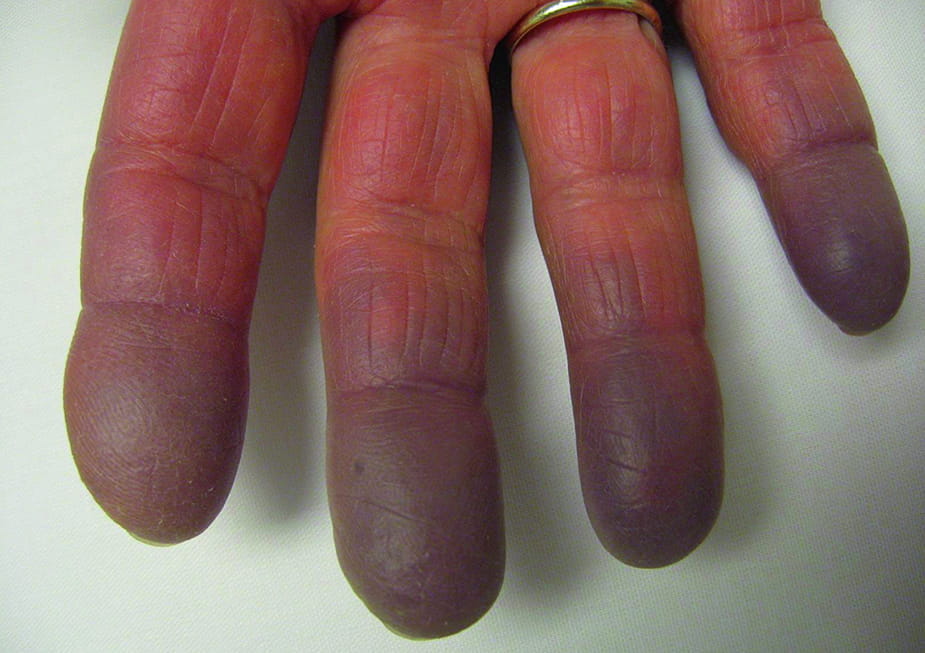
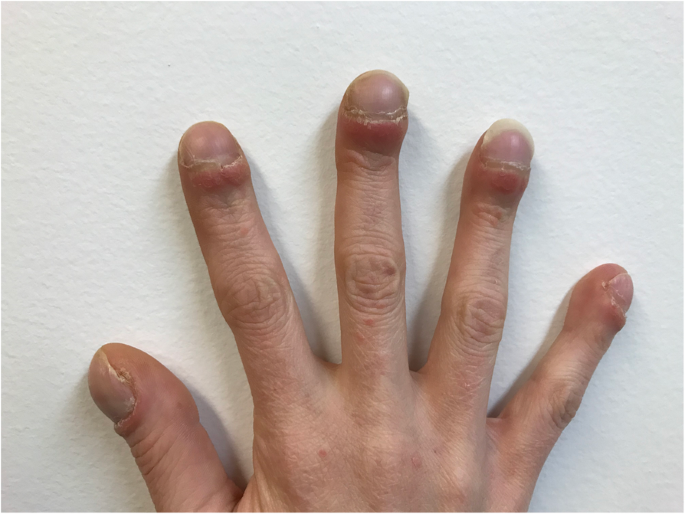
Acrocyanosis: Blue discoloration and coldness of hands and feet – common in severe stages of anorexia.
-
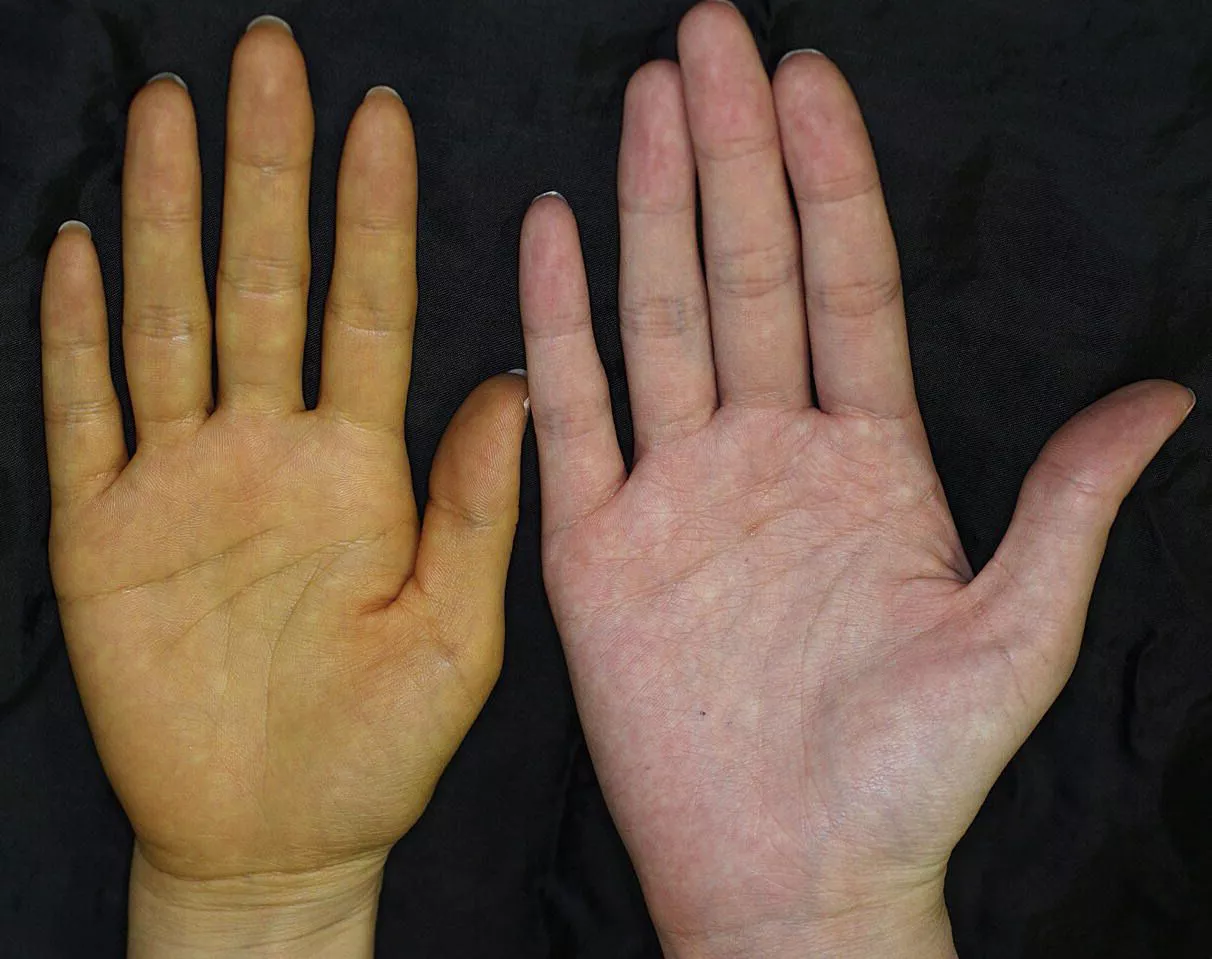
Carotenoderma: Yellowish skin discoloration (especially on palms, soles, and around the mouth) due to vitamin A metabolism issues or excessive beta-carotene intake.
-
Pale Skin: A sign of iron deficiency anemia, often resulting from prolonged nutritional deficiency.
-
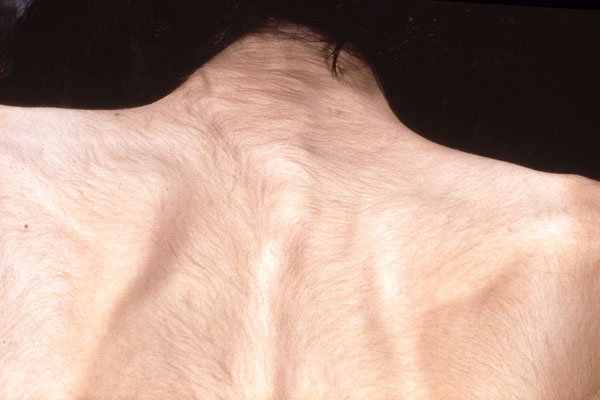
Lanugo: Fine, downy hair on the back, abdomen, and arms – often seen in advanced stages of anorexia.
-
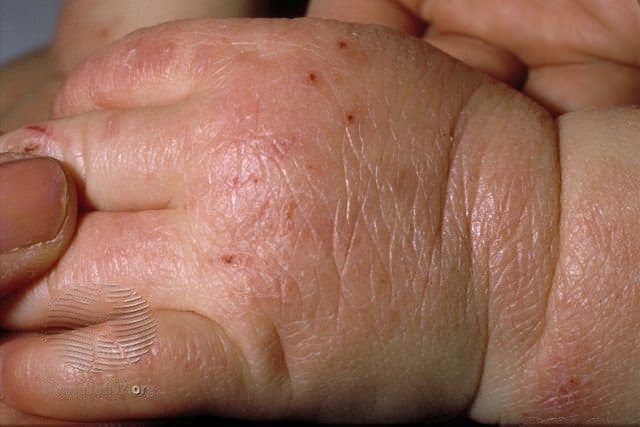
Itching: May result from skin dryness or psychological causes related to body image and weight changes.
-
"Russell's Sign": Calluses or abrasions on the knuckles caused by repeated self-induced vomiting.
-
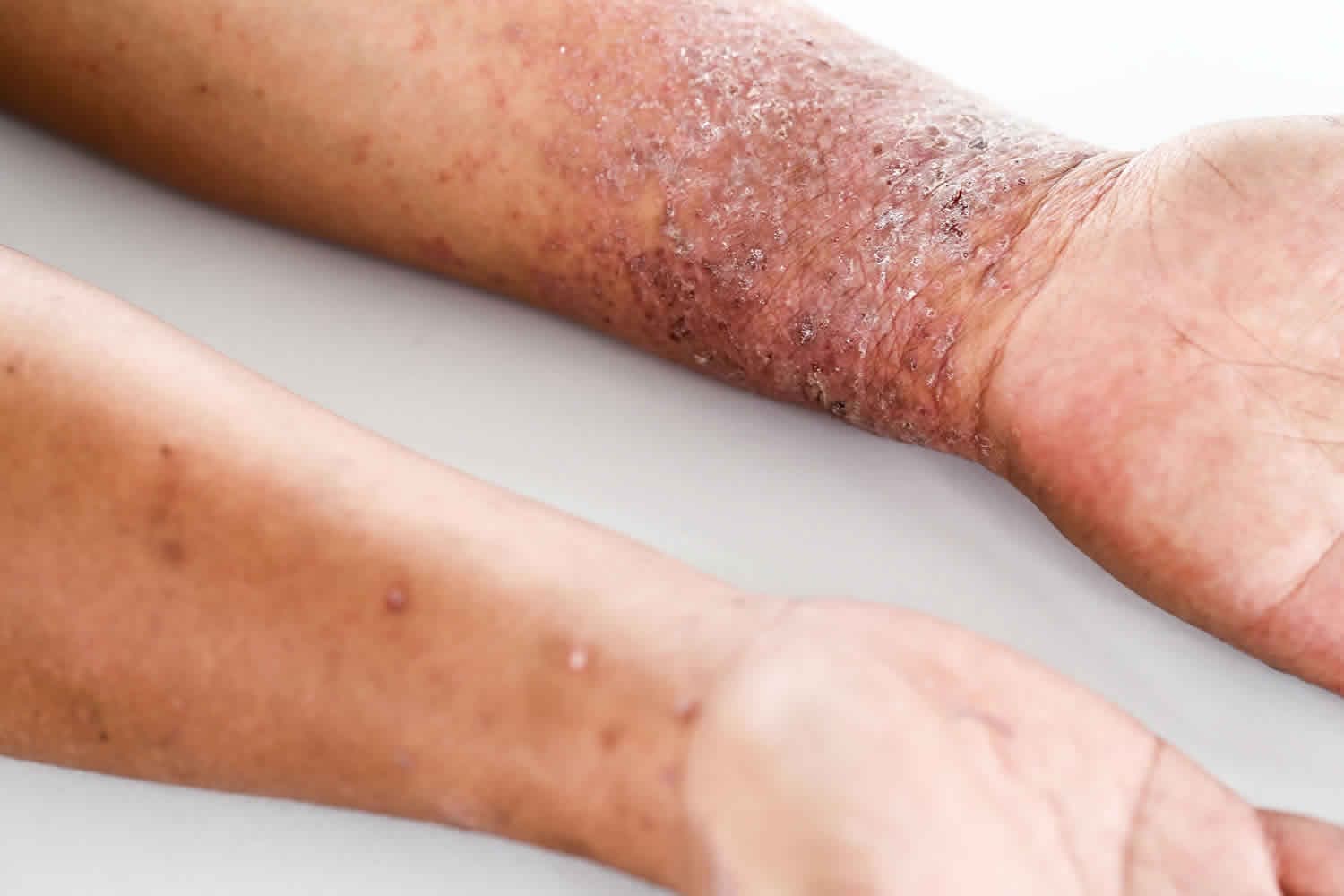
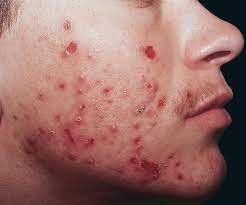
Medication-Induced Rashes: Allergic skin reactions due to certain drugs.
-
Brittle Nails: Common with poor nutritional intake.
-
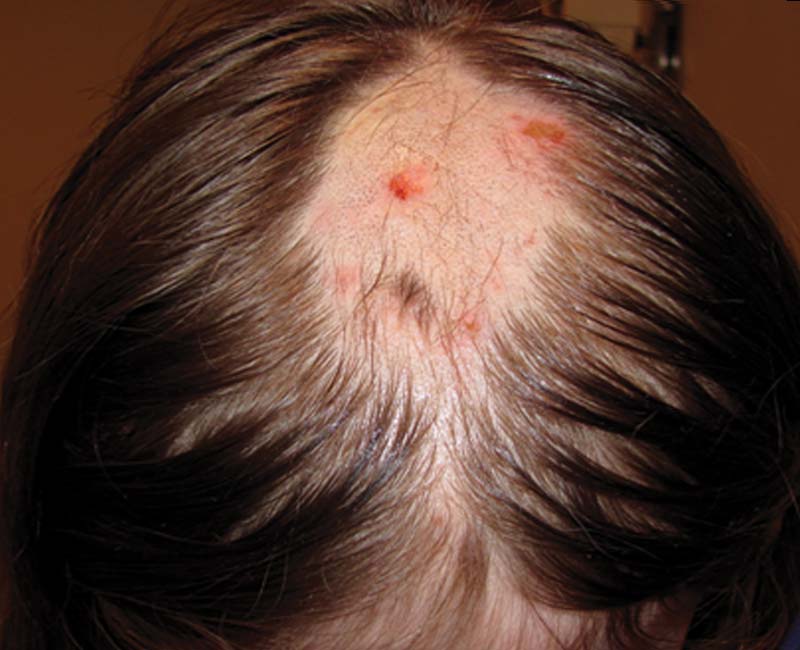
Trichotillomania: Compulsive hair pulling leading to hair loss, especially on the scalp and sometimes eyebrows or eyelashes.
-
Factitious Dermatitis: Self-inflicted skin lesions with unusual presentations, often lacking a clear cause.
When to See a Doctor
If these skin changes are noticed or if there's suspicion of an eating disorder, it's important to consult a general practitioner or dermatologist. Skin symptoms can often reflect deeper health problems and play a key role in early detection.
Treatment and Care
Treatment of eating disorders requires a multidisciplinary team – nutritionist, psychiatrist, psychotherapist, and dermatologist. Skin symptoms usually improve once normal body weight is restored, but moisturizers or topical treatments may be recommended for relief.